

Did you know 40% of eco swimwear shoppers experience regret due to unclear sustainability claims and poor fit? Choosing truly sustainable and well-fitting eco-friendly swimwear for men and kids can feel overwhelming. This article provides clear, actionable steps to confidently choose eco swimwear that balances style, fit, and true sustainability. Focus is on men and parents seeking responsible swimwear options for 2026.
Table of Contents
- Selection Criteria: Sustainable Materials And Certifications
- Selection Criteria: Brand Ethics And Transparency
- Sizing And Fit Considerations For Men And Kids
- Comparing Leading Eco Swimwear Brands
- Best Practices For Buying Eco Swimwear Online
- Price, Accessibility, And Longevity Considerations
- Situational Recommendations: Choosing Based On Use-Case
- Explore Sustainable Swimwear Collections At Le Club Original
Key Takeaways
| Point | Details |
|---|---|
| Certified Materials | ECONYL and Repreve fabrics ensure genuine sustainability and durability. |
| Brand Transparency | Published reports and certifications prevent greenwashing risks. |
| Accurate Sizing | Measurements and reviews reduce returns and environmental waste. |
| Brand Comparison | Matching style and ethical priorities simplifies your decision. |
| Care and Returns | Understanding policies prolongs swimwear life and environmental impact. |
Selection Criteria: Sustainable Materials and Certifications
Authentic sustainable swimwear starts with the fabric. Using recycled materials such as ECONYL® and Repreve® is a key indicator of eco-friendly swimwear manufacturing. ECONYL is regenerated nylon made from ocean waste like fishing nets, while Repreve is recycled polyester from plastic bottles. Both offer durability and shape retention that rival virgin materials.
Look for certifications to verify eco credentials. OEKO-TEX confirms no harmful chemicals in the fabric. Global Recycled Standard (GRS) verifies recycled content and ethical production. These certifications cut through vague marketing claims. ECONYL regenerated nylon is 100% recyclable infinitely without degradation, supporting circular economy principles.
Organic cotton is less ideal for swimwear. It absorbs water heavily and dries slowly, compromising comfort and durability. Recycled synthetics perform better for active water use. When shopping, prioritize swimwear made with ECONYL or Repreve over generic “eco” labels. Check product descriptions for specific fabric names and certification logos.
Key sustainable fabrics to seek:
- ECONYL regenerated nylon from ocean waste
- Repreve recycled polyester from plastic bottles
- Recycled elastane for stretch and fit
- Fabrics with OEKO-TEX or GRS certification
Pro Tip: Prioritize swimwear made with ECONYL which supports circular economy principles by being infinitely recyclable. For more guidance, explore how to choose eco-friendly swimwear and choose eco swimwear for style and sustainability. Learn more about sustainable swimwear materials and brands.
Selection Criteria: Brand Ethics and Transparency
Understanding materials is only half the story. You also need to know who makes your swimwear and how they treat workers. Most credible brands publish transparent sustainability reports and fair labor audits to reduce greenwashing risks. Check brand websites for published sustainability and labor reports.
Certifications signal ethical practices. B Corp certification means a company meets high social and environmental standards. Fair Trade ensures fair wages and safe working conditions. Look for third-party social audits that verify labor practices. Avoid brands with vague supply chain disclosures or no verifiable labor information.
Patagonia holds B Corp certification and uses Fair Trade factories ensuring product longevity and sustainability. Outerknown similarly prioritizes transparency with detailed supply chain disclosures. These brands set high ethical standards. Compare them against your shortlist to gauge accountability.
Transparency builds trust. Brands with published impact data, carbon footprint reports, and supplier lists demonstrate commitment. Vague claims like “eco-conscious” or “green” without evidence often signal greenwashing. Demand specifics: where is it made, who makes it, what certifications exist?
Key ethical indicators:
- Published sustainability and labor reports
- B Corp or Fair Trade certification
- Third-party social audits and supply chain transparency
- Clear factory and supplier information
Pro Tip: Prefer brands with transparent, verified impact data for trust and accountability. For deeper insights, visit the swimwear brand transparency guide and the ethical swimwear shopping workflow. Explore eco swimwear brand ethics and certifications.
Sizing and Fit Considerations for Men and Kids
Even the most sustainable swimwear fails if it doesn’t fit. Poor fit leads to returns, increasing waste and carbon emissions from shipping. Accurate sizing ensures you enjoy your purchase and minimize environmental impact. Always use precise body measurements: waist, hips, and inseam.
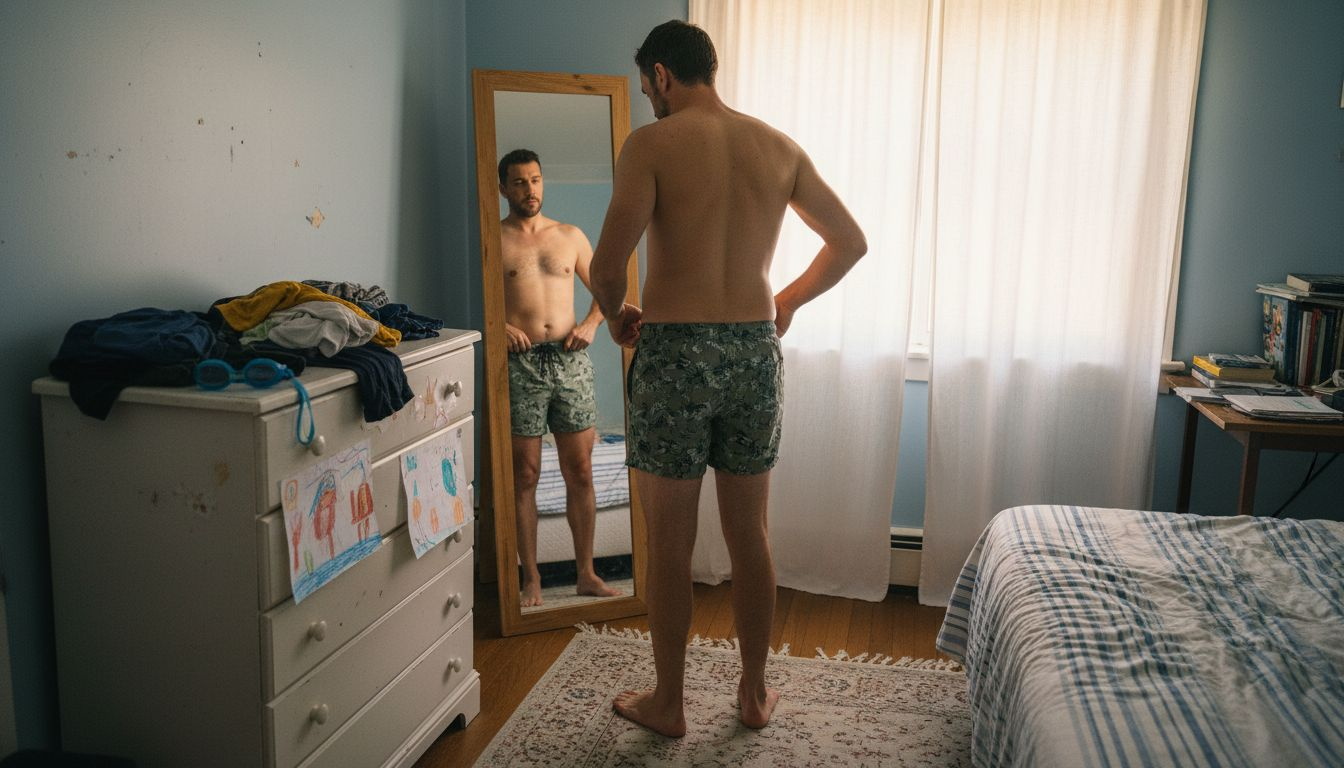
Refer to detailed size charts provided by brands. Every brand fits differently. Don’t assume your usual size translates across brands. Measure yourself with a soft tape measure. For men, measure around the natural waist and fullest part of the hips. For kids, measure waist and consider growth room.
Check customer reviews for insights on fit and stretch. Reviews reveal if a brand runs small, large, or true to size. They also highlight fabric stretch and comfort. Understand differences between swim trunks and swim briefs. Trunks offer more coverage and a relaxed fit, while briefs are snug and streamlined.
For kids, plan sizing with growth in mind. Choose adjustable waistbands or size up slightly for extended wear. Flexible fit options reduce the need for frequent replacements, cutting waste. Follow these steps to minimize return rates:
- Measure your waist, hips, and inseam accurately with a soft tape.
- Compare your measurements to the brand’s size chart.
- Read at least five customer reviews focusing on fit feedback.
- For kids, choose adjustable features or size up for growth.
- Confirm the return policy before purchasing.
For detailed guidance, check the men’s swim trunks sizing guide and accurate swim trunks sizing.
Comparing Leading Eco Swimwear Brands
Comparing top sustainable swimwear brands helps you match style, ethics, and budget. Patagonia and Summersalt are leading eco swimwear brands in 2026, recognized for durability, ethical labor practices, and inclusive sizing. This comparison highlights certifications, materials, pricing, and policies.
| Brand | Certifications | Materials | Price Range | Size Range | Return Policy |
|---|---|---|---|---|---|
| Patagonia | B Corp, Fair Trade | Recycled nylon, Repreve | $60-$120 | XS-XXL | 60 days, free returns |
| Summersalt | OEKO-TEX | Recycled polyester | $50-$100 | XS-3X | 30 days, free returns |
| Outerknown | Fair Trade, GRS | ECONYL, organic cotton | $70-$150 | S-XXL | 45 days, free returns |
| Vitamin A | OEKO-TEX | Plant-based fabrics | $80-$140 | XS-XL | 30 days, store credit |
Price ranges typically span $50 to $150. Higher costs reflect quality materials, ethical labor, and durability. Eco swimwear matches conventional fabrics in longevity with proper care. Size inclusivity varies: Summersalt offers the widest range, while Vitamin A focuses on standard sizes.
Return policies influence buying confidence. Patagonia’s 60-day window and free returns reduce purchase risk. Vitamin A offers store credit only, which may limit flexibility. Consider these factors alongside your priorities:
- Certifications validate sustainability and ethics.
- ECONYL and Repreve offer superior recyclability.
- Inclusive sizing ensures accessibility for all body types.
- Generous return policies reduce risk and waste.
For more comparisons, visit choosing eco swimwear brands and eco swimwear brand comparison. Explore the top eco swimwear brands comparison.
Best Practices for Buying Eco Swimwear Online
Shopping online for eco swimwear requires smart strategies to minimize waste and maximize satisfaction. Check free shipping thresholds and return policies before purchase. Many brands offer free shipping on orders over $50, encouraging larger purchases that reduce packaging and emissions per item.
Read unfiltered customer reviews focusing on fit, durability, and true sustainability claims. Reviews reveal how swimwear performs over time and whether eco claims hold up. Look for brands with clear and easy return processes. Complicated returns discourage exchanges, leading to unworn items in closets.
Verify size chart accuracy with multiple sources. Cross-reference brand charts with customer feedback. Avoid impulse buys based on vague “eco” labels. Take time to research certifications and materials. Rushed purchases often lead to regret and returns.
Key online shopping tips:
- Confirm free shipping thresholds and return windows.
- Read at least five reviews per product for fit and quality insights.
- Verify certifications and materials before adding to cart.
- Use detailed size charts and measure yourself accurately.
- Avoid brands with restrictive or unclear return policies.
Pro Tip: Buying from brands with transparent supply chains reduces risk of greenwashing and dissatisfaction. For a structured approach, see the ethical swimwear online shopping tips.
Price, Accessibility, and Longevity Considerations
Balancing cost against value is crucial. Sustainable swimwear brands typically price range from $50 to $150, balancing higher initial cost with longer product lifespan and better environmental outcomes. Eco swimwear durability matches conventional fabrics with proper care.
Proper care, including gentle washing and air drying, extends eco swimwear lifespan, reducing environmental impact and cost over time. Gentle washing preserves fabric elasticity and color. Air drying prevents heat damage from dryers. Brands adopting recyclable packaging contribute to circular economy principles.
Upfront investment pays off. A $100 pair of eco swim trunks lasting five years costs $20 per year. A $30 conventional pair replaced annually costs more over time and generates more waste. Balancing initial cost with long-term value and environmental savings makes eco swimwear a smart choice.
Care tips to maximize swimwear longevity:
- Rinse immediately after each use to remove chlorine and salt.
- Hand wash with mild, eco-friendly detergent.
- Air dry flat or hang, avoiding direct sunlight.
- Avoid wringing or twisting, which damages fibers.
- Store in a cool, dry place away from heat sources.
Learn more about eco swimwear pricing and care.
Situational Recommendations: Choosing Based on Use-Case
Tailoring your choice to specific needs simplifies decision-making. Here are recommendations based on common use cases:
- Best for durability and ethical standards: Patagonia with B Corp and Fair Trade certifications ensures high-quality, long-lasting swimwear made under fair labor conditions.
- Best for style and size inclusivity: Summersalt offers trend-forward designs and sizes XS to 3X, accommodating diverse body types with OEKO-TEX certified fabrics.
- Best stylish men’s trunks: Outerknown delivers surfer-inspired looks using ECONYL fabrics, combining fashion with sustainability for active men.
- Best kids’ eco swimwear: Vitamin A uses plant-based fabrics and biodegradable packaging, prioritizing both safety and environmental responsibility for growing children.
Consider your priorities. If ethics and durability matter most, Patagonia leads. For fashion-forward inclusive sizing, choose Summersalt. Active men seeking style should explore Outerknown. Parents prioritizing kids’ safety and eco impact should try Vitamin A. Match your values and needs to the brand’s strengths for confident purchasing.
Explore Sustainable Swimwear Collections at Le Club Original
You’ve learned the criteria for choosing eco swimwear with confidence. Now explore curated sustainable swimwear collections at Le Club Original. We specialize in stylish, eco-friendly swim trunks for men and boys, emphasizing sustainability and environmental responsibility. Our collections feature certified recycled materials and transparent sourcing.
Discover our Top 5 Sustainable Swimwear for Pool Enthusiasts to find your perfect match. Learn how to wash swimwear sustainably to extend the life of your purchase. Stay ahead with sustainable swimwear trends 2026 for the latest eco-conscious styles. Browse with confidence knowing you have reliable sustainability information and style support.
FAQ
What fabrics are truly sustainable for swimwear?
Recycled nylon like ECONYL and recycled polyester like Repreve are top sustainable fabrics for swimwear. They offer durability, shape retention, and recyclability. Look for certifications like OEKO-TEX and GRS to validate eco claims.
How can I ensure the eco swimwear I buy fits well and lasts?
Use precise body measurements and check brand size charts carefully. Read customer reviews for fit insights. Follow gentle washing and air drying to extend lifespan and maintain fabric quality.
What should I watch out for to avoid greenwashing in swimwear?
Look for verified certifications like B Corp, Fair Trade, and OEKO-TEX. Check for published sustainability reports and clear supply chain disclosures. Avoid brands without verifiable labor or environmental information.
How much should I expect to pay for quality eco swimwear?
Quality eco swimwear typically ranges from $50 to $150. Higher prices reflect sustainable materials, ethical labor, and durability. The investment pays off with longer product life and reduced environmental impact.
Which brands offer the best eco swimwear for kids?
Vitamin A uses plant-based fabrics and biodegradable packaging, ideal for kids’ safety and eco impact. Look for adjustable features and flexible sizing to accommodate growth and reduce frequent replacements.
Recommended
- How to Shop Eco Swimwear Online: 40% Less Regret in 2026 – Le Club Original
- Benefits of Eco Swimwear: 20% More Comfort & Ocean Impact – Le Club Original
- How to Choose Eco Swimwear for Style and Sustainability – Le Club Original
- Step-by-Step Guide to Eco Swim Trunks: 60% Carbon Cut – Le Club Original
- Eco-Friendly Skincare Guide: Achieve Sustainable Glow – Didis Beauty Center