

Every father knows how quickly summer adventures turn into a search for the perfect swimwear. Balancing style, comfort, and true sustainability can be tough when shopping for yourself and your son. Eco-conscious dads worldwide want swimwear that lasts, looks great, and protects the planet. This guide breaks down how to identify your needs, understand eco certifications, and compare brands—so you invest in genuinely sustainable swimwear that fits your family’s values from the start.
Table of Contents
- Step 1: Identify Your Swimwear Needs And Eco Priorities
- Step 2: Research Sustainable Materials And Certifications
- Step 3: Compare Reputable Brands And Product Features
- Step 4: Verify Eco Claims And Product Quality Before Buying
Quick Summary
| Key Insight | Explanation |
|---|---|
| 1. Identify Swimwear Needs | Clarify the purpose, fit, and style preferences before shopping, including eco priorities. |
| 2. Research Sustainable Materials | Understand eco-friendly materials like recycled fabrics and credible certifications that ensure true sustainability. |
| 3. Compare Reputable Brands | Use a comparison table to evaluate brands on materials, certifications, and product durability before making a purchase. |
| 4. Verify Eco Claims | Cross-check claims with third-party certifications and customer reviews to confirm quality and authenticity. |
Step 1: Identify your swimwear needs and eco priorities
Before shopping for eco-friendly swimwear, get clear on what you actually need. Are you buying for yourself, your son, or both? Will it be used for competitive swimming, casual beach days, or family pool time? Your use case shapes everything that comes next.
Start by assessing practical needs alongside environmental values. Consider these core questions:
- Primary use: Beach lounging, water sports, or regular pool visits?
- Fit and comfort: Do you need extra coverage, UV protection, or specific sizing?
- Durability: How often will it be worn and washed?
- Style preferences: What colors and cuts make you feel confident?
- Budget: How much can you invest in quality pieces?
Your eco priorities matter just as much. When prioritizing sustainability aspects, think about what resonates most with your values. Some fathers focus on reducing ocean waste through materials like upcycled fabrics. Others prioritize fair labor practices or supporting certified sustainable brands. Your specific environmental concerns will guide which eco-features matter most.
Upcycled and recycled materials have exploded in swimwear options. You might choose brands using recycled ocean plastics, regenerated nylon, or organic cotton blends. Or you might prioritize B Corp certification as your main sustainability marker. Both approaches are valid. The key is knowing your priority before you start comparing options.
Write down your top three needs and three eco priorities. This becomes your shopping filter. You’ll make faster, smarter choices when you know exactly what matters.
Your personal priorities combined with practical needs create the foundation for every purchase decision that follows.
Pro tip: Involve your son in this process if he’s old enough. Letting him choose styles he actually likes increases the chance he’ll wear the swimwear regularly, maximizing the value and reducing waste from unused purchases.
Step 2: Research sustainable materials and certifications
Now that you know your needs, it’s time to decode what makes swimwear truly eco-friendly. Not all brands claiming sustainability actually deliver. Learning to spot credible certifications separates genuine environmental commitment from marketing hype.
Start by understanding the materials themselves. Look for these proven sustainable options:
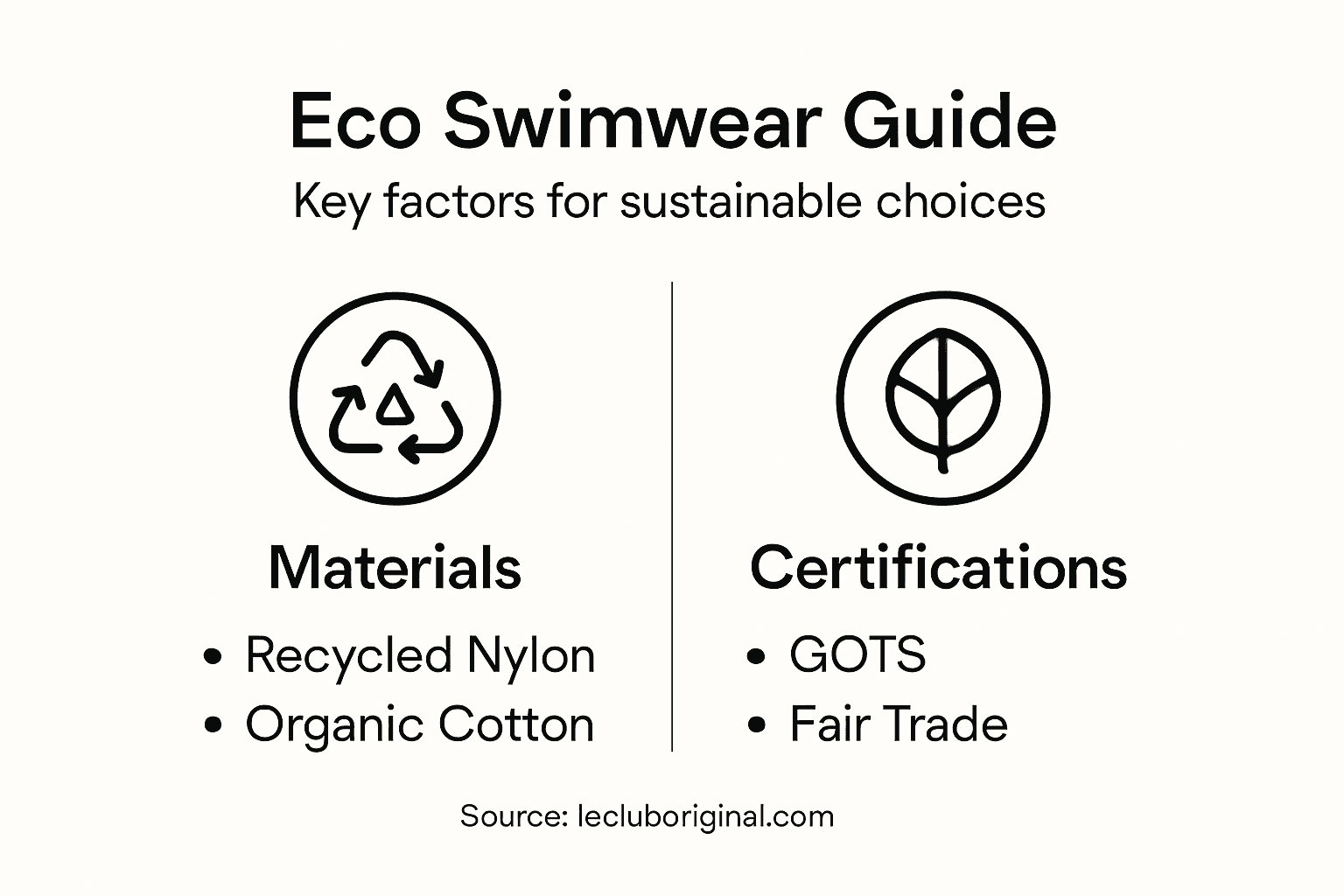
- Recycled materials: Ocean plastics, recycled polyester, or regenerated nylon reduce waste
- Natural fibers: Organic cotton, hemp, or linen grown without synthetic pesticides
- Innovative textiles: Recycled fishing nets or agricultural byproducts transformed into fabric
- Blends: Combinations that balance durability with environmental impact
Upcycled fabrics in swimwear specifically address ocean waste by converting discarded materials into functional garments. This approach appeals to fathers wanting tangible environmental impact with every purchase.

Here’s a quick guide to eco-friendly swimwear materials and their sustainability impact:
| Material Type | Eco Benefit | Common Usage in Swimwear |
|---|---|---|
| Recycled polyester | Reduces landfill and ocean waste | Stretchy, durable fabrics |
| Regenerated nylon | Diverts fishing nets from oceans | Sleek swimsuits, rash guards |
| Organic cotton | Lowers chemical pesticide footprint | Comfort-focused designs |
| Hemp | Requires less water to grow | Swim trunks, cover-ups |
| Upcycled fabrics | Repurposes industry scrap | Limited edition swimwear |
Next, hunt for credible certifications. Ecolabels and voluntary environmental standards help identify products that meet specific sustainability criteria based on lifecycle assessments. Look for certifications like Global Organic Textile Standard (GOTS), Fair Trade, or B Corp status.
Know what each badge means. Some certifications evaluate only materials. Others examine the entire supply chain, labor practices, and chemical usage. The most comprehensive certifications assess multiple factors, not just one aspect of sustainability.
Here’s a summary of what top certifications actually guarantee:
| Certification | What It Covers | Significance for Buyers |
|---|---|---|
| GOTS | Organic fibers, supply chain | Ensures full material integrity |
| Fair Trade | Ethical labor, safe working | Supports worker rights |
| B Corp | Social/environmental performance | Assures broad sustainability |
| OEKO-TEX | Chemical safety in textiles | Reduces toxic residue exposure |
When researching brands, check their third-party verification. Legitimate certifications come from independent organizations, not self-imposed labels. If a company claims eco-friendliness but lacks verifiable certification, dig deeper before trusting the claim.
Credible certifications provide transparent, verified information that cuts through greenwashing and guides you toward genuinely sustainable choices.
Pro tip: Create a simple comparison sheet of three to five brands you’re considering, noting their materials, certifications, and price points. This visual reference makes it easier to spot which brands truly align with your eco priorities and budget.
Step 3: Compare reputable brands and product features
With certifications decoded, it’s time to evaluate actual brands and their products side by side. This is where your priorities from Step 1 become your comparison checklist. You’re looking for the intersection of style, sustainability, and practicality.
Start by identifying which brands align with your values. Research sustainable swimwear brands that prioritize recycled fabrics, ethical manufacturing, and stylish designs. Read customer reviews focused on fit, durability, and how the swimwear actually performs in water.
Create a simple comparison table for three to five brands you’re considering. Include these key features:
- Material composition: Percentage of recycled content or certified organic fibers
- Certifications: GOTS, Fair Trade, B Corp, or other verified labels
- Design options: Do they offer sizes for both you and your son?
- Price point: Cost per item and any bulk discounts
- Durability claims: How many wears before fading or wear
- Care requirements: Will washing impact the fabric’s eco-credentials?
Don’t just scan product descriptions. Look at actual customer feedback about longevity. Eco-conscious fathers know that a cheap swimsuit replaced annually wastes more resources than a durable piece kept for years. A premium price point only makes sense if the garment lasts significantly longer.
Check if brands offer transparent supply chain information. Companies committed to sustainability typically detail where materials come from and how workers are treated. Vague or missing information is a red flag.
Comparing brands side by side reveals which companies genuinely invest in sustainability versus those simply riding the trend.
Pro tip: Look for brands offering size ranges for both adults and children so you can coordinate with your son. Matching eco-friendly styles creates a family commitment to sustainability and makes beach days more intentional.
Step 4: Verify eco claims and product quality before buying
Before you checkout, take time to verify that eco claims are legitimate and the product quality justifies the investment. Greenwashing is rampant in sustainable fashion, so skepticism serves you well here.
Start by cross-referencing brand claims against actual certifications. A company claiming “eco-friendly” without third-party verification is making a marketing statement, not a promise. Look for recognized seals from organizations you researched in Step 2. Verifying environmental claims through recognized ecolabels protects you from misleading marketing and ensures authenticity.
Check these verification steps:
- Find the certification logos on product pages and verify them on the certifying organization’s website
- Read the fine print: What percentage of the product is certified? Are only some materials sustainable?
- Look for transparency reports: Reputable brands publish sustainability reports detailing their environmental impact and improvements
- Cross-check material claims: If they say “recycled polyester,” confirm the percentage and source
- Scan return policies: Quality products backed by strong guarantees show manufacturer confidence
Before purchasing, order samples or visit a physical retailer if possible. Feel the fabric weight and thickness. Does it seem durable enough to last years? Faded colors in photos compared to real products is another red flag.
Read recent customer reviews specifically about durability and fit accuracy. Real feedback reveals whether sizing runs small, if colors fade quickly, or if the material pills after a few washes. These details matter for evaluating true quality.
Authentic eco-swimwear requires verified certifications, transparent practices, and genuine product quality that lasts.
Pro tip: Before finalizing your order, email the brand with one specific question about their sustainable practices or material sourcing. Legitimate companies respond promptly and thoroughly, while greenwashers often ignore or provide vague answers.
Discover Stylish and Truly Sustainable Swimwear Today
Choosing eco swimwear that balances style, durability, and genuine sustainability can feel overwhelming. You want swim trunks for yourself and your son that meet your key goals: comfort, durability, recycled or organic materials, and verified certifications. You also want to avoid greenwashing and support brands that actively reduce ocean plastic pollution and prioritize fair labor.
At lecluboriginal.com, we understand these priorities and offer a curated collection of eco-friendly swim trunks designed for men and boys who care about style and the planet. Our swimwear uses recycled fabrics with proven environmental benefits. We proudly maintain transparent sustainability practices and certifications you can trust. Plus, you will find fashionable options perfect for beach days or pool time that reflect your commitment to quality and responsible consumption.
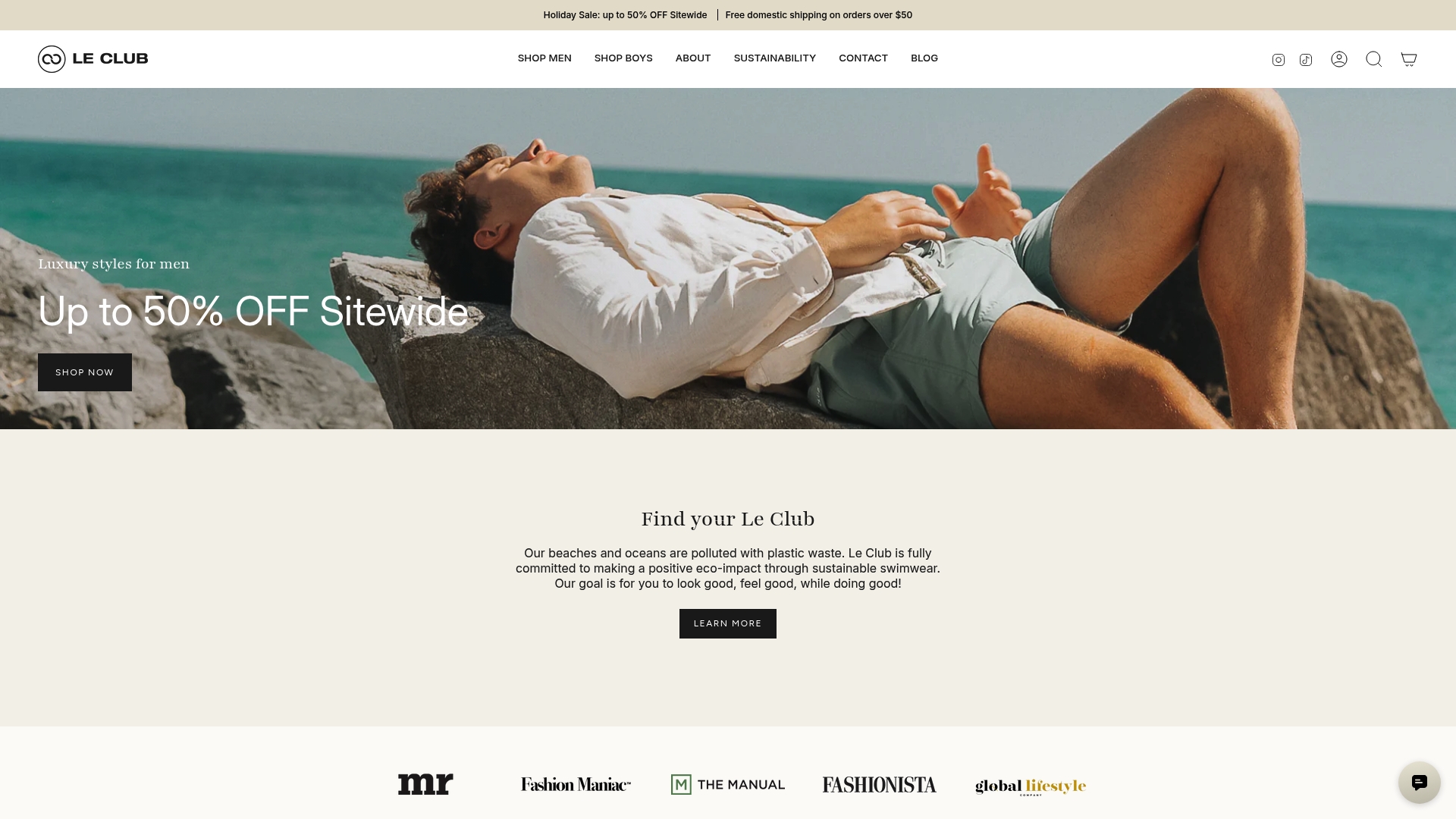
Ready to make your next swimwear purchase a conscious and confident choice? Explore our latest arrivals and best sellers to find your perfect match. Enjoy discounts up to 50% sitewide and free shipping on orders over $50. Start your eco-friendly swimwear journey now at lecluboriginal.com and join a community dedicated to style, sustainability, and a healthier ocean.
Frequently Asked Questions
How can I identify my swimwear needs and eco priorities?
Start by assessing your practical needs, such as the primary use of the swimwear, desired fit and comfort, and durability. Write down your top three needs and three eco priorities to create a personal shopping filter.
What materials should I look for in eco-friendly swimwear?
Seek swimwear made from recycled materials like ocean plastics and regenerated nylon, or natural fibers such as organic cotton and hemp. Research the specific fabric composition listed on product labels to ensure it aligns with your sustainability goals.
How do I evaluate the sustainability claims of different swimwear brands?
Check for credible certifications like Global Organic Textile Standard (GOTS) or Fair Trade on product labels. Verify these claims by cross-referencing the certification logos on brand websites to ensure they genuinely meet sustainability standards.
What key features should I compare when selecting eco-friendly swimwear?
Create a comparison table including material composition, certifications, design options, price point, durability claims, and care requirements. Focus on features that align with both your practical needs and eco priorities to find the best options.
Why is it important to verify eco claims before purchasing swimwear?
It is essential to confirm that eco claims are backed by legitimate certifications to avoid greenwashing. Take action by examining transparency reports and material claims to ensure that you’re making an informed purchase that supports sustainability.
Recommended
- Upcycled Fabrics in Swimwear: Reducing Ocean Waste – Le Club Original
- 6 Key Benefits of Eco-Friendly Beachwear for Men and Boys – Le Club Original
- B Corp Swimwear: Sustainable Fashion With Impact – Le Club Original
- What Is UPF Swimwear and Why It Matters – Le Club Original
- What Is Community-Driven Apparel and Why It Matters – ChillStitchApparel