

Most American swimwear is made from synthetic materials that can shed thousands of microplastic fibers with each swim or wash. For eco-conscious men who want both style and sustainability, these hidden environmental risks matter. If you care about plastic pollution and want smarter ways to support brands with responsible practices, this guide highlights solutions that help protect aquatic ecosystems while upgrading your swim attire.
Table of Contents
- Swimwear’s Role in Environmental Issues
- Traditional vs. Sustainable Swimwear Materials
- Manufacturing, Use, and Disposal Impact
- Microplastics and Ocean Pollution Concerns
- Benefits and Challenges of Eco Swimwear
- Making Informed Sustainable Choices
Key Takeaways
| Point | Details |
|---|---|
| Environmental Impact of Swimwear | Swimwear contributes significantly to microplastic pollution, particularly from synthetic materials, which pose risks to marine life and ecosystems. |
| Sustainable Material Choices | Consumers should prioritize swimwear made from recycled or organic materials to minimize environmental footprints. |
| Proper Care and Disposal | Extending swimwear lifespan through proper care and supporting recycling initiatives can significantly reduce waste. |
| Informed Purchasing | Evaluating a brand’s sustainability practices and material sources is crucial for making environmentally responsible swimwear choices. |
Swimwear’s Role in Environmental Issues
Swimwear has emerged as a surprising yet significant contributor to environmental pollution, particularly through microplastic contamination in aquatic ecosystems. Cutting-edge research from Arizona State University reveals that synthetic swimwear releases plastic fibers during recreational activities, dramatically increasing microplastic levels in freshwater environments.
The environmental impact extends beyond initial production. Synthetic materials like polyester and nylon, commonly used in swimwear manufacturing, are derived from petroleum-based sources and do not biodegrade. When these garments are worn and washed, they shed microscopic plastic particles that enter water systems, potentially harming marine life and entering the broader food chain. Sustainability research highlights that performance swimwear faces significant lifecycle challenges, including fabric degradation and limited consumer awareness about environmental consequences.
Consumers can mitigate these environmental risks by making more conscious swimwear choices. Prioritizing brands that use recycled materials, selecting high-quality swimwear designed for durability, and properly caring for garments can significantly reduce microplastic shedding. Some innovative manufacturers are now developing swimwear from regenerated nylon made from recovered fishing nets and other ocean plastics, transforming potential waste into functional, stylish swimwear.
Pro tip: When purchasing swimwear, look for brands that use recycled or regenerative materials and provide clear information about their sustainability practices.
Traditional vs. Sustainable Swimwear Materials
Traditional swimwear materials have long been dominated by synthetic polymers like polyester, nylon, and elastane, which offer durability and stretch but come with significant environmental drawbacks. Emerging sustainable materials are revolutionizing the swimwear industry by introducing innovative alternatives that dramatically reduce environmental impact while maintaining performance.
Recycled materials are at the forefront of sustainable swimwear innovation. Manufacturers are now transforming waste like discarded fishing nets and plastic bottles into high-performance fabrics such as ECONYL regenerated nylon and Repreve fibers. Advanced material science techniques have enabled these sustainable fibers to match traditional synthetics in elasticity, durability, and resistance to chlorine and UV damage. These materials not only provide excellent performance but also help reduce ocean pollution and decrease reliance on virgin petroleum-based resources.
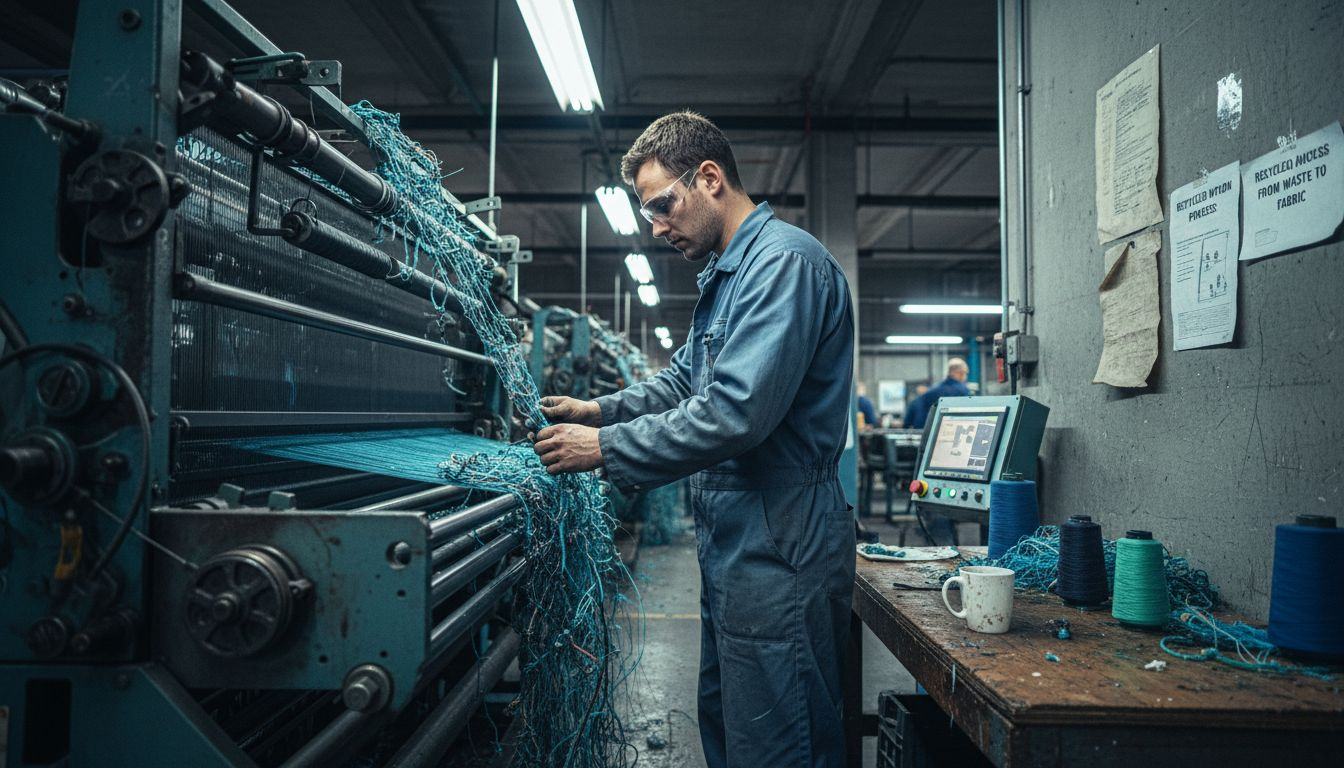
Beyond recycled synthetics, sustainable swimwear is exploring natural and organic alternatives like organic cotton and hemp. These materials offer lower environmental footprints, reduced water consumption during production, and biodegradability. By choosing swimwear made from these innovative materials, consumers can actively participate in reducing the fashion industry’s environmental burden while still enjoying high-quality, stylish swim attire.
Pro tip: When shopping for swimwear, look for specific sustainability certifications and materials like ECONYL, Repreve, or organic fibers to ensure you’re making an environmentally conscious choice.
Here’s a comparison of traditional and sustainable swimwear materials:
| Material Type | Key Source Material | Environmental Impact | Biodegradability |
|---|---|---|---|
| Polyester/Nylon | Virgin petroleum | High resource use, pollution | Not biodegradable |
| Recycled Synthetics | Ocean plastic, fishing nets | Reduced pollution, less oil use | Limited, depends on blend |
| Organic Cotton | Sustainable agriculture | Low water, fewer chemicals | Biodegradable |
| Hemp | Renewable plant fiber | Low resource, fast-growing | Biodegradable |
Manufacturing, Use, and Disposal Impact
Swimwear’s environmental footprint extends far beyond its initial production, encompassing complex interactions between manufacturing processes, material performance, and end-of-life disposal. Ultraviolet aging and material degradation play critical roles in determining the overall sustainability of swimwear, with environmental stressors like chlorinated water and sunlight significantly impacting fabric longevity and performance.
The manufacturing phase introduces substantial environmental challenges, particularly in traditional synthetic swimwear production. Petroleum-based materials require extensive energy consumption and generate significant carbon emissions during creation. Moreover, swimwear durability research reveals that material performance decreases rapidly with exposure to harsh environments, leading to premature replacement and increased waste generation. This accelerated degradation means consumers often discard swimwear after limited use, creating a cycle of continuous production and disposal that strains environmental resources.
Disposal represents another critical environmental concern for swimwear. Synthetic materials can take hundreds of years to decompose, with many ending up in landfills or marine environments. Innovative recycling programs and circular economy approaches are emerging as potential solutions, encouraging manufacturers to design swimwear with end-of-life recyclability in mind. By developing materials that can be easily broken down, repurposed, or regenerated, the swimwear industry can significantly reduce its long-term environmental impact.
Pro tip: Choose swimwear made from materials designed for longevity and eventual recyclability to minimize your personal environmental footprint.
This table summarizes strategies for reducing swimwear’s environmental impact:
| Strategy | How It Helps | Example Action |
|---|---|---|
| Material Selection | Cuts pollution, reduces waste | Choose recycled fabrics |
| Proper Garment Care | Increases swimwear lifespan | Gentle washing, air dry |
| End-of-Life Recycling | Lowers landfill burden | Use brand take-back programs |
| Performance Innovation | Less frequent replacement | Buy durable, UV-resistant swimwear |
Microplastics and Ocean Pollution Concerns
Microplastic pollution has emerged as a critical environmental challenge, with synthetic swimwear playing a surprisingly significant role in contaminating aquatic ecosystems. Synthetic fiber shedding research reveals that recreational activities involving swimwear can release substantial quantities of microplastic fibers into freshwater and marine environments, expanding our understanding of pollution sources beyond traditional industrial waste streams.
Traditional petroleum-based swimwear materials are particularly problematic, continuously releasing microscopic plastic particles during washing and wear. These tiny fragments accumulate in marine ecosystems, posing severe risks to marine life and potentially entering the global food chain. Sustainable swimwear strategies are emerging as a critical solution, with manufacturers exploring recycled plastics and natural fibers that significantly reduce microplastic generation and help mitigate ocean pollution.
The environmental impact extends beyond immediate pollution. Microplastics can persist in marine environments for decades, breaking down into ever-smaller particles that bioaccumulate through marine food webs. This long-term contamination affects marine biodiversity, disrupts ecological balance, and potentially introduces harmful chemical compounds into marine organisms. Consumers and manufacturers alike are increasingly recognizing the urgent need to develop and support innovative swimwear technologies that minimize microplastic release.
Pro tip: Wash your synthetic swimwear in specialized microfiber-catching laundry bags to reduce microplastic pollution during cleaning.
Benefits and Challenges of Eco Swimwear
Eco swimwear represents a complex landscape of environmental innovation, balancing meaningful sustainability goals with practical manufacturing challenges. Sustainable swimwear market trends reveal a dynamic industry where environmental consciousness meets technological advancement, offering consumers increasingly sophisticated alternatives to traditional petroleum-based swimwear.
The primary benefits of eco swimwear include significant reductions in environmental footprint through innovative material sourcing, ethical production practices, and enhanced durability designed to combat fast fashion waste. These garments typically utilize recycled plastics, regenerated nylon, and organic fibers that minimize resource extraction and reduce overall carbon emissions. However, substantial challenges persist, including higher production costs, complex supply chain logistics, and the ongoing need to maintain performance standards comparable to conventional swimwear materials.
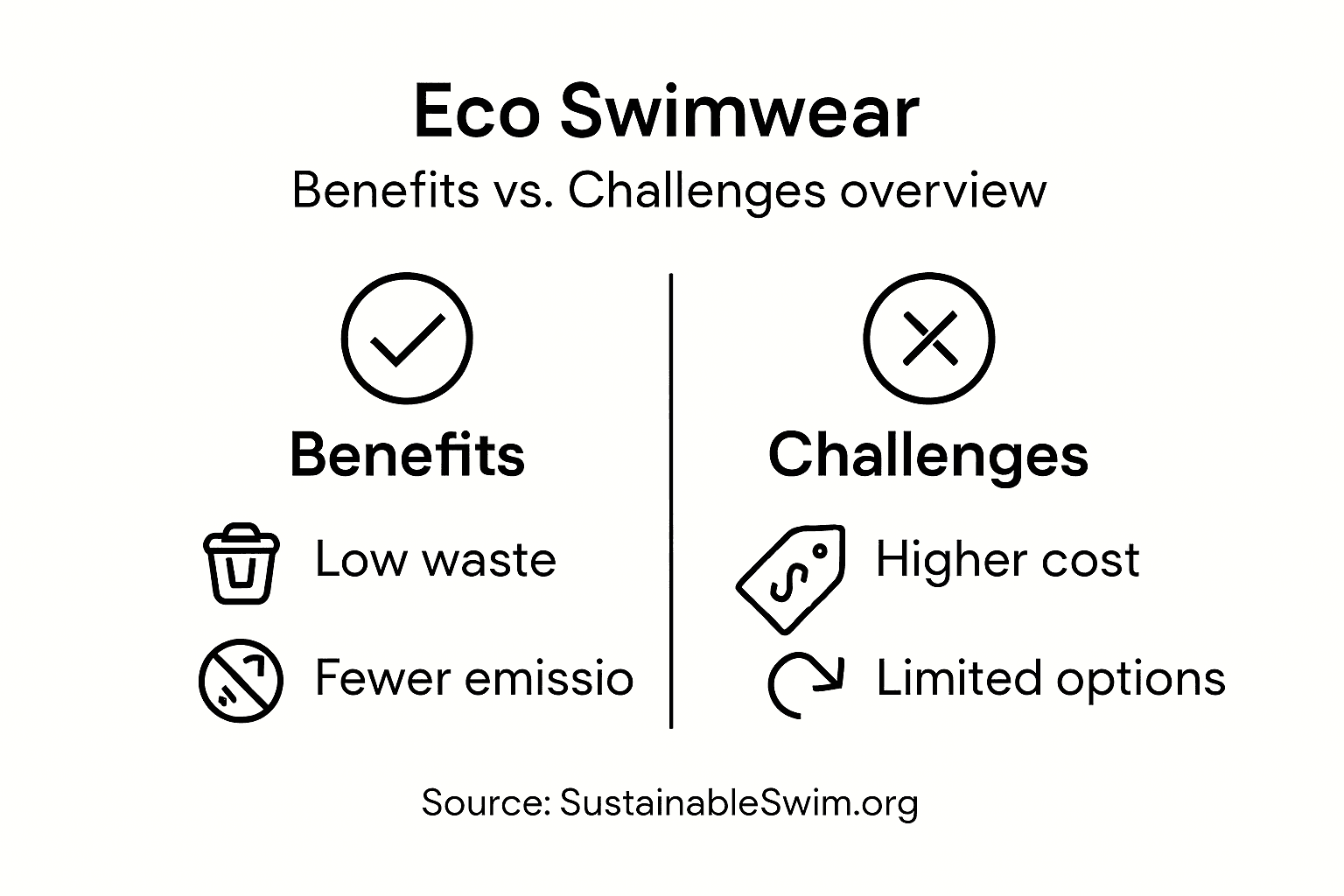
Technological innovations are progressively addressing these challenges, with manufacturers developing advanced fabric technologies that simultaneously optimize environmental impact and performance characteristics. Sustainable manufacturing strategies now focus on circular economy models, exploring end-of-life recycling solutions and developing more sophisticated approaches to material regeneration. These efforts aim to create a holistic approach to swimwear production that minimizes waste, reduces chemical usage, and supports more responsible consumer choices.
Pro tip: Research brands that provide transparent information about their material sourcing and manufacturing processes to make truly sustainable swimwear purchases.
Making Informed Sustainable Choices
Making truly sustainable swimwear choices requires a comprehensive understanding that goes beyond surface-level marketing claims. Consumer sustainability strategies emphasize the importance of evaluating material composition, production transparency, and the overall lifecycle impact of swimwear before making a purchase.
Key considerations for informed sustainable choices include carefully examining material origins, understanding eco-certifications, and assessing a brand’s genuine commitment to environmental responsibility. Consumers should look for specific indicators such as recycled or biodegradable materials, transparent manufacturing processes, and clear documentation about the garment’s environmental footprint. Holistic sustainability evaluation involves understanding not just the materials used, but also the broader implications of production, including water usage, chemical treatments, labor practices, and potential end-of-life disposal strategies.
Beyond material selection, sustainable swimwear choices involve thoughtful garment care and usage. Proper maintenance can significantly extend a swimwear item’s lifecycle, reducing the need for frequent replacements and minimizing overall environmental impact. This includes gentle washing techniques, avoiding harsh chemicals, protecting garments from excessive sun and chlorine exposure, and understanding the specific care requirements of eco-friendly materials that might differ from traditional synthetic fabrics.
Pro tip: Always research and verify a brand’s sustainability claims by checking third-party certifications and detailed environmental impact reports.
Choose Swimwear That Protects Our Oceans Today
The article reveals the urgent environmental challenge posed by traditional synthetic swimwear shedding microplastics and harming aquatic ecosystems. If you want to make a real difference in reducing plastic pollution while staying fashionable, it starts with choosing swimwear made from recycled and sustainable materials that support ocean health and atmospheric sustainability. At Le Club Original, we understand your need for durable, eco-friendly swim trunks designed to minimize microplastic release and support circular economy principles.

Discover our curated collection of stylish, sustainable swimwear crafted with regenerated nylon and organic fibers. Act now to join a community committed to protecting the environment without compromising style. Explore our best sellers and seasonal sales featuring discounts up to 50% at Le Club Original. Make your purchase count with free shipping on orders over $50. Visit us today to embrace swimwear that reflects your values and helps safeguard marine life.
Frequently Asked Questions
What is the environmental impact of traditional swimwear materials?
Traditional swimwear materials like polyester and nylon are petroleum-based and do not biodegrade, leading to significant pollution and resource extraction during production. They shed microplastic fibers during washing, which can contaminate aquatic ecosystems.
How can consumers reduce the environmental impact of swimwear?
Consumers can reduce their environmental impact by choosing swimwear made from recycled materials, selecting durable items that extend their lifecycle, and properly caring for garments to minimize microplastic shedding.
What are some sustainable alternatives to traditional swimwear materials?
Sustainable alternatives include recycled materials such as ECONYL regenerated nylon and Repreve fibers, as well as natural options like organic cotton and hemp. These materials have a lower environmental footprint and are often biodegradable.
Why are microplastics from swimwear a concern for marine life?
Microplastics from swimwear can accumulate in marine ecosystems, posing risks to marine life and potentially entering the food chain. They can persist for decades and disrupt ecological balance, affecting biodiversity and introducing harmful chemicals into marine organisms.
Recommended
- 5 Reasons Why You Should Switch to Sustainable Swimwear – Le Club Original
- 5 Reasons Why You Should Switch to Sustainable Swimwear – Le Club Original
- Swim for a Cause: Beach Cleanup with The Surfrider Foundation – Le Club Original
- Swim for a Cause: Beach Cleanup with The Surfrider Foundation – Le Club Original
- Understanding Sustainable Fashion Essentials for Eco-Conscious Living – The Cork Store