

You’ve probably seen swimwear brands touting recycled materials, but here’s the catch. Many recycled fabrics still shed microplastics that harm marine life with every wash. Ocean-friendly textiles go beyond simple recycling to truly minimize ocean pollution through certified materials and sustainable production. This guide demystifies ocean-friendly fabrics so you can confidently choose swimwear and beachwear that protect our oceans while looking great on the beach.
Table of Contents
- Introduction To Ocean-Friendly Textiles
- Materials Used In Ocean-Friendly Swimwear
- Manufacturing Practices For Ocean-Friendly Textiles
- Certifications And Standards To Identify Ocean-Friendly Textiles
- Common Misconceptions About Ocean-Friendly Textiles
- Comparing Ocean-Friendly Textile Options
- How To Choose And Care For Ocean-Friendly Swimwear
- Explore Stylish Ocean-Friendly Swimwear At Le Club Original
- Frequently Asked Questions About Ocean-Friendly Textiles
Key takeaways
| Point | Details |
|---|---|
| Ocean-friendly textiles cut plastic pollution | Materials like ECONYL recycled nylon reduce ocean plastic use by up to 90% compared to virgin materials. |
| Certifications validate sustainability claims | GRS and OEKO-TEX certifications confirm recycled content, toxin-free production, and environmental responsibility. |
| Material choice affects ocean health | Recycled fibers cut new plastic use while biodegradable options like hemp and Tencel break down faster in marine environments. |
| Manufacturing processes matter equally | Closed-loop water systems and low-impact dyes prevent chemical runoff that threatens ocean ecosystems. |
| Balance durability with biodegradability | Longer-lasting swimwear reduces waste, but proper material selection ensures minimal ocean harm at end of life. |
Introduction to ocean-friendly textiles
Ocean-friendly textiles are fabrics manufactured with materials and processes that minimize harmful impacts on marine ecosystems. These textiles address a critical problem: conventional swimwear production generates microplastic pollution and chemical runoff that directly threaten ocean health. Every time you wash synthetic swimwear, tiny plastic fibers escape into waterways and eventually reach the ocean, where they harm marine life and contaminate food chains.
What makes a textile truly ocean-friendly? Several key attributes work together:
- Recycled content sourced from ocean waste or post-consumer materials
- Biodegradable fibers that break down naturally without leaving harmful residues
- Low-impact or natural dyes that eliminate toxic chemical discharge
- Sustainable manufacturing practices including water recycling and renewable energy
- Third-party certifications verifying environmental responsibility in swimwear production
The connection between textiles and swimwear environmental impact runs deeper than most people realize. Textile production accounts for significant water pollution, with dyeing and finishing processes releasing chemicals directly into rivers that flow to oceans. Ocean-friendly textiles tackle this problem at the source by using cleaner production methods and materials designed to reduce pollution throughout their lifecycle. Understanding these fundamentals helps you make informed choices about the swimwear you buy and wear.
Materials used in ocean-friendly swimwear
The materials in your swimwear determine its environmental footprint. Recycled nylon like ECONYL reduces ocean plastic pollution by up to 90% compared to virgin nylon by transforming abandoned fishing nets and other ocean waste into high-performance fabric. Recycled polyester offers similar benefits, diverting plastic bottles from landfills and oceans while requiring less energy to produce than new polyester.
Natural biodegradable fibers present a different approach to ocean protection:
- Hemp grows quickly without pesticides and breaks down naturally in marine environments
- Tencel (lyocell) comes from sustainably harvested wood pulp and biodegrades within weeks
- Organic cotton avoids toxic pesticides but requires significant water, making it less ideal for swimwear
- Bamboo fabric biodegrades readily though processing methods vary in sustainability
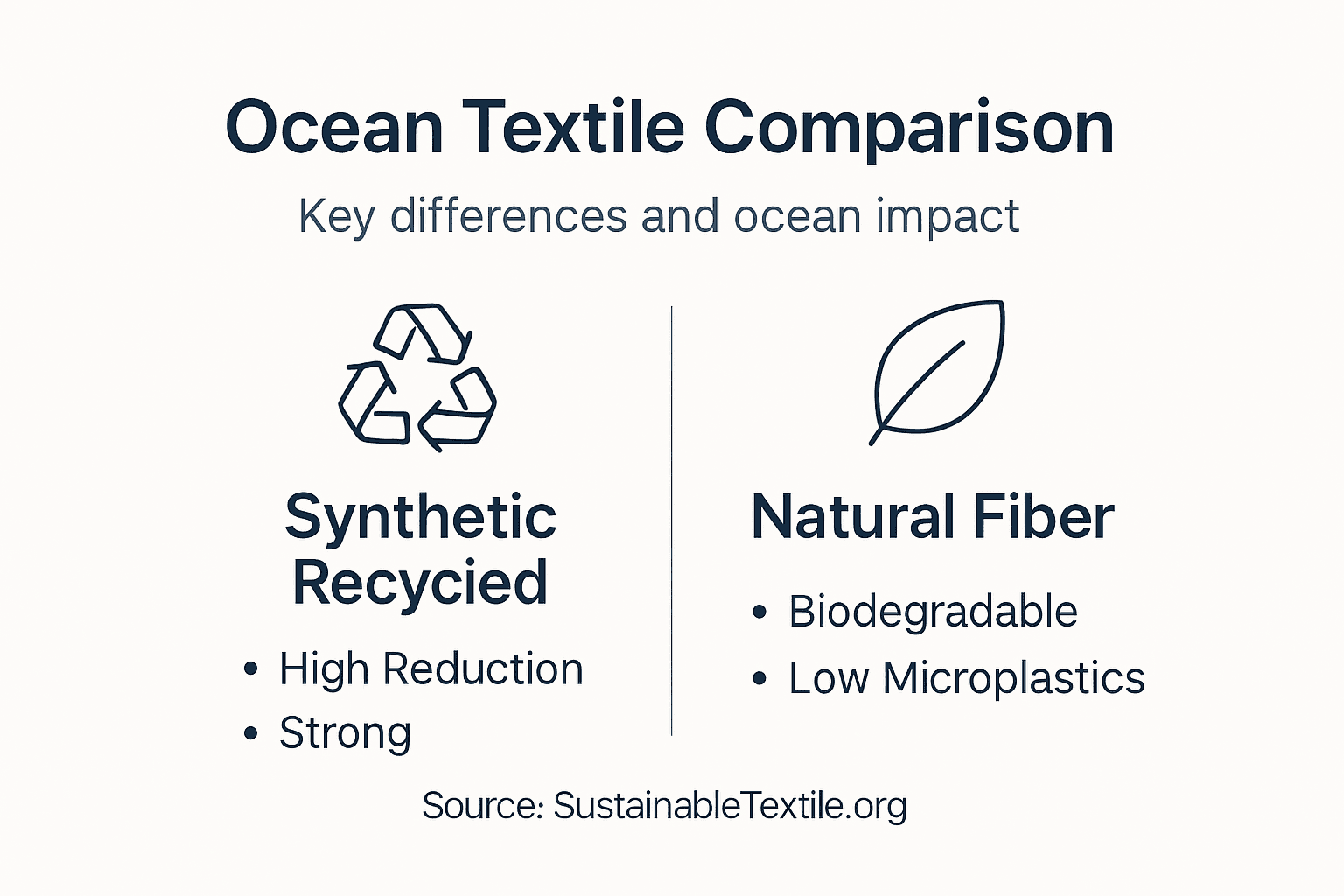
The choice between synthetic recycled and natural fibers involves trade-offs. Recycled synthetics like ECONYL deliver exceptional durability and chlorine resistance crucial for swimwear, making garments last years longer and reducing replacement waste. Natural fibers biodegrade faster but may lack the stretch and quick-dry properties swimmers need. Many brands now blend ocean-friendly clothing materials to balance performance with environmental benefits.

Pro Tip: Check if recycled synthetic swimwear includes fiber-trapping technology or recommend using a Guppyfriend washing bag to catch microfibers before they reach waterways, maximizing ocean protection.
Manufacturing practices for ocean-friendly textiles
How swimwear gets made matters as much as what it’s made from. Certified sustainable factories use closed-loop water systems and low-impact dyes to minimize ocean pollution throughout production. Closed-loop systems recycle and purify water continuously, saving millions of gallons per year while preventing contaminated water from entering rivers and oceans.
Low-impact dyes revolutionize textile coloring by eliminating heavy metals and toxic chemicals common in conventional dyeing:
- Natural plant-based dyes derived from indigo, madder root, and other botanicals
- Fiber-reactive dyes that bond permanently to fabric without harsh chemicals
- Digital printing technology that uses minimal water and precise dye application
- Solution dyeing that colors fibers before spinning, reducing water use by up to 90%
Sustainable manufacturing extends beyond water management. Factories committed to ocean protection invest in renewable energy, reduce carbon emissions, and implement strict chemical management protocols. These facilities earn eco-certifications in swimwear production by meeting rigorous environmental standards that protect both workers and marine ecosystems. The Global Recycled Standard verifies these practices through independent audits.
Pro Tip: Look for brands that publicly share their manufacturing partners and sustainability reports, demonstrating transparency and commitment to genuine ocean protection rather than greenwashing.
Certifications and standards to identify ocean-friendly textiles
Navigating sustainability claims requires understanding which certifications truly verify ocean-friendly practices. The Global Recycled Standard requires at least 20% recycled material with strict environmental and social criteria throughout the supply chain. GRS certification confirms that recycled content is accurately tracked from source to finished product while manufacturing meets responsible water, energy, and chemical standards.
OEKO-TEX certification provides complementary assurance by testing finished textiles for harmful substances:
- Tests for over 100 toxic chemicals including pesticides, heavy metals, and formaldehyde
- Ensures textiles are safe for human skin contact and won’t leach toxins into water
- Validates that production processes minimize environmental contamination
- Updates testing criteria annually as new chemical risks emerge
Other meaningful certifications include Bluesign for chemical management, Cradle to Cradle for circular design, and GOTS for organic fiber production. These labels represent third-party verification rather than self-proclaimed sustainability. When shopping for eco-certifications in swimwear, look for specific certification logos and registration numbers you can verify online through the Global Recycled Standard database and similar registries.
Consumers should treat certification absence as a red flag. Brands genuinely committed to ocean protection invest in verification because it builds trust and demonstrates accountability.
Common misconceptions about ocean-friendly textiles
Many eco-conscious shoppers fall into greenwashing traps by misunderstanding what makes textiles truly ocean-safe. Not all recycled polyester qualifies as ocean-friendly without verified recycled content, toxin-free processing, and measures to reduce microplastic shedding during garment use and washing. Some brands market recycled content while using harmful dyes or energy-intensive manufacturing that negates environmental benefits.
The organic label creates another misconception:
- Organic cotton avoids synthetic pesticides but requires enormous water resources
- Natural fiber production can generate significant carbon emissions from land use
- Up to 20% of ocean chemical runoff links to pesticide use in textile agriculture
- Organic certification doesn’t address microplastic pollution or manufacturing impacts
Biodegradable textiles sound promising but carry their own limitations. Fabrics labeled biodegradable may still shed microfibers if blended with synthetics or processed with non-biodegradable finishes. True biodegradability requires specific conditions like marine environments or industrial composting that may not match how you actually dispose of old swimwear.
“Understanding the full lifecycle impact of swimwear materials reveals that ocean-friendliness depends on certified processes, not just natural or recycled fiber content.”
The impact of textile agriculture on ocean pollution demonstrates why comprehensive evaluation matters more than single attributes like organic status.
Comparing ocean-friendly textile options
Different ocean-friendly materials suit different priorities and use cases. Recycled nylon reduces new plastic use by up to 90% with exceptional durability, while natural fibers biodegrade faster but may require design innovation to match swimwear performance needs. Understanding these trade-offs helps you choose materials aligned with your values and lifestyle.
| Material | Ocean Plastic Reduction | Durability | Biodegradability | Microplastic Risk |
|---|---|---|---|---|
| ECONYL Recycled Nylon | 90% less virgin plastic | Excellent (5-10 years) | Low (centuries) | Moderate with proper care |
| Recycled Polyester | 60% less virgin plastic | Very Good (3-7 years) | Low (centuries) | Moderate with proper care |
| Hemp | No plastic use | Good (2-5 years) | High (months) | Minimal |
| Tencel | No plastic use | Moderate (1-4 years) | High (weeks) | Minimal |
Lifecycle analysis reveals nuanced environmental footprints. Recycled synthetics save ocean plastic and require less energy than virgin fibers, but they don’t biodegrade and still shed some microfibers. Natural fibers avoid plastic entirely and break down harmlessly, but their cultivation demands land, water, and sometimes chemical inputs that impact ecosystems.
The durability versus biodegradability tension is real. Swimwear that lasts 10 years prevents waste from multiple replacements, but synthetic durability means eventual landfill persistence. Biodegradable swimwear reduces end-of-life ocean harm but may need replacement more often. Your ideal choice depends on usage patterns, with ocean-friendly clothing materials comparison helping clarify priorities.
Pro Tip: Consider owning fewer high-quality recycled synthetic pieces for frequent use and natural fiber options for occasional wear, balancing durability with biodegradability across your swimwear collection.
How to choose and care for ocean-friendly swimwear
Selecting genuinely ocean-friendly swimwear requires looking beyond marketing claims to verified credentials. Follow these steps to make confident purchases:
- Look for GRS, OEKO-TEX, and similar certifications displayed prominently with verifiable registration numbers you can check online.
- Balance your design priorities with sustainability goals by considering how often you’ll wear the piece, required durability, and preferred fiber type based on the comparisons above.
- Read detailed product descriptions for transparency about fiber sources, manufacturing locations, and specific environmental initiatives the brand supports.
- Choose brands that demonstrate comprehensive commitment through supply chain transparency, not just single eco-friendly attributes.
Proper care extends swimwear life while minimizing environmental impact:
- Rinse immediately after swimming to remove salt, chlorine, and sunscreen that degrade fibers and require more frequent washing.
- Wash swimwear sustainably using cold water, which reduces energy use and fiber shedding compared to hot water.
- Air dry flat or hanging to maintain elasticity and avoid the high heat of dryers that damages fibers and shortens garment life.
- Use a Guppyfriend washing bag or similar microfiber filter when machine washing to trap plastic fibers before they enter waterways.
- Avoid harsh detergents and fabric softeners that contain chemicals harmful to marine life and can compromise fabric performance.
Pro Tip: Hand washing in cold water with gentle, biodegradable soap provides the most ocean-friendly cleaning method while maximizing your swimwear’s lifespan, sometimes doubling wearable years compared to machine washing.
Explore stylish ocean-friendly swimwear at Le Club Original
Ready to put your ocean-friendly textile knowledge into action? Le Club Original curates a collection of top sustainable swimwear crafted from certified materials like ECONYL recycled nylon and Tencel that deliver on both style and environmental protection. Every piece balances the durability you need for seasons of wear with verified sustainability that genuinely reduces ocean pollution.

Our sustainable fabrics for swimwear cut carbon footprints by 60% compared to conventional options while maintaining the comfort, fit, and vibrant colors you expect from premium beachwear. We provide detailed care guides and washing tips with every purchase to help you maximize garment life and minimize environmental impact. Shop with confidence knowing your style choices actively support ocean health and marine conservation.
Frequently asked questions about ocean-friendly textiles
What does ocean-friendly textile mean?
Ocean-friendly textile refers to fabrics made with materials and processes that minimize harm to marine ecosystems. This includes using recycled ocean plastics, biodegradable natural fibers, toxin-free dyes, and manufacturing methods that prevent chemical pollution from entering waterways that flow to oceans.
How can I tell if swimwear is truly ocean-friendly?
Look for eco-certifications like Global Recycled Standard or OEKO-TEX that verify recycled content and toxin-free production. Check for transparent information about fiber sources, manufacturing practices, and specific environmental initiatives rather than vague sustainability claims.
Are biodegradable textiles better than recycled ones for the ocean?
Neither option is universally better because each addresses different ocean threats. Biodegradable fibers like hemp break down naturally without leaving microplastics, while recycled synthetics like ECONYL prevent new ocean plastic and offer superior durability that reduces replacement waste. Your ideal choice depends on balancing immediate microplastic reduction with long-term garment longevity.
How should I care for ocean-friendly swimwear to protect oceans?
Rinse immediately after use, wash in cold water with gentle biodegradable soap, and air dry to extend garment life. Use a Guppyfriend bag or microfiber filter when machine washing to capture plastic fibers before they reach waterways. Proper care doubles swimwear lifespan while minimizing microplastic pollution.
Do certifications like GRS and OEKO-TEX guarantee ocean safety?
These certifications verify specific environmental and safety criteria like recycled content and toxin-free production, providing strong indicators of ocean-friendly practices. However, complete ocean safety also requires proper garment care and eventual responsible disposal, so certifications represent important verification within a broader sustainability approach.