

Every time you wash conventional swimwear, it can release up to 700,000 microfibers into waterways, directly harming the oceans you love. Sustainable swimwear fabrics offer a solution without sacrificing the style or durability you need for your beach adventures. This guide clarifies which eco-friendly materials truly deliver environmental benefits, how they perform in real conditions, and practical care tips to maximize their lifespan.
Table of Contents
- Introduction To Sustainable Fabrics In Swimwear
- Environmental Impact Of Traditional Fabrics
- Types Of Sustainable Fabrics Used In Swimwear
- Certifications And Provenance Of Sustainable Swimwear Fabrics
- Durability And Performance Of Sustainable Fabrics
- Common Misconceptions About Sustainable Swimwear Fabrics
- Caring For Sustainable Swimwear To Maximize Longevity
- Conclusion: Choosing Stylish And Environmentally Responsible Swimwear
- Explore Sustainable Swimwear Collections At Le Club Original
Key Takeaways
| Point | Details |
|---|---|
| Carbon reduction | Sustainable fabrics cut carbon emissions by up to 60% compared to virgin materials. |
| Performance advantage | Recycled fibers resist chlorine damage better and retain elasticity longer than conventional fabrics. |
| Certification clarity | GOTS, OEKO-TEX, and GRS certifications verify authentic sustainability and chemical safety claims. |
| Care extends life | Cold water washing and proper storage reduce microfiber pollution while extending swimwear lifespan by 20-30%. |
| Natural fiber limits | Organic cotton and hemp offer biodegradability but absorb water and dry slowly, limiting swimwear performance. |
Introduction to Sustainable Fabrics in Swimwear
Sustainable fabrics minimize environmental damage through responsible material sourcing and manufacturing processes. Unlike traditional swimwear made from petroleum-based plastics, these materials prioritize ocean health and reduced pollution. Given that swimwear directly contacts water environments, choosing fabrics that shed fewer microplastics becomes critical.
Conventional swimwear fabrics create multiple environmental challenges:
- Microplastic release during washing contaminates marine ecosystems
- High carbon emissions from petroleum-based production processes
- Synthetic materials persist in landfills for hundreds of years
- Chemical treatments in manufacturing pollute waterways
Sustainable fabrics address these issues by using recycled ocean plastics, organic materials, or regenerated fibers that close the production loop. For eco-conscious consumers seeking vacation swimwear, these materials align personal style with environmental responsibility. Understanding sustainable swimwear fabrics helps you make informed choices that protect the beaches and oceans you visit.
Environmental Impact of Traditional Fabrics
Traditional nylon and polyester swimwear originates from crude oil extraction and refining. These petroleum-based plastics require energy-intensive manufacturing that generates substantial greenhouse gas emissions. The environmental cost extends far beyond production.
Microfiber Pollution Crisis: Each laundry cycle releases up to 700,000 microfibers from synthetic swimwear into water systems. These tiny plastic particles flow through wastewater treatment plants directly into oceans, where marine life ingests them. The accumulated microplastics enter food chains, affecting ecosystems and potentially human health.
Conventional fabric production creates additional environmental burdens:
- Virgin nylon manufacturing consumes 70,000 barrels of crude oil per 10,000 tons produced
- Polyester production generates 60% more carbon emissions than recycled alternatives
- Chemical dyes and treatments contaminate water sources near manufacturing facilities
- Discarded swimwear takes 200+ years to decompose in landfills
Switching to recycled nylon reduces carbon emissions by up to 60% compared to virgin materials. This significant reduction comes from eliminating crude oil extraction and reducing energy requirements in production. Understanding what makes swimwear sustainable empowers you to choose options that genuinely minimize ocean pollution while maintaining the performance you need.
Recycled swimwear fabrics cut carbon footprints by 60% while delivering superior chlorine resistance and durability.
Types of Sustainable Fabrics Used in Swimwear
Sustainable swimwear relies on several innovative materials, each with distinct environmental advantages and performance characteristics.
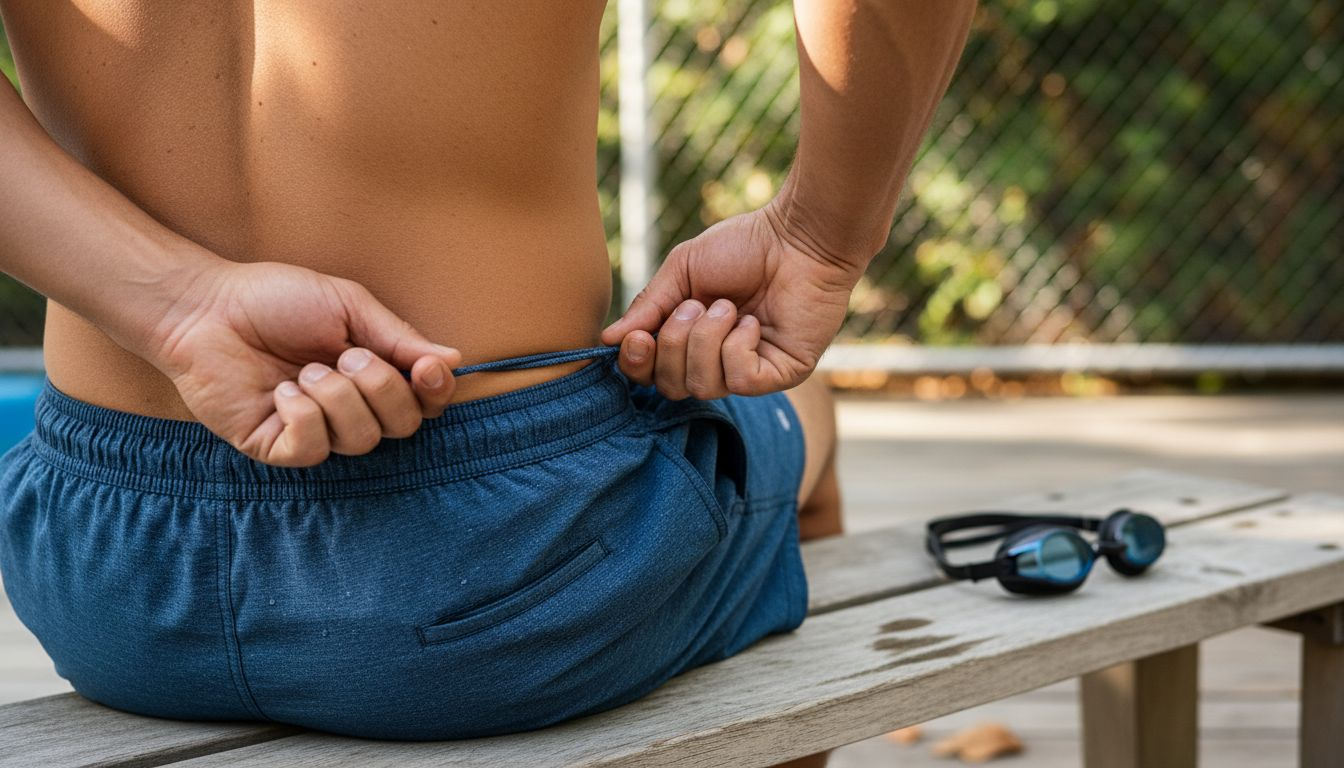
ECONYL® Regenerated Nylon: This fabric transforms discarded fishing nets, carpet scraps, and industrial plastic waste into high-performance swimwear material. ECONYL® reduces crude oil use by 70,000 barrels per 10,000 tons produced while offering exceptional stretch and durability. The material can be recycled infinitely without quality loss, embodying circular economy principles. ECONYL® resists chlorine damage, maintains shape through repeated wear, and dries quickly for active beach lifestyles.
REPREVE® Recycled Polyester: Created from post-consumer plastic bottles, REPREVE® diverts waste from landfills and oceans. This fabric provides UV resistance, moisture-wicking properties, and color retention that rivals virgin polyester. Production uses 45% less energy and 20% less water compared to conventional polyester manufacturing. REPREVE® maintains elasticity through numerous swim sessions and washing cycles.
Natural Fiber Alternatives: Organic cotton and hemp offer biodegradability and renewable sourcing. However, natural fibers absorb water and dry slower, limiting their application in performance swimwear. These materials work better in board shorts, cover-ups, and casual beachwear where quick-drying properties matter less.
| Fabric Type | Key Benefit | Best Application | Limitation |
|---|---|---|---|
| ECONYL® | 70,000 barrel oil savings per 10,000 tons | Performance swim trunks | Higher initial cost |
| REPREVE® | 45% less production energy | UV-resistant swimwear | Slight texture variation |
| Organic Cotton | Fully biodegradable | Casual board shorts | Slow drying time |
| Hemp Blends | Renewable and durable | Beach cover-ups | Limited stretch |
Pro Tip: Choose ECONYL® or REPREVE® fabrics for swimwear you’ll wear frequently in pools or oceans. Reserve natural fiber options for casual beachwear where performance demands are lower. Selecting the right eco fabric matches your activity level with environmental benefits.
Certifications and Provenance of Sustainable Swimwear Fabrics
Authentic sustainability requires third-party verification. Certifications cut through marketing claims to confirm genuine environmental and safety standards.
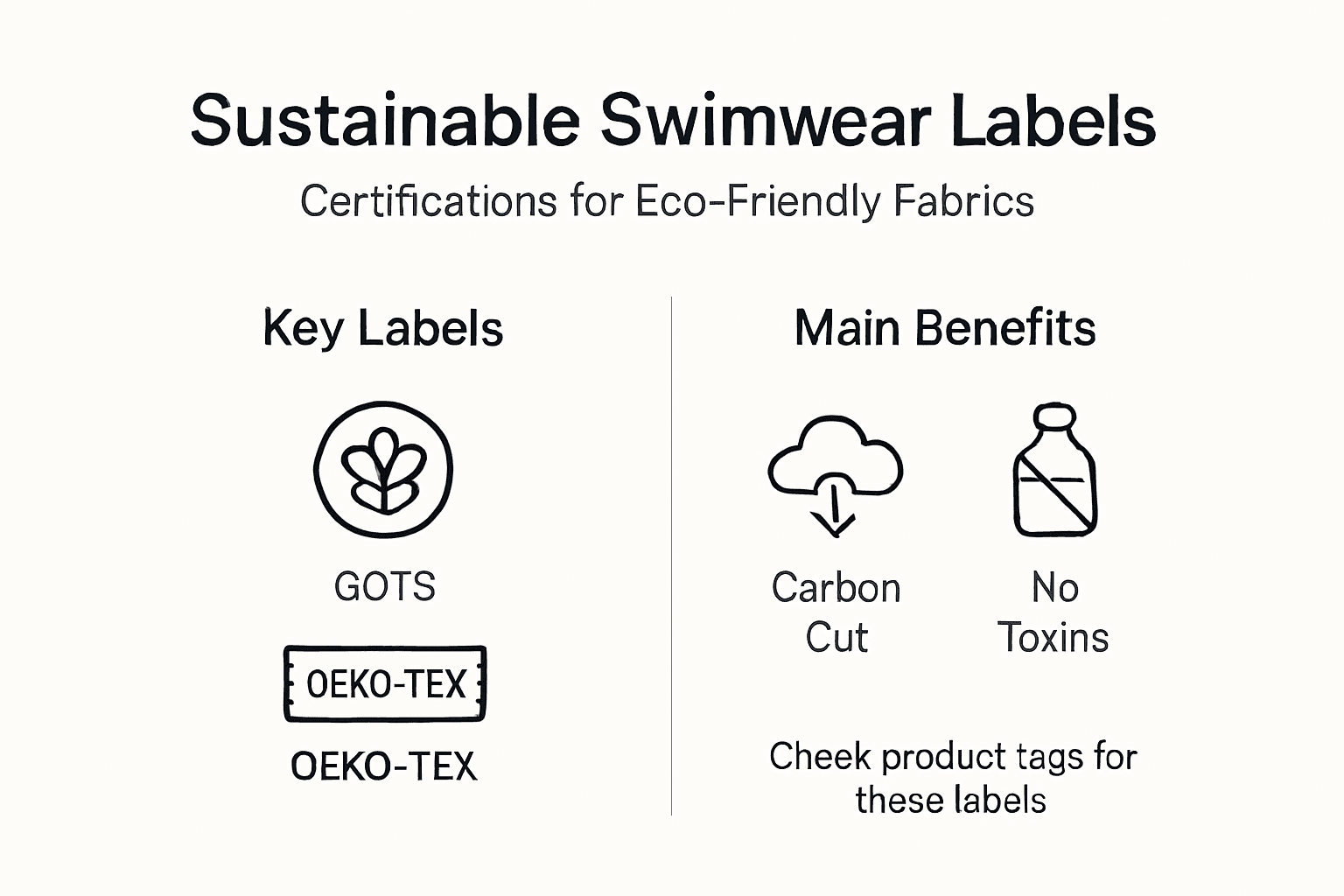
Global Organic Textile Standard (GOTS): This certification verifies organic fiber content and monitors environmental practices throughout production. GOTS requires strict wastewater treatment, prohibits harmful chemicals, and ensures fair labor conditions. Only products with 70%+ organic fibers qualify for GOTS certification.
OEKO-TEX® STANDARD 100: This independent testing system confirms textiles contain no harmful chemicals. OEKO-TEX certification ensures fabric safety for skin contact, particularly important for swimwear worn against bare skin for extended periods. Testing covers pesticides, heavy metals, formaldehyde, and other potentially toxic substances.
Global Recycled Standard (GRS): GRS tracks recycled content from source through final product. This certification verifies recycling claims, monitors chemical usage in processing, and confirms responsible manufacturing practices. GRS prevents greenwashing by requiring documentation at every production stage.
When shopping for sustainable swimwear, look for these certification labels on product tags or websites. Brands committed to authentic sustainability prominently display their certifications. Understanding eco-certifications helps you identify genuinely responsible products versus marketing rhetoric.
These standards protect consumers from misleading environmental claims while encouraging manufacturers to adopt truly sustainable practices.
Durability and Performance of Sustainable Fabrics
Sustainable swimwear fabrics frequently outperform conventional materials in critical durability metrics. This superior performance extends garment life, reducing overall environmental impact through fewer replacements.
Chlorine and UV Resistance: Recycled fibers resist chlorine damage longer than virgin synthetics. ECONYL® and REPREVE® maintain color vibrancy and fabric integrity through dozens of pool sessions. UV degradation, which weakens conventional fabrics, affects sustainable alternatives less severely.
Elasticity and Fit Retention: Sustainable fabrics maintain their shape better through repeated wearing and washing. This improved elasticity retention means your swimwear fits comfortably longer without sagging or stretching out. The enhanced performance comes from advanced fiber engineering that strengthens molecular bonds.
Durability improvements translate to tangible benefits:
- Swimwear lifespan extends by 20-30% compared to conventional options
- Fewer replacements needed reduces long-term costs and waste
- Better shape retention maintains style and comfort throughout garment life
- Enhanced chlorine resistance prevents fabric thinning and color fading
Pro Tip: Investing in durable eco-friendly swimwear with recycled fibers costs more initially but saves money over time through extended wear. Quality sustainable fabrics deliver better value than cheap conventional alternatives requiring frequent replacement.
Recycled swimwear fabrics extend garment lifespan by 20-30% through superior chlorine resistance and elasticity retention, reducing replacement frequency and environmental impact.
Common Misconceptions About Sustainable Swimwear Fabrics
Several persistent myths discourage consumers from choosing sustainable swimwear despite evidence contradicting these beliefs.
-
Sustainable fabrics sacrifice durability: This misconception stems from early eco-friendly products that prioritized environmental impact over performance. Modern sustainable swimwear delivers comparable or superior durability to conventional options. Recycled fibers often outlast virgin materials in chlorine resistance and shape retention.
-
Natural fibers always offer better sustainability: While biodegradable, natural fibers have performance limitations in swimwear applications. Cotton and hemp absorb water, dry slowly, and lose shape when wet. For active swimming, recycled synthetics provide better environmental outcomes through extended lifespan and reduced replacement frequency.
-
Eco-friendly swimwear compromises style and fit: Contemporary sustainable fabrics offer identical stretch, comfort, and silhouette to conventional materials. Advanced manufacturing techniques create recycled fibers that match virgin synthetic performance in every aesthetic dimension. You sacrifice nothing in style when choosing sustainable swimwear.
These misconceptions persist because early sustainable products genuinely had performance gaps. Today’s recycled and regenerated fabrics have closed those gaps completely. The evidence shows sustainable options frequently exceed conventional fabric performance while delivering significant environmental benefits.
Caring for Sustainable Swimwear to Maximize Longevity
Proper care extends your sustainable swimwear’s lifespan while minimizing environmental impact during use. Simple practices make significant differences.
-
Wash in cold water immediately after use: Cold water washing reduces microfiber shedding by 30-40% compared to hot water. Rinse saltwater, chlorine, and sunscreen off promptly to prevent fabric degradation. Hand wash when possible to minimize mechanical stress on fibers.
-
Avoid harsh detergents and heat drying: Use mild, eco-friendly detergents without optical brighteners or bleach. Never put swimwear in dryers; heat damages elastic fibers and accelerates breakdown. Air dry flat away from direct sunlight to preserve fabric integrity and color.
-
Rotate multiple swimsuits: Alternating between 2-3 suits gives fabrics time to recover elasticity between wears. This rotation extends each garment’s life while reducing wear concentration on a single piece.
-
Store properly in off-seasons: Keep swimwear in cool, dry places away from direct sunlight. Fold rather than hang to prevent stretching. Ensure garments are completely dry before storage to prevent mildew.
-
Rinse immediately after swimming: Don’t let chlorine or salt sit on fabric. Quick rinses remove chemicals before they bond with fibers and cause damage.
Pro Tip: Following comprehensive swimwear care practices can double your garment’s lifespan. Simple habits like cold water washing and immediate rinsing prevent most fabric degradation. Explore detailed sustainable washing techniques to maximize your investment.
Conclusion: Choosing Stylish and Environmentally Responsible Swimwear
Sustainable swimwear fabrics deliver measurable environmental benefits without compromising the style, fit, or performance you need for beach vacations. The evidence is clear:
- Recycled materials reduce carbon emissions by up to 60% compared to virgin synthetics
- ECONYL® and REPREVE® fabrics resist chlorine damage better and last 20-30% longer
- Proper certifications like GOTS, OEKO-TEX, and GRS guarantee authentic sustainability
- Simple care practices extend garment life while minimizing microplastic pollution
Your swimwear choices directly impact ocean health. Selecting fabrics made from recycled ocean plastics and fishing nets removes pollution while creating demand for circular economy solutions. Every sustainable purchase supports responsible manufacturing and reduces petroleum dependence.
Understanding sustainable swimwear fundamentals empowers you to make informed decisions aligned with your environmental values. The measurable benefits of recycled fabrics prove you can enjoy stylish, high-performance swimwear while protecting the environments you explore.
Make your next swimwear purchase count. Choose materials that support your active lifestyle and the planet’s future.
Explore Sustainable Swimwear Collections at Le Club Original
Ready to make the switch to eco-friendly swimwear without compromising style? Le Club Original offers curated collections of sustainable swim trunks crafted from recycled ocean plastics and responsibly sourced materials. Each piece combines fashion-forward design with genuine environmental benefits.

Discover sustainable swimwear options for pool enthusiasts that deliver chlorine resistance and durability. Follow expert care advice to maximize your swimwear investment. Learn more about our sustainability commitment and browse collections that match your eco-conscious values.
FAQ
What are sustainable fabrics in swimwear?
Sustainable swimwear fabrics minimize environmental impact through recycled or organic materials and responsible production processes. These materials reduce pollution, conserve resources like crude oil and water, and offer durability that decreases replacement frequency. Understanding sustainable swimwear helps you identify genuinely eco-friendly options.
Are sustainable swimwear fabrics as durable as conventional ones?
Sustainable fabrics typically outperform conventional options in chlorine resistance and elasticity retention. Recycled fibers resist damage better than virgin synthetics, extending swimwear lifespan by 20-30%. This superior durability reduces replacement needs and overall environmental impact. Explore durable eco swimwear options that deliver long-term value.
How can I care for sustainable swimwear properly?
Washing in cold water and air drying extends swimwear life while reducing microplastic shedding by 30-40%. Avoid harsh detergents, heat drying, and prolonged sun exposure. Rinse immediately after swimming to remove chlorine and salt. Follow comprehensive swimwear care guidelines to maximize garment longevity.
Do natural fibers work well in swimwear?
Natural fibers like organic cotton and hemp offer biodegradability but have performance limitations for active swimwear. These materials absorb water, dry slowly, and lose shape when wet. They work better in board shorts and cover-ups where quick-drying properties matter less. For performance swimming, recycled synthetics deliver better durability and environmental outcomes.
What certifications should I look for in sustainable swimwear?
GOTS certifies organic content and environmental practices, OEKO-TEX ensures chemical safety, and GRS verifies recycled material claims. These third-party certifications prevent greenwashing and confirm genuine sustainability. Look for certification labels on product tags or brand websites when shopping for eco-friendly swimwear.