

You invested in sustainable swimwear, but now it’s fading faster than expected or losing its stretch after just a few beach trips. Most people unknowingly damage their eco-friendly swim trunks through common care mistakes like hot water washing or machine drying. This guide reveals simple techniques that preserve both style and durability while staying true to your environmental values.
Table of Contents
- Introduction To Sustainable Swimwear Care
- Prerequisites: What You Need Before Starting
- Step 1: Eco-Friendly Washing Techniques
- Step 2: Drying And Preservation Methods
- Step 3: Usage Habits And Immediate Care
- Step 4: Storage And Handling
- Common Mistakes To Avoid
- Maintenance And Troubleshooting
- Expected Results And Outcomes
- Discover Eco-Friendly Swimwear At Le Club Original
- FAQ
Key takeaways
| Point | Details |
|---|---|
| Washing method | Cold water washing with biodegradable detergent preserves fabric life |
| Drying technique | Air drying in shade prevents fading and heat damage |
| Immediate care | Prompt rinsing after swimming reduces chlorine and salt damage |
| Storage practice | Avoid machine drying and wet storage in airtight containers |
| Maintenance routine | Inspect and repair damage early to extend swimwear lifespan |
Introduction to sustainable swimwear care
Sustainable swimwear represents a major shift from conventional beach apparel. These garments use innovative materials designed to reduce environmental impact while delivering performance.
Most eco-friendly swim trunks contain recycled polyester, organic nylon, or regenerated fibers like ECONYL. Each material offers unique benefits but shares common vulnerabilities. These fabrics respond poorly to harsh chemicals and excessive heat, requiring gentler handling than traditional swimwear.
Proper care directly impacts your environmental footprint. When you extend a garment’s life by even six months, you reduce the need for replacement production and minimize textile waste. This multiplier effect makes care routines as important as initial purchasing decisions.
Understanding your specific fabric type helps you tailor maintenance approaches:
- Recycled polyester resists chlorine better but fades in direct sunlight
- Organic nylon maintains elasticity longer with proper cold water care
- Regenerated fibers offer excellent durability but require immediate rinsing after saltwater exposure
- Blended fabrics combine benefits but need the most conservative care approach
Caring for sustainable swimwear aligns with broader eco-conscious lifestyle choices. You’re not just maintaining clothing; you’re actively participating in waste reduction and responsible consumption patterns.
Prerequisites: What you need before starting
Before diving into care routines, gather essential tools and knowledge. Proper preparation prevents damage and streamlines your maintenance process.
You’ll need access to cold water for all washing steps. Hot water breaks down elastic fibers and accelerates color fading in sustainable fabrics. A reliable cold water source protects your investment from the start.
Select mild, biodegradable detergent specifically formulated for synthetic fibers. These cleaners remove salt, chlorine, and body oils without stripping protective coatings or weakening fabric bonds. Conventional detergents often contain harsh surfactants that sustainable materials cannot tolerate.
Your drying setup matters significantly. Designate a shaded, well-ventilated area with either a drying rack or flat surface. Direct sunlight degrades recycled polyester rapidly, while poor ventilation encourages mold growth.
Always check care labels before first wash. Manufacturers provide specific guidance based on exact fiber blends and construction methods.
| Essential Item | Purpose | Why It Matters |
|---|---|---|
| Cold water source | Washing and rinsing | Preserves elasticity and color |
| Biodegradable detergent | Gentle cleaning | Protects delicate fibers |
| Shaded drying area | Air drying | Prevents UV damage |
| Care label reference | Proper technique | Ensures manufacturer recommendations |
Avoid bleach completely, as it destroys both synthetic and natural fibers irreversibly. Fabric softeners coat fibers and reduce moisture-wicking properties, defeating the performance features that make sustainable swimwear functional.
Step 1: Eco-friendly washing techniques
Washing frequency dramatically affects swimwear longevity. Many people overwash their swim trunks, creating unnecessary fabric fatigue. Reserve full washing for times when swimwear has visible soil or persistent odors.
Follow these washing steps for optimal results:
- Fill a clean basin with cold water only
- Add one teaspoon of biodegradable detergent per gallon of water
- Submerge swimwear and gently agitate by hand for two minutes
- Let soak for 10 minutes maximum
- Rinse thoroughly under cold running water until no soap remains
- Press water out gently without twisting or wringing
Cold water washing with biodegradable detergent preserves fabric elasticity and extends swimwear life significantly. The temperature differential alone accounts for most premature wear in eco-friendly fabrics.
If hand washing isn’t practical, select your machine’s delicate cycle. Place swimwear inside a mesh laundry bag to prevent snagging on zippers or drum components. Use the same cold water and mild detergent ratio, but reduce the amount since machines use less water.
Thorough rinsing removes detergent residues that attract dirt and break down fibers over time. Continue rinsing until water runs completely clear. Residual soap creates a sticky film that damages fabric structure during wear.
Avoid bleach and harsh chemicals to protect delicate swim fabrics from irreversible damage.
Pro Tip: Turn swimwear inside out before washing to protect outer colors and prints from friction damage during cleaning.
Step 2: Drying and preservation methods
Drying technique influences both appearance and structural integrity. Poor drying practices cause more damage than improper washing in most cases.
Always air dry swimwear using these methods. Lay swim trunks flat on a clean towel or mesh drying rack, smoothing out wrinkles gently. This prevents gravity from stretching wet elastic fibers. For hanging, fold over a padded hanger at the waistband rather than using clips that create stress points.
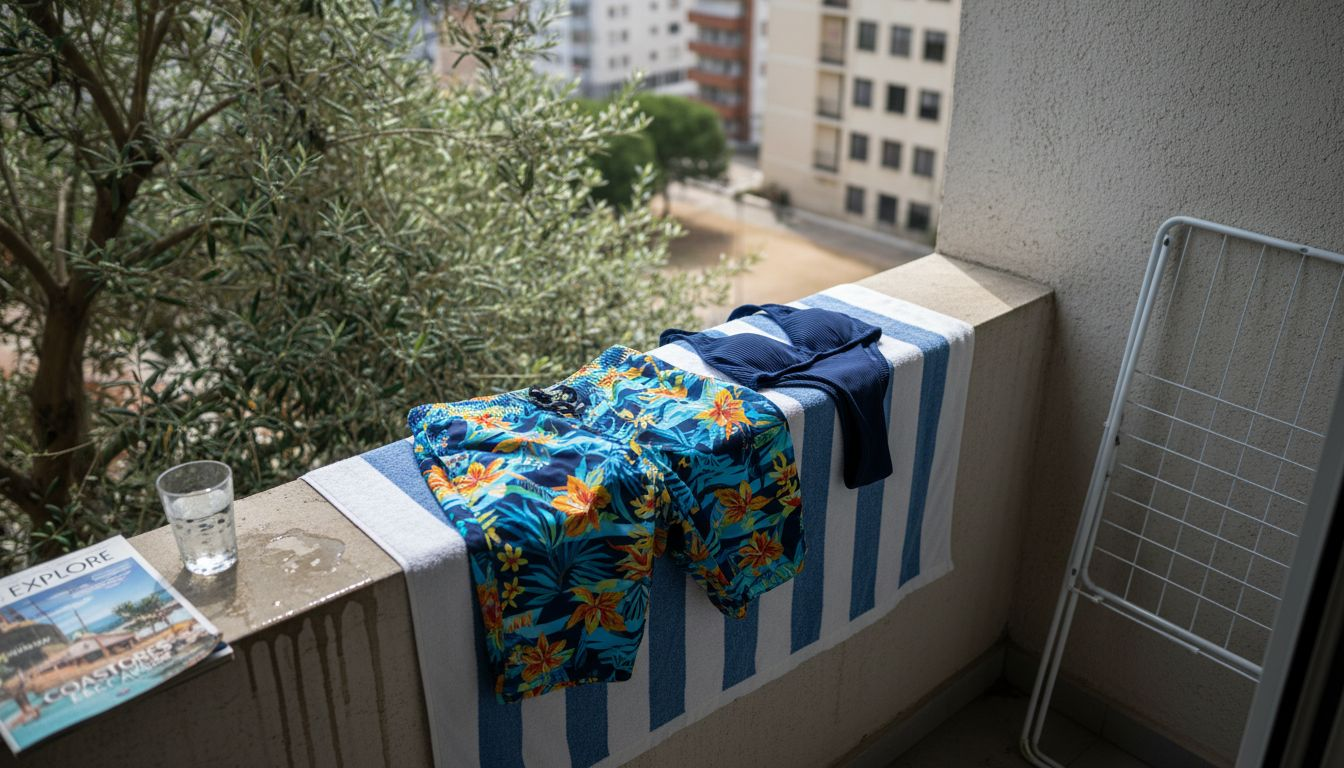
Shade selection matters enormously. Air drying swimwear in shaded areas prevents fading and fabric brittleness from UV exposure. Even brief direct sunlight sessions degrade recycled polyester’s molecular structure.
Machine dryers represent the single worst drying choice. High heat shrinks elastic, warps fabric weaves, and fades colors in minutes. The tumbling action also stresses seams and creates pilling on fabric surfaces.
Ventilation speeds drying while preventing musty odors and mold. Position your drying area near open windows or use a fan to maintain air circulation. Stagnant air around damp fabric creates ideal conditions for bacterial growth.
Key drying practices include:
- Check swimwear every few hours and reposition to ensure even drying
- Never place swimwear on radiators or heating vents
- Ensure complete dryness before storage by checking waistband and lining areas
- Avoid fabric refresher sprays that coat fibers and reduce stretch
Complete drying typically takes 8 to 12 hours depending on humidity levels. Patience during this phase prevents the majority of storage-related problems.
Pro Tip: Roll swimwear in a dry towel and press firmly to absorb excess water before air drying. This shortens drying time without damaging fibers.
Step 3: Usage habits and immediate care
What you do immediately after swimming determines how well your swimwear survives long term. Chemical exposure causes invisible damage that compounds with each wear.
Rinse swimwear with fresh water within 30 minutes of leaving pool water. Avoiding chlorine exposure by rinsing promptly reduces fabric deterioration rates dramatically. Chlorine continues breaking down fibers even after you remove the swimwear.
Saltwater requires equally prompt attention. Ocean water leaves salt crystals that act like tiny abrasives against fabric weaves. A thorough freshwater rinse removes these crystals before they cause friction damage during movement or storage.
Smart usage habits include:
- Change out of swimwear within one hour after swimming ends
- Rinse immediately rather than waiting until you return home
- Pack a small spray bottle for quick rinses when showers aren’t available
- Limit time sitting on rough surfaces like concrete or wooden docks
- Remove swimwear before applying sunscreen or insect repellent
“The difference between swimwear that lasts one season versus three seasons often comes down to those first 30 minutes after each swim. Immediate rinsing is your strongest defense against chemical damage.”
Most single-use sessions only need rinsing, not full washing. Body oils and light perspiration rinse away easily with fresh water. Save detergent washing for situations with visible soil or after multiple consecutive wears.
For additional guidance on maintaining beach apparel between wears, explore 7 essential tips for beachwear care that complement these swimwear-specific techniques.
Step 4: Storage and handling
Proper storage protects your investment during off-season periods and between wearing cycles. Poor storage decisions create problems that careful washing cannot fix.
Store completely dry swimwear flat or loosely rolled in breathable spaces. Folding creates permanent creases in elastic areas that weaken fabric over time. Rolling distributes pressure evenly across the garment.
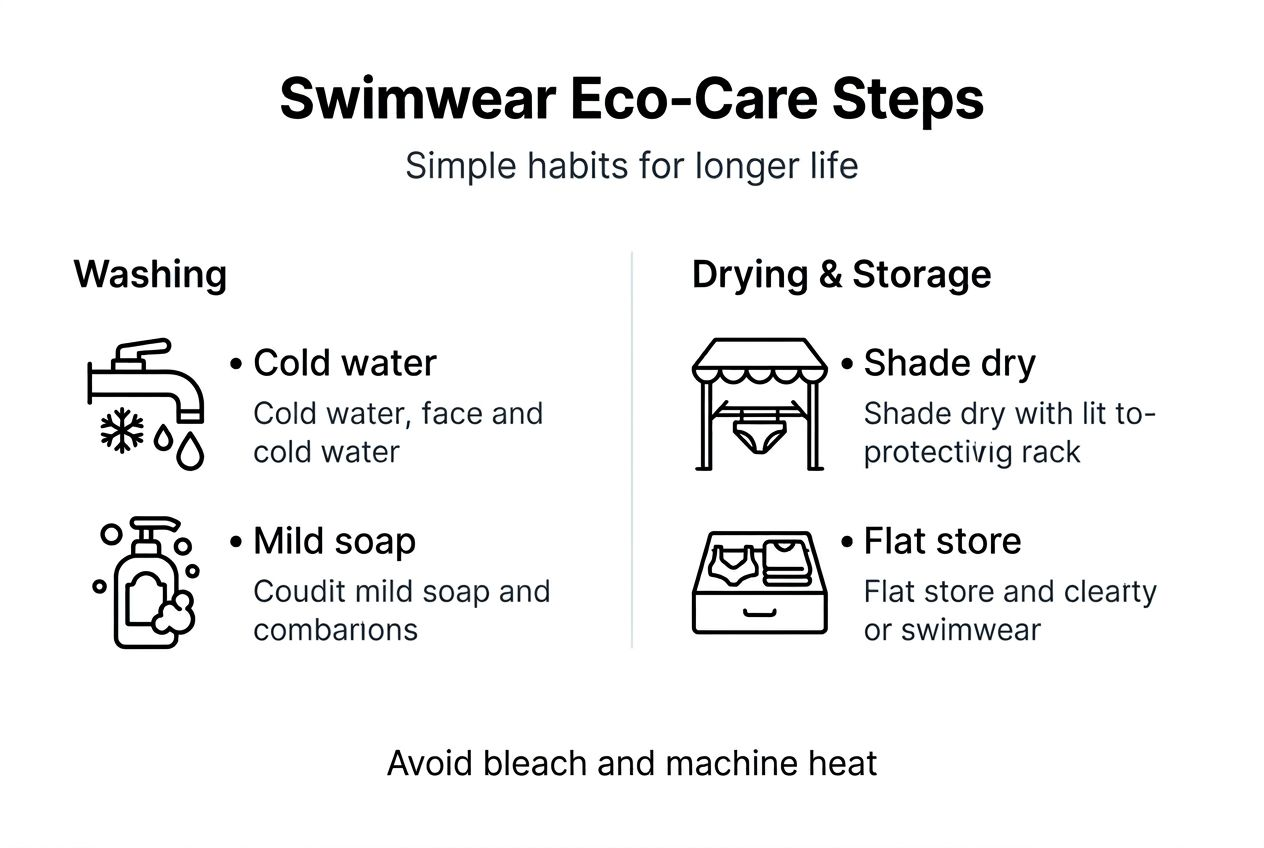
Wet storage represents a critical failure point. Storing wet swimwear in plastic leads to mold development and fabric damage within just two days. Mold spores permanently stain fabric and create health hazards.
For travel storage:
- Use mesh bags that allow air circulation
- Never seal wet swimwear in plastic bags or waterproof pouches
- Pack a separate wet bag with ventilation holes if needed
- Remove swimwear from travel bags immediately upon arriving home
Storage location affects longevity too. Avoid placing heavy items on top of stored swimwear, as sustained pressure deforms elastic waistbands. Keep storage areas cool and dry, away from direct heat sources.
| Storage Method | Impact on Lifespan | Best For |
|---|---|---|
| Flat in drawer | Excellent - no stress points | Daily rotation pieces |
| Loosely rolled | Very good - even pressure | Seasonal storage |
| Hanging by waistband | Fair - can stretch elastic | Short term only |
| Folded tightly | Poor - creates weak points | Never recommended |
Regular inspection during storage helps catch problems early. Check stored swimwear monthly for signs of moisture, mold, or fabric deterioration. Early detection allows you to address issues before they become irreversible.
Common mistakes to avoid
Even well-intentioned care routines sometimes include damaging practices. Recognizing these mistakes helps you course-correct before permanent damage occurs.
Bleach and harsh detergents top the list of destructive products. These chemicals break molecular bonds in synthetic fibers, causing immediate color loss and fabric weakening. Once bleach touches sustainable fabrics, the damage cannot be reversed.
Machine drying accelerates fabric degradation by exposing swimwear to temperatures exceeding safe limits for elastic fibers. The combination of heat and mechanical stress reduces expected lifespan by roughly half.
Improper wet storage creates a cascade of problems:
- Mold growth within 48 hours
- Permanent odor absorption
- Fabric discoloration
- Elastic breakdown from prolonged moisture exposure
Overwashing causes fabric fatigue faster than normal wear. Each wash cycle stresses fibers through agitation and chemical exposure. Limiting washing to necessary occasions preserves fabric structure significantly longer.
Ignoring small tears or loose threads allows minor damage to expand. A small seam separation becomes a large tear after one more swim session. Early repair takes minutes but prevents garment loss.
Fix these mistakes immediately by switching to cold water and biodegradable detergents. Replace any machine drying habit with patient air drying in shade. Store only completely dry swimwear in breathable containers.
Pro Tip: Create a care checklist and keep it near your laundry area. Habit formation prevents most common mistakes through consistent routine.
Maintenance and troubleshooting
Proactive maintenance catches small issues before they require professional repair or replacement. Regular inspection takes minutes but extends usability substantially.
Examine seams and fabric every few wears for these warning signs:
- Loose threads along stitching lines
- Small holes or thin spots in fabric
- Stretched or frayed elastic in waistband
- Fading that appears uneven or blotchy
Repair minor damage immediately using a needle with thread matching your swimwear color. Reinforce seams with small stitches on the interior side. For small holes, use fabric adhesive designed for synthetic materials rather than attempting to patch with different fabric.
Avoid stretching fabric excessively during wear. Pulling on wet swimwear to adjust fit strains fibers beyond their recovery point. Make fit adjustments before swimming when fabric has full elasticity.
Spot cleaning addresses localized stains without subjecting the entire garment to washing stress. Apply a tiny amount of diluted biodegradable detergent directly to the stain, work it gently with your fingertips, then rinse thoroughly with cold water.
Elastic waistband replacement extends swimwear life when fabric remains in good condition but fit loosens. Many swimwear designs allow elastic replacement through small openings in the waistband casing. This repair costs minimal money but requires basic sewing skills.
Pro Tip: Keep a small repair kit with matching thread, fabric glue, and a seam ripper in your beach bag for immediate fixes that prevent damage from worsening.
Expected results and outcomes
Understanding realistic longevity expectations helps you measure care routine success and plan replacement cycles appropriately.
Proper maintenance nearly doubles sustainable swimwear lifespan compared to careless handling. This extended use maximizes your initial investment and reduces environmental impact through decreased consumption.
Color retention improves dramatically with shade drying and cold water washing. Swimwear maintains its original vibrancy for an entire season rather than fading noticeably after just weeks of use. This visual appeal extends the period you’ll feel confident wearing each piece.
Elasticity preservation means better fit throughout the garment’s life. Properly cared for swim trunks maintain their shape and support rather than becoming saggy or loose after minimal wear. This functional benefit directly affects comfort and performance.
Properly maintained sustainable swimwear lasts significantly longer before noticeable degradation compared to poorly maintained pieces. This benchmark helps you evaluate whether your care routine delivers expected results.
| Care Level | Expected Lifespan | Cost Per Wear | Environmental Impact |
|---|---|---|---|
| Excellent care | 12 to 18 months | Very low | Minimal waste |
| Average care | 8 to 10 months | Moderate | Moderate waste |
| Poor care | 6 to 9 months | High | Significant waste |
“Every additional month you extend swimwear life represents a direct reduction in textile waste and manufacturing demand. The environmental mathematics are simple: longer use equals lower impact.”
Realistic expectations include gradual color softening and slight elastic relaxation even with perfect care. Sustainable materials prioritize environmental safety over absolute durability, creating a reasonable tradeoff that conscious consumers accept willingly.
Discover eco-friendly swimwear at Le Club Original
Now that you understand how to maintain sustainable swimwear properly, finding quality pieces that reward your care efforts matters enormously. Le Club Original specializes in stylish swim trunks and beach apparel designed for eco-conscious men and boys who refuse to compromise on either sustainability or style.

Their collection features durable, recycled fabrics that respond beautifully to the gentle care techniques you’ve just learned. Each piece combines environmental responsibility with contemporary design, ensuring you look great while supporting ocean health and waste reduction.
Explore their blog for additional eco-friendly care resources that complement your new maintenance knowledge. Shopping sustainable creates a positive cycle where your purchasing decisions and care habits work together toward meaningful environmental impact.
FAQ
How often should I wash my sustainable swimwear?
Rinse after each use but wash fully only once weekly or as needed to avoid fabric fatigue. Overwashing damages elasticity more quickly than normal wear. Most single swimming sessions only require freshwater rinsing to remove chlorine and salt.
Can I machine wash or dry sustainable swimwear?
Machine washing on delicate cycle with cold water may work if you use a mesh bag, but avoid machine drying completely. Air drying in shade remains the only safe drying method. Heat from dryers causes irreversible damage to elastic fibers and accelerates color fading.
How do I repair small tears in my swimwear?
Use a needle with matching thread or fabric adhesive designed for synthetic materials to fix small tears immediately. Repair promptly to prevent damage from expanding during your next swim. Reinforce repairs on the interior side for a cleaner appearance.
Why should I avoid storing wet swimwear in plastic bags?
Wet plastic storage traps moisture and creates mold within 48 hours of sealing. Mold damages fabric integrity permanently and creates hygiene issues that washing cannot fully resolve. Always air dry completely before any storage.