

Finding stylish swimwear for your son can feel like a compromise between fashion and ethics. For European fathers who care deeply about reducing ocean plastic pollution, it goes much deeper than color or fit. Fair labor swimwear puts human dignity and environmental responsibility at the heart of every stitch, giving your family the confidence that worker rights, safety, and fair treatment are respected as much as sustainability.
Table of Contents
- Fair Labor Swimwear Core Definition And Principles
- Types Of Fair Labor Practices In Swimwear Manufacturing
- Essential Features Of Ethical Swimwear Brands
- International Labor Standards Guiding Swimwear Production
- Risks Of Unethical Swimwear Manufacturing And Red Flags
- Comparing Fair Labor Swimwear To Fast Fashion Alternatives
Key Takeaways
| Point | Details |
|---|---|
| Ethical Production Principles | Fair labor swimwear focuses on worker rights, safety, and fair compensation, adhering to international labor standards. |
| Impact of Consumer Choices | Choosing fair labor swimwear supports ethical manufacturing and helps combat exploitation in the fashion industry. |
| Importance of Transparency | Brands committed to ethical practices provide clear documentation of their supply chains and labor treatment standards. |
| Fast Fashion vs. Fair Labor | Unlike fast fashion, fair labor swimwear prioritizes sustainability, worker welfare, and ethical production practices. |
Fair labor swimwear core definition and principles
Fair labor swimwear represents an ethical approach to manufacturing beach and swimming apparel that prioritizes worker rights, safety, and equitable compensation throughout the production process. At its core, this concept goes beyond simply creating stylish garments - it ensures that every stage of swimwear creation respects fundamental human dignity and workplace standards.
The fundamental principles of fair labor swimwear are rooted in international labor standards established by organizations like the Fair Wear Foundation. These core principles include:
- Freely chosen employment where workers are not forced or coerced
- Safe and healthy working conditions that meet international safety regulations
- Fair compensation matching or exceeding minimum wage requirements
- Reasonable working hours that do not exploit laborers
- No child labor in any stage of production
- Prohibition of discriminatory practices
Under federal labor standards, ethical swimwear manufacturers must comply with regulations that protect workers’ fundamental rights. This means ensuring transparent supply chains, fair wages, safe working environments, and respect for individual worker autonomy.
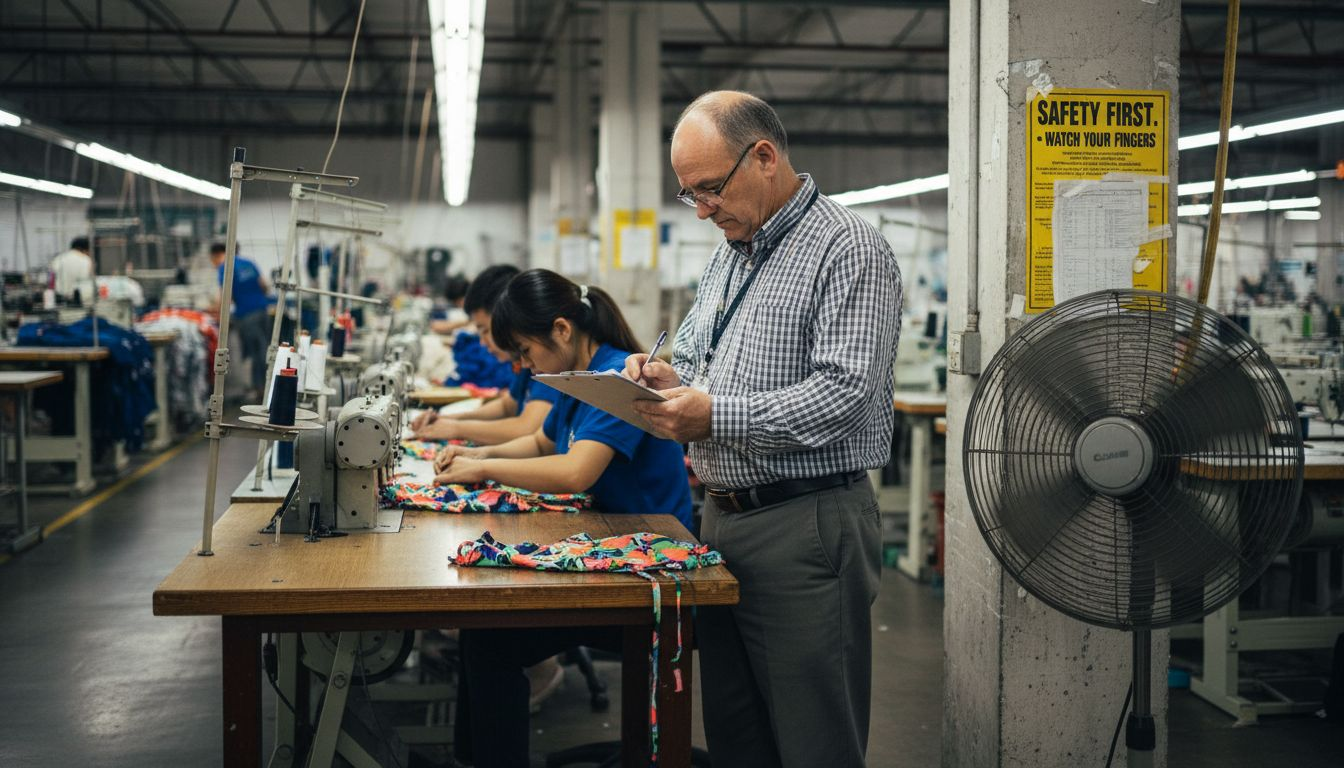
Worker protections are not just legal requirements - they represent a commitment to human dignity. By choosing fair labor swimwear, consumers actively support global efforts to create more just and equitable manufacturing practices.
Pro tip: When shopping for swimwear, look for brands that transparently share their labor practices and worker welfare certifications.
Types of fair labor practices in swimwear manufacturing
Ethical swimwear manufacturing encompasses a comprehensive set of labor practices designed to protect workers’ rights and ensure safe, dignified working conditions. Ethical production standards go far beyond basic legal compliance, focusing on creating a holistic work environment that respects human dignity and promotes worker wellbeing.
The primary types of fair labor practices in swimwear manufacturing include:
-
Wage Standards
- Guaranteed minimum wage
- Regular and timely salary payments
- Fair compensation reflecting skill levels
-
Working Conditions
- Safe and hygienic workplace environments
- Proper ventilation and equipment
- Regular safety training and protective gear
-
Employment Rights
- Prohibition of child labor
- No forced or compulsory labor
- Freedom of association and collective bargaining
Fair labor accountability involves rigorous monitoring and verification of these practices. International organizations like the Fair Labor Association conduct comprehensive assessments to ensure manufacturers meet established ethical standards. These evaluations examine multiple dimensions of worker treatment, from compensation structures to workplace safety protocols.
Gender equality represents another critical aspect of fair labor practices. Ethical swimwear manufacturers actively work to eliminate workplace discrimination, provide equal opportunities for advancement, and create supportive environments that respect workers’ individual rights and potential.
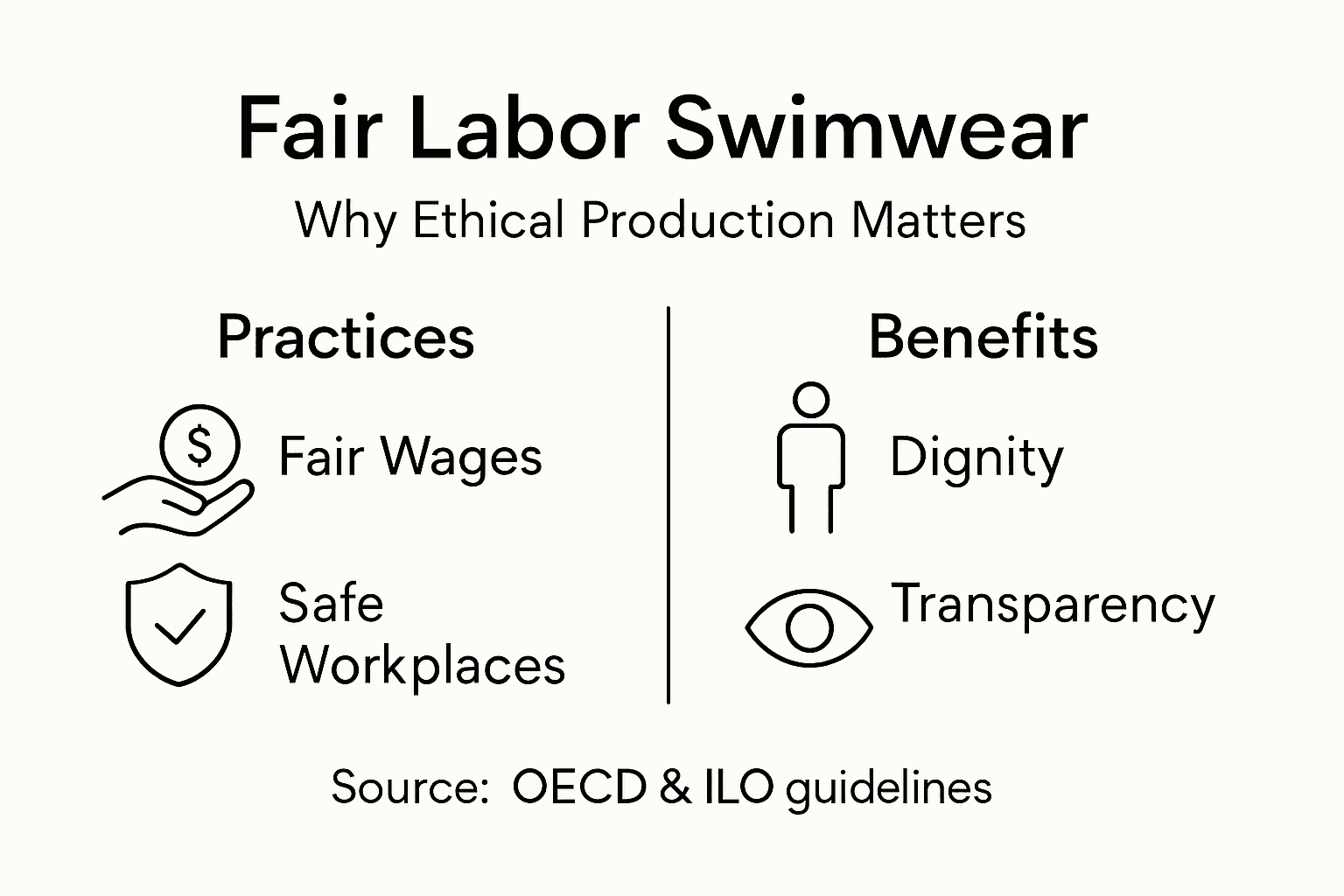
Here is a summary of how different fair labor practices impact swimwear manufacturing:
| Practice Area | Positive Outcomes | Business Impact |
|---|---|---|
| Fair Wages | Improved morale, lower turnover | Higher product quality, reputational boost |
| Safe Workplaces | Fewer accidents, healthier staff | Reduced legal risks, steady production |
| Gender Equality | Diverse ideas, inclusive culture | Enhanced innovation, global appeal |
| Worker Engagement | Open communication, loyalty | Fewer disruptions, better brand trust |
Pro tip: When researching swimwear brands, look for third-party certifications that validate their labor practice commitments.
Essential features of ethical swimwear brands
Ethical swimwear brands distinguish themselves through a comprehensive approach that goes far beyond traditional manufacturing practices. Ethical swimwear manufacturers demonstrate their commitment through multiple critical dimensions that prioritize both environmental sustainability and social responsibility.
The essential features of truly ethical swimwear brands include:
-
Sustainable Material Sourcing
- Certified recycled fabrics
- Biodegradable material options
- Minimal environmental impact production
-
Transparent Supply Chains
- Documented raw material origins
- Clear manufacturing process disclosure
- Verifiable worker treatment standards
-
Community and Worker Engagement
- Fair wage guarantees
- Safe working environments
- Opportunities for worker advancement
Transparency represents a cornerstone of ethical swimwear brands. By openly documenting their production processes, material sources, and labor practices, these companies build critical consumer trust and demonstrate genuine commitment to responsible manufacturing.
Beyond material selection and production methods, ethical swimwear brands invest in long-term relationships with manufacturing communities. This approach ensures not just fair labor practices, but meaningful economic development and sustainable social impact in the regions where their products are created.
Pro tip: Research brands that provide detailed documentation about their manufacturing processes and worker welfare initiatives.
International labor standards guiding swimwear production
International labor standards play a crucial role in ensuring ethical and humane working conditions across global manufacturing industries. International labor standards established by global organizations provide comprehensive frameworks that protect workers’ fundamental rights and dignity in swimwear production.
The key international labor standards that guide swimwear manufacturing include:
-
Worker Protection Principles
- Prohibition of forced labor
- Ban on child labor
- Prevention of workplace discrimination
- Guaranteed freedom of association
-
Workplace Safety Guidelines
- Minimum safety equipment requirements
- Regular workplace health inspections
- Mandatory safety training programs
- Compensation for workplace injuries
-
Compensation and Rights
- Guaranteed minimum wage standards
- Regulated working hours
- Collective bargaining rights
- Equal opportunity employment practices
The OECD Due Diligence Guidance provides a comprehensive framework for businesses to assess and mitigate human rights risks in global supply chains. This guidance helps swimwear manufacturers implement robust systems that protect workers and maintain ethical production standards.
These international standards are not merely theoretical guidelines but practical mechanisms that transform workplace environments. By establishing clear expectations and accountability measures, they create systemic changes that protect workers’ fundamental human rights and promote sustainable, ethical manufacturing practices.
Pro tip: Always verify a swimwear brand’s labor certifications and international compliance before making a purchasing decision.
Risks of unethical swimwear manufacturing and red flags
Unethical swimwear manufacturing represents a complex web of systematic exploitation that threatens worker dignity and human rights. Labor violations in manufacturing can manifest through multiple interconnected practices that undermine workers’ fundamental protections and economic stability.
Key risks and critical red flags in swimwear production include:
-
Wage and Compensation Violations
- Consistent wage theft
- Below minimum legal compensation
- Irregular or delayed payment schedules
- Unauthorized wage deductions
-
Workplace Safety Hazards
- Inadequate protective equipment
- Unsafe working environments
- Lack of proper ventilation
- Absence of emergency protocols
-
Worker Rights Suppression
- Preventing labor organization
- Blocking collective bargaining
- Retaliating against worker complaints
- Restricting personal freedoms
The global supply chain disruptions create environments where unethical practices can proliferate unchecked. These systemic vulnerabilities enable manufacturers to exploit legal gray areas, ultimately compromising worker safety and fundamental human rights.
Transparency represents the most powerful tool in combating these unethical practices. Brands that maintain opaque supply chains, resist independent audits, or frequently change manufacturing partners often signal potential underlying labor violations that demand careful consumer scrutiny.
Pro tip: Request detailed documentation about a brand’s labor practices and supplier relationships before making a purchase.
Comparing fair labor swimwear to fast fashion alternatives
Fast fashion and fair labor swimwear represent fundamentally different approaches to clothing production, with profound implications for workers, consumers, and global sustainability. Sustainable manufacturing alternatives challenge the traditional fast fashion model by prioritizing human dignity and environmental responsibility over short-term profit margins.
Key differences between fair labor swimwear and fast fashion include:
This table compares fair labor swimwear brands with fast fashion approaches:
| Aspect | Fair Labor Swimwear | Fast Fashion Alternative |
|---|---|---|
| Worker Treatment | Rights-focused, fair pay | Minimal compliance, low wages |
| Production Model | Sustainable, transparent | High volume, opaque sourcing |
| Environmental Effect | Low impact, eco-friendly materials | High pollution, wasteful methods |
| Consumer Perception | Ethical, responsible choice | Budget-friendly, trend-driven |
-
Labor Practices
- Fair labor: Guaranteed living wages
- Fast fashion: Minimum legal compliance
- Fair labor: Safe working conditions
- Fast fashion: High-risk workplace environments
-
Production Philosophy
- Fair labor: Long-term worker investments
- Fast fashion: Disposable workforce model
- Fair labor: Transparent supply chains
- Fast fashion: Opaque manufacturing processes
-
Environmental Impact
- Fair labor: Sustainable material sourcing
- Fast fashion: High-volume, low-quality materials
- Fair labor: Reduced carbon footprint
- Fast fashion: Significant environmental pollution
The Fair Wear Foundation advocates for systemic changes that transform manufacturing practices, emphasizing collaborative approaches that empower workers and create meaningful economic opportunities. Unlike fast fashion’s race-to-the-bottom economics, fair labor swimwear represents an investment in human potential and sustainable development.
Consumers play a critical role in driving this transformation by making intentional purchasing decisions that prioritize ethical production over cheap pricing. Every swimwear purchase becomes a vote for the kind of global manufacturing ecosystem we want to support.
Pro tip: Research brands’ labor certifications and manufacturing transparency before making your next swimwear purchase.
Choose Ethical Swimwear That Supports Fair Labor and Sustainability
The article highlights the urgent need for fair labor practices in swimwear production to protect workers’ rights and promote ethical manufacturing. If you want to make a positive impact by supporting brands that guarantee safe working conditions, fair wages, and transparent supply chains consider exploring swim trunks designed with these values in mind. At lecluboriginal.com, you will find sustainable swimwear created not only with eco-friendly materials but also with a commitment to fair labor principles that embody respect for human dignity.
Discover stylish and environmentally responsible options that align with your values. Shop now at lecluboriginal.com and support swimwear brands that practice fair labor and sustainability. Take advantage of sitewide discounts up to 50 percent and enjoy free shipping on orders over fifty dollars. Join a community that believes fashion can be both fashionable and ethical.
Frequently Asked Questions
What is fair labor swimwear?
Fair labor swimwear refers to beach and swimming apparel produced with a focus on ethical manufacturing practices that prioritize worker rights, safety, and fair compensation throughout the production process.
Why does ethical production matter in swimwear manufacturing?
Ethical production matters because it ensures that workers are treated with dignity, paid fairly, and work in safe conditions. Choosing fair labor swimwear supports sustainable practices and contributes to a more just global manufacturing system.
How can I identify ethical swimwear brands?
You can identify ethical swimwear brands by looking for transparency in their supply chains, sustainable material sourcing, and certifications or documentation that prove their commitment to fair labor practices.
What risks are associated with unethical swimwear manufacturing?
Risks of unethical swimwear manufacturing include wage theft, unsafe working conditions, suppression of worker rights, and overall exploitation, which can lead to violations of workers’ fundamental rights and dignity.