

Finding swimwear that truly aligns with your values often means sorting through vague promises and buzzwords. For style-minded men who care about their impact, understanding what authentic transparency really means is crucial. Clear information about materials, production, and practices helps you make choices that matter for both your look and the planet. This guide uncovers how genuine transparency sets trustworthy swimwear brands apart, helping you support both sustainable style and real accountability.
Table of Contents
- Defining Transparency In Swimwear Brands
- Types Of Transparency And Brand Practices
- How Transparent Supply Chains Work
- Consumer Trust And Ethical Sourcing Effects
- Risks Of Greenwashing And Accountability Issues
- Practical Steps Toward Genuine Brand Transparency
Key Takeaways
| Point | Details |
|---|---|
| Commitment to Transparency | Swimwear brands must provide comprehensive, verifiable information regarding their production processes to build consumer trust. |
| Types of Transparency | Brands vary in their transparency strategies, with mass-market brands generally offering more detailed supply chain insights than luxury brands. |
| Risks of Greenwashing | Inadequate disclosures can lead to consumer skepticism and damage brand credibility; brands must back claims with verifiable data. |
| Consumer Engagement | Brands should establish transparent communication channels and actively involve consumers in discussions about sustainability practices. |
Defining Transparency in Swimwear Brands
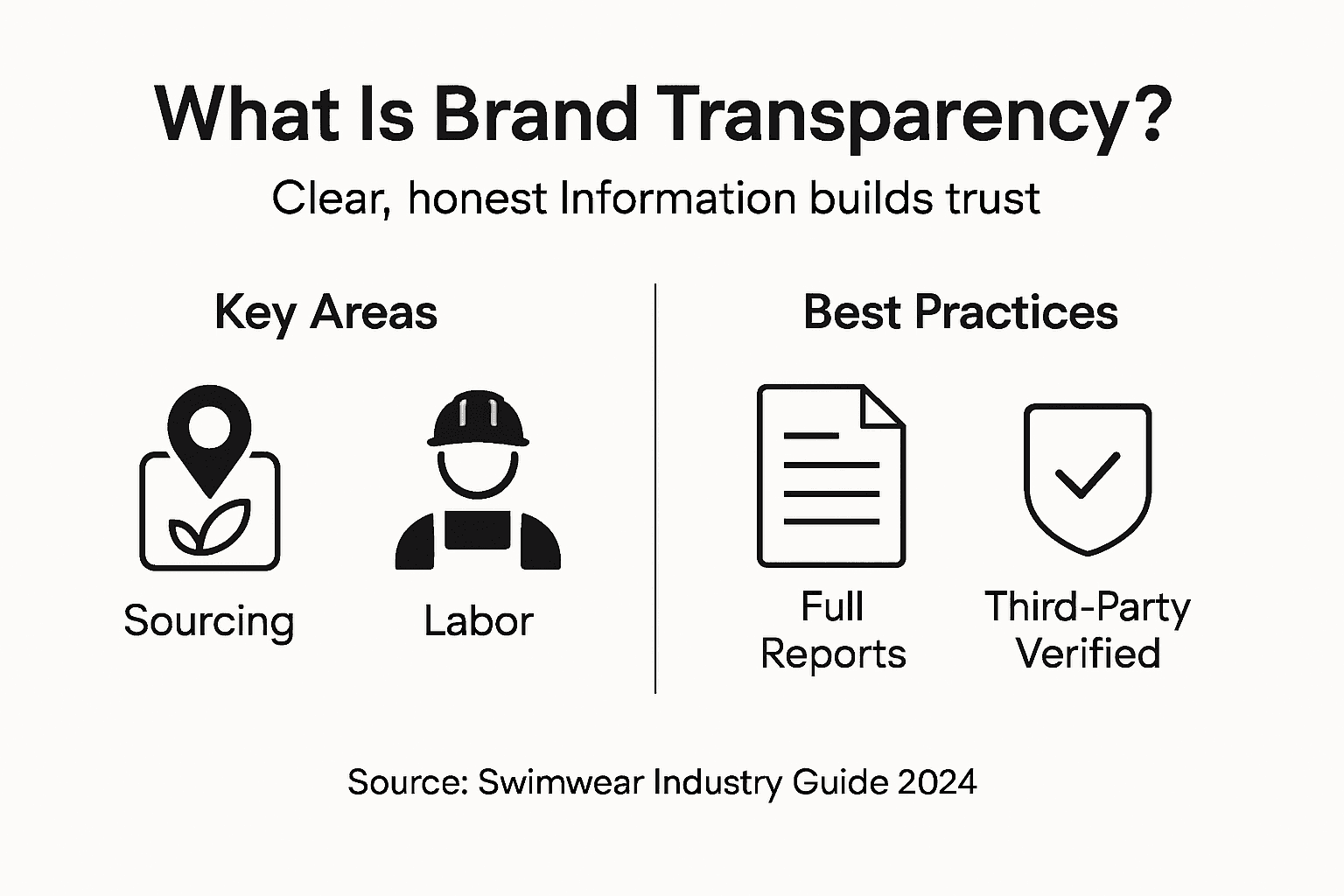
Transparency in swimwear brands represents far more than a marketing buzzword - it’s a comprehensive commitment to ethical production, environmental responsibility, and consumer trust. At its core, transparency means openly sharing detailed information about manufacturing processes, supply chain operations, and sustainability practices.
The concept of transparency goes beyond simple disclosure. Fashion transparency involves systematic information sharing that enables external scrutiny and accountability. This means brands must proactively reveal critical details about:
- Manufacturing locations and working conditions
- Raw material sourcing practices
- Environmental impact of production
- Labor practices and worker compensation
- Carbon footprint and sustainability metrics
Authentic transparency requires more than surface-level reporting. Meaningful disclosure demands comprehensive, verifiable information that allows consumers to make informed decisions. Transparency represents a complex governance mechanism involving timely, qualitative information and robust accountability channels.
Brands committed to true transparency understand that modern consumers - especially environmentally conscious men - want complete visibility into how their products are made. This means providing detailed insights into every stage of swimwear production, from initial design to final manufacturing.
Pro tip: Request detailed sustainability reports from brands and scrutinize their transparency practices before making a purchase.
Types of Transparency and Brand Practices
Transparency in swimwear brands manifests through multiple distinct approaches, each revealing different aspects of a brand’s commitment to ethical and sustainable practices. Transparency strategies vary significantly between luxury and mass-market brands, with each adopting unique disclosure methodologies that reflect their market positioning and strategic priorities.
The primary types of transparency can be categorized into several key dimensions:
-
Environmental Transparency
- Carbon footprint reporting
- Sustainable material sourcing
- Waste reduction strategies
-
Social Compliance Transparency
- Worker wage and condition disclosures
- Labor rights documentation
- Fair employment practices
-
Production Process Transparency
- Manufacturing location details
- Supply chain mapping
- Production technique descriptions
Mass-market brands often demonstrate more comprehensive supply chain transparency compared to luxury counterparts, typically providing more granular information about their operational practices. This approach allows consumers to make more informed purchasing decisions and understand the true environmental and social impact of their swimwear choices.
Brands committed to genuine transparency recognize that modern consumers - particularly environmentally conscious men - demand substantive, verifiable information that goes beyond superficial marketing claims. Successful transparency strategies involve not just disclosing information, but providing context, measurable metrics, and ongoing accountability.
Here’s a comparison of transparency strategies among swimwear brands:
| Strategy Type | Mass-Market Brands | Luxury Brands |
|---|---|---|
| Supply Chain Detail | High detail on sourcing and logistics | Limited scope, selective disclosures |
| Production Insights | Process descriptions widely available | Focus on brand image, less process |
| Data Verification | Often third-party certified | Occasional, sometimes internal only |
| Consumer Engagement | Downloadable reports, open metrics | Glossy reports, less specific data |
Pro tip: Look for brands that provide downloadable sustainability reports with specific, quantifiable data about their environmental and social practices.
How Transparent Supply Chains Work
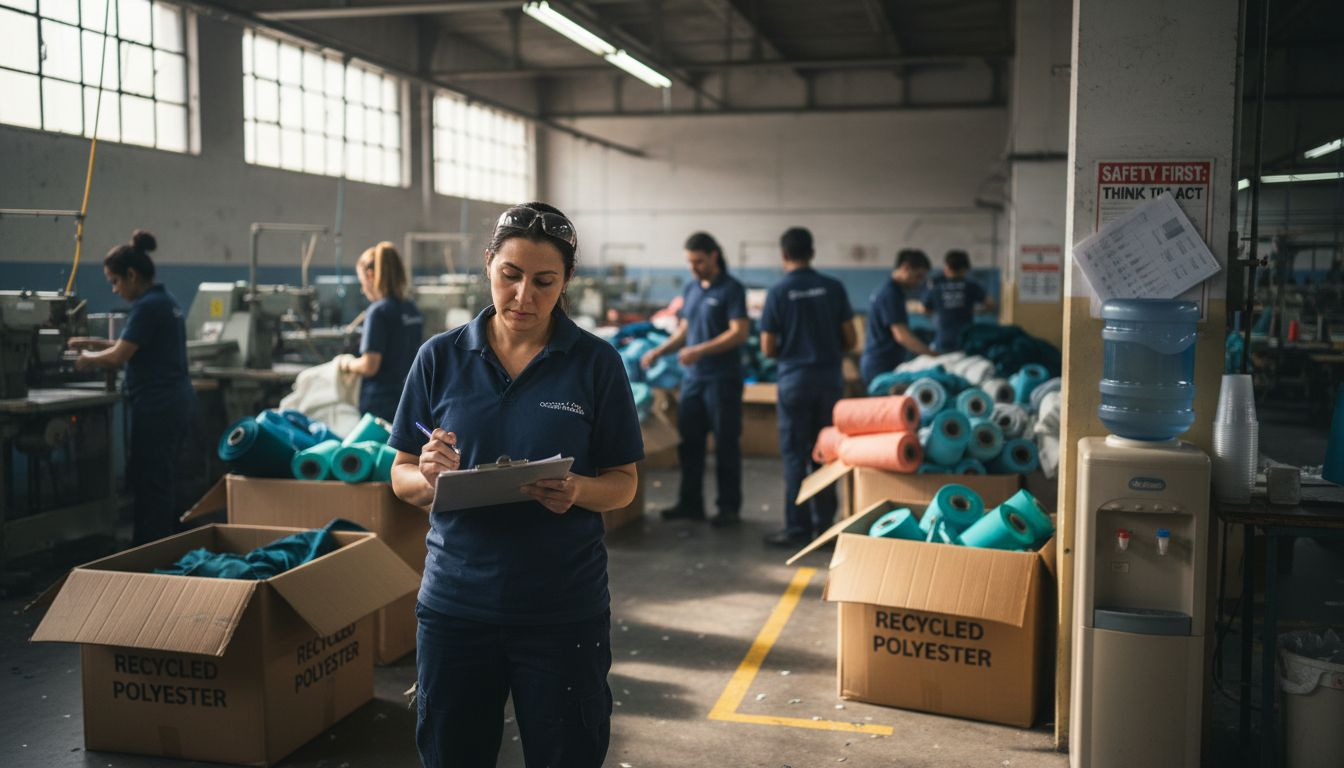
Supply chain transparency represents a comprehensive approach to mapping and documenting every stage of product creation, from raw material sourcing to final manufacturing. Transparent supply chains require detailed product provenance disclosure, enabling consumers to trace the entire journey of their swimwear from conception to completion.
The key components of a transparent supply chain include:
-
Material Tracking
- Origin of fabric fibers
- Sustainable sourcing verification
- Chemical composition documentation
-
Labor Condition Monitoring
- Worker wage records
- Factory working environment details
- Employee rights compliance
-
Environmental Impact Assessment
- Carbon emission calculations
- Water usage metrics
- Waste management protocols
Digital tools like Product Passports enable comprehensive supply chain traceability, allowing brands to systematically collect and share critical data about their production processes. These digital platforms provide real-time insights into material origins, manufacturing conditions, and environmental footprints, transforming how consumers understand product creation.
Modern transparent supply chains go beyond simple documentation. They represent a dynamic, ongoing commitment to ethical production, continuous improvement, and genuine accountability. By providing granular details about each production stage, brands demonstrate their dedication to sustainable and responsible manufacturing practices.
This table summarizes tools that support supply chain transparency:
| Digital Tool Type | Key Benefit | Common Use by Brands |
|---|---|---|
| Product Passport | Real-time traceability | Material and factory data |
| Blockchain Tracking | Tamper-proof records | Supplier authentication |
| Supplier Databases | End-to-end mapping | Track tiered sourcing |
| Audit Platforms | Independent oversight | Labor and ethics reviews |
Pro tip: Request brands to share their Digital Product Passport or comprehensive supply chain documentation before making a purchase.
Consumer Trust and Ethical Sourcing Effects
Consumer trust is the foundational currency of modern sustainable fashion, particularly in the swimwear industry. Brand transparency directly influences consumer perception, with three critical dimensions shaping how consumers evaluate ethical sourcing: observability, comprehensibility, and intentionality.
The key impacts of transparent ethical sourcing include:
-
Consumer Confidence Building
- Reduces purchasing hesitation
- Validates brand sustainability claims
- Demonstrates genuine commitment
-
Skepticism Management
- Counters greenwashing accusations
- Provides verifiable evidence
- Establishes accountability mechanisms
-
Brand Loyalty Enhancement
- Creates emotional connection
- Encourages repeat purchases
- Generates positive word-of-mouth
Consumer perception of brand transparency critically drives trust, requiring brands to communicate with clarity, proactivity, and objectivity. When swimwear brands openly share detailed information about their supply chains, labor practices, and environmental initiatives, they transform potential consumer skepticism into genuine trust and long-term loyalty.
Transparency is more than a marketing strategy - it’s a fundamental commitment to ethical production that resonates with environmentally conscious consumers. By consistently demonstrating authenticity and providing comprehensive insights into their sourcing practices, brands can create meaningful connections that extend far beyond simple transactions.
Pro tip: Always request detailed documentation about a brand’s ethical sourcing practices before making a purchase.
Risks of Greenwashing and Accountability Issues
Greenwashing represents a critical challenge in sustainable fashion, particularly within the swimwear industry. Transparency can become a double-edged sword, where inadequate or misleading disclosures risk substantial reputational damage and erode consumer trust.
The primary risks associated with greenwashing include:
-
Credibility Destruction
- Undermines brand reputation
- Triggers consumer skepticism
- Damages long-term market positioning
-
Legal and Regulatory Risks
- Potential false advertising penalties
- Increased regulatory scrutiny
- Potential litigation exposure
-
Consumer Trust Erosion
- Reduces brand loyalty
- Encourages negative word-of-mouth
- Drives consumers toward more transparent competitors
Selective disclosure can create significant transparency gaps, which sophisticated consumers increasingly recognize as deliberate attempts to manipulate perception. Brands must provide comprehensive, verifiable data that demonstrates genuine commitment to sustainability, moving beyond superficial marketing claims.
Accountability demands more than simple information sharing. It requires brands to establish robust verification mechanisms, engage with independent oversight, and maintain consistent, transparent communication about their entire production ecosystem.
Pro tip: Scrutinize brands’ sustainability claims by requesting detailed, third-party verified documentation about their environmental and social practices.
Practical Steps Toward Genuine Brand Transparency
Achieving genuine transparency requires a strategic, multi-dimensional approach that goes beyond superficial reporting. Implementing transparent practices involves comprehensive supply chain mapping, requiring brands to systematically document and communicate their entire production ecosystem.
Practical steps for establishing authentic brand transparency include:
-
Supply Chain Documentation
- Create comprehensive supplier databases
- Map entire production journey
- Identify and verify each production tier
-
Digital Traceability Tools
- Implement Product Passport systems
- Use blockchain tracking technologies
- Provide real-time production insights
-
Stakeholder Engagement
- Host transparent communication channels
- Invite third-party audits
- Develop consumer education initiatives
Strategic transparency requires robust accountability mechanisms, encompassing more than just information sharing. Brands must establish independent verification processes, create channels for stakeholder feedback, and demonstrate ongoing commitment to ethical practices.
Transparency is an evolving commitment that demands continuous improvement. Successful brands view it not as a compliance checkbox, but as a fundamental approach to building trust, demonstrating social responsibility, and creating meaningful connections with environmentally conscious consumers.
Pro tip: Develop a comprehensive transparency scorecard that tracks and publicly reports your brand’s ongoing sustainability and ethical performance.
Discover True Transparency with Sustainable Swimwear
The article highlights the challenges swimwear brands face in providing meaningful transparency about their sourcing, labor practices, and environmental impact. You want more than just marketing claims – you need clear proof of ethical production, verified sustainability, and a commitment to reducing plastic pollution in our oceans. At lecluboriginal.com, we share your values by offering eco-friendly swim trunks and beachwear designed with full transparency in mind. Our brand prioritizes detailed supply chain responsibility, ensuring every piece you wear supports worker wellbeing and protects the planet.
Join the movement towards authentic, trustworthy swimwear that matches your eco-conscious lifestyle. Explore our collection of sustainable men’s swimwear and beachwear today and feel confident in every purchase. Act now to benefit from our seasonal sales and free shipping on orders over $50. Visit https://lecluboriginal.com and experience swimwear transparency done right.
Frequently Asked Questions
What does transparency in swimwear brands mean?
Transparency in swimwear brands refers to the open sharing of detailed information about manufacturing processes, supply chain operations, sustainability practices, and ethical production. It encompasses various aspects, including labor conditions, material sourcing, and environmental impact.
How can I determine if a swimwear brand is genuinely transparent?
To determine if a swimwear brand is genuinely transparent, look for comprehensive sustainability reports, detailed information about their supply chain, and third-party certifications. Brands should openly provide insights into their production processes, labor practices, and environmental metrics.
Why is consumer trust important for swimwear brands?
Consumer trust is vital for swimwear brands as it fosters loyalty and encourages repeat purchases. When brands transparently share information about their ethical sourcing and production practices, it reduces consumer skepticism and builds confidence in their sustainability claims.
What are the risks of greenwashing in the swimwear industry?
The risks of greenwashing in the swimwear industry include damage to a brand’s reputation, legal repercussions from false advertising, and erosion of consumer trust. If brands provide selective or misleading disclosures, they risk losing credibility and consumer loyalty.
Recommended
- Why Support Ethical Swimwear Brands Today – Le Club Original
- Why Support Ethical Swimwear Brands Today – Le Club Original
- Why Support Ethical Swimwear Brands Today – Le Club Original
- Why Support Local Swimwear Brands: Eco-Conscious Impact – Le Club Original
- Understanding Building Customer Trust in Automotive Services – AEONCUT PPF Pre-cut Cutting software