

Nearly 14 million tons of plastic end up in the ocean every year, making eco swimwear a necessity for environmentally aware men. If you appreciate innovative design but refuse to compromise on sustainability, the right American or European brand can align your ethics with your style at the beach. Discover how sustainable swimwear options combine cutting-edge materials, ethical practices, and standout design to help you make a real difference in ocean preservation.
Table of Contents
- Defining Eco Swimwear and Its Impact
- Material Innovations Shaping Eco Designs
- Design Principles for Style and Sustainability
- Ethical Manufacturing and Consumer Choices
- Common Pitfalls and Greenwashing Risks
Key Takeaways
| Point | Details |
|---|---|
| Eco Swimwear’s Sustainability | Eco swimwear utilizes recycled materials and ethical manufacturing to reduce environmental impact while maintaining style. |
| Material Innovations | Advanced materials like ECONYL and organic textiles enhance durability and minimize ecological harm in swimwear design. |
| Consumer Empowerment | Ethical manufacturing encourages consumers to actively choose brands that prioritize fair labor practices and sustainability. |
| Avoiding Greenwashing | Consumers should critically evaluate eco swimwear marketing claims, focusing on transparent reporting and verified sustainability certifications. |
Defining Eco Swimwear and Its Impact
Eco swimwear represents a transformative approach to beach fashion that prioritizes environmental responsibility without compromising style. At its core, this innovative category of swimwear goes beyond traditional design by integrating sustainable materials and ethical manufacturing processes that significantly reduce ecological impact. Sustainable swimwear strategies are revolutionizing how we think about beachwear consumption.
The primary characteristics of eco swimwear include utilizing recycled materials like regenerated nylon, implementing low-impact production methods, and addressing critical environmental challenges such as microplastic pollution. These garments are designed to minimize waste while maximizing performance and aesthetic appeal. By transforming discarded plastics and fishing nets into high-quality swimwear, brands are creating a circular economy that turns potential ocean waste into fashionable, functional attire.
Research indicates that sustainable swimwear is not just a trend but a necessary response to the fashion industry’s environmental footprint. Fabric innovation through bio-design offers promising solutions to traditional synthetic fiber challenges. These advanced materials enhance durability, reduce premature garment disposal, and provide consumers with an opportunity to make environmentally conscious fashion choices that align with their ecological values.
Pro tip: When shopping for eco swimwear, look beyond marketing claims and check for transparent supply chain information, specific recycled material percentages, and third-party sustainability certifications.
Material Innovations Shaping Eco Designs
Material innovation stands at the forefront of transforming eco swimwear, driving significant advancements in sustainable fashion design. Recycled fiber technologies have emerged as a critical solution to reducing the textile industry’s environmental impact, enabling manufacturers to create high-performance swimwear while dramatically decreasing carbon emissions.
Key innovations include advanced regenerative materials like ECONYL, which transforms discarded ocean plastics and abandoned fishing nets into premium fabric. These breakthrough materials offer remarkable performance characteristics, including exceptional durability, chlorine resistance, and UV protection. By reimagining waste as a valuable resource, designers are creating swimwear that not only looks and feels great but also actively contributes to marine ecosystem preservation.

The evolution of eco-friendly fabrics extends beyond recycled plastics, encompassing organic and biodegradable textiles that meet stringent performance standards. Sustainable fabric engineering now allows manufacturers to develop swimwear that maintains color fastness, stretch retention, and aesthetic appeal while significantly reducing environmental harm. These innovative approaches represent a fundamental shift in how the fashion industry conceptualizes material development and product lifecycle.
Pro tip: When evaluating eco swimwear, check the fabric composition label for specific percentages of recycled or regenerative materials to ensure genuine sustainability.
Here’s how leading eco swimwear materials compare in terms of sustainability and performance:
| Material Type | Sustainability Benefit | Key Performance Feature |
|---|---|---|
| ECONYL (regenerated nylon) | Reduces ocean plastic waste | High durability, UV protection |
| Organic cotton | Biodegradable, chemical-free farming | Soft texture, moderate stretch |
| Recycled polyester | Diverts PET bottles from landfills | Quick-dry, color retention |
| Biodegradable blends | Minimizes end-of-life environmental impact | Flexible fit, gentle on skin |
Design Principles for Style and Sustainability
Sustainable swimwear design represents a sophisticated balance between aesthetic appeal and environmental consciousness. Innovative design principles focus on creating garments that are not just visually striking but also environmentally responsible, challenging traditional fashion paradigms.
Key design strategies include selecting materials with minimal environmental impact, emphasizing durability, and creating styles that transcend seasonal trends. Designers are now approaching swimwear as long-term investments, incorporating features like modular construction, reinforced seams, and versatile cuts that extend a garment’s lifecycle. This approach directly confronts the disposable fashion culture by encouraging consumers to view swimwear as a sustainable wardrobe staple rather than a seasonal throwaway item.
Transparency and consumer education have become integral to sustainable design philosophy. Eco-friendly design strategies now prioritize clear communication about material sourcing, production processes, and proper garment care. By providing detailed information about the environmental impact of each piece, designers empower consumers to make more informed and responsible purchasing decisions, transforming swimwear from a mere fashion item into a statement of environmental commitment.
Pro tip: When selecting sustainable swimwear, look for brands that offer detailed information about their material composition, production processes, and care instructions.
Ethical Manufacturing and Consumer Choices
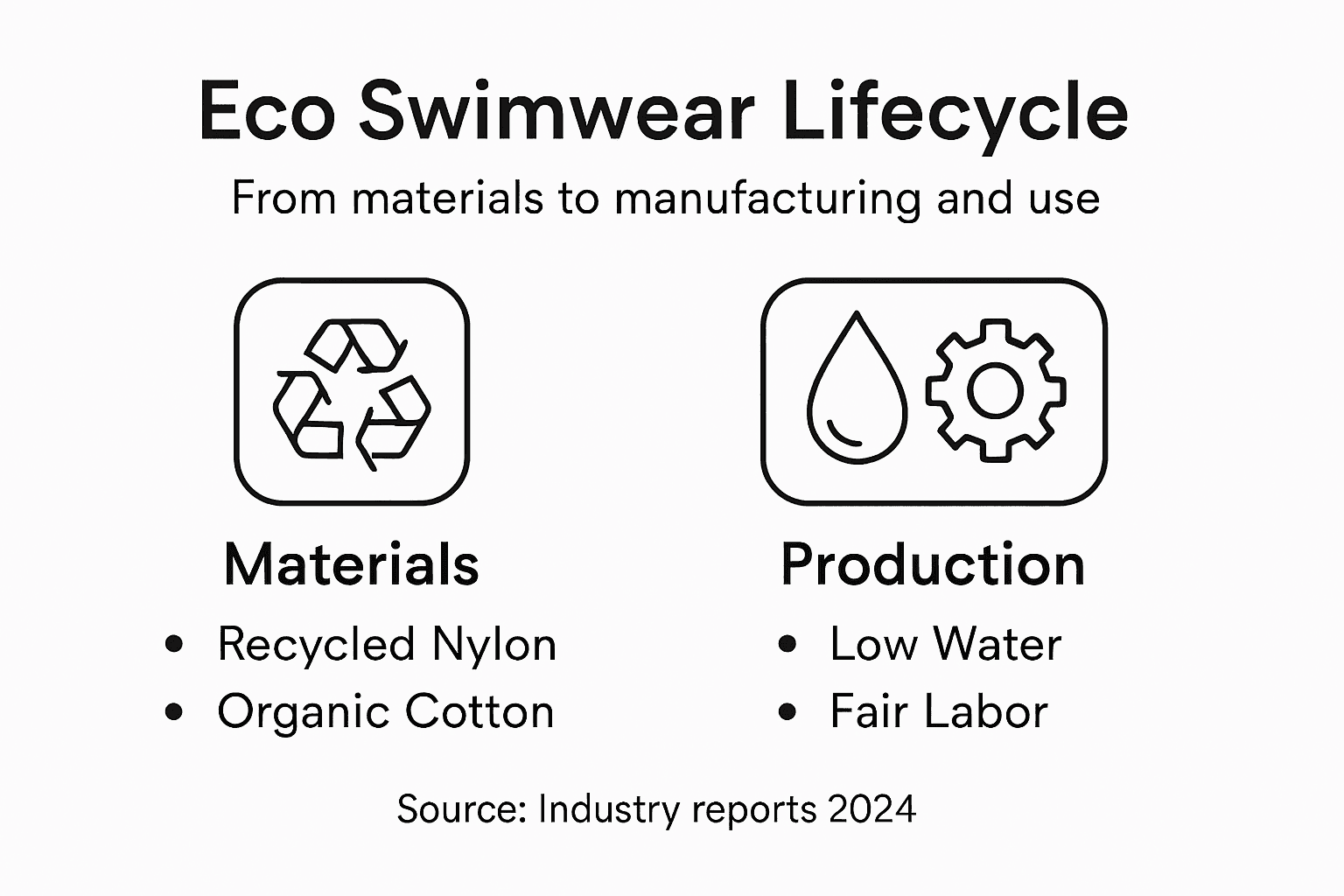
Ethical manufacturing in eco swimwear represents a holistic approach to responsible production that extends far beyond traditional manufacturing practices. Ethical production standards have transformed the swimwear industry by prioritizing fair labor practices, environmental protection, and transparent supply chains that empower both workers and consumers.
Consumer choices play a critical role in driving sustainable manufacturing practices. By deliberately selecting brands that demonstrate verifiable ethical commitments, individuals create market demand for responsible production methods. This includes considering factors such as fair wage practices, safe working conditions, minimal environmental impact, and comprehensive supply chain transparency. Consumers are no longer passive recipients of products but active participants in driving systemic change within the fashion industry.
Sustainable purchasing strategies now encompass a comprehensive evaluation of a product’s entire lifecycle. This means looking beyond immediate aesthetic appeal to understand the broader environmental and social implications of each garment. Considerations include the origin of materials, manufacturing processes, potential for repair, and end-of-use disposal or recycling options. By adopting this holistic approach, consumers can make informed decisions that support both environmental sustainability and social responsibility.
Pro tip: Research brands thoroughly and look for third-party certifications that verify ethical manufacturing practices and environmental commitments.
Common Pitfalls and Greenwashing Risks
The eco swimwear landscape is fraught with potential deception, where marketing claims often outpace genuine sustainability efforts. Sustainable swimwear evaluation requires a critical eye and comprehensive understanding of potential greenwashing tactics that can mislead environmentally conscious consumers.
Greenwashing manifests through several strategic mechanisms designed to create an illusion of environmental responsibility. Brands may highlight a single eco-friendly feature while obscuring less sustainable practices across their supply chain. Common tactics include using vague environmental terminology, showcasing minimal recycled content without addressing overall production impact, and creating misleading certifications that lack substantive third-party verification. Consumers must look beyond surface-level marketing claims and demand transparent, holistic sustainability reporting.
To effectively combat greenwashing, consumers need a nuanced approach to assessing swimwear brands. This involves examining multiple sustainability dimensions, including material sourcing, manufacturing processes, labor practices, carbon footprint, and end-of-life product management. Rigorous research, questioning marketing narratives, and seeking brands with comprehensive, verified sustainability credentials are essential strategies for making truly environmentally responsible purchasing decisions.
Use this summary to identify common signs of greenwashing and authentic eco swimwear efforts:
| Indicator | Greenwashing Example | Genuine Sustainability Sign |
|---|---|---|
| Use of eco-friendly claims | Generic “eco” statements | Specific recycled content percentage |
| Certification disclosure | Self-created, vague badges | Recognized third-party certifications |
| Supply chain transparency | Limited or hidden details | Full information on sourcing and labor |
| Focus areas | One small green aspect | Holistic approach across lifecycle |
Pro tip: Always request detailed documentation about a brand’s sustainability claims and be skeptical of marketing language that sounds too good to be true.
Step Into Eco Swimwear Designed for Impact and Style
The article highlights the crucial role of design in creating swimwear that balances style, durability, and environmental responsibility. You want swimwear made with transparent sourcing, reusable materials like ECONYL, and ethical production methods that challenge the disposable fashion culture. The commitment to sustainability and long-lasting designs addresses the real challenge of finding swimwear that not only looks great but also supports ocean preservation and reduces microplastic pollution.
Explore a carefully curated collection at Le Club Original where every piece is crafted to meet these exact standards. With eco-friendly swim trunks and bikinis designed to last season after season, you can wear your values on your side at the beach.

Shop now and be part of a movement that combines fashion with purpose. Discover new arrivals and seasonal sales that make it easier than ever to choose ethical, stylish beachwear. Visit Le Club Original and learn more about how our sustainable swimwear supports ocean pollution reduction and eco-conscious manufacturing practices. Act today—for a better beach tomorrow.
Frequently Asked Questions
What is eco swimwear?
Eco swimwear is a type of swimwear designed to prioritize environmental responsibility through the use of sustainable materials and ethical manufacturing processes. It aims to reduce ecological impact while maintaining style and performance.
How does material innovation impact eco swimwear design?
Material innovation in eco swimwear involves using advanced, recycled, or biodegradable fabrics that enhance durability and performance. These materials help minimize environmental harm while providing features like UV protection and quick-drying capabilities.
What are some design principles for creating sustainable swimwear?
Key design principles for sustainable swimwear include using low-impact materials, ensuring durability, and creating versatile styles that transcend seasonal trends. This encourages consumers to view swimwear as long-term investments rather than disposable items.
How can consumers avoid greenwashing in eco swimwear brands?
To avoid greenwashing, consumers should look for transparent supply chain information, specific percentages of recycled materials, and verified third-party certifications. Rigorous research into a brand’s sustainability claims is essential for making informed purchasing decisions.