

Most American men are unaware that over 30 percent of discarded clothing in the United States ends up in landfills, harming the environment for generations. With every stylish swimwear choice, eco-conscious travelers shape the impact their vacations have on the planet. Choosing sustainable options is not just a fashion statement but a chance to support ethical practices and protect natural destinations for future beach escapes.
Table of Contents
- Defining Eco-Lifestyle And Swimwear Impact
- Types Of Sustainable Swimwear And Materials
- How Eco Swimwear Reduces Pollution
- Ethical Manufacturing And Consumer Responsibility
- Common Mistakes And How To Avoid Them
Key Takeaways
| Point | Details |
|---|---|
| Eco-Lifestyle Impact | Consumers are increasingly aware of the environmental issues related to swimwear, particularly concerning microplastic pollution and sustainability. |
| Sustainable Materials | Swimwear brands are utilizing recycled and biodegradable materials, providing options that combine ecological responsibility with performance. |
| Ethical Manufacturing | Certifications play a crucial role in ensuring ethical production, addressing labor rights, and verifying environmental practices for swimwear brands. |
| Avoiding Greenwashing | Consumers must be vigilant in distinguishing genuine sustainability efforts from marketing tactics, looking for comprehensive practices rather than isolated eco-friendly features. |
Defining Eco-Lifestyle and Swimwear Impact
An eco-lifestyle represents a conscious approach to living that prioritizes environmental responsibility across daily choices, including fashion selections like swimwear. Recent research indicates that consumers are increasingly recognizing the profound environmental implications of their clothing purchases, particularly in performance swimwear. Sustainability has become a critical focus in transforming how we think about beach and swim attire.
Swimwear’s environmental impact extends far beyond aesthetic choices. Performance swimwear traditionally relies on synthetic fibers that contribute significantly to microplastic pollution and environmental degradation. Performance swimwear’s environmental challenges include fabric deterioration, limited lifecycle, and insufficient consumer awareness about sustainable alternatives. This means that each swimsuit purchased represents not just a fashion statement, but a potential environmental responsibility.
The shift towards sustainable swimwear involves multiple strategic approaches. Eco-conscious brands are now developing swimwear using recycled materials, reducing water consumption during production, implementing ethical manufacturing practices, and creating designs that minimize waste. These innovations allow environmentally aware consumers to make choices that align with their values without compromising style or performance. By selecting sustainable swimwear, individuals contribute to a broader movement of circular fashion that prioritizes long-term environmental health.
Pro tip: When shopping for sustainable swimwear, look for transparent supply chains, certifications indicating recycled materials, and brands committed to reducing their carbon footprint.
Types of Sustainable Swimwear and Materials
Sustainable swimwear has revolutionized the fashion industry by introducing innovative materials that dramatically reduce environmental impact. Recycled materials now dominate sustainable swimwear production, with brands transforming waste into high-performance swim attire. These cutting-edge fabrics include regenerated nylon (ECONYL), recycled polyester, organic cotton, and emerging biodegradable textiles that offer both ecological responsibility and exceptional performance.
The most prominent sustainable swimwear materials showcase remarkable engineering. Regenerated nylon, often sourced from discarded fishing nets and industrial plastics, provides exceptional durability and elasticity. Recycled polyester blended with spandex creates swimwear that maintains stretch and shape while reducing plastic waste. Some advanced fabrics incorporate innovative sustainable textile technologies that offer chlorine resistance, quick-drying properties, and superior comfort without compromising environmental standards.
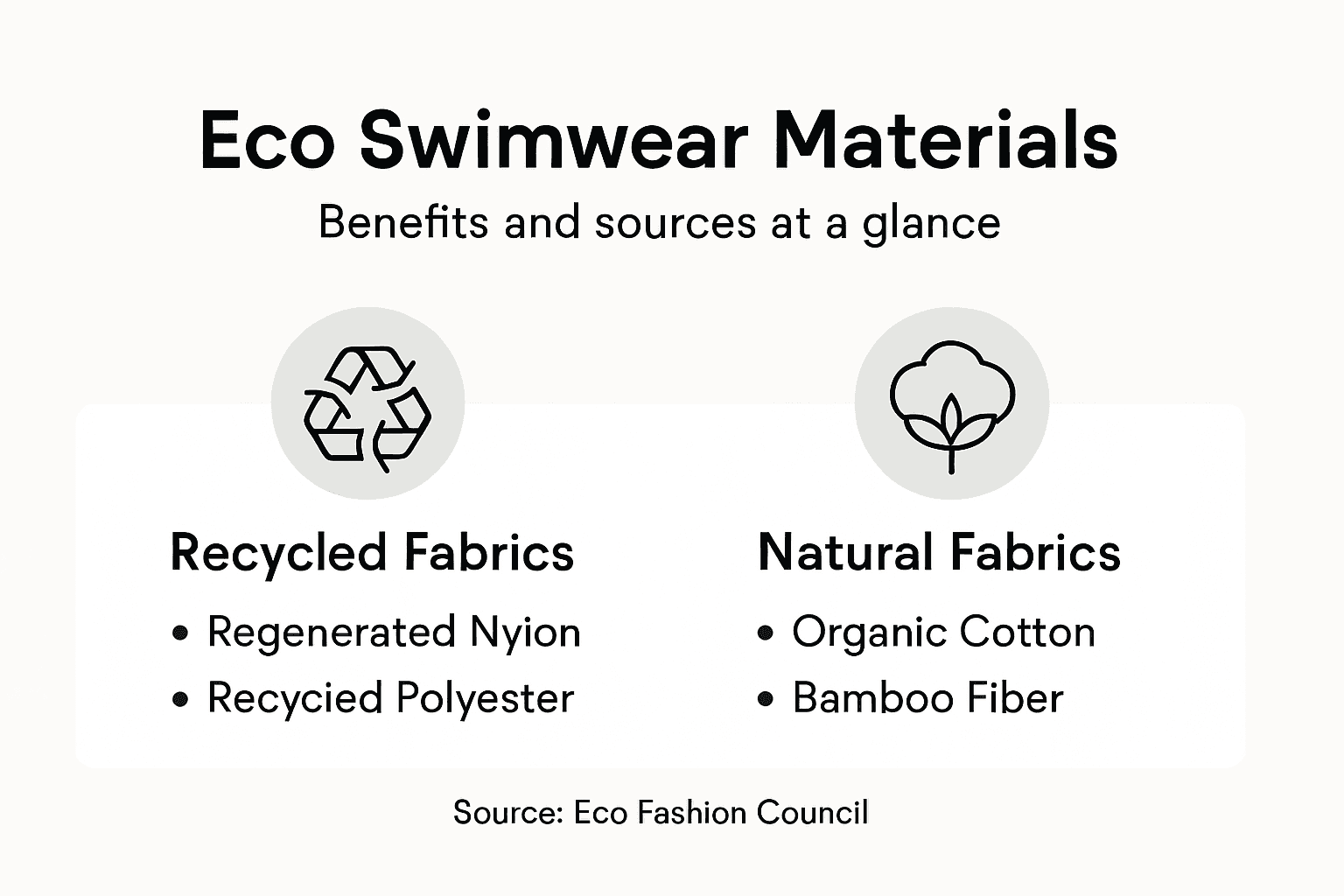
Beyond synthetic recycled materials, eco-conscious brands are exploring natural and regenerative fabric options. Organic cotton, hemp, and bamboo-based textiles represent emerging alternatives that provide breathability and reduced chemical processing. These materials not only minimize water consumption during production but also offer biodegradability, creating a complete lifecycle approach to sustainable swimwear. By prioritizing materials with lower environmental footprints, brands are demonstrating that style, performance, and ecological responsibility can coexist harmoniously.
Here’s a useful comparison of sustainable swimwear materials and their environmental benefits:
| Material Type | Source of Raw Material | Environmental Benefit | Typical Swimwear Properties |
|---|---|---|---|
| Regenerated Nylon | Discarded fishing nets, plastics | Reduces ocean waste, recyclable | Durable, elastic, quick-drying |
| Recycled Polyester | Post-consumer plastic bottles | Lowers landfill impact | Stretch, shape retention |
| Organic Cotton | Chemical-free cotton farms | Biodegradable, low water use | Breathable, soft comfort |
| Hemp/Bamboo Textiles | Renewable natural sources | Minimal processing, compostable | Breathable, antimicrobial |
Pro tip: When evaluating sustainable swimwear, check the fabric composition and look for certifications that verify the material’s recycled content and environmental impact.
How Eco Swimwear Reduces Pollution
Microplastic pollution from synthetic swimwear represents a significant yet often overlooked environmental challenge. Swimwear releases microplastic fibers during recreational activities, introducing harmful particles into aquatic ecosystems. These microscopic plastic fragments contaminate waterways, endangering marine life and potentially entering human food chains through complex environmental interactions.
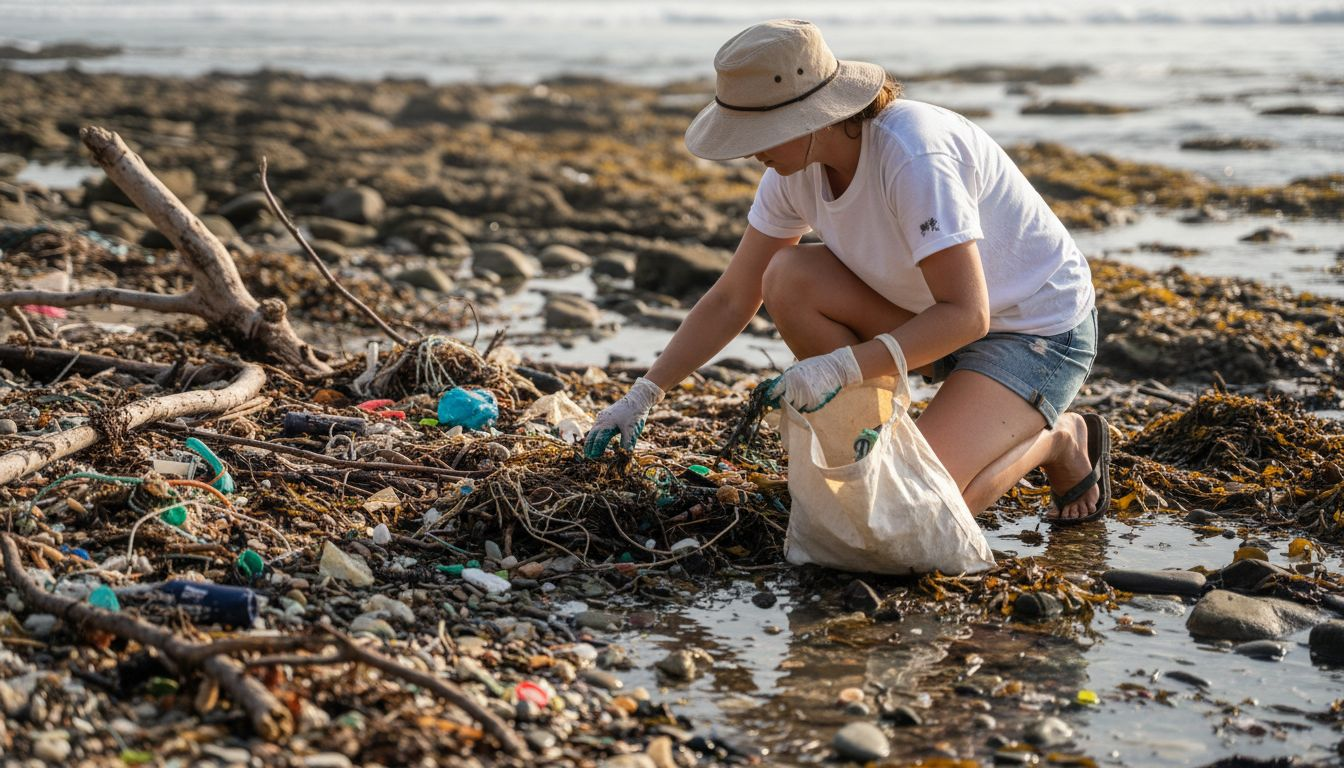
Eco-friendly swimwear manufacturers are pioneering innovative solutions to combat this pollution problem. By utilizing advanced recycled materials like Econyl and Repreve, brands can dramatically reduce environmental impact. Sustainable manufacturing practices focus on creating durable garments that shed fewer microfibers, implementing specialized production techniques that minimize plastic waste throughout the entire product lifecycle.
The broader environmental benefits extend beyond immediate pollution reduction. Sustainable swimwear approaches include comprehensive strategies such as using regenerated materials, implementing water-saving production methods, and creating longer-lasting garments that reduce overall textile waste. By prioritizing circular economy principles, eco-conscious swimwear brands are transforming how consumers think about fashion’s environmental responsibility, demonstrating that style and sustainability can coexist harmoniously.
Pro tip: Wash your sustainable swimwear in specialized microfiber-catching laundry bags to further reduce potential microplastic release during cleaning.
Ethical Manufacturing and Consumer Responsibility
Ethical swimwear manufacturing represents a comprehensive approach to responsible fashion that goes beyond environmental considerations. Ethical manufacturing addresses critical labor rights by ensuring safe working environments, fair wages, and sustainable production practices. This holistic approach transforms swimwear production from a mere commercial activity into a meaningful commitment to human dignity and environmental stewardship.
Certification plays a crucial role in validating ethical manufacturing standards. Leading swimwear manufacturers implement rigorous environmental certifications including GRS, BSCI, Sedex, and Oeko-Tex, which guarantee responsible sourcing and transparent supply chains. These certifications provide consumers with tangible evidence of a brand’s commitment to sustainable and ethical production, allowing them to make informed purchasing decisions that align with their values.
The following table summarizes common eco swimwear certifications and what they validate:
| Certification | Focus Area | What It Guarantees |
|---|---|---|
| GRS | Recycled materials | Verifies recycled fiber content |
| BSCI | Labor standards | Ensures ethical treatment of workers |
| Sedex | Supply chain ethics | Tracks responsible sourcing practices |
| Oeko-Tex | Chemical safety | Checks for harmful substances in fabric |
Consumer responsibility extends beyond purchasing sustainable swimwear. It involves actively supporting brands that demonstrate transparency, advocating for ethical manufacturing practices, and understanding the broader impact of fashion choices. By choosing brands that prioritize worker welfare, environmental protection, and sustainable materials, consumers become active participants in driving positive change within the fashion industry. This approach transforms ethical consumption from a passive activity to a powerful mechanism for social and environmental transformation.
Pro tip: Research brand certifications and ask manufacturers direct questions about their labor and environmental practices before making a purchase.
Common Mistakes and How to Avoid Them
Navigating the world of sustainable swimwear requires careful consideration and awareness of potential pitfalls. Greenwashing remains one of the most significant challenges for environmentally conscious consumers, where brands create misleading marketing claims about their sustainability credentials. Consumers must learn to distinguish between genuine eco-friendly practices and superficial environmental marketing tactics that lack substantive commitment to sustainability.
Purchasing decisions often involve several common mistakes that can undermine environmental intentions. Many buyers focus exclusively on material composition without considering the entire lifecycle of their swimwear. Important factors like durability, potential microfiber shedding, production processes, and end-of-life disposal are frequently overlooked. Understanding that true sustainability extends beyond a single eco-friendly feature is crucial for making informed and responsible choices.
Ethical and environmental considerations require a holistic approach to swimwear selection. Consumers should prioritize brands that demonstrate comprehensive sustainability practices, including transparent supply chains, fair labor standards, responsible material sourcing, and genuine commitment to reducing environmental impact. This means researching brand certifications, understanding manufacturing processes, and being willing to invest in higher-quality garments that offer longer lifespans and minimal environmental degradation.
Pro tip: Always request detailed information about a brand’s sustainability practices and be prepared to ask specific questions about material sourcing, manufacturing processes, and environmental certifications.
Embrace Eco-Lifestyle with Sustainable Swimwear That Makes a Difference
The article highlights the crucial role swimwear plays in adopting an eco-lifestyle, especially addressing challenges like microplastic pollution and ethical manufacturing. If you want to avoid common sustainability pitfalls such as greenwashing and support brands that truly minimize ocean waste and prioritize ethical labor, choosing the right swim trunks or bikinis is key. Concepts like regenerated nylon and thorough certification matter because your swimwear is more than a garment — it is a commitment to protecting marine life and reducing your carbon footprint.
Explore our carefully curated collection of stylish, eco-friendly beachwear designed for men and boys at Le Club Original.

Take the step to join a community that shares your eco-conscious values by selecting swimwear made with recycled materials and transparent supply chains. Visit Le Club Original today to shop sustainable swimwear and discover how every choice can help reduce microplastic pollution while keeping you comfortable and confident. Act now because the planet and your beach days deserve better.
Frequently Asked Questions
What is the environmental impact of traditional swimwear?
Traditional swimwear often relies on synthetic fibers, contributing to microplastic pollution and environmental degradation, as these materials can shed harmful particles into aquatic ecosystems.
How does sustainable swimwear reduce environmental harm?
Sustainable swimwear utilizes recycled materials and ethical manufacturing practices, significantly lowering the environmental impact by minimizing waste and pollution throughout the production process.
What materials are commonly used in sustainable swimwear?
Common materials include regenerated nylon, recycled polyester, organic cotton, and natural fibers like hemp or bamboo, all of which offer ecological benefits and various swimwear properties.
How can consumers ensure their swimwear choices are environmentally responsible?
Consumers can look for transparent supply chains, certifications validating recycled content, and brands committed to ethical practices, ensuring their swimwear aligns with eco-lifestyle values.
Recommended
- 5 Reasons Why You Should Switch to Sustainable Swimwear – Le Club Original
- 5 Reasons Why You Should Switch to Sustainable Swimwear – Le Club Original
- Swim for a Cause: Beach Cleanup with The Surfrider Foundation – Le Club Original
- Swim for a Cause: Beach Cleanup with The Surfrider Foundation – Le Club Original