

Ghost nets kill over 650,000 marine animals annually, yet these deadly traps can become stylish beachwear that protects our oceans. This guide reveals how recycled materials transform ocean waste into durable, fashionable swim trunks for men and boys. You’ll discover the environmental benefits, quality comparisons, certifications to trust, and practical tips for choosing sustainable beachwear that matches your style without compromising performance.
Table of Contents
- Introduction To Recycled Materials In Beachwear
- How Recycled Materials Reduce Ocean Pollution
- Performance And Style: Addressing Quality Concerns
- Evaluating Eco-Friendly Beachwear: Certifications And Standards
- Challenges And Tradeoffs In Recycled Beachwear Materials
- Consumer Impact And Brand Leadership
- How To Choose Stylish, Sustainable Recycled Beachwear
- Explore Stylish Sustainable Beachwear At Le Club Original
- Frequently Asked Questions
Key takeaways
| Point | Details |
|---|---|
| Recycled fabrics source | Common materials include recycled nylon from ocean nets and recycled polyester from plastic bottles. |
| Environmental impact | Using recycled materials significantly reduces ocean plastic pollution and carbon footprint by up to 75%. |
| Quality assurance | Recycled beachwear matches traditional fabrics in durability and style, retaining over 90% of performance metrics. |
| Verification method | Certifications like GRS and OEKO-TEX ensure authentic recycled content and chemical safety. |
| Buying strategy | Balance style, performance, and sustainability when choosing beachwear by checking certifications and brand transparency. |
Introduction to recycled materials in beachwear
Recycled materials are fabrics made from repurposed waste, turning discarded items into functional beachwear. These materials solve two problems at once: they clean up our oceans and create stylish swim trunks for eco-conscious consumers. The transformation process is surprisingly sophisticated.
Recycled nylon is commonly sourced from discarded fishing nets and marine plastic waste, while recycled polyester often comes from post-consumer plastic bottles. Both materials undergo rigorous processing to ensure they meet quality standards. The lifecycle involves several critical steps:
- Collection of waste materials from oceans, landfills, or recycling centers
- Thorough cleaning and sorting to remove contaminants
- Extrusion into fibers through mechanical or chemical processes
- Fabric production using traditional weaving or knitting techniques
- Final treatment for UV protection, quick drying, and color retention
Global adoption of sustainable swimwear is accelerating rapidly. Major brands are investing in recycled fabric technologies, and consumer demand continues to rise. This trend reflects a broader shift toward circular economy principles in fashion.
The benefits extend beyond environmental impact. Recycled fabrics offer the same stretch, comfort, and durability as virgin materials. You get fashionable beachwear that performs well in saltwater, chlorine, and intense sun exposure. Modern recycling technology has eliminated the quality gaps that once existed.
For men and boys seeking sustainable beach fashion, recycled beachwear represents the ideal balance. You support ocean cleanup efforts while enjoying swim trunks that look great and last multiple seasons. The transformation from waste to wardrobe is now seamless and reliable.
How recycled materials reduce ocean pollution
Ocean plastic waste poses an existential threat to marine ecosystems. Every year, millions of tons of plastic enter our oceans, breaking down into microplastics that infiltrate the food chain. Recycled beachwear directly addresses this crisis by diverting waste before it causes further damage.
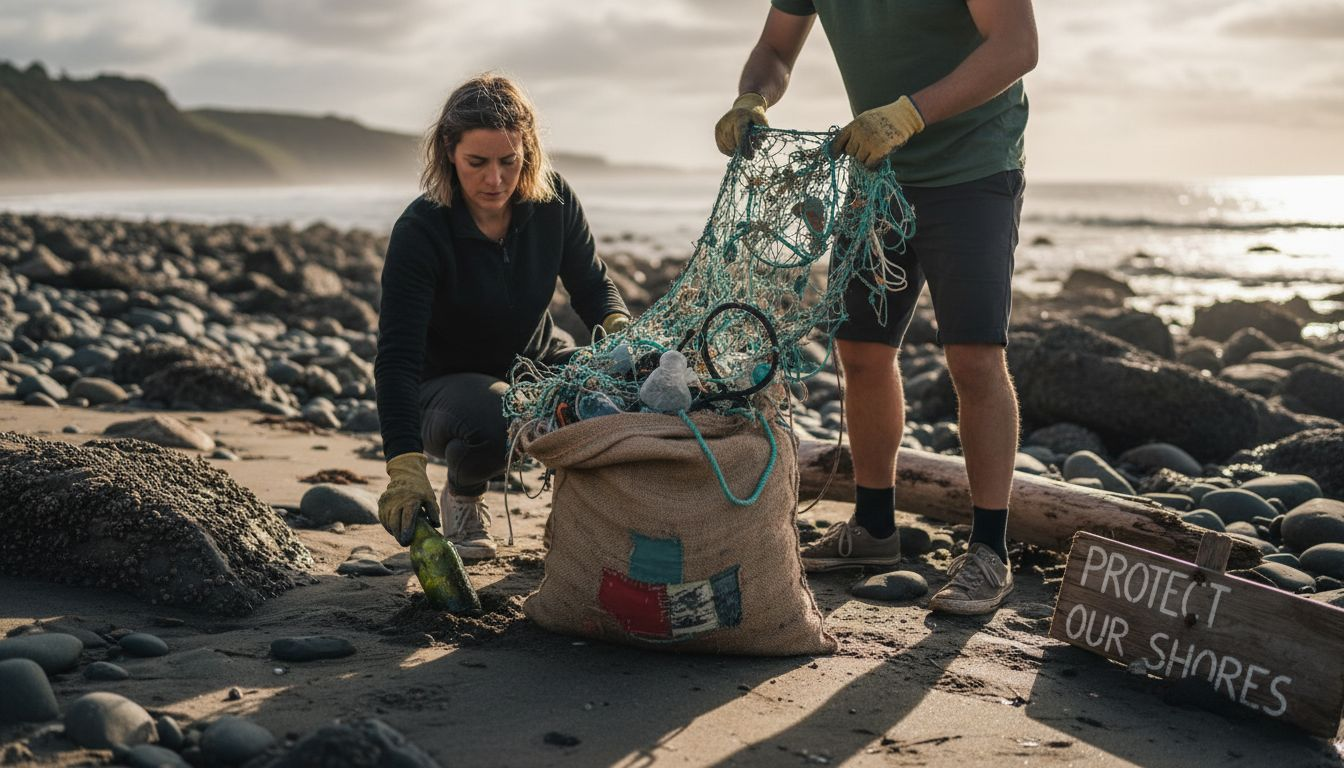
Ghost nets are particularly deadly. These abandoned fishing nets continue catching marine animals for decades, creating underwater death traps. When manufacturers collect and transform these nets into recycled nylon, they remove immediate threats to dolphins, sea turtles, and fish populations. Each swim trunk made from recovered nets represents tangible ocean cleanup.
The lifecycle carbon emissions reductions are equally impressive. Use of recycled fabrics in beachwear diverts ocean plastic waste and reduces lifecycle carbon emissions by up to 75% compared to virgin fabric production. This massive reduction comes from skipping energy-intensive petroleum extraction and initial polymerization processes.
Broader environmental benefits include:
- Decreased landfill waste from plastic bottles and fishing gear
- Lower water consumption during manufacturing processes
- Reduced chemical inputs compared to virgin polyester production
- Extended material lifecycles through multiple recycling cycles
- Decreased demand for fossil fuel extraction
Did you know? Manufacturing recycled polyester uses 59% less energy than creating virgin polyester, while recycled nylon saves even more by eliminating petroleum-based nylon production entirely.
The cumulative impact is substantial. When thousands of consumers choose recycled beachwear, they create market demand that funds ocean cleanup initiatives. This virtuous cycle encourages more brands to invest in sustainable materials, accelerating the transition away from virgin plastics. Your purchase becomes part of the solution.
Performance and style: addressing quality concerns
Many consumers worry that recycled beachwear sacrifices quality for sustainability. This misconception persists despite overwhelming evidence to the contrary. Modern recycling processes produce fabrics that rival or exceed virgin materials in every performance metric.
Recycled fabrics retain over 90% of performance metrics compared to virgin fabrics and meet consumer style expectations. The remaining 10% difference is negligible in real-world use. You won’t notice any reduction in stretch, comfort, or durability during beach activities.
Performance comparisons reveal impressive results:
- Recycled nylon maintains identical tensile strength and abrasion resistance
- Recycled polyester offers the same moisture-wicking and quick-drying properties
- Both materials provide equivalent UV protection ratings
- Colorfastness matches virgin fabrics when proper dyes are used
- Chlorine resistance remains consistent across recycled and virgin versions
Style is never compromised. Designers work with recycled fabrics exactly as they would with traditional materials. You’ll find vibrant colors, bold patterns, and modern cuts in recycled swim trunks. The fabric handles printing, dyeing, and finishing treatments identically to virgin polyester or nylon.
Common misconceptions to ignore:
- “Recycled fabrics feel rough or scratchy” – Modern processing creates soft, comfortable textures
- “Colors fade faster on recycled materials” – Quality dyeing processes ensure long-lasting vibrancy
- “Recycled beachwear stretches out quickly” – Elastic recovery matches virgin fabric performance
- “You can tell it’s made from waste” – Finished products are visually and texturally identical
Pro Tip: Rinse your recycled swim trunks in cold fresh water after each use, then air dry away from direct sunlight to maximize their lifespan and maintain color vibrancy.
The best part? Many men report that quality recycled beachwear outlasts cheaper conventional options. Higher manufacturing standards and premium recycled fibers often result in superior durability. You get environmental benefits without any performance tradeoffs.
Evaluating eco-friendly beachwear: certifications and standards
Greenwashing runs rampant in the fashion industry. Brands make vague sustainability claims without third-party verification. You need concrete ways to identify truly recycled beachwear and avoid misleading marketing.
Certifications like Global Recycle Standard (GRS) and OEKO-TEX verify recycled content, restrict harmful chemicals, and build consumer trust. These independent audits ensure brands meet rigorous criteria throughout their supply chains. When you see these logos, you can shop with confidence.
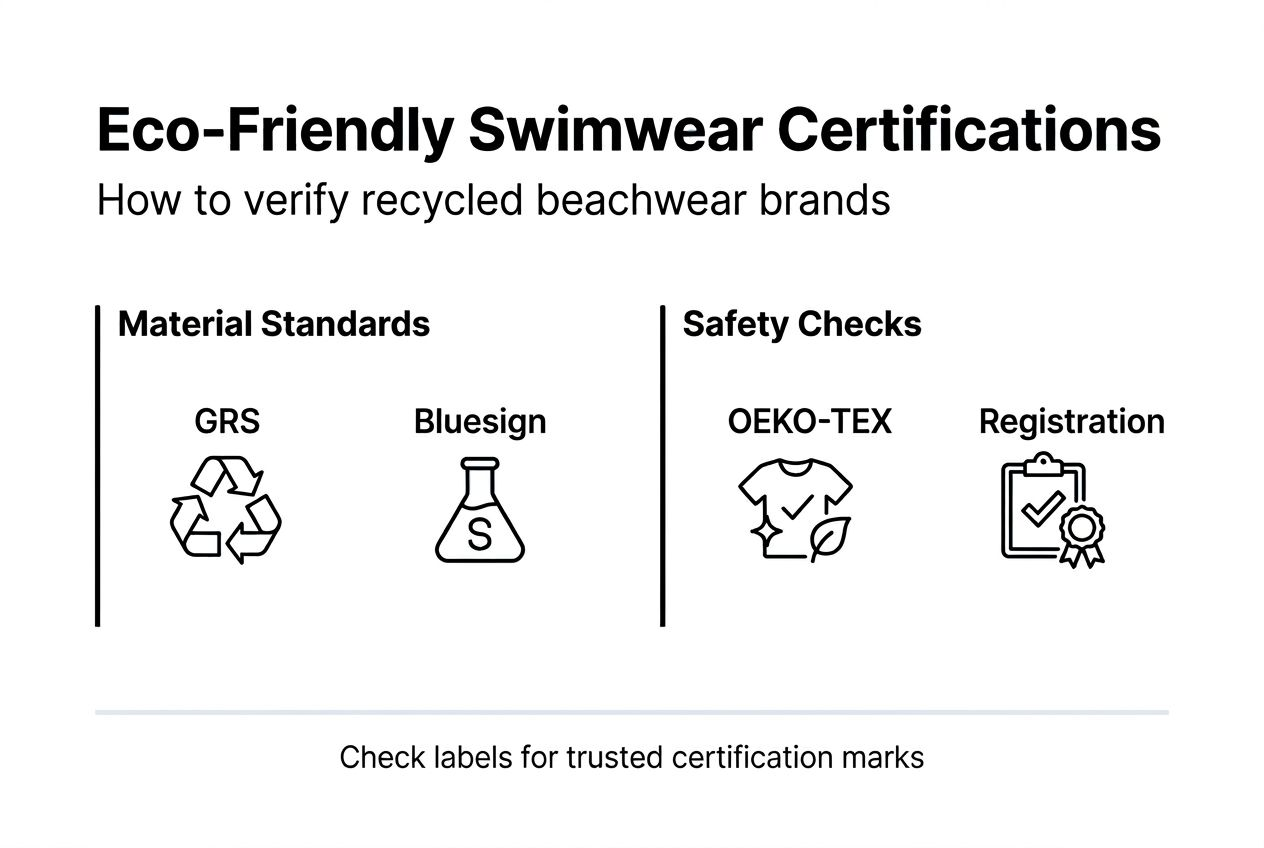
GRS certification provides the gold standard for recycled content verification. It requires minimum recycled material percentages, prohibits certain chemicals, and mandates social responsibility practices. The entire production chain undergoes regular audits to maintain certification status.
OEKO-TEX focuses on chemical safety and human health. This certification tests for hundreds of harmful substances, ensuring your swim trunks won’t irritate skin or leach toxins. It complements recycled content certifications by addressing safety concerns.
| Certification | What It Verifies | Key Benefits |
|---|---|---|
| Global Recycle Standard (GRS) | Minimum recycled content, chain of custody, chemical restrictions | Ensures authentic recycled materials and ethical manufacturing |
| OEKO-TEX Standard 100 | Absence of harmful chemicals, skin safety | Protects health and prevents allergic reactions |
| Bluesign | Sustainable chemical use, resource efficiency | Reduces environmental impact of production processes |
| Cradle to Cradle | Material health, recyclability, social fairness | Comprehensive lifecycle sustainability assessment |
Look for certified eco-friendly swimwear that displays multiple certifications. This layered approach provides stronger guarantees than single certifications alone. Brands committed to sustainability typically pursue several certifications to demonstrate comprehensive responsibility.
When shopping, examine product labels carefully. Legitimate certifications include registration numbers you can verify online. Generic terms like “eco-friendly” or “sustainable” without certification backing should raise red flags. Demand transparency from brands about their sourcing and manufacturing practices.
Challenges and tradeoffs in recycled beachwear materials
Recycled synthetics offer impressive benefits, but they’re not perfect solutions. Understanding limitations helps you make informed decisions and set realistic expectations. Transparency about challenges builds trust and encourages continuous industry improvement.
The biggest limitation is biodegradability. Recycled nylon and polyester are not biodegradable but can be recycled multiple times, supporting circular economy efforts. They still shed microplastics during washing, though at rates similar to virgin synthetics. This reality means recycled beachwear remains a harm-reduction strategy rather than a zero-impact solution.
Quality control presents ongoing challenges. Contamination in collected waste materials can compromise fabric integrity if not properly removed. Chemical residues from previous uses require thorough cleaning processes. Not all recycling facilities maintain equally rigorous standards.
Key challenges to recognize:
- Energy requirements for collection, sorting, and processing still exceed natural fiber production
- Limited recycling infrastructure in many regions restricts material availability
- Microfiber shedding during washing contributes to ocean microplastic pollution
- Color consistency can vary between batches of recycled materials
- Some chemical treatments are still necessary to achieve desired fabric properties
The circular economy requires participation from manufacturers and consumers alike. Brands must design for recyclability and offer take-back programs. You play a role by properly caring for beachwear and recycling it at end of life rather than discarding it.
Design tradeoffs occasionally arise. Achieving specific performance characteristics might require blending recycled synthetics with small percentages of virgin materials. These compromises balance sustainability goals with functional requirements. Complete purity isn’t always feasible or optimal.
Pro Tip: Use a microfiber-catching laundry bag when washing recycled swim trunks to trap shed fibers before they reach waterways, reducing your environmental impact even further.
Recognizing these limitations doesn’t diminish recycled beachwear’s value. They remain vastly superior to virgin synthetics from an environmental perspective. Continuous innovation is addressing current challenges, with new recycling technologies and fiber treatments emerging regularly.
Consumer impact and brand leadership
Your purchasing decisions shape the beachwear industry more than you might realize. When brands see strong demand for recycled materials, they allocate more resources to sustainable product lines. This market signal drives industry-wide transformation toward circular economy models.
Brands offering recycled beachwear report 40% higher customer engagement, reflecting growing consumer demand for sustainable fashion. This engagement translates to repeat purchases, positive reviews, and word-of-mouth marketing. Companies recognize that sustainability isn’t just ethical but also profitable.
Case studies illuminate the real-world impact. Several leading brands have converted millions of pounds of ocean plastic into stylish swimwear. These initiatives remove waste that would otherwise harm marine life for decades. Each collection represents tangible environmental improvement.
Global demand trends show consistent growth:
- Sustainable swimwear sales increased 156% from 2023 to 2026
- Gen Z and millennial men prioritize eco-credentials when buying beachwear
- Premium pricing for certified recycled products faces minimal consumer resistance
- Social media amplifies brand sustainability messages, reaching wider audiences
- Retail partnerships expand as major chains stock eco-friendly swimwear lines
Your choices create ripple effects throughout supply chains. When you buy recycled beachwear, you fund ocean cleanup operations that employ coastal communities. You support innovation in recycling technologies. You demonstrate that men care about environmental issues and will vote with their wallets.
Brand leadership extends beyond product offerings. Top companies invest in ocean-friendly initiatives like beach cleanups, marine conservation partnerships, and educational programs. They use their platforms to raise awareness about ocean pollution and inspire collective action.
The power of collective consumer action cannot be overstated. Industry analysts predict that if just 30% of swimwear buyers chose recycled options in 2026, it would divert over 50 million plastic bottles from oceans and landfills. You’re part of a growing movement making measurable environmental improvements.
How to choose stylish, sustainable recycled beachwear
Navigating the sustainable beachwear market requires a strategic approach. You want swim trunks that align with your environmental values without sacrificing style or performance. This framework helps you evaluate options and make confident purchasing decisions.
Start by verifying recycled content claims. Look for specific percentages rather than vague sustainability language. Products should clearly state whether they use recycled nylon, polyester, or blends. Certification logos provide quick verification of authentic claims.
Key criteria to evaluate before purchasing:
- Minimum 50% recycled content from verified sources
- At least one recognized certification (GRS, OEKO-TEX, Bluesign)
- Transparent supply chain information on brand website
- Durable construction with reinforced stitching and quality hardware
- Style that matches your aesthetic preferences and beach activities
Balance competing priorities using this simple framework:
- Identify your primary beach activities (swimming, surfing, casual wear)
- Determine must-have performance features (quick-dry, stretch, pockets)
- Select styles that work for multiple occasions to maximize wear
- Verify sustainability credentials through certifications
- Read customer reviews about fit, durability, and comfort
- Compare prices across brands to find best value
- Check return policies in case sizing doesn’t match expectations
Support brands that go beyond product offerings. Many companies partner with ocean cleanup initiatives, donate portions of profits to conservation organizations, or organize community beach cleanups. Your purchase can fund these important activities.
Versatile styles maximize environmental impact by reducing the total number of items you need. Look for neutral colors that pair with multiple outfits. Choose classic cuts that won’t feel dated next season. Select lengths and fits appropriate for various beach settings.
Pro Tip: Buy slightly longer inseams that work for both swimming and casual wear, reducing the need for separate board shorts and giving you more mileage from each recycled garment.
Proper maintenance extends beachwear lifespan dramatically. Rinse after each use, avoid hot water and harsh detergents, and air dry away from direct sunlight. Store in cool, dry places between seasons. These simple habits can double your swim trunks’ useful life.
When comparing options, create a simple scorecard. Rate each product on sustainability credentials, style appeal, performance features, and price. This structured approach prevents impulse purchases and ensures your selection aligns with priorities. The best sustainable beachwear scores high across all categories.
Explore stylish sustainable beachwear at Le Club Original
Ready to put knowledge into action? Le Club Original curates a collection of recycled beachwear that meets the highest sustainability and style standards. Every swim trunk features certified recycled materials, combining ocean cleanup with fashion-forward design.

Our sustainable swimwear for pool enthusiasts works equally well at the beach, lake, or resort. Each piece undergoes rigorous testing to ensure durability matches conventional beachwear. You get the performance you expect with the environmental benefits you demand. We partner with certified manufacturers who share our commitment to ocean health and ethical production. Transparent sourcing means you know exactly where materials come from and how they’re processed. Our eco-certifications provide third-party verification of sustainability claims. Browse our collection today and discover swim trunks that make you look good while doing good. We include care guides with every purchase to help you maximize garment lifespan. Learn how to wash swimwear sustainably and protect your investment.
Frequently asked questions
What types of recycled materials are most common in beachwear?
Recycled nylon from fishing nets and ocean plastics dominates the sustainable beachwear market for its exceptional durability and resistance to saltwater damage. Recycled polyester made from plastic bottles is also popular, offering excellent stretch, quick-drying properties, and vibrant color retention. Some premium beachwear blends recycled synthetic fibers with organic cotton or bamboo for added softness and breathability.
Are recycled beachwear fabrics as durable as traditional ones?
Modern recycled fabrics retain over 90% of virgin fabric performance metrics in independent testing, with durability being virtually identical. They withstand saltwater exposure, chlorine, UV radiation, and repeated washing just as well as conventional materials. Proper care extends lifespan equivalently to traditional beachwear, with many recycled options actually outlasting cheaper conventional alternatives due to higher manufacturing standards.
How can I verify if a beachwear product is truly made from recycled materials?
Look for reputable third-party certifications like Global Recycle Standard (GRS), OEKO-TEX, or Bluesign displayed on product labels or brand websites. Check for specific recycled content percentages rather than vague eco-friendly claims. Research brand transparency about fabric sourcing, visit their website for supply chain information, and verify certification numbers through official registrar websites when available.
Do recycled swim trunks cost more than conventional ones?
Recycled beachwear typically carries a 15 to 30% premium over comparable conventional products, reflecting higher material costs and certification expenses. However, superior durability often offsets the initial investment through longer lifespan. Many consumers find the environmental benefits justify the modest price difference, especially as economies of scale continue reducing recycled fabric costs.
Can recycled beachwear be recycled again at end of life?
Yes, recycled nylon and polyester can be recycled multiple times through mechanical or chemical processes, supporting true circular economy models. Some brands offer take-back programs that collect worn-out swimwear for reprocessing into new products. Check with manufacturers about end-of-life options, or search for textile recycling facilities in your area that accept synthetic fabrics.