

Every father knows the struggle of finding swimwear that looks good and stands up to active beach days while also reflecting true environmental responsibility. For European families, the summer season brings a chance to embrace style without sacrificing eco-conscious values. By choosing sustainable swimwear made from recycled fabrics and ethical production methods, you build a wardrobe foundation that lasts longer, feels better, and protects the planet. This guide helps you confidently blend fashion-forward choices with practical sustainability for your son’s next beach adventure.
Table of Contents
- Step 1: Choose Sustainable Swimwear For A Stylish Base
- Step 2: Pair With Functional Eco-Friendly Accessories
- Step 3: Layer Responsibly With Lightweight Cover-Ups
- Step 4: Check Fit And Comfort For All-Day Wear
Quick Summary
| Key Insight | Explanation |
|---|---|
| 1. Choose sustainable materials | Opt for swimwear made from recycled or plant-based fabrics to reduce environmental impact. |
| 2. Invest in quality accessories | Select eco-friendly accessories that enhance comfort and style while serving practical purposes. |
| 3. Prioritize fit and comfort | Ensure swimsuits fit well to encourage frequent wear and avoid discomfort during activities. |
| 4. Layer with versatile cover-ups | Use lightweight cover-ups to protect swimwear and create diverse outfits. |
| 5. Proper maintenance extends life | Care for swimwear appropriately to prevent premature wear and keep colors vibrant. |
Step 1: Choose Sustainable Swimwear for a Stylish Base
Your swimwear foundation determines everything that follows. A well-chosen sustainable piece works harder in your summer wardrobe than you might think, giving you confidence and style while reducing environmental impact.
Start by understanding what makes swimwear truly sustainable. Look for pieces made with recycled nylon and polyester fabrics that deliver both performance and durability, or plant-based alternatives that require fewer resources to produce. These materials directly address the environmental concerns found in conventional swimwear production.
Here’s a quick reference for sustainable swimwear material options:
| Material Type | Key Benefit | Typical Environmental Impact |
|---|---|---|
| Recycled Nylon | Durable, resilient fabric | Reduces landfill plastic |
| Recycled Polyester | High performance in water | Lowers fossil fuel demand |
| Plant-Based Fibers | Biodegradable, soft feel | Minimizes resource use |
When evaluating options, consider these key factors:
- Fabric composition: Recycled synthetics or innovative plant-based yarns reduce carbon footprint significantly
- Construction quality: Look for reinforced seams and high-density stitching that extends garment life
- Ethical manufacturing: Verify that production practices meet fair labor and environmental standards
- Design versatility: Choose colors and cuts that pair easily with other pieces you already own
Your sustainable swimwear should feel like a luxury investment, not a compromise. Brands combining ethical production with elegant design prove that sustainability and style aren’t opposites.
Take time examining fit and cut specifically for your son’s frame. A properly fitting swimsuit prevents discomfort during summer activities and encourages regular use, extending its lifespan significantly. When garments are worn consistently, their environmental impact per wear decreases dramatically.
Quality sustainable swimwear isn’t just better for oceans—it’s better value because it lasts longer and stays stylish across multiple seasons.
Remember that proper aftercare extends garment longevity substantially. Understanding how to maintain swimwear through correct washing and storage prevents premature wear and keeps colors vibrant throughout the summer.
Pro tip: Choose neutral base colors like navy, charcoal, or earth tones that coordinate with multiple cover-ups and accessories, allowing you to build entire outfits from a single quality piece.
Step 2: Pair With Functional Eco-Friendly Accessories
Accessories transform a basic swimsuit into a complete beach outfit while serving practical purposes. The right eco-friendly additions make your son’s summer experience more comfortable and stylish without compromising environmental values.
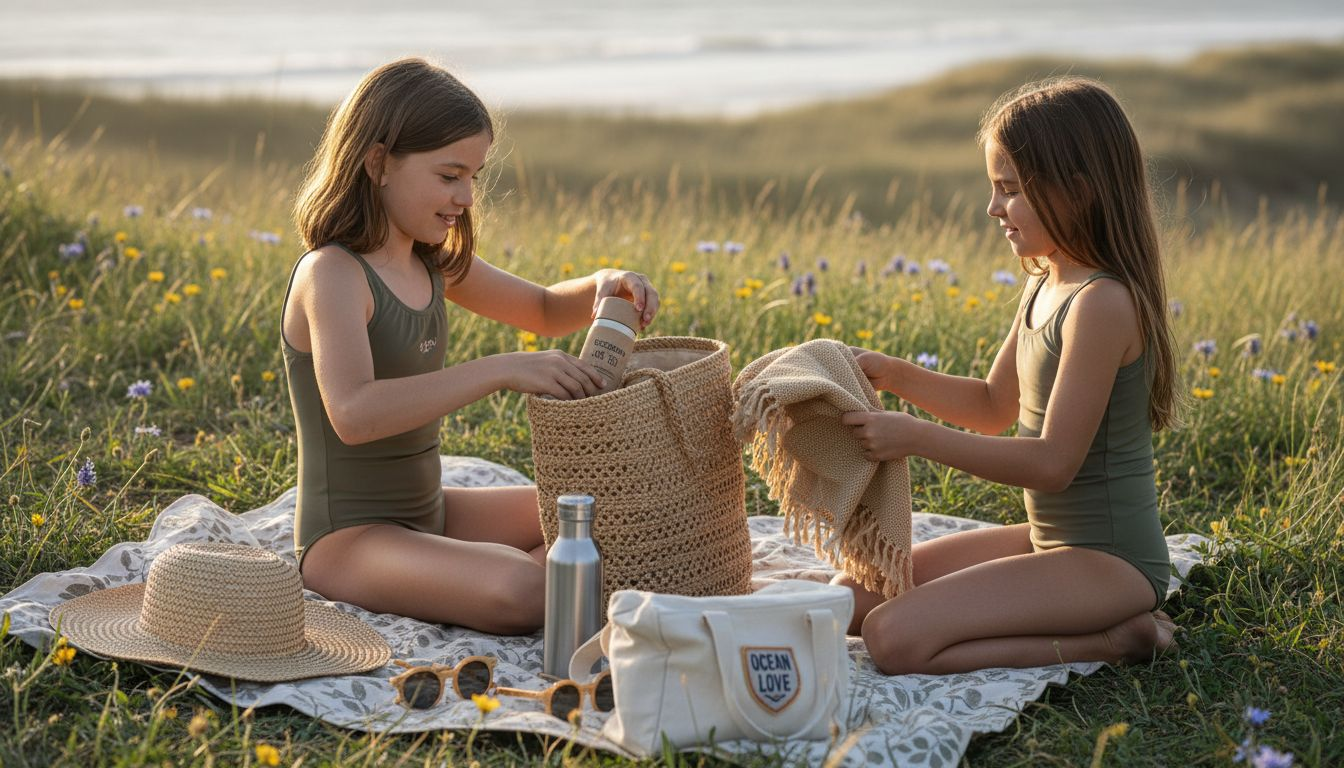
Start by choosing items that serve double duty: looking great while actually being useful. Sustainable swimming accessories made from cork and recycled materials deliver durability and environmental responsibility simultaneously. These pieces extend beyond decoration into genuine functionality during water activities.
Consider adding these functional items to your beach kit:
- Biodegradable swimwear bag: Protects wet items without plastic waste accumulating in your home
- Recycled rash guard or shirt: Provides sun protection while layering effortlessly over swimwear
- Eco-conscious towel: Choose organic cotton or recycled microfiber that dries quickly and lasts for seasons
- Sustainable flip-flops or water shoes: Cork or recycled rubber soles reduce ocean microplastics from footwear breakdown
- Reusable water bottle: Keeps your son hydrated while eliminating single-use plastic bottles at the beach
These accessories should complement your sustainable swimwear base, not compete with it. Each piece you choose extends the lifespan of your overall beach wardrobe by protecting garments from sun damage, sand abrasion, and chlorine exposure.
Compare the impact of sustainable accessory choices:
| Accessory | Sustainability Benefit | Added Value for Summer Use |
|---|---|---|
| Recycled rash guard | Lower carbon footprint | Sun protection, layering option |
| Cork flip-flops | Biodegrades after use | Reduces microplastics at beaches |
| Organic cotton towel | Less water and energy to produce | Quick-drying, gentle on skin |
Functional eco-friendly accessories aren’t luxuries—they’re investments that protect your investment in quality sustainable swimwear.
When selecting colors and styles, coordinate with your swimwear foundation. Neutral cover-ups and accessories create visual cohesion while maintaining versatility across multiple outfits throughout the summer season.
Think about your typical beach activities when choosing accessories. A day at the pool requires different items than a seaside vacation, so prioritize based on what your family actually uses most.
Pro tip: Buy quality accessories in neutral tones that coordinate with multiple swimsuits, allowing you to rotate pieces seasonally and extend the usable life of your entire eco-friendly beach collection.
Step 3: Layer Responsibly With Lightweight Cover-Ups
Layering adds versatility and protection without excess bulk or waste. The right cover-up extends your sustainable swimwear’s lifespan by shielding it from sun damage while creating entirely new outfits from your existing pieces.
When selecting cover-ups, prioritize lightweight materials that pack easily and transition seamlessly between beach and casual settings. Look for sustainable fabrics like ECONYL and responsibly sourced materials that resist pilling and fading through repeated wear and washing.
Choose cover-up styles strategically for maximum versatility:
- Linen shirts or overshirts: Breathable, lightweight, and pair with both swimwear and regular clothes
- Lightweight pullovers: Easy to slip on and off while maintaining a polished look
- Casual button-ups: Versatile enough for beach outings and family dinners
- Swim-specific rash guards: Designed for water exposure and quick-drying performance
- Layering tanks: Thin enough to wear under almost anything without adding bulk
Timing matters when layering. Apply cover-ups when your son exits the water, protecting his skin from additional sun exposure and keeping his swimwear from prolonged sun contact that degrades fabrics over time.
Thoughtful layering reduces the number of swimsuits you need because each piece works harder across more occasions and seasons.
Durable, timeless designs outlast trendy pieces, making them smarter environmental choices. A quality cover-up worn consistently across multiple summers delivers far better value than seasonal disposable fashion.
Store layers properly between uses to maintain their structure and color vibrancy. Fold rather than hang heavier pieces to prevent stretching, and keep everything in a cool, dry space away from direct sunlight.
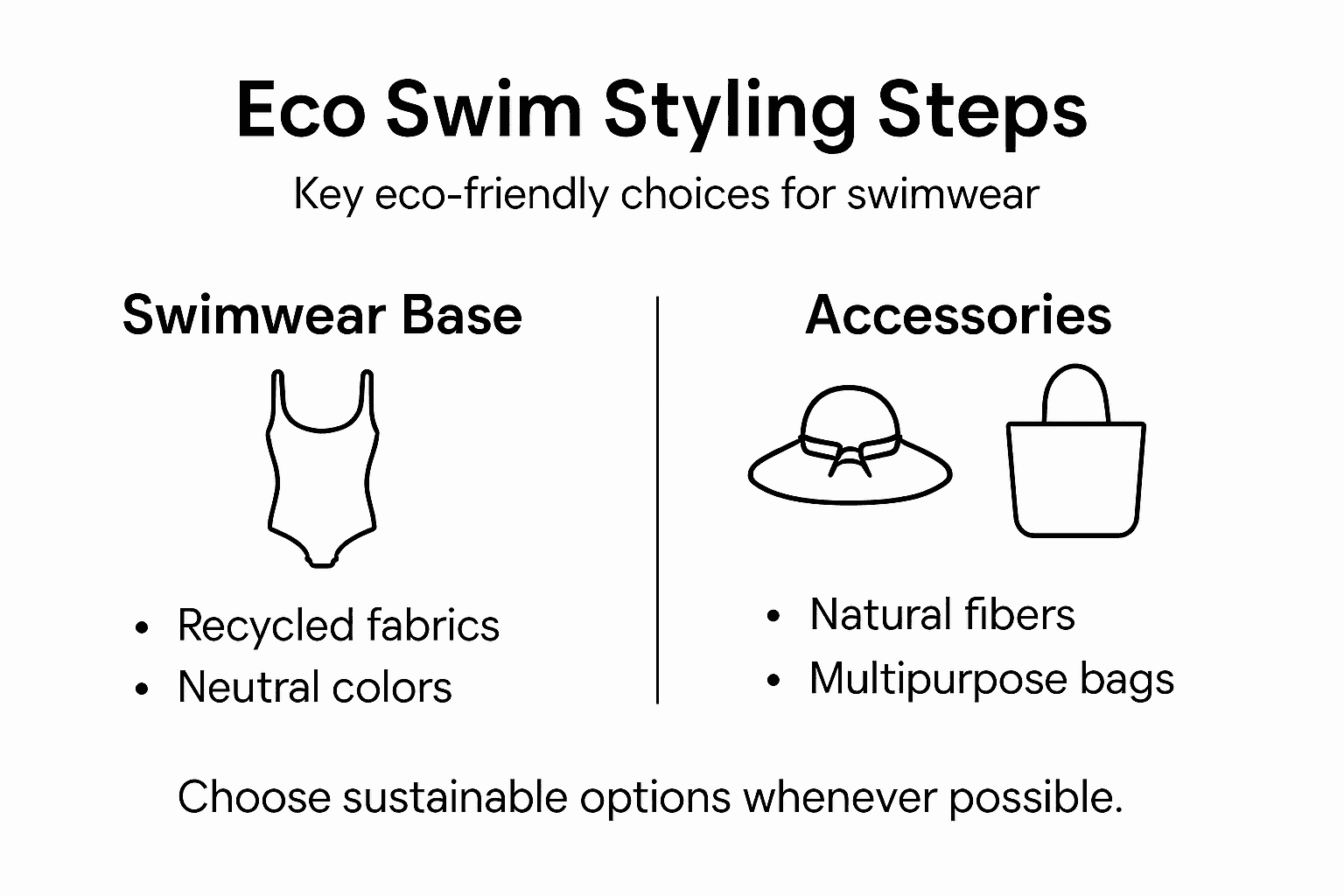
Pro tip: Invest in one or two neutral cover-ups in natural fibers that complement every swimsuit you own, creating a flexible wardrobe foundation that grows with your son without requiring constant new purchases.
Step 4: Check Fit and Comfort for All-Day Wear
Proper fit determines whether your son actually wants to wear his swimwear all summer or avoids it after one uncomfortable outing. Comfort isn’t a luxury when building a sustainable wardrobe—it’s the foundation that ensures pieces get worn repeatedly.
Start by understanding what makes sustainable swimwear comfortable. Eco-friendly fabrics like ECONYL and REPREVE combine durability with stretch and softness that rival traditional synthetics while reducing ocean microplastics. These materials recover their shape after water exposure and maintain elasticity through countless washes.
When evaluating fit, focus on these critical areas:
- Waistband tightness: Should stay in place during active movement without leaving marks or causing discomfort
- Leg opening: Not too tight around thighs or groin, allowing unrestricted movement for running and swimming
- Length and rise: Sits properly without excessive fabric bunching or riding up during activity
- Fabric stretch: Test by pulling the material—it should return to original shape instantly
- Shoulder and chest fit: Allows full arm movement for swimming strokes without restriction
Have your son wear the swimsuit while moving, not just standing still. Walk around, bend over, and simulate actual swimming motions to identify potential discomfort before committing to the purchase. Active testing reveals fit issues that static poses miss.
A swimsuit that fits perfectly but gets worn three times costs more per wear than one worn fifty times with slightly less perfect fit.
Quality sustainable swimwear designed for all-day comfort includes features like quick-drying fabrics, UV protection, and supportive construction. These functional elements make extended water time and poolside lounging genuinely enjoyable.
Consider your son’s specific body type and preferences. Some boys prefer fitted suits while others want relaxed cuts. Respecting his comfort preferences encourages him to embrace sustainable fashion as his own choice.
Pro tip: Size up slightly if between sizes—fabric stretches with wear, and a snug fit becomes uncomfortably tight after repeated use, whereas a slightly loose fit accommodates growth and maintains comfort through the entire summer season.
Elevate Your Son’s Summer Style with Sustainable Swimwear from Le Club Original
Finding sustainable swimwear that combines comfort, style, and eco-friendly materials can be challenging. This guide highlights key concerns like fabric durability, ethical production, and proper fit to ensure your son enjoys all-day comfort while making a positive impact on the environment. At Le Club Original, we understand these priorities and offer a curated selection of stylish, high-quality swim trunks and beachwear made from recycled and responsibly sourced materials.
Discover swimwear that fits perfectly and feels great for every summer adventure. Browse our collection featuring sustainable fabrics designed with both performance and the planet in mind. Take advantage of our seasonal sales with discounts up to 50% while supporting ethical fashion that protects our oceans. Shop now at Le Club Original and give your son a beach wardrobe he will love to wear for seasons to come. Visit our seasonal sales and start building a sustainable summer wardrobe today.
Frequently Asked Questions
How can I choose sustainable swimwear?
Choosing sustainable swimwear involves looking for pieces made from recycled materials like nylon and polyester, or innovative plant-based fabrics. Check the fabric composition and construction quality to ensure it is durable and ethically manufactured. Focus on options that combine both environmental responsibility and stylish design.
What accessories should I include with my sustainable swimwear?
Include functional eco-friendly accessories like biodegradable swimwear bags, recycled rash guards, and organic cotton towels. These items not only enhance your beach experience but also reduce plastic waste. Aim to select accessories that complement your swimwear and provide practical benefits, like sun protection or quick drying.
How do I properly layer swimwear with cover-ups?
To layer swimwear effectively, choose lightweight cover-ups made from sustainable fabrics that protect your skin from sun damage. Popular options include linen shirts and casual pullovers that transition well from the beach to casual outings. Opt for neutral colors to easily mix and match with your swimwear for a versatile summer wardrobe.
What should I look for in terms of fit and comfort when selecting swimwear?
Focus on the waistband tightness, leg openings, and overall length to ensure the swimwear fits comfortably. Have your son try the swimsuit while moving to identify any discomfort, as this reflects real-world wear. Always consider sizing up slightly if between sizes to accommodate growth and maintain comfort.
How does proper swimwear care extend its longevity?
Proper swimwear care, such as washing in cold water and air drying, can significantly extend its lifespan. Avoid exposing swimwear to excessive heat and direct sunlight during storage. Follow these practices consistently to ensure vibrant colors and fabric integrity last throughout multiple seasons.
Recommended
- How to Style Sustainable Swim Trunks for Effortless Beach Looks – Le Club Original
- How to Choose Eco Swimwear for Style and Sustainability – Le Club Original
- How to Style Men’s Beachwear for a Modern Sustainable Look – Le Club Original
- How to Style Swimwear for Men for a Modern Beach Look – Le Club Original
- Secret Costa Blanca | Curated Activities & Experiences in Spain
- Is Brilliante Crystal Cleaner the Right Choice for an Environmentally Conscious Home