

Finding truly sustainable swimwear online is frustrating. You face unclear certifications, vague brand claims, and sizing guesswork that often leads to returns and waste. This guide teaches you how to confidently verify materials, evaluate brand ethics, nail sizing, and avoid costly mistakes. By following these steps, you’ll reduce dissatisfaction and shop eco swimwear with clarity. Research shows up to 40% of eco swimwear shoppers end up dissatisfied due to ignoring authentic certifications.
Table of Contents
- Prerequisites: What You Need Before Shopping
- Step 1: Understanding Sustainable Materials In Swimwear
- Step 2: Evaluating Brand Ethics And Transparency
- Step 3: Sizing And Fit Considerations For Men And Boys
- Step 4: Best Practices For A Seamless Online Shopping Experience
- Step 5: Avoiding Common Mistakes And Pitfalls
- Step 6: Expected Outcomes And Sustainability Impact
- Shop Stylish Sustainable Swimwear At Le Club Original
- Frequently Asked Questions
Key Takeaways
| Point | Details |
|---|---|
| Certified sustainable fabrics | Verified materials like recycled nylon reduce buyer regret and ensure authenticity. |
| Ethical brand transparency | Reviewing sustainability reports helps avoid greenwashing and supports responsible companies. |
| Accurate sizing practices | Using size charts and customer reviews cuts returns by over 30% and reduces waste. |
| Smart shopping platforms | Free shipping and easy returns improve satisfaction and environmental outcomes. |
Prerequisites: What You Need Before Shopping
Before you start browsing, prepare yourself with essential knowledge and tools. Know your accurate body measurements to choose the right size and avoid unnecessary returns. Measure your waist, hips, and inseam length using a flexible tape measure. Write these numbers down and keep them handy when comparing size charts.
Understand common sustainable fabrics and recognized certifications. Familiarity with sustainable fabric types and certifications is critical before shopping. Look for OEKO-TEX, Global Recycled Standard (GRS), and similar third-party verifications. These labels confirm that materials meet strict environmental and safety standards.
Access brand transparency information before purchasing. Visit company websites to find sustainability reports, labor practice disclosures, and manufacturing details. Brands committed to ethics publish this information openly. If you cannot find clear details, consider it a red flag.
Familiarize yourself with online shopping basics to protect your purchase:
- Check return policies carefully, noting timeframes and conditions.
- Review shipping details including costs, delivery times, and tracking options.
- Read customer reviews thoroughly, focusing on fit, quality, and durability feedback.
- Look for product Q&A sections where shoppers ask specific questions.
Pro Tip: Create a checklist of your measurements, preferred certifications, and must-have features before you start shopping. This keeps you focused and prevents impulse purchases that may not meet your needs.
Step 1: Understanding Sustainable Materials in Swimwear
Authentic eco swimwear uses specific materials you can verify. Focus on swimwear made with recycled nylon or polyester, which repurpose ocean plastic and post-consumer waste. Recycled nylon and polyester certified by OEKO-TEX and Global Recycled Standard indicate true sustainability. These materials perform as well as virgin fabrics while dramatically reducing environmental impact.
Verify certifications by checking product descriptions and tags. OEKO-TEX Standard 100 ensures fabrics are free from harmful chemicals. GRS confirms materials contain verified recycled content and meet environmental and social criteria throughout production. Bluesign certification indicates responsible resource use and worker safety. Look for these logos prominently displayed on product pages.
| Certification | What It Verifies | Why It Matters |
|---|---|---|
| OEKO-TEX | Chemical safety and skin health | Protects you from toxins in fabrics |
| Global Recycled Standard | Recycled content and ethical production | Confirms genuine recycled materials |
| Bluesign | Resource efficiency and worker safety | Ensures responsible manufacturing |
Be cautious of unverified eco-friendly labels. Terms like “natural,” “green,” or “eco-conscious” mean nothing without backing certifications. Greenwashing is common in swimwear marketing. Brands may use earth-toned packaging or nature imagery while offering conventionally produced products.
Key sustainable fabric types to prioritize:
- Recycled polyester made from plastic bottles and fishing nets
- ECONYL regenerated nylon from ocean and landfill waste
- Recycled polyamide fabrics with GRS certification
- Blends combining recycled materials for optimal performance
Pro Tip: When browsing, open product pages in new tabs and compare certification claims across multiple brands. Learn more about eco-certifications explained to deepen your verification skills.
Step 2: Evaluating Brand Ethics and Transparency
Genuine ethical brands openly share their practices. Look for companies that publish transparency and impact reports covering labor conditions, supply chain details, and environmental initiatives. These documents reveal whether brands walk the talk or simply market sustainability.

Confirm fair labor standards by reviewing factory information, wage policies, and worker welfare programs. Ethical swimwear brands partner with certified facilities and conduct regular audits. Reviewing transparency reports reduces greenwashing risk by 40%. Transparent companies list factory locations and share third-party audit results.
Recognize common greenwashing signs that should raise concerns:
- Vague language like “eco-friendly” without specific claims
- Missing certifications or unverifiable labels
- No information about manufacturing locations or partners
- Sustainability pages with pretty images but no concrete data
- Contradictory practices like fast fashion business models with “green” messaging
Trust verified third-party certifications over brand self-declarations. B Corporation status, Fair Trade certification, and membership in industry alliances like the Sustainable Apparel Coalition indicate serious commitment. Check user feedback on independent review sites and social media for honest experiences regarding brand ethics.
Dig deeper into supply chain practices. Ethical brands trace materials from source to finished product. They disclose fiber suppliers, dyeing facilities, and assembly locations. Brands hiding these details likely have something to conceal.
Pro Tip: Visit company About pages and look for founder stories, mission statements, and specific sustainability goals with timelines. Genuine brands articulate clear values and measurable objectives. Explore ethical brand evaluation for a comprehensive assessment framework.
Step 3: Sizing and Fit Considerations for Men and Boys
Poor fit drives returns, waste, and frustration. Review brand-specific size charts carefully and compare them to your measurements. Sizing varies significantly across brands. A medium at one company may fit like a large at another. Never assume your usual size will work without checking.
Proper use of size charts and customer feedback can cut fit-related returns by over 30%. Read customer reviews focusing on fit feedback. Look for comments about whether items run small, large, or true to size. Pay attention to reviews from shoppers with similar body types.
Use available size guide videos or measurement tutorials for precision. Many brands provide visual instructions showing exactly where and how to measure. Follow these steps to measure accurately:
- Use a flexible fabric tape measure, not a rigid ruler.
- Measure around your natural waist where you typically wear shorts.
- Measure hips at the widest point, usually around the buttocks.
- For boys’ swimwear, measure inseam from crotch to desired length.
- Compare all measurements to the brand chart, not just waist size.
Consider fit preferences based on activity. Swim trunks for active water sports need snugger fits to stay secure. Beach lounging allows more relaxed, comfortable cuts. Check product descriptions for intended use and fit style, whether athletic, classic, or relaxed.
Look for detailed product Q&A sections where shoppers ask fit questions. Brands often respond with specific guidance. Questions about thigh room, waistband stretch, and length relative to knee position provide valuable context beyond basic measurements.
Pro Tip: Screenshot or save size charts when ordering. If you need to reorder or exchange, you will have exact reference points. Consult the men’s swimwear sizing guide and accurate swimwear sizing steps for comprehensive measurement techniques.
Step 4: Best Practices for a Seamless Online Shopping Experience
Smart shopping habits reduce hesitation and environmental impact. Choose sellers offering free shipping and straightforward return policies. High shipping costs and complicated returns discourage eco-conscious purchases. Ease of returns and free shipping policies increase satisfaction and reduce environmental impact. Look for minimum order thresholds that make sense for your budget.
Take advantage of seasonal sales and discount offers. Sustainable swimwear often carries premium prices reflecting ethical production. Sales help balance cost and values. Sign up for brand newsletters to receive early access to promotions without compromising on sustainability standards.
Carefully study customer reviews and product Q&A sections:
- Read recent reviews to get current quality and service feedback
- Filter by verified purchases to avoid fake reviews
- Look for detailed comments about fabric feel, color accuracy, and durability
- Check how brands respond to negative reviews for customer service insights
Avoid impulse purchases by planning thoroughly. Create a wishlist and research each item before checkout. Compare similar products across brands. Consider your actual swimwear needs versus wants. One high-quality pair that lasts seasons beats multiple cheap options.
Keep records of orders and return timelines. Save confirmation emails, take screenshots of product pages, and note return windows. This organization helps manage exchanges smoothly and ensures you do not miss deadlines. Track shipping to anticipate delivery and plan try-ons.
Pro Tip: Add items to your cart and wait 24 hours before purchasing. This cooling-off period prevents regrettable impulse buys and gives you time to verify all details. Review shopping best practices for additional consumer protection strategies.
Step 5: Avoiding Common Mistakes and Pitfalls
Common errors undermine satisfaction and sustainability goals. Never rely solely on marketing claims without verifying certifications. Beautiful website copy and eco imagery do not guarantee authentic sustainability. Ignoring certifications causes 40% dissatisfaction; neglecting fit boosts returns by 35%. Always cross-check certification logos against official registries.
Always check size guides and reviews to avoid poor fit. Skipping this step is the leading cause of returns. Size discrepancies waste your time, money, and shipping resources. Spend five minutes comparing measurements versus hours managing returns.
Investigate brand transparency before purchasing. Visit company websites beyond product pages. Read About sections, sustainability reports, and news updates. Brands committed to ethics make information easily accessible. Hidden or missing details signal potential greenwashing.
Avoid these specific pitfalls:
- Buying based on lowest price alone, which often indicates poor labor practices
- Ignoring fabric composition details and care requirements
- Overlooking shipping origins and carbon footprint of delivery
- Failing to verify return policies before purchase
- Trusting influencer promotions without independent research
“The biggest mistake eco shoppers make is assuming all ‘sustainable’ labels are equal. Certifications matter because they provide third-party verification that marketing claims cannot replace.”
Pro Tip: Keep a digital checklist of certification logos and brand transparency indicators. Before purchasing, verify each item meets your standards. Screenshot certifications from product pages for your records. Review common shopper mistakes to learn from others’ experiences.
Step 6: Expected Outcomes and Sustainability Impact
Following this guide delivers tangible benefits. Durability of 18-24 months reduces ocean pollution; brand transparency increases buyer trust over 60%. Expect certified eco swimwear to last 18 to 24 months with proper care, significantly longer than fast fashion alternatives. Quality construction and durable fabrics enhance value despite higher upfront costs.
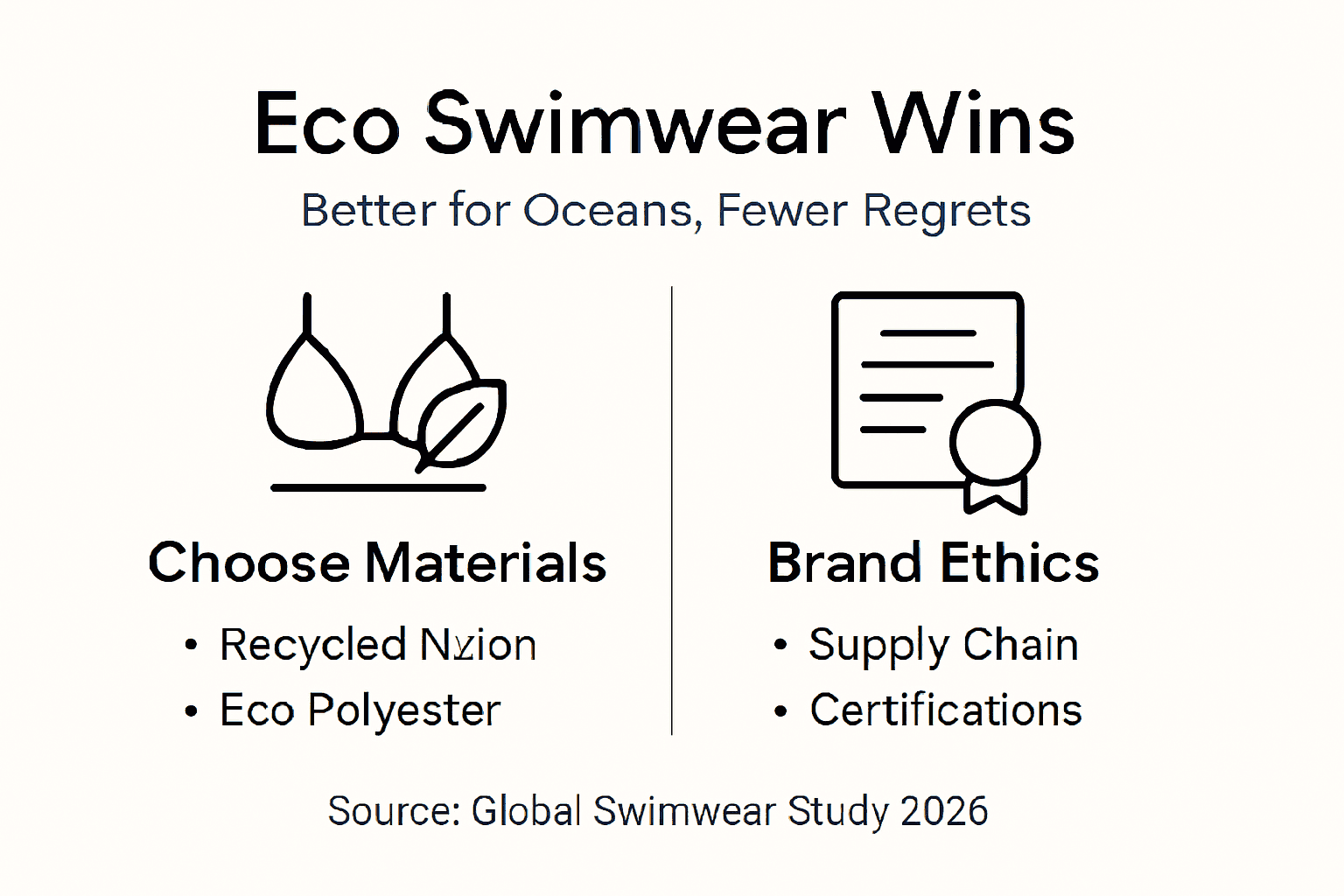
Switching to certified recycled fabrics helps reduce ocean microplastic pollution. Every pair made from ECONYL or recycled polyester diverts waste from landfills and waterways. Your purchase supports circular economy models that transform pollution into functional products.
Brands with transparent practices build higher consumer trust and satisfaction rates. When you know exactly what you are buying and where it comes from, confidence replaces buyer anxiety. Transparent companies foster long-term customer relationships based on shared values.
| Feature | Le Club Original | Conventional Brands |
|---|---|---|
| Materials | GRS-certified recycled fabrics | Virgin polyester and nylon |
| Transparency | Published sustainability reports | Limited or no disclosure |
| Size Accuracy | Detailed charts with customer feedback | Generic sizing, inconsistent fit |
| Shipping & Returns | Free shipping, easy returns | Variable costs, restrictive policies |
| Durability | 18-24 months average lifespan | 6-12 months typical wear |
Your informed choices create market pressure for better industry practices. As more consumers demand verified sustainability, brands must improve or lose business. You vote with your wallet for the world you want.
Pro Tip: Track your swimwear lifespan and cost per wear to quantify value. Sustainable swimwear often delivers better long-term economics than cheap alternatives. Learn about swimwear durability benefits to maximize your investment.
Shop Stylish Sustainable Swimwear at Le Club Original
You now have the knowledge to shop confidently. Discover curated collections of certified sustainable swim trunks designed for men and boys at Le Club Original. Every product features verified recycled materials and transparent sourcing.

Benefit from detailed sizing guides, transparent brand ethics, and customer-centered policies including free shipping and hassle-free returns. Our commitment to sustainability extends beyond products to every aspect of the shopping experience. Explore expert blog content for ongoing eco fashion tips and care instructions to extend your swimwear life.
Browse top sustainable swimwear picks selected for style, durability, and verified credentials. Dive deeper into learn more about certifications to become an informed advocate. Ready to make your purchase? Explore eco swimwear collections and join a community committed to protecting our oceans.
Pro Tip: Sign up for seasonal discounts and newsletters to save while shopping ethically. Members receive early access to new releases and exclusive sustainability content.
Frequently Asked Questions
What certifications guarantee an eco-friendly swimwear product?
OEKO-TEX Standard 100, Global Recycled Standard, and Bluesign certification provide third-party verification of sustainability claims. These labels confirm recycled content, chemical safety, and ethical production. Look for certification logos on product pages and verify them through official registries.
How can I tell if a brand is truly ethical beyond marketing?
Review published transparency reports, factory audit results, and supply chain disclosures on company websites. Ethical brands share specific details about manufacturing partners, labor practices, and environmental initiatives. B Corporation certification and Fair Trade labels offer additional verification of comprehensive ethical standards.
Are recycled swimwear fabrics as durable as conventional ones?
Yes, quality recycled fabrics like ECONYL and GRS-certified polyester match or exceed conventional material performance. Properly cared for recycled swimwear lasts 18 to 24 months on average. Durability depends more on construction quality and care practices than material origin.
What are the most common fit mistakes when buying kids’ swim trunks online?
Parents often buy based on age rather than measurements, leading to poor fit. Always measure waist and hips, then compare to brand-specific size charts. Read reviews from other parents about sizing accuracy and consider growth room without excessive looseness that creates safety hazards in water.
How can I care for my eco swimwear to maximize its lifespan?
Rinse swimwear in cool fresh water immediately after each use to remove chlorine, salt, and sunscreen. Hand wash with mild detergent and air dry away from direct sunlight. Avoid wringing, machine washing, or tumble drying, which break down elastic fibers and fade colors faster.