

More than 60 percent of American families worry about the environmental impact of swimwear their children wear each summer. For eco-conscious fathers who care about both style and sustainability, the confusion surrounding recyclable fabrics and green claims is real. Understanding what makes swimwear truly sustainable helps families make smarter choices for their sons, connect with honest brands, and play an active part in protecting our planet’s future.
Table of Contents
- Defining Recyclable Swimwear And Common Myths
- How Recycled Materials Transform Swim Trunks
- Environmental Impact Of Swimwear Waste
- Benefits For Ocean Health And Family Lifestyle
- Choosing And Maintaining Eco-Friendly Swimwear
Key Takeaways
| Point | Details |
|---|---|
| Recyclable Swimwear Defined | Recyclable swimwear requires specific design for mechanical recycling and minimal chemical contamination to be truly sustainable. |
| Impact of Recycled Materials | The transformation of discarded plastics into high-performance swim trunks significantly reduces environmental waste. |
| Environmental Consequences | Swimwear waste contributes to microplastic pollution, long decomposition periods, and high carbon emissions during production. |
| Choosing Sustainable Options | Opt for swimwear made from recycled materials and prioritize transparency in manufacturing to support eco-friendly practices. |
Defining recyclable swimwear and common myths
When it comes to eco-friendly swimwear, confusion and misconceptions run rampant. Many fathers seeking sustainable options for their sons find themselves navigating a complex landscape of marketing claims and technical terminology. Understanding what truly makes swimwear “recyclable” requires peeling back layers of environmental marketing.
Recyclable swimwear isn’t simply a product made from recycled materials. It represents a comprehensive approach to textile production that minimizes environmental impact through strategic material selection and end-of-life considerations. Biodegradable materials challenge traditional expectations about how fabrics decompose in natural environments.
Common myths about recyclable swimwear often stem from misunderstandings about material science. Many consumers believe that “eco-friendly” automatically means the garment will completely disappear after use. However, true recyclability involves complex processes:
- Materials must be designed for mechanical recycling
- Fabrics need minimal chemical contamination
- Garments require sortable, compatible fiber compositions
- Manufacturing should minimize energy and water consumption
Contrary to popular belief, most “biodegradable” swimwear does not actually break down in water or standard environmental conditions. Specialized industrial composting facilities with precise temperature, moisture, and microbial conditions are typically required for actual decomposition.
Pro tip: When shopping for recyclable swimwear, look for transparent supply chain information and third-party certifications that validate environmental claims.
How recycled materials transform swim trunks
The world of sustainable swimwear is experiencing a remarkable transformation, driven by innovative approaches to material recycling. For eco-conscious fathers, understanding how discarded plastics and industrial waste can be reborn as stylish swim trunks represents a powerful environmental solution. Modern textile technologies have unlocked incredible potential for converting what was once considered trash into high-performance, durable swimwear.
Recycled materials are revolutionizing swim trunk production through advanced mechanical and chemical processes. Plastic bottles, fishing nets, and industrial textile waste are carefully collected, sorted, and transformed into regenerated nylon and polyester fibers. These processes not only reduce environmental waste but also create fabrics with impressive performance characteristics such as quick-drying capabilities, UV resistance, and enhanced durability.
The transformation process involves several sophisticated stages:
- Collection of post-consumer plastic waste
- Cleaning and breaking down materials into raw polymer chips
- Melting and extruding new textile fibers
- Spinning recycled fibers into high-performance fabric
- Treating fabrics for optimal swim trunk performance
By reimagining waste as a valuable resource, manufacturers are creating swim trunks that challenge traditional perceptions of sustainability. The result is a product that looks and feels premium while simultaneously reducing environmental impact and supporting circular economy principles.
Here’s a clear comparison of swimwear material types and their sustainability features:
| Material Type | Sustainability Feature | Durability | Recycling Potential |
|---|---|---|---|
| Regenerated Nylon | Made from reclaimed waste | Very durable | High |
| Recycled Polyester | Reduces landfill plastic | Durable | Moderate |
| Conventional Nylon | Petroleum-based, non-renewable | Very durable | Low |
| Organic Cotton | Biodegradable, low toxicity | Less durable | High (biodegradable) |
Pro tip: Check swim trunk labels for specific information about recycled material percentages and the source of reclaimed materials to make more informed purchasing decisions.
Environmental impact of swimwear waste
Swimwear waste represents a critical yet often overlooked environmental challenge that extends far beyond simple textile disposal. Microplastic pollution from swimwear has emerged as a significant threat to aquatic ecosystems, with synthetic fabrics continuously shedding microscopic plastic fibers during everyday use and washing.
The environmental consequences of traditional swimwear are profound and multifaceted. Synthetic textile waste takes decades to decompose, contributing to long-term pollution in landfills and marine environments. Recycled fiber research indicates that conventional swimwear production generates substantial greenhouse gas emissions and depletes natural resources at an alarming rate.
Key environmental impacts of swimwear waste include:
- Continuous microplastic fiber shedding
- Extended decomposition periods in natural environments
- High carbon emissions during manufacturing
- Significant water pollution from textile processing
- Reduced biodiversity in marine ecosystems
Eco-conscious consumers can make a meaningful difference by choosing sustainable swimwear options that prioritize recycled materials, minimize microplastic shedding, and support circular economy principles. Understanding the intricate relationship between textile production and environmental health is crucial for making responsible purchasing decisions.
Pro tip: Wash your synthetic swimwear in specialized microfiber-catching laundry bags to significantly reduce microplastic release into waterways.
Benefits for ocean health and family lifestyle
Choosing sustainable swimwear represents far more than a fashion statement. Sustainable product benefits extend deeply into both environmental protection and family wellness, creating a meaningful connection between personal choices and global impact.
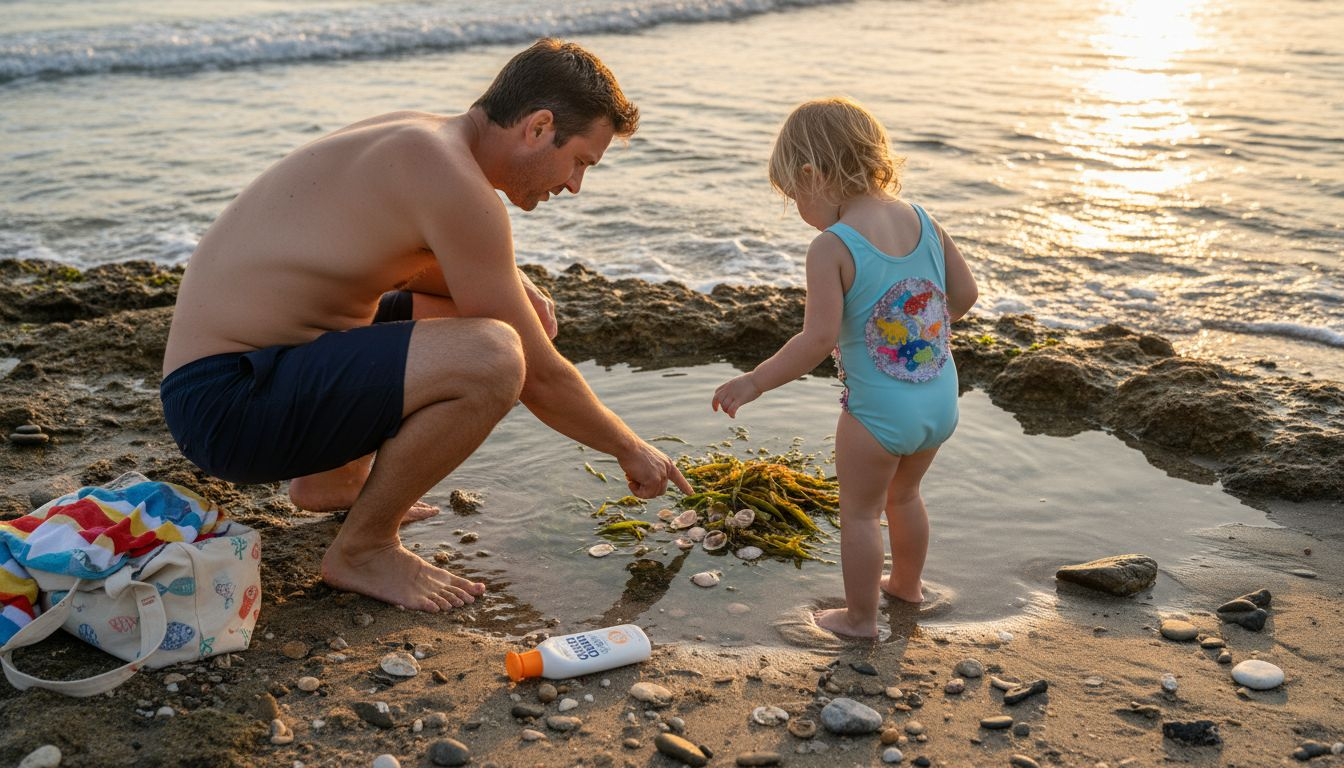
Ocean conservation emerges as a primary benefit of selecting eco-friendly swimwear. By choosing garments made from recycled materials like ECONYL®, families directly contribute to reducing plastic waste in marine ecosystems. These innovative textiles transform potential ocean pollution into high-performance swim trunks, creating a powerful cycle of environmental restoration and responsible consumption.
The benefits of sustainable swimwear for families encompass multiple dimensions:
- Reduced chemical exposure for children’s sensitive skin
- Lower carbon footprint in textile production
- Support for ethical manufacturing practices
- Extended durability of swimwear materials
- Active participation in ocean conservation efforts
Beyond environmental advantages, sustainable swimwear represents a powerful educational opportunity for parents. By selecting responsible clothing options, fathers can demonstrate practical environmental stewardship to their children, transforming a simple swimwear purchase into a meaningful lesson about global sustainability and personal responsibility.
Use this summary to understand environmental benefits for families choosing sustainable swimwear:
| Family Benefit | Environmental Impact | Lifestyle Advantage |
|---|---|---|
| Lower chemical exposure | Healthier for ecosystems | Safer for children |
| Support ethical production | Reduces labor exploitation | Promotes conscious values |
| Longer-lasting garments | Decreases waste generation | Saves money over time |
| Protects ocean health | Minimizes microplastic shed | Enables family stewardship |
Pro tip: Involve your children in understanding how their swimwear choices can help protect marine ecosystems, turning sustainability into an engaging family conversation.
Choosing and maintaining eco-friendly swimwear
Navigating the world of sustainable swimwear requires a strategic approach that balances environmental responsibility with practical performance. Sustainable beachwear strategies can help families make informed decisions that reduce their ecological footprint while ensuring comfort and style.
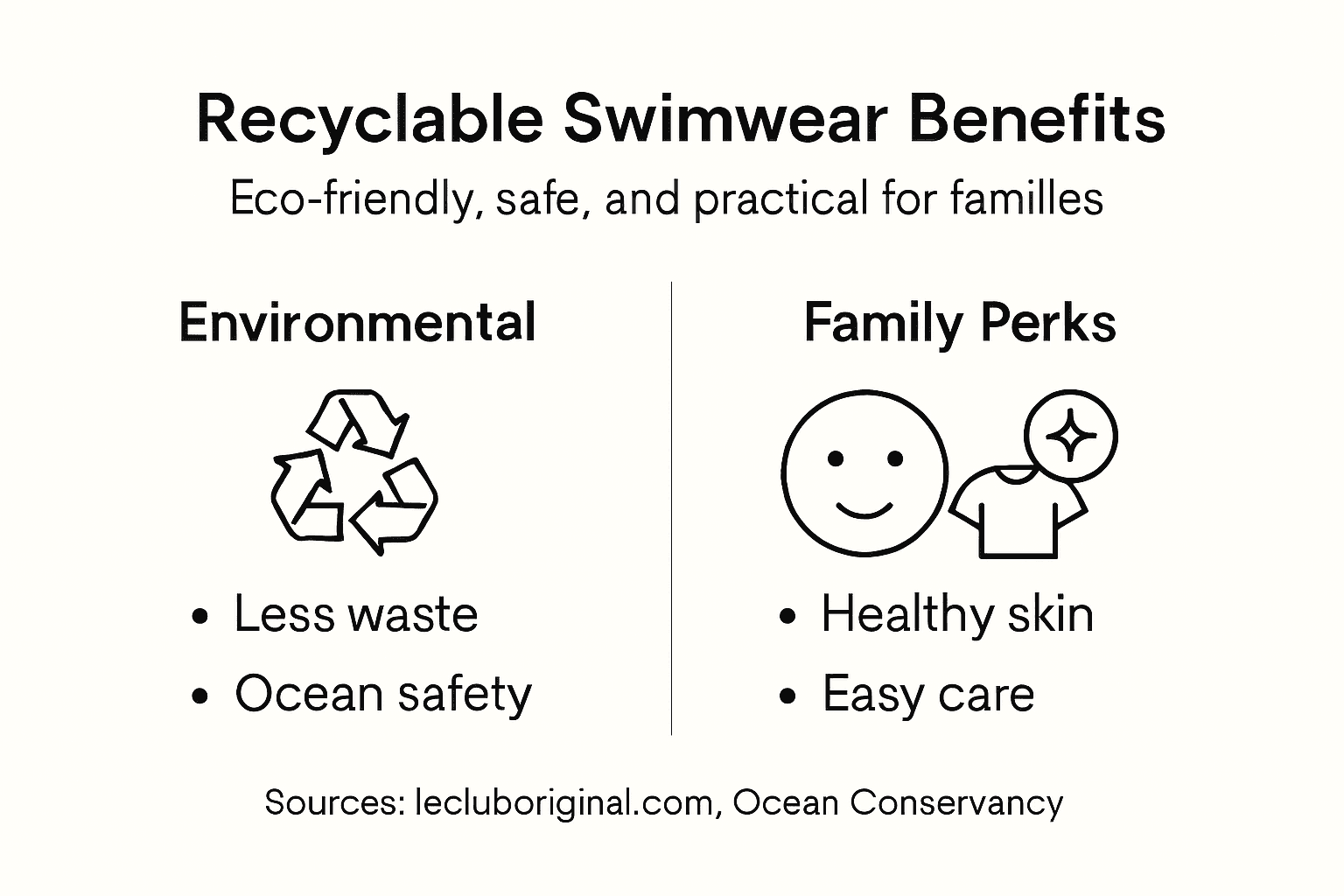
Material selection stands as the critical first step in choosing eco-friendly swimwear. Look for garments crafted from recycled materials like ECONYL® or regenerated polyester, which transform plastic waste into high-performance fabrics. These innovative textiles not only minimize environmental impact but also provide durability, quick-drying properties, and UV protection that modern families demand.
Key considerations when selecting sustainable swimwear include:
- Fabric composition and recycled content percentage
- Manufacturing transparency and ethical production practices
- Durability and resistance to chlorine and sun damage
- Skin-friendly materials with minimal chemical treatments
- Potential for future recycling or circular design
Maintaining eco-friendly swimwear requires a thoughtful approach that extends the life of the garment and minimizes environmental strain. Gentle washing, proper storage, and careful handling can significantly reduce the need for frequent replacements, ultimately supporting a more sustainable consumption model.
Pro tip: Rinse swimwear in cool freshwater immediately after use and air dry flat to preserve fabric integrity and extend the garment’s functional lifespan.
Embrace Sustainable Swimwear Choices for Your Family’s Future
The challenge of finding truly recyclable swimwear that protects our oceans while keeping your family stylish and comfortable is real. Many parents want to minimize microplastic pollution and support circular economy principles but struggle to identify swim trunks made from authentic regenerated nylon or recycled polyester. At lecluboriginal.com, you will discover a curated collection of eco-friendly swim trunks designed to meet these exact needs. Our commitment to transparency means you can shop with confidence knowing each piece helps reduce plastic waste and chemical exposure.
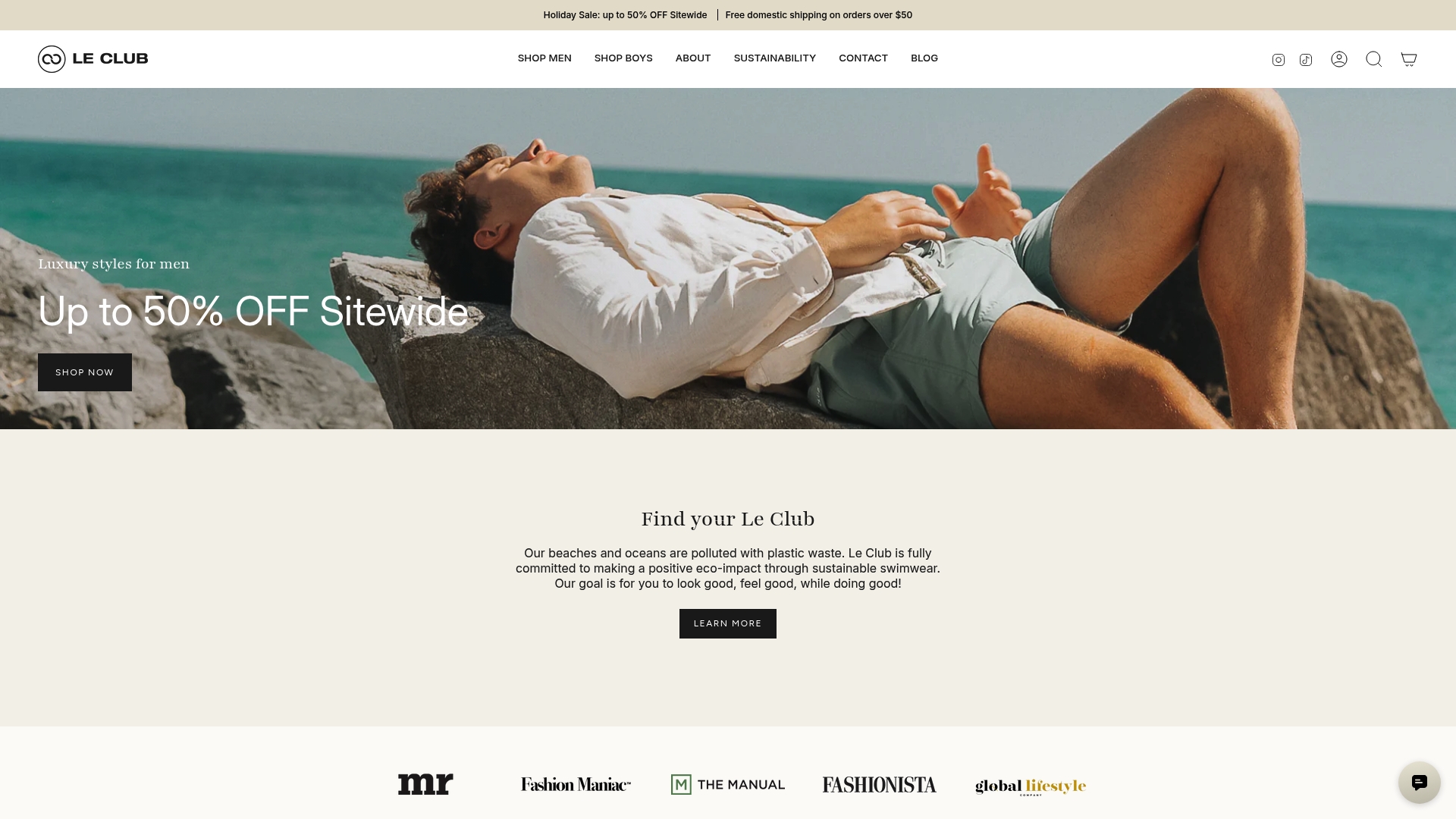
Explore our eco-conscious swimwear offerings at lecluboriginal.com and enjoy sustainable fashion that supports your family’s health and the planet. Act now to take advantage of our seasonal sales with discounts up to 50 percent and free shipping on orders over fifty dollars. Make a positive impact by choosing swimwear that truly reflects your values today.
Frequently Asked Questions
What does recyclable swimwear mean?
Recyclable swimwear refers to garments designed with materials that can be effectively recycled at the end of their life cycle. This involves specific material selection and manufacturing processes that minimize environmental impact.
How are recycled materials used in swimwear production?
Recycled materials such as plastic bottles and fishing nets are collected, cleaned, and transformed into regenerated nylon or polyester fibers. These fibers are then spun into fabric, creating durable and high-performance swim trunks.
What are the environmental benefits of choosing recyclable swimwear?
Choosing recyclable swimwear helps reduce plastic waste in oceans and landfills, minimizes microplastic shedding, and lowers greenhouse gas emissions associated with textile production, ultimately supporting ocean health and sustainability.
How can I extend the life of my eco-friendly swimwear?
To extend the life of eco-friendly swimwear, rinse it in cool freshwater after use, avoid harsh detergents, air dry flat, and handle it with care to maintain its durability and performance.
Recommended
- 5 Reasons Why You Should Switch to Sustainable Swimwear – Le Club Original
- 5 Reasons Why You Should Switch to Sustainable Swimwear – Le Club Original
- Swim for a Cause: Beach Cleanup with The Surfrider Foundation – Le Club Original
- Swim for a Cause: Beach Cleanup with The Surfrider Foundation – Le Club Original
- What Are Sustainable Shoes? Complete Guide 2025 – YDA UK