

Every year, an estimated eight million tons of plastic end up in the ocean, putting marine life and beach destinations at risk. For American and global travelers who value sustainability, finding stylish swim trunks that actually help reduce pollution is a game changer. This article breaks down what makes recycled swim trunks different, showing how you can make smarter choices that blend eco-friendly materials with the performance and style needed for unforgettable beach vacations.
Table of Contents
- What Makes Swim Trunks Recycled
- Environmental Impact of Recycled Materials
- Performance and Style Advantages for Travelers
- Comparing Recycled Vs. Conventional Swim Trunks
- Caring for Recycled Swimwear Properly
Key Takeaways
| Point | Details |
|---|---|
| Recycled Materials | Swim trunks are made from repurposed plastics, reducing waste while providing functional beachwear. |
| Environmental Benefits | Producing recycled swim trunks consumes less energy and water, minimizing the fashion industry’s ecological footprint. |
| Performance and Style | These swim trunks offer superior durability and quick-drying properties, appealing to style-conscious travelers. |
| Proper Care | Hand washing and appropriate storage extend the lifespan of recycled swim trunks, maintaining their performance and environmental integrity. |
What Makes Swim Trunks Recycled
Recycled swim trunks represent an innovative approach to transforming discarded materials into functional, stylish beachwear. Unlike traditional swimwear manufactured from virgin synthetic fabrics, these eco-conscious garments utilize materials rescued from potential waste streams, such as discarded plastic bottles, fishing nets, and industrial plastic waste.
The recycling process involves several critical stages that convert post-consumer plastics into high-performance textile fibers. Manufacturers collect plastic waste, clean and sort the materials, then break them down into small pellets through mechanical processing. These pellets are then melted and extruded into fine threads, which can be woven or knitted into fabric suitable for men’s swim trunks online. This transformative approach not only reduces plastic pollution but also creates a circular economy where waste becomes a valuable resource.
Typically, recycled swim trunks utilize materials like Econyl (regenerated nylon from ocean waste) or RPET (recycled polyethylene terephthalate from plastic bottles), which undergo extensive processing to meet high-performance standards. The resulting fabric maintains remarkable qualities such as durability, quick-drying properties, and resistance to chlorine and saltwater. By choosing recycled swim trunks, environmentally conscious travelers actively participate in reducing marine plastic waste while enjoying stylish, functional beachwear.
Pro tip: When shopping for recycled swim trunks, look for certifications like Global Recycled Standard (GRS) to ensure authentic sustainable manufacturing processes.
Environmental Impact of Recycled Materials
The environmental advantages of recycled swim trunks extend far beyond simple waste reduction, representing a critical strategy in mitigating the fashion industry’s ecological footprint. Recycling processes for swim trunk materials dramatically transform potential waste streams into high-performance textiles while significantly decreasing environmental strain.
Manufacturing recycled polyester swim trunks delivers remarkable sustainability metrics. The production requires up to 50% less energy compared to virgin polyester, generates approximately 30% fewer carbon dioxide emissions, and consumes substantially less water. These ecological savings represent tangible contributions to environmental conservation, effectively redirecting plastic waste that might otherwise pollute marine ecosystems or occupy landfills.
Beyond energy and emissions reduction, recycled swim trunk materials play a crucial role in marine conservation. By utilizing plastics from high-risk pollution zones, manufacturers create a circular economy that directly addresses global waste challenges. Certified fibers like REPREVE® ensure complete traceability, allowing consumers to understand the precise environmental impact of their clothing choices and supporting broader marine ecosystem protection efforts.
Pro tip: When purchasing recycled swim trunks, research the specific recycling certification to understand the precise environmental benefits of your chosen garment.
Performance and Style Advantages for Travelers
Recycled swim trunks offer modern travelers a perfect blend of performance, style, and environmental consciousness that goes far beyond traditional swimwear options. The innovative materials used in these garments provide exceptional functionality, making them ideal for adventurous travelers who demand both comfort and versatility across different swim trunk styles.
The advanced fabric technologies in recycled swim trunks deliver remarkable performance characteristics. Quick-drying materials ensure travelers can transition seamlessly between swimming, beach activities, and casual settings without discomfort. The high-performance recycled fabrics offer superior chlorine and saltwater resistance, maintaining their shape and color integrity even after multiple adventures. Additionally, these swim trunks provide enhanced UV protection, a critical feature for travelers exploring sunny destinations, while maintaining a lightweight and breathable feel that adapts to various environmental conditions.
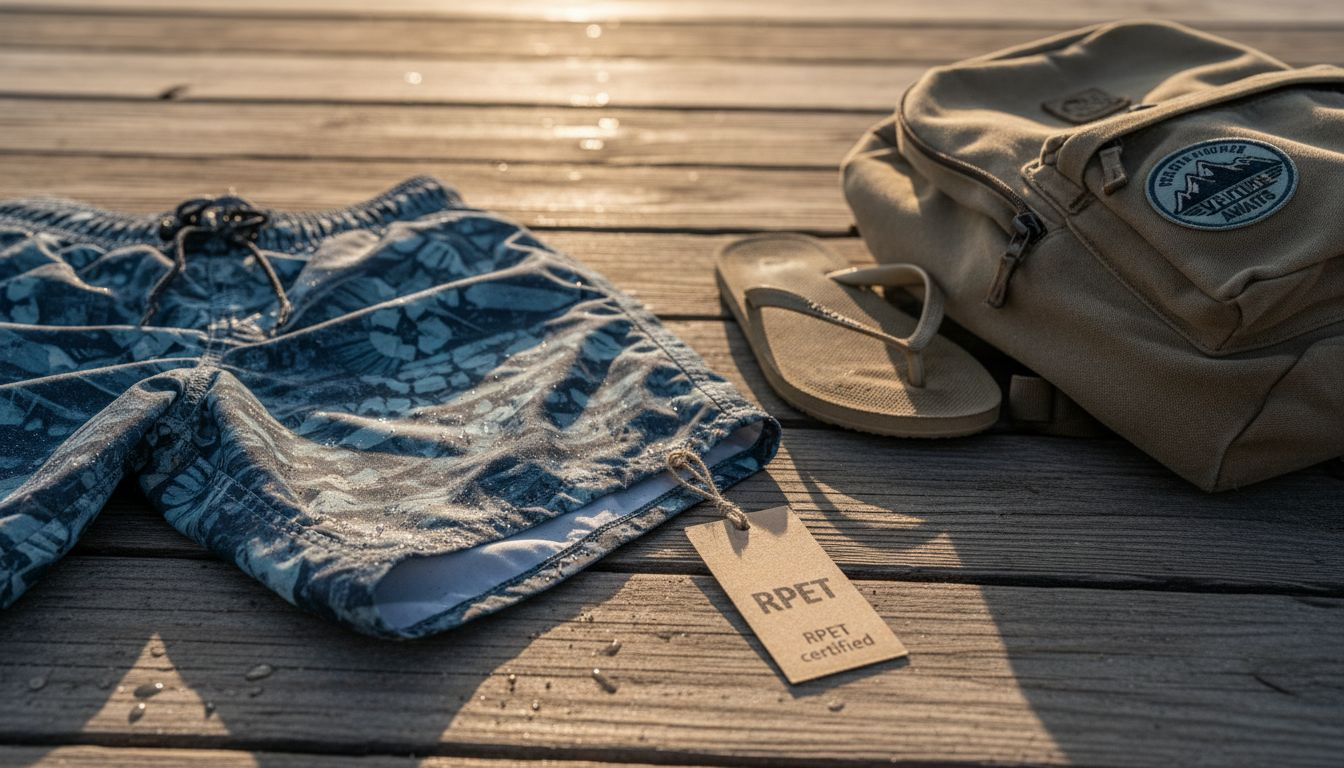
Style meets sustainability in these innovative garments, allowing environmentally conscious travelers to make a fashion statement that reflects their values. Modern recycled swim trunks come in a diverse range of designs, from classic solid colors to intricate patterns, ensuring that performance does not compromise aesthetic appeal. The fabrics maintain a sleek, contemporary silhouette that flatters different body types, making them suitable for everything from professional surfing to casual beach lounging. By choosing recycled swim trunks, travelers demonstrate a commitment to both personal style and global environmental responsibility.
Pro tip: Pack multiple pairs of recycled swim trunks to maximize versatility and ensure you always have a dry, stylish option during your travels.
Comparing Recycled vs. Conventional Swim Trunks
The landscape of swimwear has dramatically transformed, with recycled swim trunks emerging as a superior alternative to conventional options. Sustainable swimwear technologies represent a critical evolution in textile manufacturing, offering performance and environmental benefits that traditional swim trunks simply cannot match.
When examining performance metrics, recycled swim trunks demonstrate remarkable advantages over conventional designs. Durability stands out as a key differentiator, with recycled fabrics showing superior resistance to fading, stretching, and environmental degradation. Conventional swim trunks made from virgin polyester typically deteriorate faster, losing color and shape after repeated exposure to saltwater, chlorine, and sun. In contrast, recycled materials undergo specialized processing that enhances fabric integrity, resulting in longer-lasting garments that maintain their aesthetic and functional qualities through multiple seasons of use.
The environmental comparison between recycled and conventional swim trunks reveals a stark contrast in ecological impact. Conventional swim trunks rely on virgin synthetic materials that require significant fossil fuel consumption and generate substantial carbon emissions during production. Recycled swim trunks, by comparison, actively reduce plastic waste by transforming discarded materials into high-performance textiles. This approach not only diverts potential ocean pollution but also requires less energy and fewer raw materials, creating a more sustainable lifecycle for each garment. The economic argument further supports choosing recycled options, as their extended durability offers better long-term value despite potentially higher initial costs.
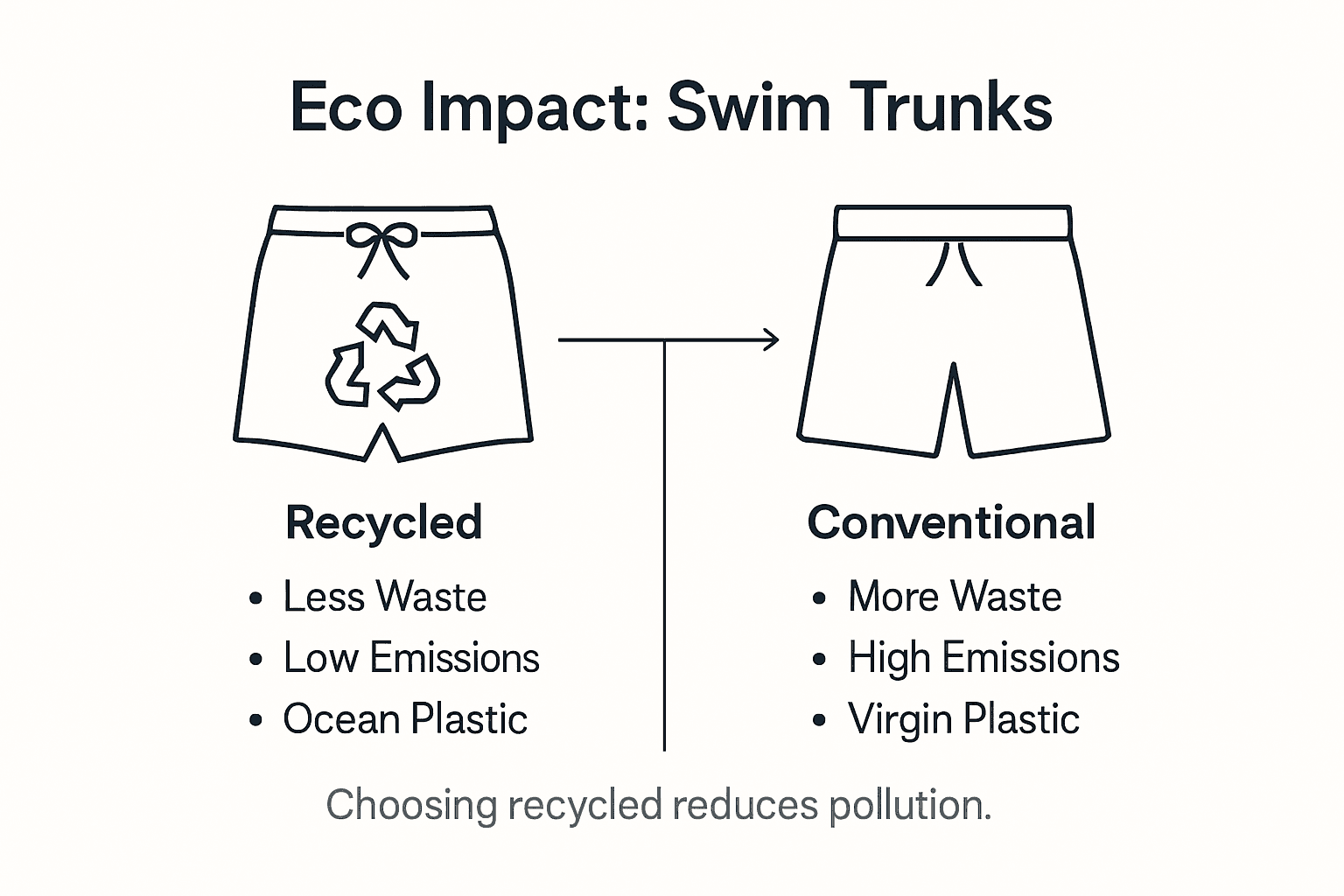
Here’s a concise summary comparing recycled swim trunks with conventional options:
| Characteristic | Recycled Swim Trunks | Conventional Swim Trunks |
|---|---|---|
| Source Material | Ocean plastic, bottles, nets | Virgin polyester, nylon |
| Energy Used in Production | Up to 50% less | High, fossil fuel intensive |
| Durability | Enhanced, longer lifecycle | Prone to fading and stretch |
| Environmental Impact | Reduces waste, pollution | Increases landfill, emissions |
| Initial Cost | Often higher | Usually lower |
| Long-term Value | Superior due to longevity | May need frequent replacement |
Pro tip: Invest in recycled swim trunks by examining fabric composition and checking for sustainability certifications to ensure you’re making an environmentally responsible choice.
Caring for Recycled Swimwear Properly
Proper care of recycled swim trunks is essential to maintaining their performance, appearance, and environmental integrity. Unlike conventional swimwear, these innovative garments require specific attention to preserve their unique fabric composition and sustainable characteristics. Swim trunk maintenance techniques can significantly extend the lifespan of your eco-friendly swimwear.
The cleaning process for recycled swim trunks demands a gentle approach that protects both the fabric’s integrity and its environmental credentials. Hand washing remains the most recommended method, using cold water and a mild, biodegradable detergent specifically designed for technical fabrics. Avoid harsh chemicals, bleach, and fabric softeners that can break down the recycled fibers and compromise their performance properties. After washing, gently squeeze out excess water without wringing, which can damage the fabric’s elasticity and shape. Air drying in a shaded area prevents potential UV damage and maintains the garment’s color and structural integrity.
Storage and additional care practices play a crucial role in preserving recycled swim trunks. Always rinse your swim trunks immediately after use, particularly after exposure to saltwater or chlorine, which can degrade fabric fibers over time. Store the garments in a cool, dry place away from direct sunlight, avoiding compression that might cause permanent creasing or fabric stress. When traveling, use breathable garment bags that allow moisture to escape and prevent mildew formation. These mindful practices not only extend the life of your recycled swim trunks but also maintain their performance characteristics and environmental sustainability.
For easy reference, here’s an overview of optimal care tips for recycled swim trunks:
| Care Step | Purpose | Recommended Method |
|---|---|---|
| Washing | Preserve fabric and elasticity | Hand wash in cold water |
| Detergent Choice | Prevent fiber breakdown | Use mild, eco-friendly detergent |
| Drying | Maintain shape and color | Air dry in shade, avoid wringing |
| Storage | Stop mildew and creasing | Store cool, dry, use mesh bag |
Pro tip: Invest in a specialized mesh laundry bag for washing recycled swim trunks to provide extra protection and minimize fabric friction during cleaning.
Embrace Sustainable Style with Recycled Swim Trunks from Le Club Original
The challenge of reducing ocean plastic waste while maintaining stylish, high-performance swimwear is no small feat. This article highlights how recycled swim trunks combine eco-conscious materials like Econyl and RPET with superior durability and quick-drying comfort, addressing travelers’ goals for responsible fashion that performs on every adventure. If you want to support marine conservation and enjoy long-lasting swimwear, choosing garments made from certified recycled fabrics makes a measurable impact.
At Le Club Original, we understand the importance of sustainability without sacrificing style. Explore our curated collection of eco-friendly swim trunks designed to protect the planet while keeping you looking sharp on the beach. Our commitment goes beyond products by promoting an environmentally aware lifestyle that aligns with your values.
Discover how you can make a difference today by choosing quality recycled swimwear that lasts and helps reduce plastic pollution. Shop now to find your perfect pair and join a community dedicated to eco-responsibility and beachside style.

Frequently Asked Questions
What materials are used to make recycled swim trunks?
Recycled swim trunks are typically made from materials like Econyl, which is regenerated nylon from ocean waste, and RPET, which is recycled polyethylene terephthalate made from plastic bottles.
How do recycled swim trunks compare to conventional swim trunks in terms of durability?
Recycled swim trunks are generally more durable than conventional swim trunks, as they undergo specialized processing to enhance fabric integrity, resulting in better resistance to fading, stretching, and environmental degradation.
What environmental benefits do recycled swim trunks provide?
Recycled swim trunks help reduce plastic pollution by transforming discarded materials into high-performance textiles. They require up to 50% less energy in production and generate fewer carbon emissions compared to conventional swim trunks made from virgin materials.
How should I care for my recycled swim trunks to ensure their longevity?
To maintain the longevity of recycled swim trunks, hand wash them in cold water with a mild, biodegradable detergent, air dry in a shaded area, and store them in a cool, dry place away from direct sunlight.