

The fashion industry contributes approximately 10% of global carbon emissions, making it one of the planet’s biggest polluters. For eco-conscious men and boys planning beach vacations, sustainable swimwear offers a powerful way to reduce environmental impact without sacrificing style. This guide explores how choosing ethical, ocean-friendly swim trunks aligns fashion with environmental values and practical decision-making.
Table of Contents
- Understanding Sustainable Fashion And Its Relevance To Swimwear
- Environmental And Ethical Challenges Of Conventional Swimwear Production
- Materials And Production Methods That Define Sustainable Swimwear
- Common Misconceptions About Sustainable Swimwear Debunked
- Comparing Sustainable To Conventional Swimwear: Durability, Style, And Price
- Practical Guide: How To Choose Sustainable Swimwear That Fits Your Style And Values
- Why Choosing Sustainable Swimwear Matters: Impact On Oceans And Ethical Consumption
- Explore Stylish Sustainable Swimwear For Men And Boys
Key takeaways
| Point | Details |
|---|---|
| Environmental impact | Fashion creates 10% of global emissions; sustainable swimwear significantly cuts this footprint. |
| Material innovation | Recycled nylon and closed-loop production reduce carbon by 60% and waste by 90%. |
| Cost and style parity | Sustainable options now match mid-range prices with 75% conventional style coverage. |
| Superior durability | Eco-friendly swimwear lasts 20-30% longer than traditional alternatives. |
| Practical framework | Clear criteria help choose swimwear balancing ethics, style, and performance. |
Understanding sustainable fashion and its relevance to swimwear
Sustainable fashion aims to minimize environmental harm and promote ethical labor throughout the clothing lifecycle. It prioritizes renewable materials, fair wages, reduced waste, and circular production models. The fashion industry’s massive carbon footprint demands urgent change, particularly in categories like swimwear where synthetic materials dominate.
Swimwear presents unique sustainability challenges due to its reliance on petroleum-based fabrics like polyester and nylon. These materials release microplastics during production and washing, contaminating oceans where beachgoers swim. Traditional swimwear manufacturing also involves energy-intensive dyeing processes and questionable labor practices in overseas factories.
For men and boys seeking beach vacation gear, why sustainable swim trunks matter becomes clear when considering both personal health and planetary well-being. Sustainable swimwear addresses these problems through:
- Lower carbon emissions from recycled and renewable materials
- Ethical labor standards ensuring fair wages and safe conditions
- Reduced ocean pollution through biodegradable or recycled fibers
- Circular production minimizing waste sent to landfills
- Transparent supply chains allowing informed consumer choices
The shift toward sustainable men’s swimwear reflects growing awareness that vacation fashion choices ripple outward, affecting ecosystems and communities far beyond the beach. Understanding these connections empowers better purchasing decisions.
Environmental and ethical challenges of conventional swimwear production
Conventional swimwear production creates substantial environmental damage through microplastic pollution. Synthetic fibers shed tiny plastic particles during washing, with a single garment releasing hundreds of thousands of microplastics per laundry cycle. These particles flow into waterways and oceans, entering food chains and harming marine life.
About 30% of garment workers face unsafe labor conditions, including excessive hours, inadequate ventilation, and wages below living standards. Fast fashion’s pressure for cheap, rapid production pushes factories to cut corners on worker safety and environmental protections. Many traditional swimwear brands lack transparency about where and how their products are made.

Ocean pollution from textile production extends beyond microplastics. Chemical dyes and finishing treatments contaminate water supplies near manufacturing facilities. Conventional nylon production requires significant petroleum extraction, contributing to fossil fuel dependence and climate change.
Ethical concerns in swimwear manufacturing include:
- Forced overtime and poverty wages in developing countries
- Child labor in textile supply chains
- Lack of workplace safety protections
- Environmental degradation affecting local communities
- Absence of collective bargaining rights
The fair labor swimwear ethical production movement addresses these injustices by establishing higher standards. Choosing sustainable alternatives sends market signals that consumers value both environmental health and human dignity in their beachwear purchases.
Materials and production methods that define sustainable swimwear
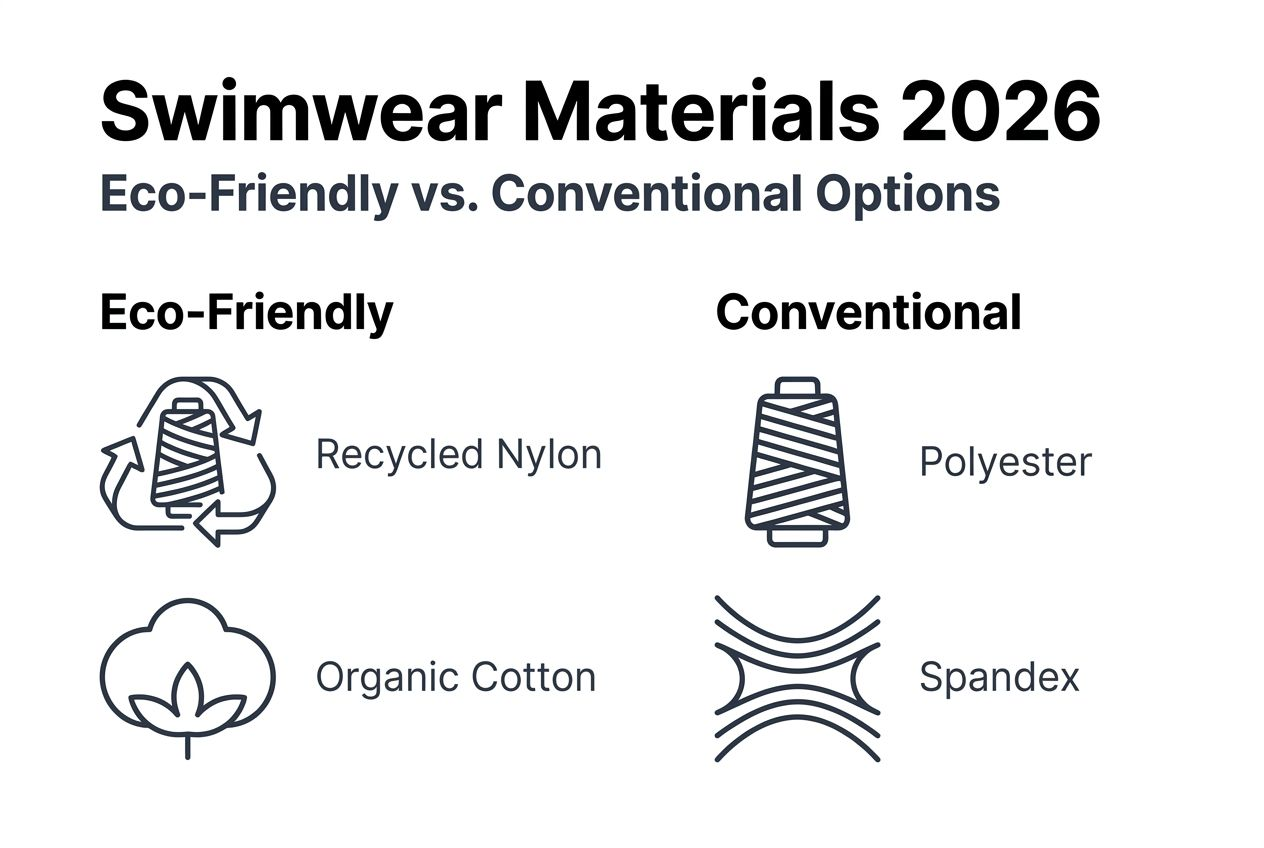
Recycled nylon stands out as a game-changing sustainable material, cutting carbon footprint by approximately 60% compared to virgin nylon. Brands collect discarded fishing nets, old carpets, and industrial plastic waste, transforming them into high-performance swimwear fabrics. This process diverts waste from oceans and landfills while reducing reliance on petroleum extraction.
Closed-loop manufacturing represents another innovation, where materials are recycled back into new products, reducing waste by up to 90%. In this system, fabric scraps and worn-out garments return to manufacturers who break them down and reweave them into fresh swimwear. Nothing goes to waste.
Sustainable swimwear increasingly incorporates:
- Recycled polyester from plastic bottles and ocean debris
- Organic cotton for linings and accents
- Biodegradable plant-based fibers like hemp
- Natural rubber from responsibly managed sources
- Water-based dyes eliminating toxic chemical runoff
Pro Tip: Prioritize brands that openly share production methods, factory locations, and third-party certifications on their websites. Transparency signals genuine commitment rather than greenwashing.
Advanced material engineering allows sustainable fabrics swimwear 60 percent less carbon emissions without compromising stretch, color vibrancy, or chlorine resistance. Ocean-harvested materials demonstrate particular innovation, with some brands using algae-based fibers or recycled ocean plastics. These ocean-friendly clothing materials eco apparel options directly remove pollution while creating functional beachwear.
Common misconceptions about sustainable swimwear debunked
Many assume sustainable swimwear costs significantly more than conventional options. However, price analysis indicates competitive pricing with mid-range traditional swimwear due to improved production efficiencies and manufacturing scale. Quality sustainable swim trunks now fall within the same $40 to $80 range as popular conventional brands.
Another widespread myth suggests limited style options for eco-conscious buyers. Reality shows sustainable swimwear covers approximately 75% of conventional style variety, including board shorts, swim briefs, trunks, and hybrid designs. Patterns range from bold tropical prints to minimalist solids, matching most aesthetic preferences.
The durability misconception claims sustainable materials wear out faster than traditional synthetics. Actual performance data reveals the opposite: sustainable swimwear often lasts 20-30% longer than conventional alternatives. Recycled nylon maintains excellent shape retention and fade resistance through multiple seasons.
Common false beliefs include:
- Sustainable swimwear looks dull or unfashionable
- Eco-friendly fabrics feel uncomfortable or scratchy
- Only specialty boutiques carry sustainable options
- All sustainable claims equal genuine environmental benefit
- Recycled materials perform worse than virgin synthetics
Debunking these misconceptions empowers confident purchasing decisions. Clear information helps consumers recognize that sustainable swimwear delivers comparable or superior value across price, style, and performance metrics. The gap between sustainable and conventional options has narrowed dramatically since 2024, making ethical choices increasingly accessible.
Comparing sustainable to conventional swimwear: durability, style, and price
Objective comparison reveals sustainable swimwear competing strongly across key purchase criteria. The table below summarizes performance differences:
| Attribute | Sustainable Swimwear | Conventional Swimwear |
|---|---|---|
| Average Lifespan | 4-5 seasons | 3-4 seasons |
| Price Range | $40-$80 | $35-$75 |
| Style Variety | 75% of conventional options | Full range |
| Carbon Footprint | 60% lower | Baseline |
| Microplastic Shedding | Minimal to none | High |
| Labor Standards | Certified fair wage | Often unverified |
Durability data shows sustainable swimwear made from recycled materials exceeding conventional swimwear by 20-30%, meaning fewer replacements over time. This longevity advantage offsets any marginal price difference, delivering better lifetime value.
Style coverage continues expanding as more brands enter the sustainable market. While conventional swimwear still offers slightly more variety in niche categories like competition speedos or highly technical surf wear, casual beachwear options match closely. Color fastness and UV protection perform equally well across both categories.
Pro Tip: Extend any swimwear’s lifespan by rinsing immediately after ocean or pool use, air drying away from direct sun, and avoiding rough surfaces. These habits reduce environmental impact regardless of material choice.
Price competitiveness stems from economies of scale and improved recycling technologies. As sustainable production volumes increase, manufacturing costs decrease. Many eco-friendly brands also sell directly to consumers, eliminating retail markup and passing savings forward.
Practical guide: how to choose sustainable swimwear that fits your style and values
Making informed sustainable swimwear purchases requires a systematic approach. Follow these steps for confident decision-making:
- Research materials and certifications by checking product descriptions for recycled nylon, organic cotton, or biodegradable fibers. Look for Global Recycled Standard (GRS), OEKO-TEX, or bluesign certifications indicating verified environmental claims.
- Verify ethical labor practices through brand transparency reports, B Corp certification, or Fair Trade labels. Reputable sustainable brands openly share factory information and worker conditions.
- Compare style, fit, and durability to your preferences by reading reviews and checking return policies. Sustainable doesn’t mean compromising on aesthetics or comfort.
- Purchase from reputable brands with clear sustainability information rather than vague “eco-friendly” marketing claims.
Additional considerations for how to choose eco-friendly swimwear include checking fabric weight, liner quality, and waistband construction. Higher-quality sustainable swimwear features reinforced stitching, durable drawstrings, and moisture-wicking liners.
Avoid these common pitfalls:
- Assuming all “green” marketing equals genuine sustainability
- Ignoring fabric care instructions that extend garment life
- Choosing style over proper fit, leading to premature replacement
- Overlooking smaller sustainable brands in favor of greenwashing corporations
The benefits of eco-friendly swimwear men boys extend beyond environmental impact to include superior comfort and performance. Natural and recycled fibers often provide better breathability and faster drying times than conventional synthetics.
Consider creating a swimwear sustainability checklist covering materials, certifications, labor practices, and brand transparency. This framework, detailed in steps to choose eco swimwear key criteria, streamlines future purchases while ensuring alignment with personal values.
Why choosing sustainable swimwear matters: impact on oceans and ethical consumption
Every sustainable swimwear purchase contributes to measurable environmental improvements. Recycled materials directly reduce ocean plastic pollution by removing waste from marine ecosystems. Each swim trunk made from recycled fishing nets represents several pounds of ghost gear prevented from entangling sea life.
Supporting fair labor practices through ethical swimwear purchases improves lives in manufacturing communities. Workers receive living wages, safe conditions, and reasonable hours. This economic justice creates ripple effects, allowing families to access education, healthcare, and better housing.
Sustainable swimwear advances circular fashion economies where materials continuously cycle through use and reuse rather than ending in landfills. This system reduces virgin resource extraction, conserves energy, and minimizes waste. As more consumers choose recycled swimwear, market demand signals manufacturers to expand sustainable production.
Key impacts include:
- Reduced microplastic contamination in ocean food chains
- Lower carbon emissions combating climate change
- Protection of marine habitats from plastic pollution
- Economic empowerment for garment workers
- Market pressure encouraging industry-wide sustainability shifts
Your purchasing decisions amplify when combined with others making similar choices. Collective consumer demand transforms industries faster than regulations alone. Choosing sustainable swimwear for beach vacations aligns personal style with planetary stewardship, demonstrating that fashion and environmental responsibility coexist beautifully.
Explore stylish sustainable swimwear for men and boys
Ready to make your next beach vacation more sustainable? Le Club Original offers carefully curated eco-friendly swimwear combining modern aesthetics with environmental responsibility. Each style emphasizes transparency in materials and ethical production standards, making it simple to find swim trunks matching your values.

The collection features recycled fabrics, ocean-friendly manufacturing, and designs perfect for eco-conscious men and boys who refuse to compromise on style. From vibrant patterns to classic solids, options balance sustainability with comfort and durability. Explore how thoughtful design meets environmental stewardship in swimwear that looks great and does good.
FAQ
What materials are most sustainable for swimwear?
Recycled nylon from fishing nets and industrial waste leads sustainable swimwear materials, reducing carbon emissions by 60%. Closed-loop textiles that continuously recycle back into new products and biodegradable plant-based fibers like hemp also rank highly. These materials minimize ocean pollution while maintaining performance standards for chlorine resistance and stretch.
How can I verify if a swimwear brand is truly sustainable?
Look for third-party certifications like Global Recycled Standard (GRS), OEKO-TEX, Fair Trade, or B Corp status that verify environmental and ethical claims. Check brand websites for detailed transparency reports covering material sourcing, factory locations, and worker conditions. Genuine sustainable brands openly share this information rather than using vague marketing language.
Does sustainable swimwear cost more than regular swimwear?
Sustainable swimwear now matches mid-range conventional pricing, typically $40 to $80 per item, due to improved manufacturing efficiency and increased production scale. Since 2024, the price gap has nearly disappeared as recycling technologies advanced and more brands entered the market. Superior durability also provides better lifetime value despite comparable upfront costs.
Are sustainable swimwear options as stylish and durable as conventional ones?
Sustainable swimwear covers approximately 75% of conventional style variety, including popular cuts, patterns, and colors for beach vacations. Performance testing shows recycled materials actually exceed traditional swimwear durability by 20-30%, maintaining shape and color through more seasons. The style and quality gap has largely closed as sustainable fashion technology matured.