

Every year, fashion lovers unknowingly release between 200,000 to 500,000 tonnes of microfibers into oceans through simple laundry routines. These tiny plastic particles from synthetic beachwear and clothing contribute to 35% of primary microplastics polluting marine ecosystems. Surprisingly, fabrics marketed as eco-friendly often shed more harmful fibers than conventional materials. This guide reveals how you can make informed beachwear choices that combine style with genuine ocean protection, helping you reduce your environmental footprint while enjoying fashionable, sustainable swimwear that supports marine conservation efforts.
Table of Contents
- How Fashion Contributes To Ocean Microfiber Pollution
- The Hidden Downside Of Recycled And Synthetic Beachwear Fabrics
- Choosing Sustainable And Stylish Beachwear That Helps Protect Oceans
- Best Practices To Reduce Microfiber Pollution In Your Daily Wear
- Shop Stylish, Sustainable Beachwear With Ocean Impact In Mind
- FAQ
Key takeaways
| Point | Details |
|---|---|
| Microfiber pollution scale | Washing synthetic textiles releases hundreds of thousands of tonnes of microplastic fibers into oceans annually. |
| Recycled fabric paradox | Recycled polyester and polyamide shed significantly more microfibers than virgin versions despite sustainability claims. |
| Natural fiber advantage | Natural materials biodegrade faster and pose less long-term ocean harm than persistent synthetic fibers. |
| Washing practices matter | Using microfiber filters, gentle cycles, and cold water dramatically reduces fiber release during laundry. |
| Conservation through choice | Supporting brands that rescue ocean plastics and use low-shed fabrics advances marine protection efforts. |
How fashion contributes to ocean microfiber pollution
Synthetic textiles from fashion represent the largest source of primary microplastics entering marine environments. When you wash polyester, nylon, or spandex garments, tiny plastic fibers break off and flow through wastewater treatment systems that cannot capture particles smaller than 20 microns. These microfibers then reach rivers and oceans, where marine microplastic density averages 37,921 particles per square meter, creating widespread contamination that harms marine life at every level of the food chain.
Beachwear fabrics pose unique challenges because materials like spandex, neoprene, and Gore-Tex combine synthetic polymers designed for stretch, water resistance, and durability. These same properties that make swimwear functional also make shed fibers incredibly persistent in marine environments. The fibers do not biodegrade for decades or centuries, accumulating in sediments and being consumed by fish, shellfish, and marine mammals. This bioaccumulation eventually affects human health as microplastics enter our food supply through seafood consumption.
The scale of this pollution exceeds what most people imagine:
- A single polyester garment can release 700,000 fibers in one wash cycle
- Fleece jackets shed up to 1.7 grams of microfibers per wash
- Synthetic athletic wear and swimwear shed fibers continuously during wear and washing
- Global laundry operations release more microplastic pollution than cosmetic microbeads ever did
Understanding these mechanics helps you recognize why fabric choice and care practices matter so much for ocean health. The good news is that simple changes in what you buy and how you wash your swimwear can dramatically reduce your personal contribution to this pollution. Every purchasing decision becomes an opportunity to vote for cleaner oceans.
“The fashion industry’s microfiber pollution represents one of the most pervasive yet overlooked threats to marine ecosystems, requiring urgent action from both manufacturers and consumers to protect ocean health for future generations.”
Marine scientists now recognize microfiber pollution as a critical environmental challenge requiring systemic solutions. While wastewater treatment upgrades and manufacturing innovations play important roles, consumer choices remain powerful drivers of change. When you prioritize low-shed fabrics and proper garment care, you directly reduce the volume of plastic entering marine food webs.
The hidden downside of recycled and synthetic beachwear fabrics
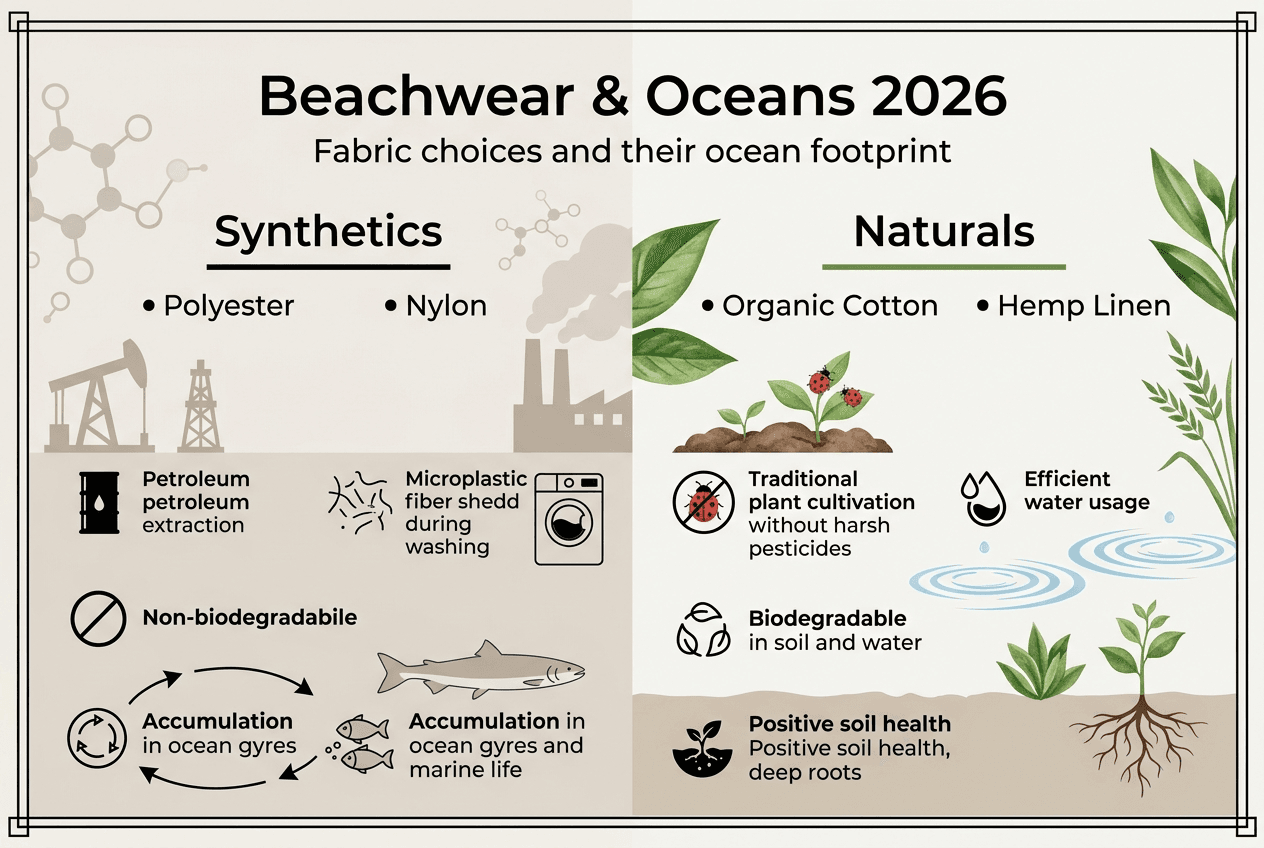
Many eco-conscious shoppers assume recycled polyester and polyamide represent the most sustainable beachwear options. Recent research reveals a troubling paradox that challenges this assumption. Recycled polyester sheds 55% more microfibers than virgin polyester, while recycled polyamide releases 228% more microfibers than its virgin counterpart. These dramatic increases occur because recycling processes damage fiber structure, creating shorter, weaker strands that break apart more easily during washing and wearing.
The finer microfibers released by recycled synthetics pose greater environmental risks than larger particles. These ultra-fine fibers disperse more widely through ocean currents, penetrate deeper into marine food chains, and persist longer in aquatic environments. Fish and filter-feeding organisms cannot distinguish these particles from natural food sources, leading to ingestion that blocks digestive systems and introduces toxic chemicals into tissues. The very materials marketed as ocean-friendly solutions may actually accelerate marine pollution when their full lifecycle impacts are considered.
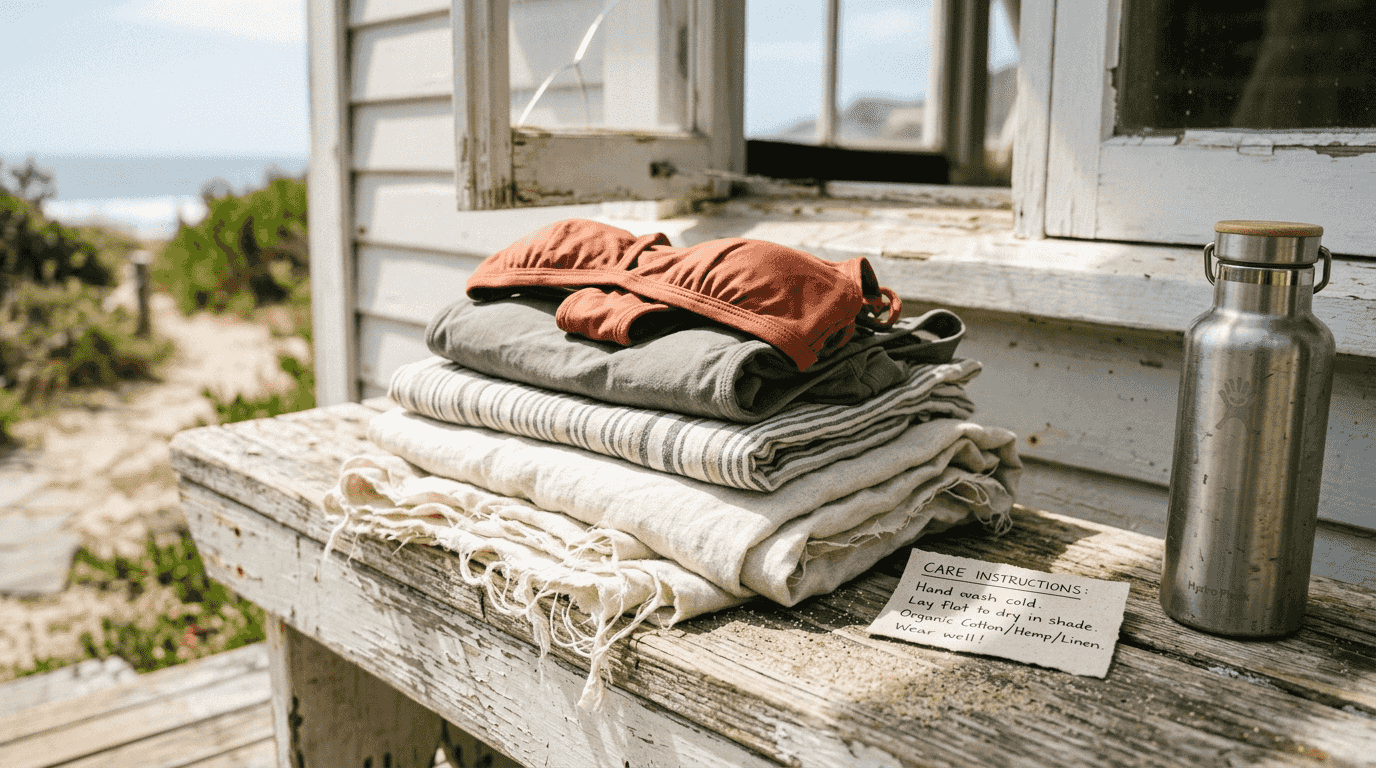
Natural fibers like organic cotton, linen, and hemp also shed during washing, but these materials biodegrade within months rather than centuries. Cellulose-based fibers break down into harmless organic compounds that marine organisms can process without harm. This fundamental difference makes natural materials inherently safer for ocean ecosystems, even though they lack the performance characteristics many beachgoers expect from modern swimwear.
| Fabric Type | Microfiber Shedding Rate | Ocean Persistence | Biodegradation Time | | — | — | — | | Virgin Polyester | Baseline (100%) | Centuries | Never fully degrades | | Recycled Polyester | 55% higher than virgin | Centuries | Never fully degrades | | Virgin Polyamide | Moderate | Centuries | Never fully degrades | | Recycled Polyamide | 228% higher than virgin | Centuries | Never fully degrades | | Organic Cotton | Low, biodegradable | Weeks to months | 1-5 months | | Hemp/Linen | Very low, biodegradable | Weeks to months | 2-4 months |
Industry green claims about recycling often emphasize greenhouse gas reductions while omitting microfiber pollution data. Recycled polyester does require less energy and petroleum than virgin production, creating genuine climate benefits. However, trading one environmental problem for another does not constitute true sustainability. Comprehensive solutions must address both carbon emissions and ocean pollution through innovations like continuous filament yarns that shed fewer fibers, improved dyeing processes, and regulatory standards that hold manufacturers accountable for full lifecycle impacts.
Pro Tip: When shopping for beachwear, prioritize natural fibers or proven low-shed synthetics over recycled materials that lack third-party testing for microfiber release, and always check green swimwear guides for verified sustainable options.
The recycled fabric paradox illustrates why sustainability requires nuanced understanding rather than simple rules. Materials that excel in one environmental dimension may fail in others. Smart consumers evaluate multiple factors including fiber shedding, durability, production impacts, and end-of-life disposal when making purchasing decisions. This holistic approach ensures your beachwear choices genuinely support ocean conservation rather than inadvertently contributing to marine pollution.
Choosing sustainable and stylish beachwear that helps protect oceans
Navigating sustainable beachwear options requires balancing environmental performance with style, functionality, and durability. Start by seeking natural fiber swimwear made from organic cotton, hemp, or innovative materials like Tencel that offer biodegradability without sacrificing comfort. These fabrics work well for beach cover-ups, shorts, and casual swimwear where high-performance stretch is less critical. For active swimming and water sports requiring elasticity, look for brands using ECONYL regenerated nylon or ocean plastic fabrics, but verify they have addressed microfiber shedding through yarn construction or finishing treatments.
Durability represents the most overlooked sustainability factor in beachwear purchasing. A garment that lasts five years instead of one season reduces your environmental impact by 80% regardless of fiber type. Quality construction, reinforced stitching, and colorfast dyes ensure your swimwear withstands repeated sun, salt, and chlorine exposure without degrading. This longevity also saves money over time, making sustainable choices economically smart. Brands like Sandbar demonstrate how removing ocean plastic can combine with durable, stylish design to create beachwear that genuinely benefits marine ecosystems.
Consider these priorities when selecting eco-conscious beachwear:
- Verify fiber content and look for natural materials or certified low-shed synthetics
- Choose timeless designs over trendy styles to extend wearing life
- Select brands transparent about manufacturing processes and environmental impacts
- Prioritize UPF50+ sun protection that adds functionality and reduces need for chemical sunscreens
- Support companies contributing portions of profits to ocean conservation initiatives
- Buy fewer, higher-quality pieces rather than accumulating fast fashion items
Functional features like UPF50+ sun protection, quick-dry properties, and saltwater resistance enhance beachwear value while supporting sustainability goals. Pro Tip: Sun-protective swimwear reduces reliance on chemical sunscreens that damage coral reefs, creating a double environmental benefit that protects both your skin and marine ecosystems. These performance characteristics justify higher prices by delivering years of reliable use that budget options cannot match.
Wardrobe versatility maximizes sustainability by ensuring you actually wear what you buy. Select neutral colors and classic cuts that coordinate with multiple outfits and remain stylish across seasons. A well-chosen swim trunk or bikini that works for pool parties, beach vacations, and water sports gets worn dozens of times annually rather than sitting unused. This frequent use distributes environmental impact across many wearing occasions, dramatically improving the sustainability profile of each garment. Check out eco swimwear style guides and men’s eco swimwear recommendations for specific product suggestions that balance fashion with environmental responsibility.
Your purchasing power shapes industry practices by rewarding brands that prioritize ocean health. When you consistently choose sustainable beachwear and explain your reasoning to friends and family, you create market pressure that encourages more companies to adopt eco-friendly practices. This collective consumer action drives systemic change more effectively than individual efforts alone, transforming the entire beachwear industry toward genuinely sustainable production methods that protect marine environments.
Best practices to reduce microfiber pollution in your daily wear
Even the most sustainable fabrics release some fibers during washing, making laundry practices crucial for minimizing ocean pollution. More than 500,000 tonnes of primary microplastics enter marine environments annually through wastewater from washing machines. Simple changes to your laundry routine can cut this pollution by 50% to 80% without requiring expensive equipment or time-consuming procedures. The key is understanding which washing conditions accelerate fiber release and adjusting your habits accordingly.
Microfiber filters represent the most effective single intervention for capturing shed fibers before they reach waterways. These devices range from washing machine lint filters that install on discharge hoses to specialized laundry bags like Guppyfriend that trap fibers during the wash cycle. Both approaches work well, with bags offering portability for apartment dwellers and travel while installed filters provide set-it-and-forget-it convenience for homeowners. Either option costs less than $50 and pays for itself by extending garment life through gentler washing.
Follow these five steps to dramatically reduce microfiber release:
- Use cold water and gentle cycles that minimize mechanical agitation causing fiber breakage
- Wash full loads rather than small batches to reduce friction between garments and drum surfaces
- Turn garments inside out to protect exterior surfaces from abrasion during tumbling
- Skip fabric softeners and harsh detergents that weaken fiber bonds and accelerate shedding
- Air dry whenever possible instead of machine drying that generates heat and friction damage
Washing frequency matters more than most people realize. Beachwear worn for a few hours at the pool or beach rarely needs washing after each use. Instead, rinse swimwear in cool fresh water to remove salt and chlorine, then hang to dry completely. This simple rinse removes 90% of residues without subjecting fabrics to the mechanical stress of machine washing. Reserve full washing for garments that are visibly soiled or have developed odors that rinsing cannot eliminate. This approach extends garment life while reducing microfiber pollution and saving water and energy.
Additional practices that minimize fiber shedding:
- Choose mild, plant-based detergents that clean effectively without harsh chemicals
- Avoid high-speed spin cycles that create excessive mechanical stress on fabrics
- Fill washing machines to recommended capacity to cushion garments during agitation
- Pre-treat stains with spot cleaning to avoid extra wash cycles
- Store beachwear properly between uses to maintain fabric integrity
Temperature control plays a significant role in fiber release because heat weakens polymer bonds in synthetic fabrics. Hot water washing can double or triple microfiber shedding compared to cold water cycles. Modern detergents work effectively in cold water, making temperature increases unnecessary for cleaning performance. This change simultaneously reduces energy consumption, lowers utility bills, and protects ocean health through decreased microplastic pollution.
Implementing these swimwear care practices requires minimal effort while delivering substantial environmental benefits. When millions of households adopt these simple changes, the cumulative reduction in ocean microplastic pollution becomes significant. Your daily laundry choices represent a practical, immediate way to support marine conservation without waiting for industry or government action. Each load of laundry becomes an opportunity to protect ocean ecosystems through mindful practices that complement smart fabric choices.
Shop stylish, sustainable beachwear with ocean impact in mind
Ready to make beachwear choices that genuinely protect marine ecosystems? Le Club Original offers carefully curated collections of sustainable swimwear designed for eco-conscious consumers who refuse to compromise on style or ocean health. Our platform connects you with brands committed to reducing plastic pollution through innovative materials, durable construction, and transparent manufacturing practices that support marine conservation efforts.

Explore our comprehensive green swimwear shopping guides that break down fabric options, care practices, and brand certifications to help you make informed decisions. Every purchase from environmentally responsible companies sends market signals that encourage broader industry adoption of sustainable practices. Discover long-lasting, fashionable beachwear that aligns with your values while actively contributing to ocean protection. Your swimwear choices today shape the health of marine ecosystems for generations to come.
FAQ
What fabrics cause the most microfiber pollution?
Synthetic fabrics like polyester, nylon, and spandex shed the highest levels of persistent microfibers during washing and wearing. Recycled versions of these materials release even more fibers than virgin synthetics, with recycled polyamide shedding over 200% more particles. Natural fibers like cotton and hemp also shed during washing but biodegrade within months rather than persisting for centuries in marine environments.
Can recycled beachwear fabrics really harm oceans more than new synthetics?
Yes, research shows recycled polyester and polyamide shed significantly more microfibers than virgin versions because recycling processes damage fiber structure. While recycled materials offer greenhouse gas benefits, they can increase ocean microplastic pollution by 55% to 228% depending on the polymer type. True sustainability requires evaluating multiple environmental factors beyond just recycled content, including fiber shedding, durability, and manufacturing impacts.
How can I reduce microfiber pollution when washing my swimwear?
Use microfiber-catching laundry bags or install washing machine filters to trap fibers before they reach waterways. Wash on cold, gentle cycles less frequently, and air dry whenever possible to minimize mechanical stress that causes shedding. Turn garments inside out, avoid harsh detergents, and rinse beachwear in fresh water after each use instead of machine washing after every wear.
Which brands offer stylish beachwear that supports ocean conservation?
Brands like Sandbar and Wallien use rescued ocean plastics and materials with UPF50+ sun protection, combining sustainability with fashionable designs. These companies often contribute portions of profits to marine conservation initiatives and maintain transparent supply chains. Supporting such eco-conscious swimwear brands helps fund ocean cleanup efforts while reducing plastic waste through circular economy approaches that transform pollution into functional, stylish beachwear.