

Choosing swimwear that looks great while protecting the ocean can feel like a balancing act for many eco-conscious men and parents. The search goes beyond flashy patterns or bold colors, reaching into whether your purchase helps preserve marine environments. Swimwear is a surprising source of microplastic pollution during recreational use, making your buying decisions matter more than you might think. This guide lays out the facts about sustainable swimwear, clears up common myths, and helps you understand which choices truly support ocean conservation and long-lasting style.
Table of Contents
- Defining Sustainable Swimwear and Misconceptions
- Types of Eco-Friendly Materials Used in Swimwear
- How Swimwear Production Impacts Ocean Health
- Consumer Choices and Their Environmental Influence
- Common Pitfalls With Non-Eco Swimwear Brands
Key Takeaways
| Point | Details |
|---|---|
| Sustainable Swimwear Definition | Sustainable swimwear focuses on minimizing environmental impact through eco-friendly materials and sustainable manufacturing practices. |
| Consumer Impact | Individual purchasing decisions can significantly influence marine conservation by promoting brands that prioritize sustainability. |
| Material Choices | Eco-friendly brands utilize materials like regenerated nylon and recycled polyester to reduce pollution and resource consumption. |
| Non-Eco Pitfalls | Non-eco swimwear brands often rely on harmful materials and exploit consumer ignorance, leading to significant ecological damage. |
Defining Sustainable Swimwear and Misconceptions
Sustainable swimwear represents more than just an environmentally friendly clothing choice. It embodies a comprehensive approach to fashion that considers ecological impact, manufacturing processes, and long-term environmental consequences. Sustainable fashion fundamentally challenges traditional production methods, requiring a holistic view of clothing development that goes beyond superficial green marketing.
At its core, sustainable swimwear involves using materials and production techniques that minimize environmental harm. This includes utilizing recycled plastics, organic fibers, and developing manufacturing processes that reduce water consumption, chemical usage, and carbon emissions. Brands committed to sustainability often focus on creating high-quality, durable products that resist rapid wear and replacement, thus reducing overall textile waste.
However, misconceptions about sustainable swimwear remain prevalent. Many consumers mistakenly believe that eco-friendly swimwear means sacrificing style, comfort, or performance. In reality, sustainable swimwear brands are innovating with advanced materials that offer superior durability, UV protection, and aesthetic appeal. The misconception that sustainable equals inferior is quickly being dismantled by designers who prove environmental responsibility can coexist with cutting-edge fashion.
Pro tip: When shopping for sustainable swimwear, look beyond marketing claims and investigate the brand’s specific environmental certifications and transparent manufacturing practices.
Types of Eco-Friendly Materials Used in Swimwear
Sustainable swimwear has revolutionized fabric selection, introducing innovative materials that significantly reduce environmental impact while maintaining performance and style. Sustainable swimwear trends showcase an impressive array of eco-friendly textiles that transform how we think about ocean-friendly fashion.
The most prominent eco-friendly materials in sustainable swimwear include regenerated nylon (often sourced from discarded fishing nets), recycled polyester derived from plastic bottles, and organic cotton processed without harmful chemicals. Econyl, a regenerated nylon fabric, stands out by collecting abandoned fishing nets and industrial plastic waste, transforming these potential ocean pollutants into high-performance swimwear fabric. Brands are also exploring innovative alternatives like hemp blends, bamboo fibers, and textiles made from recycled ocean plastics, each offering unique environmental benefits and performance characteristics.
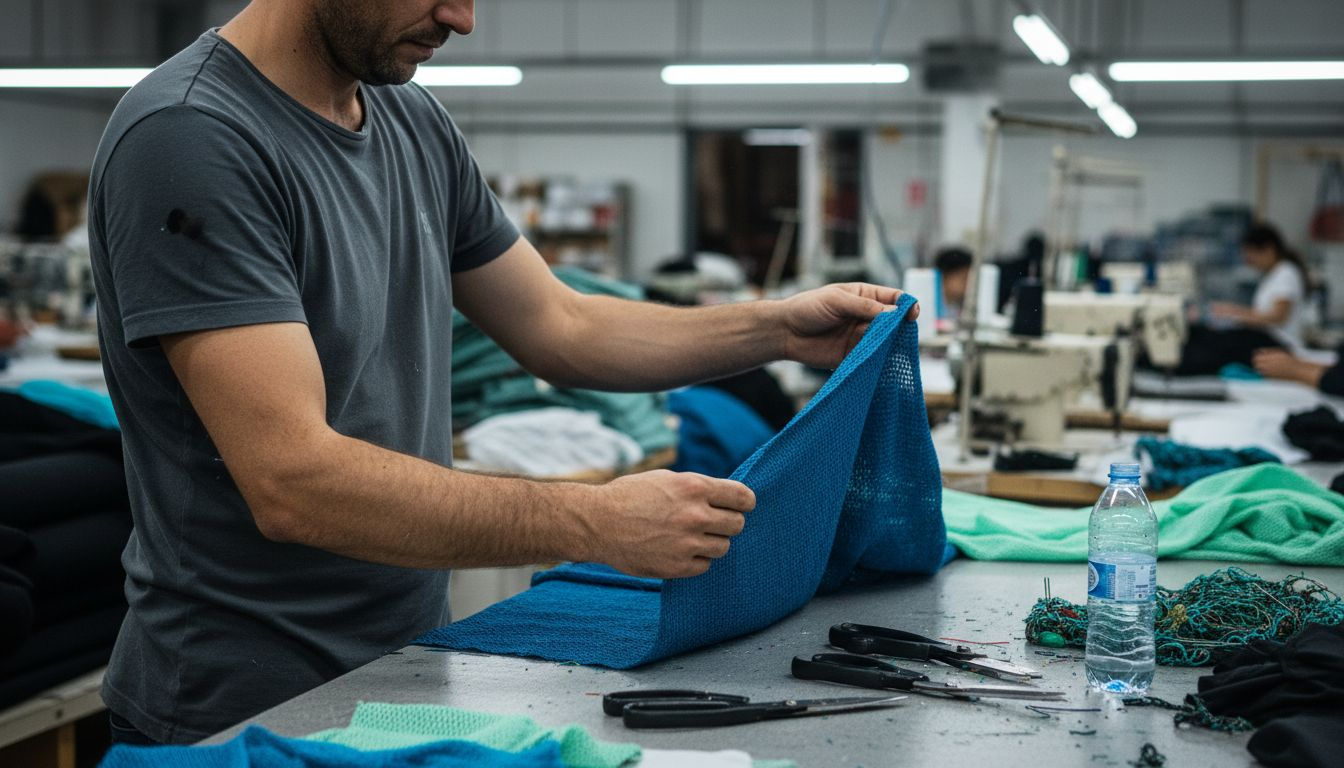
Beyond material composition, sustainable swimwear manufacturers are implementing comprehensive approaches to reduce environmental footprint. This includes using low-impact dyes, minimizing water consumption during production, and designing swimwear with longevity in mind. Advanced manufacturing techniques now enable the creation of swimwear that not only looks stylish but actively contributes to ocean conservation by preventing waste and reducing virgin material consumption.
Pro tip: Check swimwear labels for specific details about material composition and look for certifications that verify the fabric’s sustainable origins and manufacturing process.
Here’s a comparison of common sustainable swimwear materials and their environmental advantages:
| Material Type | Source | Environmental Benefit |
|---|---|---|
| Regenerated Nylon | Discarded fishing nets, plastics | Removes ocean waste, reduces landfill |
| Recycled Polyester | Post-consumer plastic bottles | Lowers plastic pollution, saves energy |
| Organic Cotton | Sustainably grown cotton fibers | Minimizes pesticide use, biodegradable |
| Hemp Blends | Rapidly renewable hemp crops | Requires less water, robust durability |
| Bamboo Fibers | Fast-growing bamboo plants | Renewable resource, soft texture |
How Swimwear Production Impacts Ocean Health
Swimwear production represents a complex environmental challenge with far-reaching consequences for marine ecosystems. Microplastic pollution from swimwear has emerged as a critical environmental threat, with synthetic fabrics releasing microscopic particles during washing and recreational activities that directly contaminate aquatic environments.
The environmental impact begins with raw material extraction and continues through manufacturing processes. Synthetic fabrics like polyester and nylon, commonly used in swimwear, are petroleum-based materials that require significant energy consumption and generate substantial carbon emissions during production. When these materials break down, they release microfibers that persist in water systems, potentially entering marine food chains and causing long-term ecological disruption. Each piece of synthetic swimwear can shed thousands of microscopic plastic fragments during its lifecycle, contributing to the growing global microplastic pollution crisis.
Manufacturers are increasingly recognizing the need for comprehensive sustainability strategies. Innovative approaches include developing closed-loop production systems, utilizing recycled ocean plastics, implementing water-efficient manufacturing techniques, and creating swimwear designed for minimal environmental impact. By prioritizing circular economy principles, brands can significantly reduce the ecological footprint of swimwear production, transforming a traditionally wasteful industry into a model of environmental responsibility.
Pro tip: Choose swimwear made from regenerated materials and wash synthetic garments in specialized microfiber-catching laundry bags to minimize microplastic release.
Consumer Choices and Their Environmental Influence
Consumer behavior plays a pivotal role in ocean conservation, with individual purchasing decisions creating ripple effects across marine ecosystems. Consumer choices in ocean conservation demonstrate how personal decisions can collectively transform environmental sustainability.
Understanding the connection between personal consumption and marine health is crucial. Conscious consumerism involves making intentional choices that minimize environmental impact, such as selecting swimwear made from recycled materials, supporting brands with transparent sustainability practices, and reducing single-use plastic consumption. By prioritizing products that contribute to ocean preservation, consumers can directly influence manufacturing practices and signal market demand for environmentally responsible products. The power lies not just in individual purchases, but in the collective message sent to industries about environmental priorities.
Ocean connectedness and environmental identity reveal that emotional engagement with marine environments significantly influences pro-environmental behaviors. This psychological connection transforms sustainable choices from abstract concepts to personal commitments. Consumers who develop a deeper understanding of marine ecosystems are more likely to make thoughtful purchasing decisions, invest in high-quality sustainable products, and advocate for broader environmental initiatives.
Pro tip: Research brands’ sustainability certifications and transparently report environmental practices before making purchasing decisions, prioritizing companies demonstrating genuine commitment to ocean conservation.
Common Pitfalls With Non-Eco Swimwear Brands
Non-eco swimwear brands perpetuate significant environmental challenges through unsustainable manufacturing practices and material choices. Swimwear fabric deterioration represents a critical issue that extends far beyond simple product performance, revealing deeper systemic problems within the fashion industry.
The primary pitfalls of non-eco swimwear brands center around material selection and manufacturing processes. Synthetic fabrics like virgin polyester and nylon, commonly used in traditional swimwear, generate substantial environmental harm. These petroleum-based materials require extensive energy for production, release microplastics during washing, and contribute to long-term pollution. Non-eco brands often prioritize short-term cost reduction over environmental responsibility, creating products with limited lifecycle and significant ecological footprints.
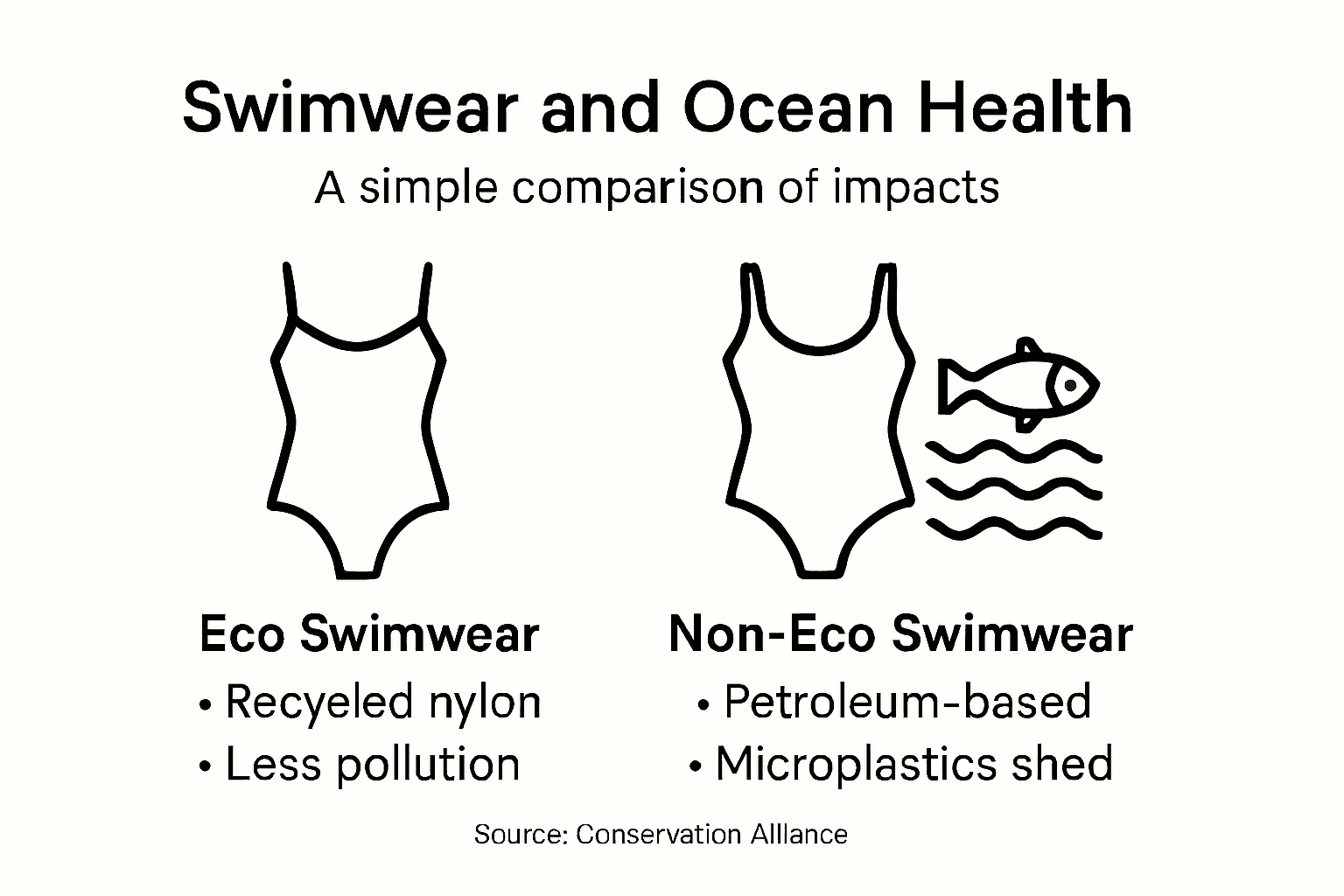
Consumer awareness plays a crucial role in challenging these problematic practices. Many non-eco swimwear brands exploit consumer ignorance by using misleading marketing language, obscuring their environmental impact, and avoiding transparency about manufacturing processes. They frequently rely on cheap, environmentally destructive materials that deteriorate quickly, encouraging a disposable fashion mentality that generates massive textile waste. By contrast, eco-conscious brands invest in advanced, sustainable technologies that prioritize material durability, recyclability, and minimal environmental disruption.
Pro tip: Scrutinize swimwear labels for specific material composition and research brands’ sustainability certifications before making purchasing decisions.
The table below summarizes major differences between eco-friendly and non-eco swimwear brands:
| Aspect | Eco-Friendly Brands | Non-Eco Brands |
|---|---|---|
| Material Sourcing | Recycled or organic fibers | Virgin polyester, nylon |
| Manufacturing Practices | Water-saving, low-impact | High energy, excess chemicals |
| Product Durability | Designed for longevity | Prone to deterioration, short-term |
| Marketing Transparency | Certifications, clear info | Often misleading, vague claims |
| Environmental Impact | Reduced pollution, waste | Microplastics, high carbon output |
Protect Our Oceans with Sustainable Swimwear From Le Club Original
The pressing challenge highlighted in the article reveals how swimwear production contributes to microplastic pollution and ocean harm. Many consumers struggle to find stylish swimwear that truly supports ocean conservation without compromising on quality or performance. You deserve swim trunks that combine durability, eco-friendly materials like regenerated nylon, and transparent sustainability practices. This means choosing products that reduce plastic waste and lower environmental impact while looking great on every beach and poolside occasion.
Discover how Le Club Original meets these goals by offering a carefully crafted collection of sustainable swimwear designed for men and boys. Our swim trunks focus on reducing ocean plastic pollution through responsible manufacturing, lasting quality, and the use of recycled fabrics. Choose high-quality pieces that support a circular economy and make the powerful choice to help protect marine life and water health.
Explore our sustainable swimwear collection today and take a confident step towards ocean-friendly fashion that does not sacrifice style.
Ready to make a difference with every purchase Shop now at Le Club Original where fashion meets environmental responsibility. Enjoy free shipping on orders over $50 and join a community committed to ocean conservation and ethical style.
Frequently Asked Questions
What is sustainable swimwear?
Sustainable swimwear is designed with eco-friendly materials and manufacturing processes that minimize environmental impact, focusing on durability and longevity to reduce textile waste.
How do non-eco swimwear brands contribute to ocean pollution?
Non-eco swimwear brands often use petroleum-based synthetic fabrics that shed microplastics during washing, contributing to significant ocean pollution and harming marine ecosystems.
What materials are commonly used in sustainable swimwear?
Common materials in sustainable swimwear include regenerated nylon from discarded fishing nets, recycled polyester from plastic bottles, organic cotton, and innovative alternatives like hemp and bamboo fibers.
How can consumers make better choices for ocean conservation when selecting swimwear?
Consumers can prioritize swimwear made from recycled or organic materials, support brands that demonstrate transparency in their sustainability practices, and reduce the use of single-use plastics to positively impact ocean health.
Recommended
- 7 Best Men’s Beachwear Brands for 2026 – Le Club Original
- 7 Best Men’s Beachwear Brands for 2026 – Le Club Original
- 7 Essential Summer Beachwear Trends 2025 for Eco Style – Le Club Original
- 7 Essential Summer Beachwear Trends 2025 for Eco Style – Le Club Original
- Descubre las Últimas Tendencias en Trajes de Baño para Hombre