

Finding stylish beach gear that actually supports environmental goals can feel overwhelming, especially when most products on the market still rely on plastic and disposable materials. For eco-conscious guys and teens, the challenge is balancing sustainable materials and functional design with personal style for trips from the Australian coast to the Caribbean shoreline. This article offers practical steps to help you identify, research, and choose accessories that not only fit your vacation vibe but also protect the oceans and ecosystems you love.
Table of Contents
- Step 1: Assess Your Vacation Needs And Preferences
- Step 2: Research Sustainable And Stylish Accessory Options
- Step 3: Evaluate Quality, Eco-Credentials, And Price
- Step 4: Select Accessories That Match Your Style And Values
- Step 5: Verify Functionality And Environmental Impact
Quick Summary
| Key Point | Explanation |
|---|---|
| 1. Assess Your Beach Needs | Identify your core activities, climate, and personal comfort to avoid unnecessary beach accessory purchases. |
| 2. Research Sustainable Options | Look for accessories made from recycled, organic, or biodegradable materials that align with your environmental values and lifestyle. |
| 3. Evaluate Quality and Price | Check for durability, certifications, and calculate the true cost per use to ensure long-lasting value for your investment. |
| 4. Match Style With Function | Choose eco-friendly accessories that fit your personal style and make you feel confident while supporting sustainability. |
| 5. Verify Performance and Impact | Ensure your accessories perform well and have genuine environmental benefits by checking user reviews and brand certifications. |
Step 1: Assess Your Vacation Needs and Preferences
Before you buy a single beach accessory, take time to understand what your trip actually demands. Your vacation style is unique, and your accessories should reflect both your lifestyle and your environmental values.
Start by identifying the core activities you’ll do during your beach time. Will you spend hours swimming and diving, or are you more of a lounger who reads and enjoys the sun? Are you exploring tide pools, hiking coastal trails, or attending beach parties in the evenings? Each activity requires different accessories.
Next, think about the climate and conditions you’ll face. Tropical beaches demand different protection than cooler coastal destinations. Consider water temperature, sun intensity, wind conditions, and how much time you’ll spend in the water versus on the sand.
Here’s what to evaluate:
- Duration of your stay and how many beach days you’ll actually have
- Water activities you plan (swimming, surfing, snorkeling, paddleboarding)
- Sun and weather exposure based on destination and season
- Your personal comfort level with different materials and coverage
- Space and luggage limitations for packing accessories
Understanding your needs prevents wasteful purchases. When you recognize that reusable items and sustainable materials reduce plastic waste, you’re better equipped to choose accessories that serve your actual purposes rather than accumulating things you won’t use.
Consider also what makes you feel confident and comfortable. If you dislike feeling exposed, you’ll want different accessories than someone who loves minimal coverage. Confidence comes from knowing your gear fits your style and your values.
Your vacation preferences extend to how you interact with the beach environment itself. Do you want to protect marine ecosystems by choosing reef-safe options? Will you be mindful about reducing single-use plastics during your trip?
Clarity about your actual needs prevents impulse purchases and ensures every accessory earns its place in your luggage.
Pro tip: Write down three to five specific activities you’ll do at the beach, then cross-reference each with the accessories that genuinely support that activity—this eliminates guesswork and helps you prioritize what truly matters for your trip.
Step 2: Research Sustainable and Stylish Accessory Options
Now that you know what you need, it’s time to hunt for accessories that match your values and aesthetic. The good news: sustainable beach gear has evolved far beyond boring, colorless basics.
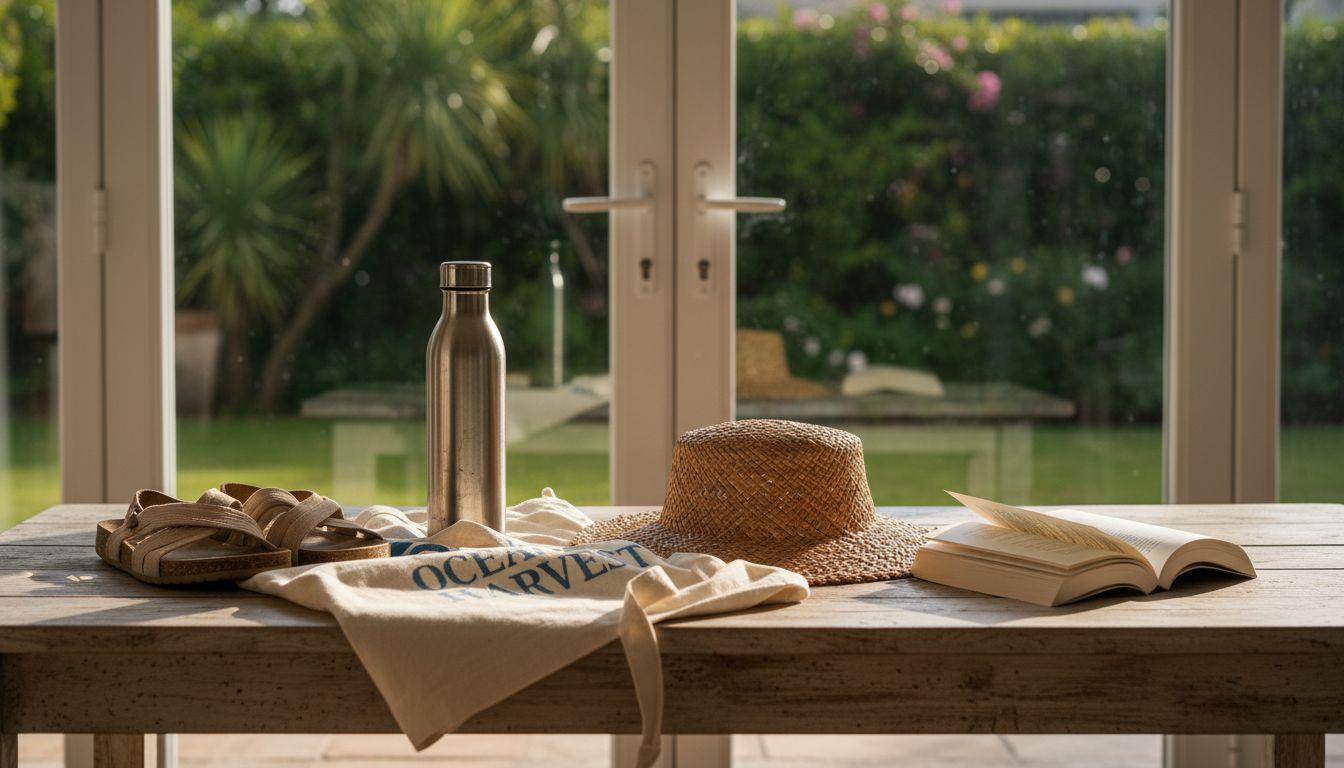
Start by identifying the materials that matter most to you. Recycled materials, organic textiles, and biodegradable substances form the foundation of truly sustainable accessories. Each material tells a story about where it came from and where it’ll go after you’re done using it.
Look for specific product categories that align with your needs:
- Reusable water containers made from stainless steel or BPA-free alternatives
- Organic cotton or recycled mesh bags for carrying your gear
- Sustainable towels and wraps crafted from recycled fibers
- Natural rubber or cork accessories for sun protection and comfort
- Ethical swimwear made from regenerated nylon or recycled ocean plastics
Research goes beyond just materials. Investigate the brands behind the products. Do they prioritize ethical manufacturing? Do they give back to ocean conservation? How transparent are they about their supply chain? Brands that care tend to communicate their environmental commitments openly.
Check out product reviews from other eco-conscious travelers. Real user feedback reveals whether that supposedly sustainable bag actually holds up to salt water, sand, and daily beach abuse. Online communities focused on sustainable living often share honest recommendations and warnings.
Visit brand websites and look for certifications like Fair Trade, B Corp, or Ocean Wise. These labels provide third-party verification that a company walks the talk. You can also explore sustainable beach accessories curated specifically for style-conscious choices that don’t require compromising on how you look.
Here’s a quick reference table comparing popular sustainable beach accessory materials and their unique benefits:
| Material Type | Environmental Benefit | Comfort & Durability |
|---|---|---|
| Recycled polyester | Diverts plastic waste from landfills | Lightweight yet strong |
| Organic cotton | Reduces chemical use in farming | Soft and breathable |
| Natural cork | Biodegradable and renewable | Cushioned and water-resistant |
| Regenerated nylon | Recycles ocean plastics | Flexible and quick-drying |
| Stainless steel | Reduces single-use plastics | Durable and corrosion-resistant |
The best sustainable accessory is one you’ll actually use and love for years, not one gathering dust because it didn’t meet your expectations.
Pro tip: Compare at least three options within each accessory category before deciding, reading both positive and critical reviews to understand real-world performance and longevity.
Step 3: Evaluate Quality, Eco-Credentials, and Price
You’ve found options that appeal to you. Now comes the critical part: determining whether they’re actually worth your money and your environmental commitment. This evaluation protects both your wallet and your values.
Start by examining the materials closely. Look beyond marketing language to find actual certifications. Certification standards that affirm eco-friendliness provide third-party verification that claims aren’t just greenwashing. Seek labels for organic content, recycled materials, or Fair Trade production.
Quality indicators matter significantly for durability and long-term value:
- Stitching and seams should be tight and reinforced at stress points
- Material thickness ensures the product won’t tear or fade quickly
- Finishing details like hemming and zippers reveal construction standards
- Brand warranty shows the company stands behind its products
- Longevity records from customer reviews prove real-world durability
Now address the price question honestly. Yes, sustainable accessories typically cost more upfront. This isn’t a flaw, it’s reality. Investing in long-lasting, ethically produced accessories leads to reduced environmental footprints and better value over time. A forty-dollar reusable bag that lasts five years beats a ten-dollar disposable one you replace annually.
Calculate the true cost per use. Divide the price by estimated years of use based on material quality and durability. A premium sustainable product might seem expensive until you realize it’ll outlast cheaper alternatives by years.
Check whether brands offer repair services or replacement warranties. Companies committed to sustainability understand that the most eco-friendly product is one that stays out of landfills. Reputable brands often provide mending services or exchange programs for damaged items.
This summary table highlights key factors to consider for lasting, eco-friendly beach accessories:
| Factor | Why It Matters | What To Look For |
|---|---|---|
| Certification | Confirms sustainability claims | Fair Trade, GOTS, B Corp, Bluesign |
| Durability | Reduces replacement cycles | Reinforced seams, thick materials |
| Warranty/Repair | Extends product lifespan | Brand-backed repairs or exchanges |
| Price Per Use | Reveals true value | Higher upfront, lower lifetime cost |
Price reveals values. Sustainable accessories cost more because they reflect actual environmental and ethical costs that cheap alternatives ignore.
Pro tip: Create a simple comparison spreadsheet listing price, durability rating from reviews, certifications, and warranty terms for your top three choices in each category—this eliminates emotional decision-making.
Step 4: Select Accessories That Match Your Style and Values
This is where sustainability becomes personal. You’re not just buying eco-friendly gear; you’re curating pieces that feel like you. The best accessory is one that excites you every time you grab it.
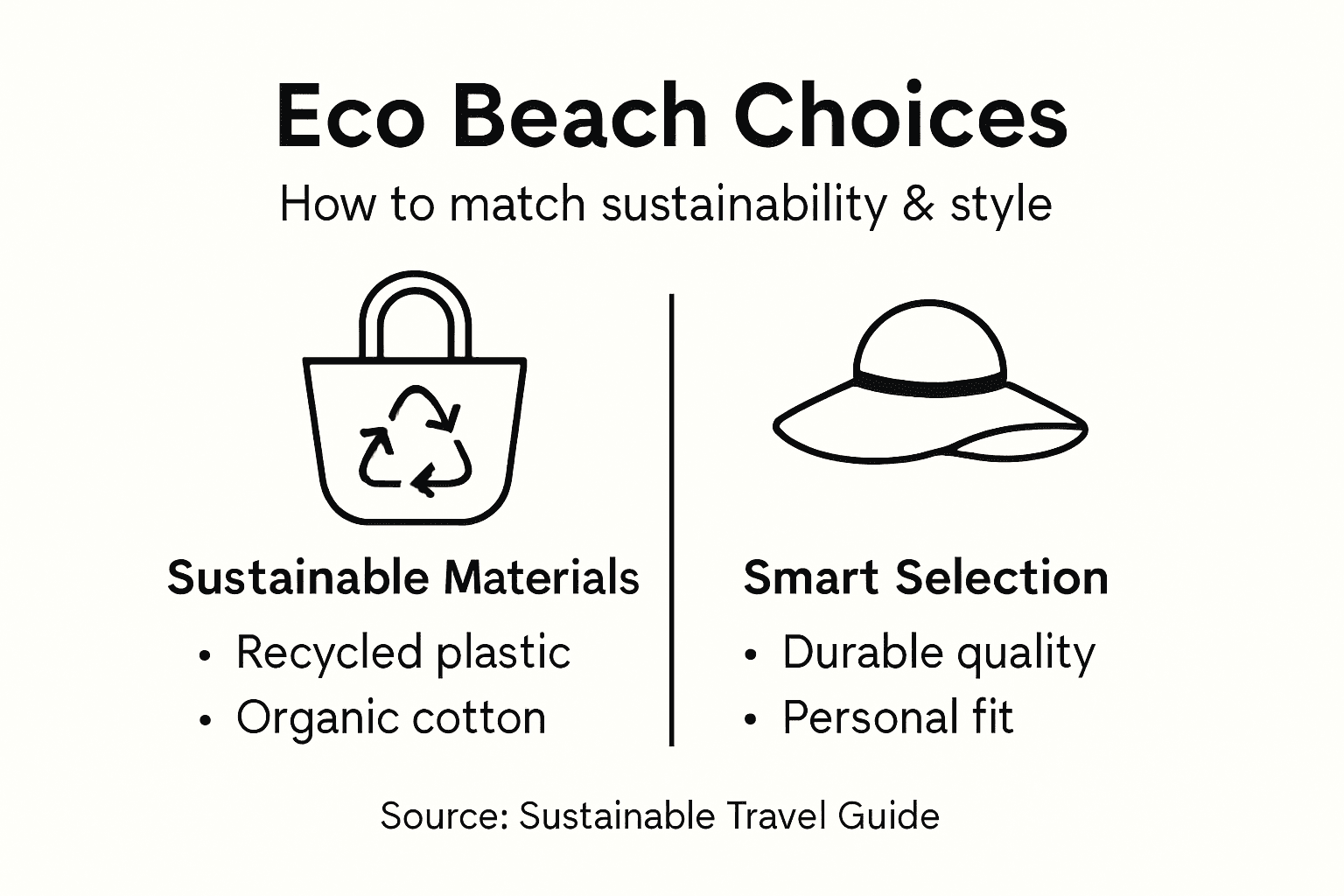
Start by identifying your style aesthetic. Are you minimalist or bold? Colorful or neutral? Classic or trendy? Your accessories should enhance how you already dress, not force you into someone else’s vision. Sustainable doesn’t mean sacrificing your personal brand.
Look for brands that offer diverse styles within their sustainable lines. Quality eco-conscious companies understand that sustainability appeals to different tastes:
- Minimalist designs in natural fibers for understated elegance
- Vibrant colors and patterns that feel modern and energetic
- Vintage-inspired pieces with vintage appeal and contemporary function
- Performance styles engineered for active water sports
- Statement accessories that showcase your environmental commitment
Alignment between your values and product choices amplifies your satisfaction. When you wear stylish yet sustainable accessories that merge eco-friendly attributes with modern design, you’re not compromising. You’re expressing who you are through every choice.
Consider the story behind each piece. Does the brand donate to ocean conservation? Do they employ fair wages? Do they use renewable energy in manufacturing? Supporting companies that share your environmental values feels genuinely rewarding, not obligatory.
Ask yourself whether you’d feel proud recommending each item to friends. Real style confidence comes from knowing your accessories reflect both aesthetic taste and ethical principles. That combination is powerful.
True style isn’t about looking good on the beach. It’s about feeling good knowing your choices protect the beaches you love.
Pro tip: Before purchasing, live with your selection for 24 hours in your online cart—if you’re still excited about it tomorrow, it’s a keeper; impulse fades, but genuine style resonates.
Step 5: Verify Functionality and Environmental Impact
You’re almost at the finish line. Before you commit to your selections, take time to verify that each accessory actually performs as promised and delivers genuine environmental benefits. This final check prevents disappointment and ensures your choices matter.
Start with functionality testing. Will that sustainable beach bag actually hold your stuff without tearing? Does the eco-friendly sunscreen work as well as conventional options? Read user reviews specifically focused on real-world beach performance. Look for feedback from people with your exact use case.
Check practical performance indicators:
- Water resistance for items exposed to salt water and sand
- Durability under UV exposure to verify fade resistance
- Comfort during extended wear for items like straps or bands
- Ease of cleaning and maintenance after beach use
- Longevity claims backed by customer experience
Now examine the environmental claims more critically. Assessing biodegradability, durability, and the full lifecycle from production to disposal ensures your choices truly minimize ecological footprints. Don’t accept vague promises like “eco-friendly” without specifics.
Verify recyclability and non-toxicity details. Can the item be recycled at end of life, or will it decompose naturally? Are all materials free from harmful chemicals that leach into oceans? Legitimate sustainable brands provide detailed information about their materials’ complete lifecycle.
Look for third-party certifications verifying environmental claims. Organizations like Bluesign, GOTS (Global Organic Textile Standard), and Cradle to Cradle audit manufacturers’ practices. These certifications take the guesswork out of greenwashing.
Consider the bigger picture. Items made from sustainable materials contribute to reduced waste and pollution when they replace disposable alternatives. One reusable bag preventing hundreds of single-use bags from reaching landfills represents real impact.
Verification separates genuine sustainability from marketing hype. Trust brands that answer your detailed questions transparently.
Pro tip: Contact brands directly with specific questions about materials and environmental impact; their responsiveness and detail level reveal whether they genuinely care or just talk the talk.
Elevate Your Eco-Friendly Beach Style with Thoughtful Choices
Choosing beach accessories that align with your values can be challenging when striving for sustainability, quality, and personal style all at once. This article highlights how to avoid wasteful purchases by focusing on durable, ethically made items that support your unique vacation needs and confidence. Finding products that merge eco-conscious materials with functional design is key to protecting the oceans while looking great.
Explore Sustainable Swimwear and Beach Apparel that match your eco-friendly ambitions and style preferences.

Discover our curated collection of stylish, recycled, and responsibly made swim trunks and essentials designed to empower your beach days with lasting comfort and minimal environmental impact. Act now to join a community committed to ocean preservation and fashion that feels personally meaningful. Visit Le Club Original today and experience sustainable beachwear made for your lifestyle and values.
Frequently Asked Questions
How do I assess my vacation needs before picking beach accessories?
Start by identifying the core activities you plan to do at the beach, such as swimming, lounging, or hiking. Make a list of three to five specific activities and use them to prioritize the accessories that will support those activities effectively.
What materials should I look for in eco-friendly beach accessories?
Focus on recycled materials, organic textiles, and biodegradable substances. Aim to choose items made from materials like recycled polyester or natural rubber to support sustainability without sacrificing style.
How can I verify the eco-credentials of beach accessories?
Look for third-party certifications, such as Fair Trade or B Corp, that confirm a product’s sustainability claims. Research the brand’s practices related to manufacturing and environmental stewardship to ensure they align with your values.
What factors indicate the quality of beach accessories?
Check for tight stitching, durable materials, and well-finished details like zippers. Additionally, read consumer reviews regarding longevity and durability to gauge how well an accessory will hold up under beach conditions.
How can I ensure my beach accessories match my personal style?
Identify your style preferences, such as colors, patterns, and functionality, and seek brands that offer diverse options within their sustainable lines. Create a wishlist of accessories that resonate with your aesthetic while maintaining eco-friendly attributes.
What should I consider for functionality before purchasing beach accessories?
Assess user feedback to ensure that each accessory meets practical performance needs like water resistance and comfort during use. Aim to verify that items can withstand typical beach activities without showing signs of wear.
Recommended
- Beach Accessories Selection Guide for Eco-Friendly Vacation – Le Club Original
- Beach Accessories Selection Guide for Eco-Friendly Vacation – Le Club Original
- 7 Must-Have Sustainable Beach Accessories List for Men – Le Club Original
- 7 Must-Have Sustainable Beach Accessories List for Men – Le Club Original