

Packing for your next beach escape means more than just choosing prints and colors. As eco-conscious travelers demand swimwear that matches their values, the quest for stylish and sustainable options becomes just as important as sun and sand. The shift toward environmentally responsible apparel is changing the way North American men prioritize quality, aesthetics, and the planet when selecting their vacation wardrobe.
Table of Contents
- Sustainable Apparel Explained and Common Myths
- Eco-Friendly Materials and Ethical Production
- Environmental and Health Benefits of Sustainable Swimwear
- Comparing Sustainable vs. Traditional Beachwear
- Financial, Social, and Style Impacts for Consumers
Key Takeaways
| Point | Details |
|---|---|
| Sustainable Apparel Focuses on Ethical Production | It involves reducing environmental impact through responsible material selection and ensuring fair labor practices. |
| Style and Affordability Are Achievable | Sustainable fashion now offers trendy options across various price points, challenging the notion that eco-friendly clothing sacrifices style. |
| Consumer Demand Drives Transparency | Shoppers are increasingly seeking brands that demonstrate genuine ecological responsibility and ethical practices. |
| Long-Term Value in Sustainable Choices | Investing in high-quality, durable pieces leads to reduced replacement frequency and lower lifetime clothing costs. |
Sustainable Apparel Explained and Common Myths
Sustainable apparel represents a critical evolution in fashion, focusing on clothing production that minimizes environmental harm while prioritizing ethical practices. Debunking misconceptions about sustainable fashion reveals that eco-friendly clothing is far more nuanced and accessible than most consumers realize.
Contrary to popular belief, sustainable apparel isn’t just about fabric choice - it encompasses a comprehensive approach to clothing production that considers environmental and social impacts. The key aspects include:
- Reducing carbon footprint during manufacturing
- Using recycled or organic materials
- Ensuring fair labor practices
- Minimizing water and chemical usage
- Creating long-lasting, durable clothing designs
Many consumers mistakenly assume that sustainable fashion means sacrificing style or paying premium prices. However, the reality is dramatically different. Sustainable brands now offer trendy, competitive options across various price points, making eco-conscious clothing increasingly mainstream.
Sustainable fashion isn’t a compromise - it’s a smarter, more responsible way of dressing.
The fashion industry continues to evolve, with brands challenging traditional sustainability claims and pushing for more transparent environmental practices. Consumers are becoming more discerning, demanding genuine commitments to ecological responsibility rather than superficial marketing claims.
Pro tip: Start your sustainable fashion journey by investing in versatile, high-quality pieces that transcend seasonal trends and minimize wardrobe waste.
Eco-Friendly Materials and Ethical Production
Sustainable apparel production represents a sophisticated approach to clothing manufacturing that goes far beyond simple material selection. Innovative biomaterials and sustainable textile technologies are revolutionizing how we think about clothing production, offering environmentally responsible alternatives to traditional manufacturing methods.
The core of eco-friendly apparel lies in selecting materials that minimize environmental impact. Key sustainable materials include:
Here’s a summary of eco-friendly materials and their core benefits:
| Material Type | Environmental Benefit | Unique Feature |
|---|---|---|
| Organic cotton | Reduced pesticide use | Soft, breathable fabrics |
| Recycled polyester | Diverts plastic from landfills | Durable and water-resistant |
| Hemp fabric | Minimal water consumption | Naturally antimicrobial |
| Bamboo textiles | Rapidly renewable crop | Silky texture and cooling |
| Bio-based polymers | Lower fossil fuel reliance | Biodegradable alternatives |
- Organic cotton: Grown without harmful pesticides
- Recycled polyester: Reduces plastic waste
- Hemp fabric: Requires minimal water and grows quickly
- Bamboo textiles: Rapidly renewable resource
- Bio-based polymers: Derived from natural, renewable sources
Ethical production encompasses more than just material selection. Responsible manufacturing practices involve comprehensive approaches that prioritize worker welfare, environmental protection, and transparent supply chains. This means ensuring fair wages, safe working conditions, and minimizing carbon emissions throughout the production process.
Sustainable manufacturing is about creating value for both people and the planet.
Technology plays a crucial role in transforming apparel production. Advanced manufacturing techniques now enable precise water and energy management, reducing waste and environmental footprint. Innovative brands are investing in circular design principles, creating clothing that can be easily recycled or biodegraded at the end of its lifecycle.
Pro tip: Research clothing brands that provide transparent information about their manufacturing processes and material sourcing to make truly informed sustainable fashion choices.
Environmental and Health Benefits of Sustainable Swimwear
Sustainable swimwear represents a powerful solution to the environmental challenges posed by traditional beachwear. Innovative eco-friendly swimwear technologies are transforming how conscientious consumers approach their beach and water recreation attire, offering significant benefits for both personal health and planetary well-being.
The environmental advantages of sustainable swimwear are profound and multifaceted:
- Reduced plastic pollution: Prevents microplastic release into oceans
- Lower carbon footprint: Minimizes manufacturing emissions
- Water conservation: Requires less water during production
- Circular design: Enables recycling and material reuse
- Waste reduction: Creates longer-lasting garments
Beyond environmental impact, sustainable swimwear offers critical health benefits. Traditional swimwear often contains harmful chemicals like petroleum-based synthetics and toxic dyes that can be absorbed through skin. Eco-friendly alternatives use natural, non-toxic materials that protect both personal health and marine ecosystems.
Your swimwear choice can be a powerful statement for ocean conservation.
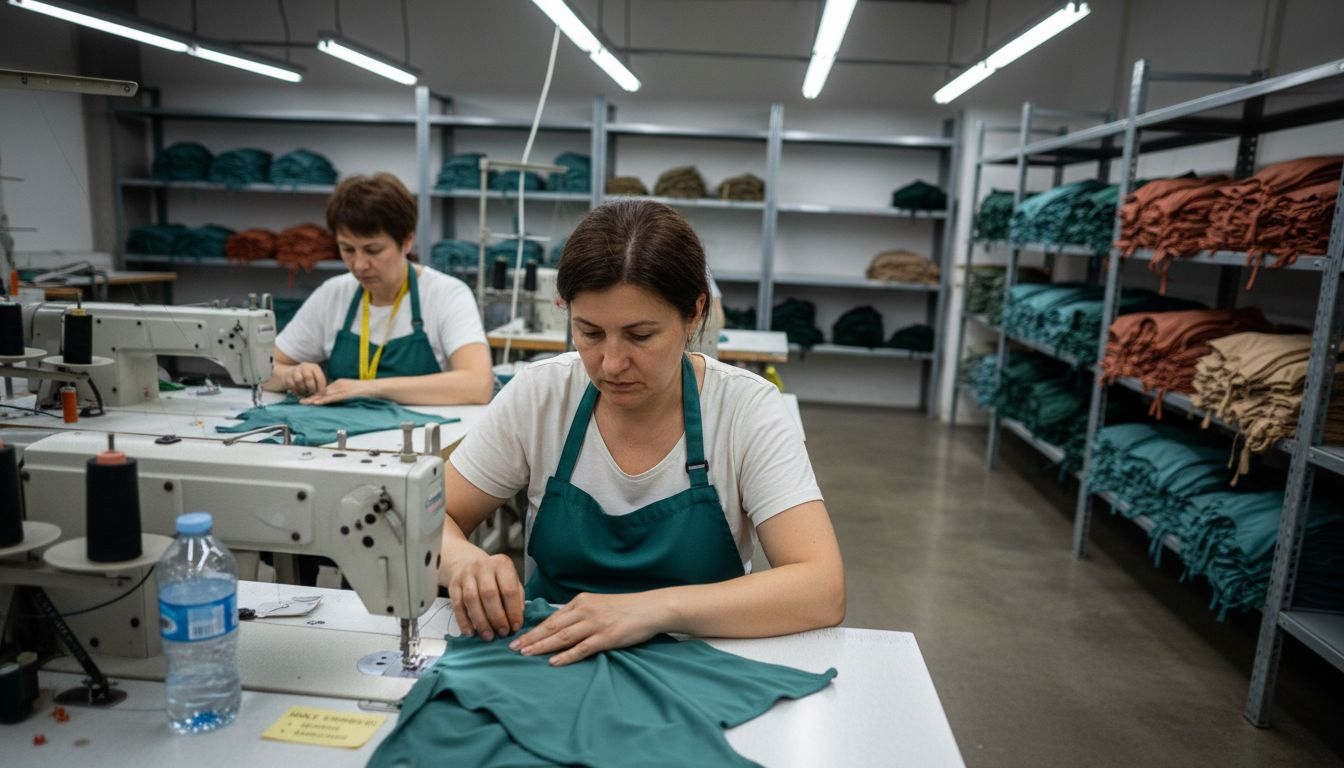
The manufacturing process of sustainable swimwear also prioritizes worker welfare, ensuring fair labor practices and safe working conditions. By choosing these environmentally responsible options, consumers support a more ethical and transparent fashion industry that values both human and ecological well-being.
Pro tip: Check swimwear labels for certifications like Global Organic Textile Standard (GOTS) to ensure true sustainability and ethical production.
Comparing Sustainable vs. Traditional Beachwear
Consumer preferences in apparel choices are rapidly shifting towards more environmentally responsible options, particularly in beachwear. Traditional swimwear has long relied on synthetic materials that create significant ecological damage, while sustainable alternatives offer a comprehensive approach to reducing environmental impact.
Key differences between sustainable and traditional beachwear include:
-
Material Sourcing
- Traditional: Virgin synthetic fabrics from petroleum
- Sustainable: Recycled ocean plastics, organic fibers
-
Environmental Impact
- Traditional: High carbon emissions, water pollution
- Sustainable: Reduced waste, lower carbon footprint
-
Manufacturing Process
- Traditional: Chemical-intensive production
- Sustainable: Eco-friendly, minimized chemical usage
-
Durability
- Traditional: Often disposable, short lifecycle
- Sustainable: Designed for longevity and recyclability
-
Worker Conditions
- Traditional: Less transparent labor practices
- Sustainable: Fair wages, safe working environments
The environmental consequences of traditional beachwear extend far beyond immediate production. Synthetic materials like polyester and nylon continuously shed microplastics, contaminating marine ecosystems and entering food chains. Sustainable alternatives actively work to reverse this damage by using regenerative materials and circular design principles.
Sustainable beachwear isn’t just a fashion choice - it’s an environmental statement.
Economically, sustainable apparel strategies are proving more cost-effective in the long term. While initial prices might seem higher, sustainable swimwear’s durability and reduced environmental impact create significant value for conscious consumers who understand the true cost of their clothing choices.
Pro tip: Invest in versatile, high-quality sustainable swimwear pieces that can be mixed, matched, and worn across multiple seasons to maximize both style and environmental impact.
Financial, Social, and Style Impacts for Consumers
Consumer attitudes toward sustainable fashion reveal a complex landscape of personal values, economic considerations, and style preferences. Modern consumers are increasingly viewing their clothing choices as more than simple transactions, but as meaningful statements about their identity and global responsibility.
The financial dimensions of sustainable apparel include several key considerations:
-
Short-term Pricing
- Higher upfront costs for sustainable items
- Premium materials and ethical production
-
Long-term Value
- Increased durability
- Reduced replacement frequency
- Lower lifetime clothing expenses
-
Perceived Investment
- Quality over quantity
- Alignment with personal values
- Potential wardrobe versatility
Socially, sustainable fashion represents more than a clothing choice - it’s a form of personal expression and community engagement. Consumers are recognizing that their purchasing decisions directly impact global labor practices, environmental conservation, and industry transformation.
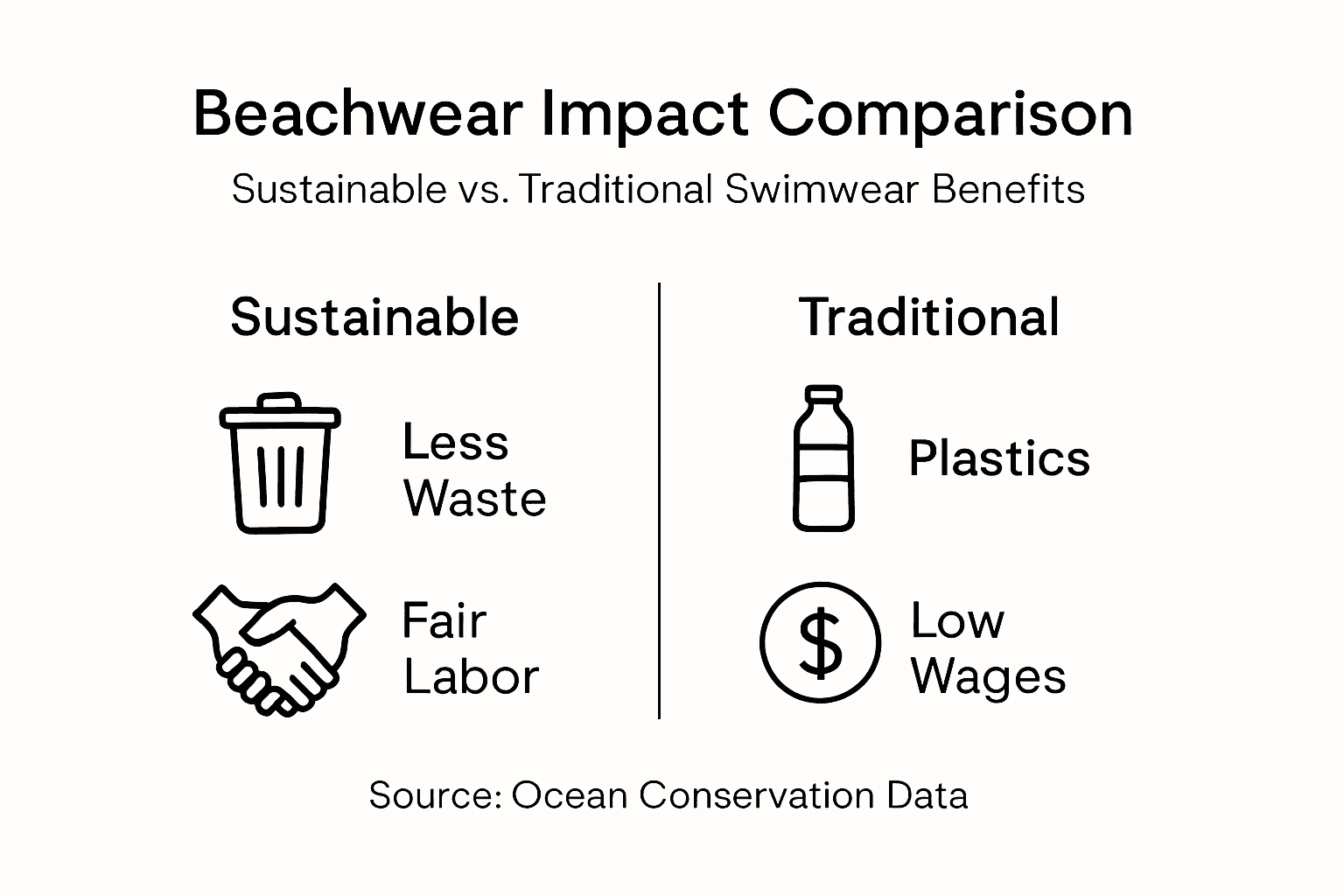
The following table highlights key differences in economic and social impact between sustainable and traditional apparel:
| Aspect | Sustainable Apparel | Traditional Apparel |
|---|---|---|
| Initial Cost | Higher but longer lifespan | Lower but frequent replacement |
| Social Impact | Promotes ethical labor | Often lacks transparency |
| Style Evolution | Trendsetting and versatile | Follows seasonal trends |
Your clothing choices are a powerful form of social and environmental activism.
Style perceptions are rapidly evolving, with sustainable fashion bridging ethics and aesthetics. Modern sustainable brands are proving that eco-friendly doesn’t mean compromising on design, offering innovative, trendsetting pieces that appeal to fashion-conscious consumers who refuse to choose between looking good and doing good.
Pro tip: Research brands that provide transparent information about their manufacturing processes and invest in versatile pieces that can be styled multiple ways to maximize both your wardrobe’s sustainability and style.
Make a Positive Ocean Impact with Sustainable Swimwear
The article highlights the urgent need to reduce ocean pollution and choose swimwear that minimizes environmental harm while protecting marine ecosystems. If you are concerned about plastic waste, microfibers, and toxic chemicals leaching into our oceans, switching to eco-friendly beachwear is essential. The article shows how sustainable swimwear made from recycled materials and ethically produced fabrics offers you the chance to lower your carbon footprint without compromising style or quality.
Start your sustainable swimwear journey today by exploring our carefully curated collections of stylish, eco-conscious swim trunks and bikinis at Le Club Original. Each piece is designed with a commitment to ocean-friendly manufacturing and durability that transcends seasonal trends.

Choose swimwear that supports ocean conservation and ethical labor practices. Visit our website now to discover vibrant, sustainable beachwear options that align with your values and make a meaningful difference. Dont wait to join a community passionate about protecting our oceans while looking great. Act today and be part of the solution.
Frequently Asked Questions
What are the environmental benefits of switching to sustainable apparel?
Sustainable apparel significantly reduces plastic pollution, minimizes carbon emissions during production, conserves water, and promotes the use of recyclable materials, helping to protect our oceans and ecosystems.
How does traditional swimwear impact marine environments?
Traditional swimwear often contains synthetic materials that shed microplastics into oceans, contributing to pollution and harming marine life, which can disrupt ecosystems and enter the food chain.
What are the health benefits of choosing eco-friendly swimwear?
Eco-friendly swimwear is made from natural, non-toxic materials that are free from harmful chemicals, protecting both personal health and the health of marine ecosystems.
Can sustainable apparel compete in style with traditional fashion?
Yes, sustainable brands offer trendy and innovative designs that meet modern style preferences, proving that eco-friendly choices do not compromise on aesthetics.
Recommended
- 7 Best Ocean-Friendly Clothing Materials for Eco Apparel – Le Club Original
- 7 Best Ocean-Friendly Clothing Materials for Eco Apparel – Le Club Original
- 7 Best Ocean-Friendly Clothing Materials for Eco Apparel – Le Club Original
- 7 Advantages of Upcycled Swimwear Every Beachgoer Should Know – Le Club Original