

Finding swimwear that keeps up with energetic boys while reflecting your environmental values can feel challenging. Eco-conscious families want more than just bold prints or trendy logos—they care about lasting comfort, responsibly sourced materials, and real support for ocean health. This article explores what actually defines quality swimwear, dispels popular myths, and guides you toward sustainable options that balance style, durability, and a love for the planet.
Table of Contents
- Defining Quality Swimwear and Common Myths
- Sustainable Swimwear Materials and Innovations
- Performance Features for Active Beach Life
- Impact on Environmental Responsibility and Health
- Cost Comparison: Quality Versus Cheap Alternatives
- Mistakes to Avoid When Buying Swimwear
Key Takeaways
| Point | Details |
|---|---|
| Quality Swimwear Attributes | High-quality swimwear is defined by robust fabrics, precise construction, and features that enhance durability and performance, not just by price. |
| Sustainable Practices | The swimwear industry is moving towards sustainability with innovations like ECONYL® regenerated nylon and other eco-friendly materials that minimize environmental impact. |
| Performance Features | Modern swimwear integrates advanced technologies to enhance speed, comfort, and body positioning, making it suitable for both competitive and recreational activities. |
| Cost-Effectiveness of Quality | Investing in quality swimwear translates to long-term savings due to durability and reduced need for replacements compared to cheap alternatives. |
Defining Quality Swimwear and Common Myths
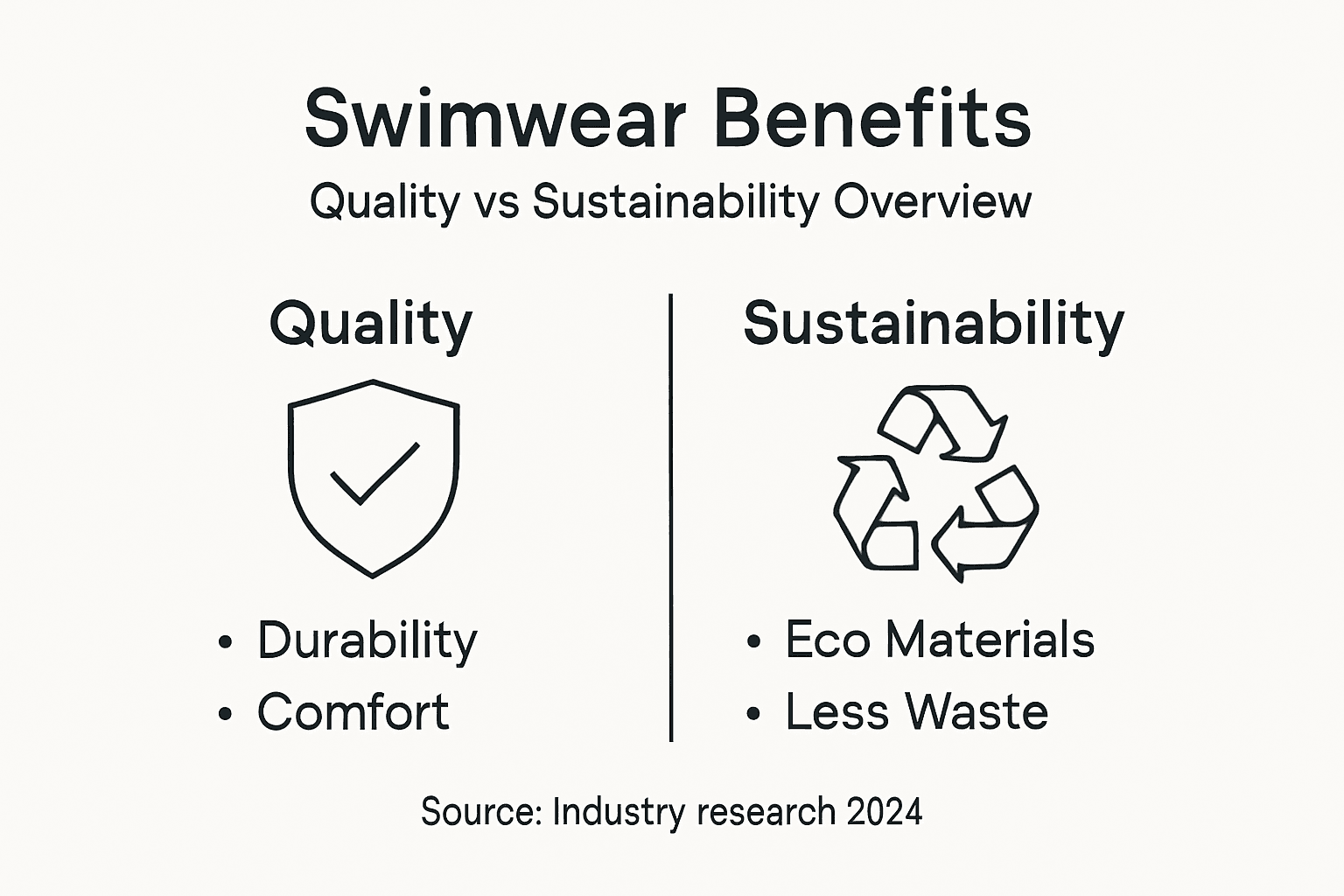
Quality swimwear represents far more than a simple piece of fabric designed for water activities. It embodies a complex intersection of design, performance, and sustainable manufacturing that goes well beyond surface-level aesthetics. Consumer perceptions of swimwear quality reveal that true excellence encompasses multiple critical dimensions.
Understanding what constitutes quality swimwear requires debunking several prevalent myths. Many consumers mistakenly believe that higher price automatically guarantees superior product performance. However, authentic quality stems from strategic fabric selection, precise construction techniques, and thoughtful design elements that enhance durability, comfort, and functionality. A $200 swimsuit is not inherently better than a well-crafted $75 option if it lacks essential performance characteristics.
Key indicators of quality swimwear include robust fabric composition, reinforced stitching, chlorine and saltwater resistance, precise fit, and materials that maintain shape after repeated use. Parents seeking swimwear for active boys should prioritize fabrics with UV protection, quick-drying capabilities, and elasticity that allows unrestricted movement. Performance matters more than pure aesthetic appeal, especially for children who demand comfort during water activities.
Pro tip: Examine swimwear fabric by holding it up to light - high-quality materials will have tight, uniform weaving with minimal transparency, indicating superior construction and durability.
Sustainable Swimwear Materials and Innovations
The swimwear industry is experiencing a transformative shift towards more environmentally responsible manufacturing, driven by innovative materials and cutting-edge design strategies. Technological advances in swimwear fabrics are revolutionizing how manufacturers approach sustainability, combining performance with ecological consciousness.
Modern sustainable swimwear focuses on advanced materials like ECONYL® regenerated nylon, which transforms waste materials such as abandoned fishing nets and carpets into high-performance fabric. These innovative textiles not only reduce environmental waste but also provide exceptional durability and comfort. Manufacturers are increasingly exploring biofabrication techniques and biomimicry principles to develop fabrics that minimize ecological impact while maintaining superior functional characteristics.
Key sustainable innovations in swimwear include chlorine-resistant fibers, UV-blocking additives, and hydrophobic coatings that extend garment life and reduce the frequency of replacements. Improving sustainability in performance swimwear requires a holistic approach that encompasses not just material selection, but also design strategies that prioritize longevity and reduced environmental footprint. By focusing on fabric durability, precise construction, and responsible aftercare, manufacturers can create swimwear that serves both performance and planetary health.
Pro tip: When shopping for sustainable swimwear, look for certifications like Global Recycled Standard or OEKO-TEX, which verify environmentally responsible manufacturing processes and material origins.
Here’s a quick comparison of swimwear material innovations and their benefits:
| Material Innovation | Environmental Benefit | Performance Advantage |
|---|---|---|
| ECONYL® Regenerated Nylon | Reduces landfill and ocean waste | High durability, soft feel |
| Recycled Polyester | Lowers fossil fuel dependence | Retains color, resists fade |
| Biofabricated Fibers | Minimizes chemical pollution | Enhanced elasticity, comfort |
| Chlorine-Resistant Fibers | Extends garment lifespan | Maintains shape longer |
Performance Features for Active Beach Life
Performance swimwear has evolved dramatically, transforming from simple water coverage to sophisticated athletic gear designed for maximum functionality. Swimsuit design innovations now directly impact athletic performance through advanced materials and strategic construction techniques that enhance speed, comfort, and body positioning.
Key performance features for active beach life include specialized fabric technologies that provide multiple benefits. Hydrophobic materials repel water, reducing drag and allowing faster movement through water. Compression elements strategically support muscle groups, improving blood circulation and reducing fatigue during extended water activities. Smart fabric technologies now incorporate features like UV protection, quick-drying capabilities, and thermal regulation to keep active swimmers comfortable in varying environmental conditions.
Competitive swimwear technologies have revolutionized how we think about beach and water apparel. Advanced seamless designs minimize resistance, while intelligent fabric constructions provide targeted support for different muscle groups. These innovations are not just for professional athletes - recreational swimmers and active beach enthusiasts can now access high-performance swimwear that enhances movement efficiency, provides superior comfort, and supports overall physical performance.
Pro tip: When selecting performance swimwear, prioritize pieces with multi-directional stretch fabric and flat-lock seams to ensure maximum mobility and minimal chafing during active water sports.
Impact on Environmental Responsibility and Health
Swimwear choices significantly impact both personal health and global environmental sustainability, creating a complex intersection between individual consumer decisions and broader ecological consequences. Sustainability challenges in swimwear reveal how fabric selection and manufacturing processes can dramatically influence environmental preservation and human health.
Synthetic swimwear materials pose substantial environmental risks, particularly through microplastic pollution. Microplastic contamination from swimwear has emerged as a critical concern, with research demonstrating that recreational swimming activities can release thousands of microscopic plastic particles into freshwater ecosystems. These tiny fragments not only threaten aquatic life but potentially enter human food chains, creating long-term health and environmental challenges that extend far beyond a single beach day.
Consumers can mitigate these environmental impacts by making informed choices. Selecting swimwear manufactured from recycled materials, supporting brands committed to sustainable production, and investing in high-quality, durable garments that require less frequent replacement are powerful strategies. By understanding the lifecycle of swimwear and prioritizing environmentally responsible manufacturing, individuals can contribute to reducing plastic waste and protecting marine ecosystems while maintaining personal style and performance needs.

Pro tip: When purchasing swimwear, check fabric composition and choose options made from regenerated materials like ECONYL® or recycled polyester to minimize environmental impact.
Cost Comparison: Quality Versus Cheap Alternatives
Investing in quality swimwear represents a strategic financial decision that extends far beyond initial purchase price. Consumer perceptions of swimwear quality demonstrate that higher-priced options often provide substantially better long-term value through superior durability, performance, and comfort, challenging the misconception that cheaper alternatives represent true economic savings.
The true cost of budget swimwear becomes evident through repeated replacements and diminished performance. Sustainable versus fast fashion swimwear reveals that cheap alternatives frequently deteriorate quickly, losing elasticity, color, and shape after minimal use. While these low-cost options might seem attractive initially, they create hidden expenses through frequent replacements, additional shopping time, and reduced wearing satisfaction.
A comprehensive cost analysis reveals that quality swimwear provides multiple economic advantages. Premium materials maintain structural integrity longer, resist chlorine and saltwater damage, retain color vibrancy, and provide better fit and comfort. These characteristics translate to fewer replacements, reduced long-term expenses, and enhanced wearing experience. Parents investing in high-quality swimwear for active children effectively minimize ongoing clothing costs while supporting better performance and environmental sustainability.
Pro tip: Calculate the cost-per-wear by dividing the swimwear’s price by estimated usage times, which often reveals that higher-quality pieces are more economical in the long run.
Mistakes to Avoid When Buying Swimwear
Selecting the right swimwear requires careful consideration beyond simple aesthetic preferences. Common swimwear shopping mistakes reveal that uninformed purchasing decisions can lead to discomfort, poor fit, and wasted money. Understanding these pitfalls helps consumers make more strategic choices that balance style, functionality, and personal comfort.
One of the most critical errors is neglecting proper sizing and body type compatibility. Swimsuit selection challenges demonstrate that many individuals choose swimwear based on trend or color rather than how the garment actually fits and flatters their unique body shape. This can result in uncomfortable swimwear that lacks support, creates unflattering lines, and diminishes overall confidence during water activities.
Additional crucial mistakes include overlooking fabric quality, ignoring sun protection features, and failing to consider the specific activities planned. Performance swimwear requires thoughtful evaluation of material durability, elasticity, chlorine resistance, and UV protection. Parents selecting swimwear for active children should particularly prioritize robust fabrics that maintain shape, provide adequate coverage, and offer protection from harmful sun rays. Understanding these nuanced selection criteria transforms swimwear shopping from a simple purchase to a strategic investment in comfort and performance.
Pro tip: Always bring a critical eye when trying on swimwear, checking for proper stretch, fabric opacity when wet, and how the garment moves with your body during activity.
The following table summarizes common swimwear shopping mistakes and how to avoid them:
| Mistake | Negative Result | How to Avoid |
|---|---|---|
| Ignoring proper sizing | Poor fit, discomfort | Try on, check measurements |
| Overlooking UV protection | Increased sun exposure risk | Choose UPF-rated fabrics |
| Prioritizing style only | Reduced performance, dissatisfaction | Balance style with function |
| Buying low-quality fabric | Faster deterioration, waste | Inspect material and stitching |
Elevate Your Swimwear Choice with Style, Safety, and Sustainability
Choosing quality swimwear means prioritizing durability, performance, and the planet’s health just like the article explains. Many people struggle with cheap options that fade quickly, lose shape, and contribute to microplastic pollution. If you want swim trunks that protect you with UV-blocking fabrics, support active movement, and help reduce environmental waste, it is time to make an intentional change.
At Le Club Original, we specialize in sustainable swimwear and beachwear for men and boys who care about style and safety. Embrace eco-friendly materials like regenerated nylon that last longer and keep you comfortable on beach days or poolside fun. Explore our collections featuring fresh new arrivals and best sellers that blend fashion with responsible manufacturing.

Discover your perfect swimwear solution today at Le Club Original. Shop now to enjoy discounts up to 50% sitewide and qualify for free shipping on orders over $50. Make a smart investment in your swimwear that boosts performance, protects your skin, and supports a cleaner ocean for future generations.
Frequently Asked Questions
What are the main benefits of investing in quality swimwear?
Investing in quality swimwear provides better durability, performance, and comfort. Higher-quality materials typically resist damage from chlorine and saltwater, retain their shape, and maintain color vibrancy longer than cheaper alternatives.
How does quality swimwear contribute to environmental sustainability?
Quality swimwear often incorporates sustainable materials, such as recycled fibers, reducing waste and pollution. Brands that prioritize sustainable manufacturing practices help minimize the ecological footprint associated with swimwear production.
What should I look for in the fabric of swimwear?
When evaluating swimwear fabric, prioritize options that feature robust material composition, UV protection, quick-drying capabilities, and elasticity. High-quality fabrics will typically have tight, uniform weaving that ensures durability without excessive transparency.
Why is the proper fit important when choosing swimwear?
A proper fit is crucial for comfort and performance. Ill-fitting swimwear can lead to discomfort, lack of support, and undesirable lines. Selecting swimwear that flatters your body shape and allows for unrestricted movement enhances your overall swimming experience.
Recommended
- Why Invest in Quality Beachwear—Sustainability and Style – Le Club Original
- Why Invest in Quality Beachwear—Sustainability and Style – Le Club Original
- 7 Best Men’s Beachwear Brands for 2026 – Le Club Original
- 7 Best Men’s Beachwear Brands for 2026 – Le Club Original
- 7 Practical Ways to Reduce Fashion Waste for a Greener Closet – The Cork Store