

Most american men who care about the planet now discover that nearly 35 percent of swimwear ends up in landfills after just one vacation season. This matters because stylish beachwear should enhance your travels without harming beaches or oceans. If you want swim gear that showcases modern taste and protects the environment, you will learn how quality, sustainability, and true performance features set today’s top beachwear apart.
Table of Contents
- What Defines Quality Beachwear Today
- Types of Sustainable Swimwear Materials
- How Quality Beachwear Outlasts Fast Fashion
- Environmental Impact of Investing in Quality
- True Cost Versus Cheap Alternatives
Key Takeaways
| Point | Details |
|---|---|
| Sustainability is Key | Modern beachwear emphasizes sustainable materials that minimize environmental impact and enhance performance. |
| Invest in Quality | Quality swimwear is designed for durability, reducing the need for frequent replacements and minimizing waste. |
| Understand True Costs | Low-priced swimwear often leads to higher long-term costs due to poor durability and ethical issues in production. |
| Embrace Timelessness | Choosing versatile and timeless pieces not only maximizes wardrobe efficiency but also contributes to sustainable fashion. |
What Defines Quality Beachwear Today
Quality beachwear in the contemporary landscape transcends mere aesthetic appeal, representing a sophisticated intersection of sustainability, performance, and ethical manufacturing. Today’s discerning consumers seek swimwear that not only looks stylish but also reflects a commitment to environmental responsibility and functional excellence.
Modern beachwear quality is fundamentally characterized by durable sustainable materials that minimize environmental impact while delivering exceptional performance. These materials include innovative fabrics like recycled polyester, organic cotton, and bio-designed textiles that reduce carbon footprints and offer superior durability. The best swimwear now integrates technical properties such as UV protection, quick-drying capabilities, and resistance to chlorine and saltwater degradation.
Beyond material selection, quality beachwear today is defined by comprehensive sustainability across its entire lifecycle. This means examining production processes that prioritize fair labor practices, minimize water consumption, and utilize eco-responsible manufacturing techniques. Responsible production principles now guide consumer choices, with increasing emphasis on transparency, ethical sourcing, and minimal environmental disruption.
Pro tip: Invest in versatile, timeless beachwear pieces that can be styled multiple ways and will endure multiple seasons, reducing waste and maximizing your wardrobe’s sustainability.
Types of Sustainable Swimwear Materials
Sustainable swimwear materials represent a revolutionary approach to beach and water fashion, transforming environmental consciousness into wearable textile innovation. These advanced materials not only reduce ecological impact but also deliver high-performance characteristics that meet the demanding requirements of modern swimwear enthusiasts.
Recycled synthetic materials form the cornerstone of sustainable swimwear production. Innovative fabrics like Econyl, a regenerated nylon derived from discarded fishing nets and industrial waste, exemplify the potential of circular material design. These materials dramatically reduce reliance on virgin petroleum-based textiles while offering exceptional durability, stretch, and performance characteristics. Key sustainable fabric options include:
- Regenerated nylon (Econyl)
- Recycled polyester
- Organic cotton
- Tencel (derived from eucalyptus)
- Bio-based synthetic blends
Beyond recycled synthetics, eco-friendly material innovations are expanding the landscape of sustainable swimwear. Emerging technologies now enable the creation of fabrics that minimize water consumption, reduce carbon footprint, and maintain critical performance attributes like UV resistance and quick-drying capabilities. These materials represent a holistic approach to swimwear design, balancing environmental responsibility with functional excellence.
Pro tip: When shopping for sustainable swimwear, look for transparent information about material sourcing and verify the specific recycling or sustainability credentials of the fabric composition.
Here’s how different sustainable swimwear materials compare in terms of benefits and performance:
| Material Type | Main Sustainability Benefit | Notable Performance Feature |
|---|---|---|
| Regenerated nylon | Reduces plastic waste | High durability and stretch |
| Recycled polyester | Cuts reliance on new oil resources | Excellent shape retention |
| Organic cotton | Lowers pesticide use | Comfortable against skin |
| Tencel | Saves water in production | Naturally soft and breathable |
| Bio-based blends | Uses renewable raw materials | Maintains light weight underwater |
How Quality Beachwear Outlasts Fast Fashion
The contemporary fashion landscape is increasingly dominated by a critical distinction between disposable fast fashion and thoughtfully crafted, sustainable beachwear. Quality swimwear represents a profound shift from the traditional consumer cycle of constant replacement toward a more intentional, environmentally conscious approach to clothing consumption.
Slow fashion principles fundamentally transform how consumers approach beachwear by prioritizing durability, craftsmanship, and long-term value over temporary trends. Unlike fast fashion’s rapid production cycles that generate enormous textile waste, quality beachwear is engineered to withstand multiple seasons of use. Key differences include:
- Superior fabric construction
- Meticulous stitching techniques
- Resistance to chlorine and saltwater degradation
- Enhanced UV protection
- Maintenance of color and shape integrity
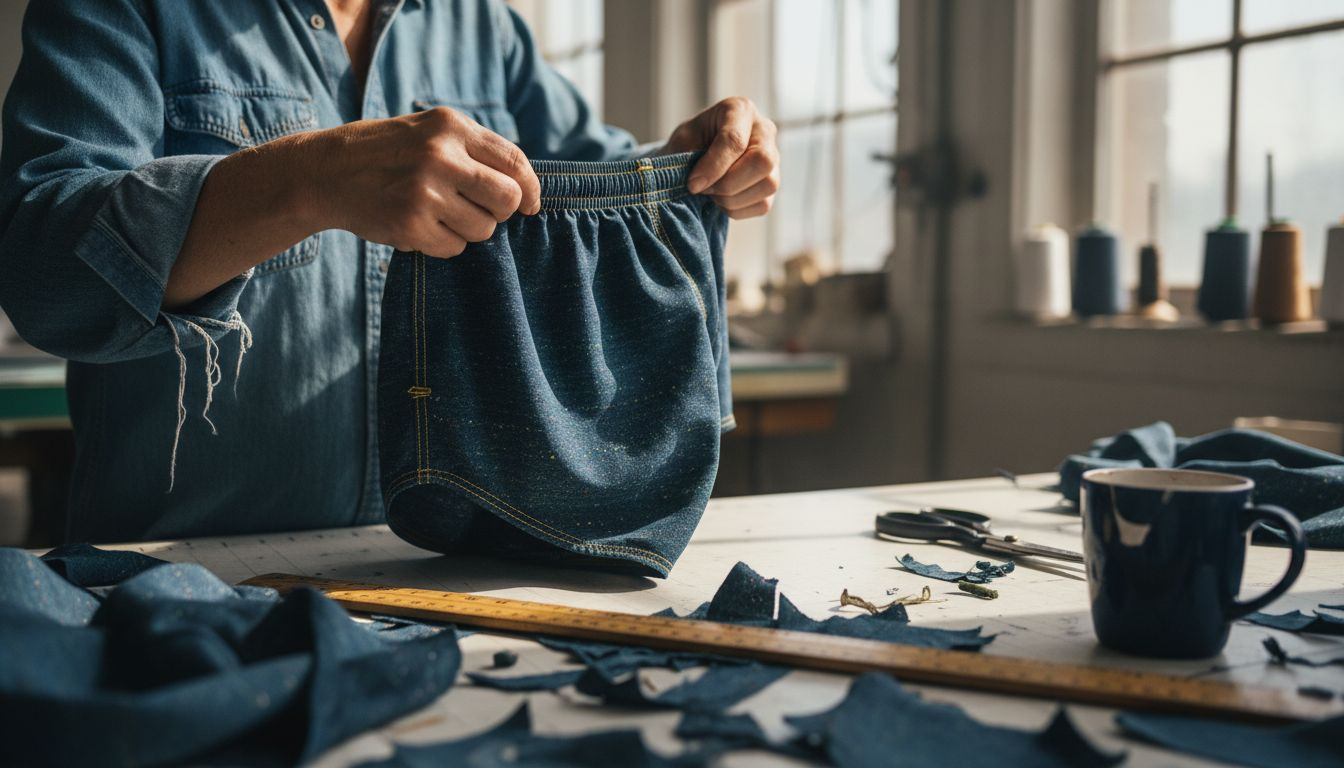
Garment durability strategies represent a critical approach to countering the environmental impact of disposable fashion. Quality beachwear manufacturers invest significantly in textile research, creating fabrics that maintain structural integrity through repeated wear, washing, and exposure to harsh environmental conditions. This approach not only extends the lifecycle of individual garments but also dramatically reduces the overall environmental footprint associated with textile production and waste.
Pro tip: Invest in versatile, well-constructed swimwear pieces that can transition between multiple uses and withstand diverse environmental conditions, ultimately saving money and reducing waste.
Environmental Impact of Investing in Quality
Contemporary environmental challenges demand a radical rethinking of consumer behavior, particularly in the fashion and apparel industry. Quality clothing represents more than a personal style choice—it is a powerful mechanism for reducing ecological footprint and promoting sustainable consumption patterns.
Circular economy principles633143_EN.pdf) transform how we understand clothing investments by emphasizing long-term environmental benefits. By choosing high-quality garments, consumers directly contribute to reducing resource consumption, minimizing chemical pollution, and dramatically lowering textile waste generation. The environmental advantages of quality investments include:
- Reduced manufacturing frequency
- Lower carbon emissions
- Decreased textile waste
- Minimal resource extraction
- Extended product lifecycle
Sustainable consumption habits fundamentally challenge the disposable fashion model. When consumers prioritize durability and craftsmanship, they create a ripple effect that encourages manufacturers to adopt more responsible production techniques. This shift moves beyond individual purchasing decisions, potentially transforming entire industry practices toward more environmentally conscious approaches.
Pro tip: Calculate the total lifecycle cost of your clothing, considering durability and potential reuse, rather than focusing solely on initial purchase price.
True Cost Versus Cheap Alternatives
The allure of low-priced clothing masks a complex economic and environmental reality that extends far beyond the price tag. Consumers increasingly recognize that seemingly affordable fashion comes with substantial hidden costs that impact global ecosystems, labor practices, and long-term personal economics.
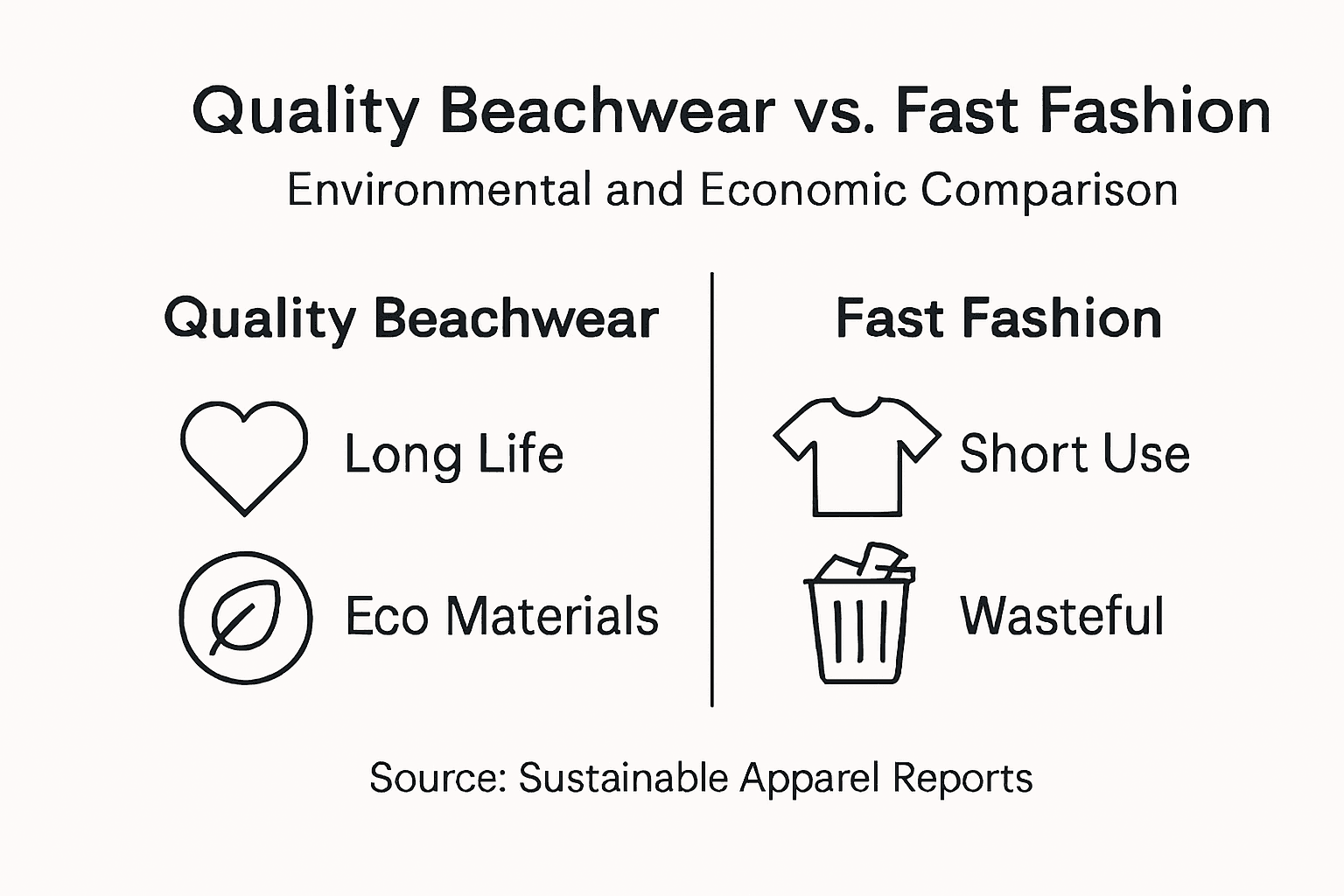
Fast fashion’s true expenses reveal a stark economic landscape where initial savings quickly evaporate through repeated replacements and diminished quality. Cheap alternatives often demonstrate poor durability, requiring frequent purchases that ultimately exceed the cost of a single high-quality item. The financial comparison breaks down like this:
See how quality beachwear investment impacts environmental and personal outcomes:
| Aspect | Quality Beachwear | Cheap Alternatives |
|---|---|---|
| Lifespan | Multi-season durability | Quick wear and tear |
| Waste Generation | Reduces landfill impact | Increases textile waste |
| Cost Over Time | Lower long-term spending | Frequent replacement costs |
| Production Ethics | Supports fair labor | Often exploits labor |
- Cheap Alternative: Lower upfront cost
- Higher replacement frequency
- Reduced garment lifespan
- Greater cumulative spending
- Increased environmental waste
Hidden economic impacts extend beyond personal finance, encompassing broader social and environmental consequences. Fast fashion’s low prices rely on exploitative labor practices, environmental degradation, and unsustainable production methods. These externalized costs are ultimately paid by workers, communities, and ecosystems, creating a model of consumption that sacrifices long-term sustainability for short-term affordability.
Pro tip: Calculate your clothing’s cost per wear by dividing the purchase price by the number of times you realistically expect to wear the item, revealing the true economic value of your fashion choices.
Discover Sustainable Style That Lasts at Le Club Original
The challenge of finding beachwear that truly combines durability, sustainability, and style is real. Many consumers feel stuck choosing between cheap fast fashion that fades quickly or expensive pieces that lack eco-conscious credentials. If you are ready to embrace thoughtfully crafted swimwear made from recycled and eco-friendly materials, Le Club Original offers a solution perfectly aligned with your values. Our collections reflect the principles of slow fashion and responsible production, helping you reduce textile waste and support fair labor practices while looking great.

Explore sustainable swim trunks and bikinis designed to withstand multiple seasons and protect our oceans. Make your next beachwear purchase a powerful statement for environmental responsibility and timeless style. Visit Le Club Original today and experience eco-conscious swimwear that matches your commitment to the planet. Don’t wait to choose quality over quantity—your wardrobe and the ocean will thank you.
Frequently Asked Questions
What are the benefits of investing in quality beachwear?
Investing in quality beachwear offers long-lasting durability, incorporates sustainable materials, and reflects ethical manufacturing practices, allowing consumers to make environmentally conscious choices while enjoying stylish swimwear.
How does sustainable swimwear differ from fast fashion options?
Sustainable swimwear focuses on environmentally friendly materials and responsible production methods, leading to reduced textile waste and chemical pollution, while fast fashion prioritizes low-cost production, often resulting in poor quality and high waste rates.
What materials are commonly used in high-quality sustainable swimwear?
Common materials include regenerated nylon (Econyl), recycled polyester, organic cotton, Tencel, and bio-based synthetic blends, all of which offer durability and reduce environmental impact compared to conventional fabrics.
How does the durability of quality beachwear impact environmental sustainability?
Quality beachwear is designed to last multiple seasons, reducing the frequency of replacements and minimizing overall textile waste, which contributes to a smaller ecological footprint when compared to lower-quality, disposable swimwear.