

Most American men might not realize that over 60 million tons of plastic waste ends up in the ocean every year, impacting beaches from California to Bali. Stylish, sustainable swimwear is no longer just a trend—it is a crucial way for eco-conscious guys to support environmental initiatives while looking good at every vacation hotspot. This guide reveals what truly sets sustainable options apart from fast fashion myths, giving you the confidence to make informed choices that matter for our planet.
Table of Contents
- Sustainable Swimwear Defined And Common Myths
- Innovative Eco-Friendly Materials And Fabrics
- Ethical Manufacturing And Production Practices
- Benefits For Oceans, Climate, And Communities
- Shopping Tips And What To Look For In 2026
Key Takeaways
| Point | Details |
|---|---|
| Sustainable Swimwear Focuses on Environmental Responsibility | It prioritizes eco-friendly practices throughout production, not just recycled materials. |
| Ethical Manufacturing Practices Are Essential | Brands must ensure fair wages and safe working conditions alongside sustainable materials. |
| Consumer Choices Impact Global Sustainability | Each purchase supports ocean conservation, climate mitigation, and community empowerment. |
| Look for Transparency in Materials and Processes | Research brand certifications and impact reports to ensure genuine sustainability claims. |
Sustainable Swimwear Defined and Common Myths
Sustainable swimwear represents a progressive approach to beach and water apparel that prioritizes environmental responsibility throughout production and lifecycle. Unlike traditional swimwear manufactured using petroleum-based synthetic materials, sustainable swimwear focuses on minimizing ecological impact through innovative design and material selection.
Contrary to popular misconceptions, sustainable swimwear is not merely about using recycled materials, but encompasses a holistic approach to manufacturing. Biodegradability remains complex - many fabrics marketed as eco-friendly cannot actually decompose naturally in ocean environments. Consumers must understand that sustainable swimwear requires nuanced evaluation beyond simple marketing claims.
Key characteristics of sustainable swimwear include using regenerated nylon from fishing nets, recycled plastic bottles, and other reclaimed materials. These fabrics undergo specialized processing that transforms waste into high-performance textiles capable of matching traditional swimwear in durability and aesthetic appeal. Brands committed to sustainability also often implement ethical manufacturing practices, ensuring fair labor conditions and reduced carbon emissions during production.
The sustainable swimwear movement represents more than a fashion trend - it’s a critical response to the textile industry’s significant environmental footprint. By choosing responsibly produced swimwear, consumers can directly contribute to ocean conservation and waste reduction efforts.
Here’s a comparison of traditional vs. sustainable swimwear production:
| Aspect | Traditional Swimwear | Sustainable Swimwear |
|---|---|---|
| Main Materials | Petroleum-based synthetics | Recycled nylon, organic fibers |
| Production Emissions | High carbon footprint | Reduced emissions, eco processes |
| Worker Conditions | Often unregulated, low wages | Fair wages, safer environments |
| Environmental Impact | Microplastic pollution, waste | Reduced waste, ocean clean-up |
Pro tip: When evaluating sustainable swimwear, look beyond marketing labels and investigate the specific materials, manufacturing processes, and environmental certifications of the brand.
Innovative Eco-Friendly Materials and Fabrics
Sustainable swimwear represents a technological revolution in textile engineering, with innovative materials transforming how we approach beach and water apparel. Cutting-edge sustainable fabric technologies are reshaping the industry’s environmental landscape, offering performance-driven alternatives to traditional petroleum-based synthetics.
Recycled nylon stands at the forefront of eco-friendly swimwear materials, with advanced processes like ECONYL regeneration turning discarded fishing nets and industrial plastic waste into high-performance fabrics. These regenerated materials not only reduce environmental waste but also maintain the durability and stretch properties that swimmers and athletes demand. Innovative regeneration techniques enable manufacturers to create swimwear that matches or exceeds the quality of virgin synthetic materials.
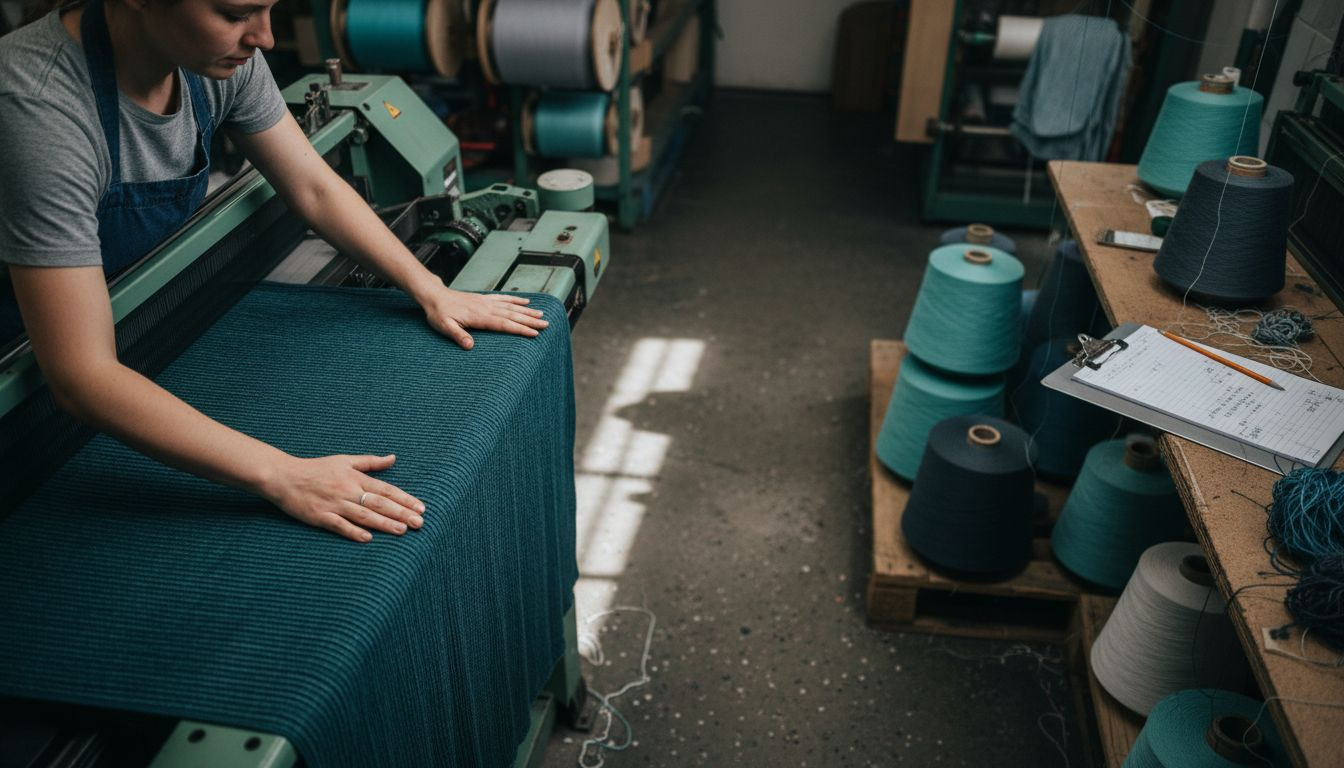
Beyond recycled synthetics, emerging sustainable materials include organic hemp, bamboo fibers, and biodegradable textiles engineered to break down more efficiently than traditional swimwear fabrics. Some brands are experimenting with natural dyes and water-conserving production techniques, further minimizing the ecological footprint of swimwear manufacturing. These innovations demonstrate a holistic approach to sustainability that goes beyond material selection to encompass entire production ecosystems.
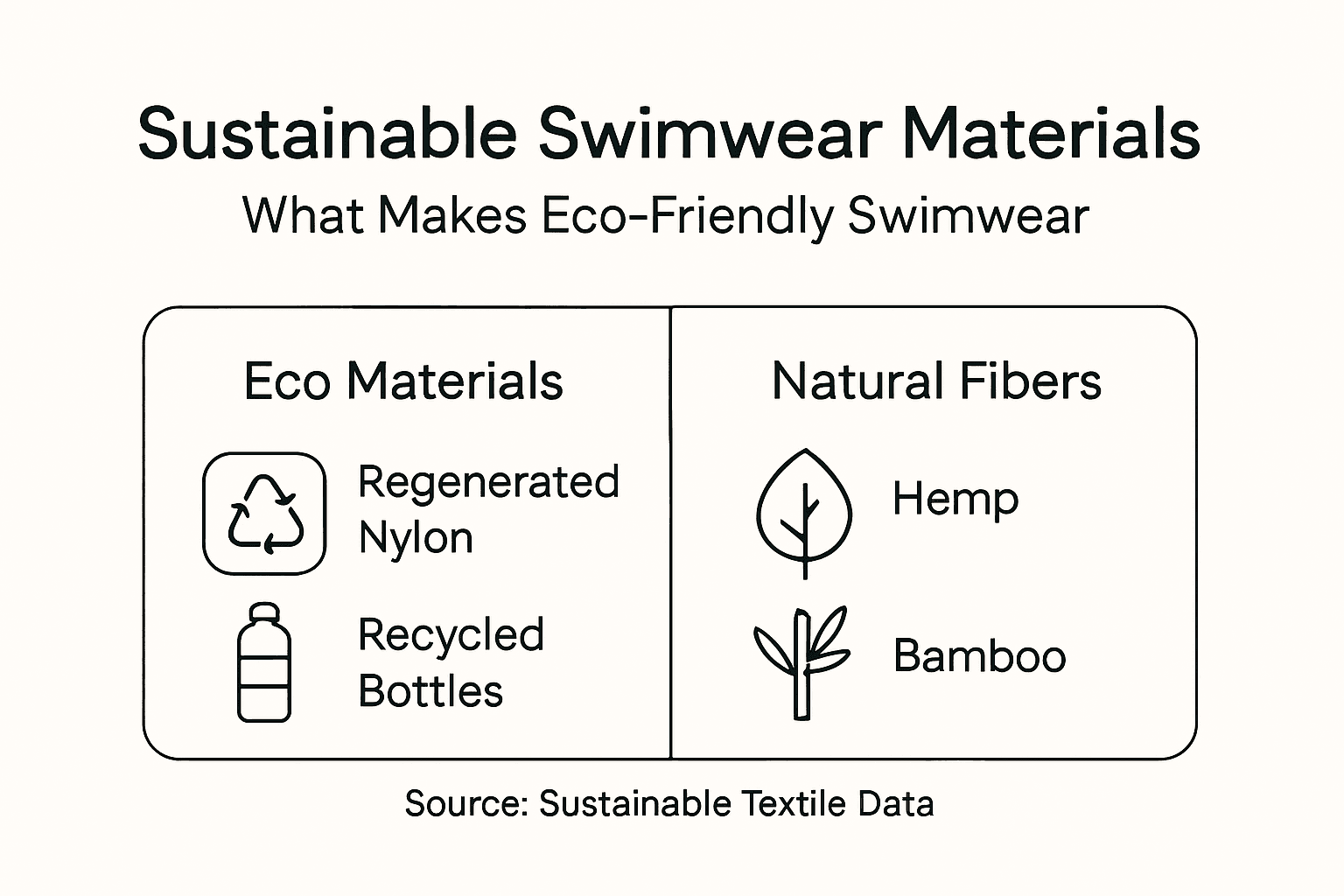
The future of sustainable swimwear materials looks promising, with ongoing research exploring bioengineered fabrics, circular economy principles, and advanced recycling technologies. As consumer awareness grows, manufacturers are increasingly investing in materials that offer performance, style, and environmental responsibility.
Below is a quick guide to top eco-friendly swimwear materials and their advantages:
| Material Type | Key Source | Main Benefit |
|---|---|---|
| Recycled Nylon | Discarded fishing nets | Waste reduction, high performance |
| Organic Hemp | Renewable hemp plants | Biodegradable, low water use |
| Bamboo Fibers | Bamboo grass | Soft, antimicrobial properties |
| Biodegradable Textiles | Various plant-based sources | Decomposes faster, less pollution |
Pro tip: Check fabric composition labels and look for specific sustainability certifications to truly understand the environmental impact of your swimwear.
Ethical Manufacturing and Production Practices
Sustainable swimwear goes far beyond material selection, encompassing a comprehensive approach to ethical manufacturing that prioritizes both environmental and human welfare. Ethical production practices represent a transformative model challenging traditional fashion industry standards, focusing on transparency, worker rights, and ecological responsibility.
Fair labor practices form the cornerstone of ethical swimwear manufacturing. Brands committed to sustainability invest in safe working environments, fair wage structures, and comprehensive worker protection programs. Sustainable supply chain management involves reducing water consumption, minimizing chemical pollutants, and implementing renewable energy technologies throughout production processes. These strategies not only protect workers but also significantly reduce the environmental impact of swimwear manufacturing.
The most progressive sustainable swimwear brands are pioneering innovative approaches to production, including utilizing deadstock fabrics, implementing low-impact dyeing processes, and creating closed-loop manufacturing systems. By prioritizing waste reduction and circular economy principles, these manufacturers demonstrate that ethical production can coexist with high-performance, stylish swimwear design. Certifications like Fair Trade and global labor standards provide additional accountability, giving consumers confidence in their purchasing decisions.
Consumer demand is driving significant changes in manufacturing practices, with increasing transparency and social responsibility becoming competitive advantages for swimwear brands. As awareness grows, more companies are recognizing that ethical production is not just a moral imperative but a business strategy that resonates with environmentally conscious consumers.
Pro tip: Research brand certifications and production transparency reports before purchasing to ensure your swimwear aligns with genuine ethical manufacturing standards.
Benefits for Oceans, Climate, and Communities
Sustainable swimwear offers multifaceted benefits that extend far beyond individual fashion choices, creating a profound positive impact on global ecosystems and human communities. By reimagining textile production, these innovative approaches address critical environmental challenges while simultaneously supporting social and economic justice.
Ocean conservation takes center stage in sustainable swimwear’s environmental mission. Regenerative materials like recycled nylon actively remove plastic waste from marine environments, transforming discarded fishing nets and ocean plastics into high-performance fabrics. This approach directly reduces microplastic pollution and helps clean our planet’s water systems. Climate change mitigation strategies involve dramatically reducing carbon emissions by minimizing reliance on virgin petroleum-based synthetic materials, creating a meaningful reduction in the fashion industry’s overall environmental footprint.
Community empowerment emerges as another crucial benefit of sustainable swimwear production. Ethical manufacturing practices ensure fair wages, safe working conditions, and economic opportunities in regions traditionally exploited by fast fashion. By prioritizing worker welfare and local economic development, these brands create a ripple effect of positive social change that extends well beyond the immediate production cycle. The interconnected nature of sustainable practices demonstrates how individual consumer choices can drive meaningful global transformation.
The cumulative impact of sustainable swimwear represents a powerful model of responsible consumption. Each purchase becomes an active investment in environmental restoration, climate stabilization, and social equity, proving that fashion can be a force for meaningful positive change.
Pro tip: Research brands that provide transparent impact reports to understand the specific environmental and social benefits of your sustainable swimwear purchase.
Shopping Tips and What to Look For in 2026
Sustainable swimwear shopping strategies have evolved dramatically, transforming consumer choices from simple fashion decisions to meaningful environmental statements. In 2026, informed buyers recognize that selecting swimwear goes far beyond aesthetic preferences, representing a direct investment in global sustainability and ethical production.
Material authenticity becomes paramount when evaluating sustainable swimwear options. Consumers should prioritize brands offering transparent documentation about fabric origins, focusing on certified materials like recycled nylon (ECONYL), organic cotton, and innovative biodegradable textiles. Circular design principles now guide purchasing decisions, with shoppers seeking multifunctional designs that extend garment lifecycle and minimize waste. Critical certifications to investigate include Global Recycled Standard (GRS), OEKO-TEX, and Fair Trade, which provide independent verification of sustainability claims.
Beyond material composition, ethical production practices have become a crucial selection criterion. Savvy consumers now demand comprehensive transparency about manufacturing processes, worker conditions, and carbon footprint. This means investigating brands’ supply chain practices, understanding their commitment to fair wages, safe working environments, and environmental stewardship. The most progressive sustainable swimwear companies now provide detailed impact reports, allowing customers to trace the journey of their garment from raw material to finished product.
Technological innovations continue to reshape sustainable swimwear, with emerging trends like natural dyeing techniques, regenerative fibers, and advanced recycling technologies offering increasingly sophisticated options. The future of swimwear shopping is no longer about trends, but about making informed choices that align with personal values and global environmental goals.
Pro tip: Request detailed sustainability documentation from brands and compare their environmental impact metrics before making your final swimwear purchase.
Embrace Sustainable Swimwear That Truly Makes a Difference
The challenge of finding swimwear that balances style, performance, and genuine sustainability is real. Many consumers face confusion over misleading eco-friendly claims and want swimwear made from authentic recycled materials like ECONYL regenerated nylon combined with ethical manufacturing practices. At Le Club Original, we understand these concerns and share your passion for protecting oceans while looking your best at the beach. Our swim trunks and bikinis are crafted from verified eco-conscious fabrics that reduce plastic pollution and honor fair labor standards, empowering you to make a confident, responsible choice.

Explore our sustainable swimwear collection today and join a community committed to ocean conservation and social equity. Act now to take advantage of seasonal offers, free shipping options, and thoughtfully curated designs that represent more than fashion—they represent your values in action. Visit Le Club Original and make your next swimwear purchase a statement for the planet and future generations.
Frequently Asked Questions
What is sustainable swimwear?
Sustainable swimwear is swim apparel designed with a focus on environmental responsibility, utilizing eco-friendly materials, ethical manufacturing practices, and minimizing ecological impact throughout its lifecycle.
What materials are commonly used in sustainable swimwear?
Sustainable swimwear often incorporates regenerated nylon from fishing nets, recycled plastic bottles, organic fibers, and innovative biodegradable textiles, which help reduce waste and environmental harm.
How does sustainable swimwear benefit the ocean and climate?
Sustainable swimwear helps reduce plastic waste and microplastic pollution in oceans. It also lowers carbon emissions by minimizing reliance on virgin petroleum-based materials, thus supporting climate change mitigation efforts.
What should I look for when purchasing sustainable swimwear?
When buying sustainable swimwear, prioritize brands that provide transparent information about material sources, ethical manufacturing practices, and sustainability certifications to ensure your choice aligns with environmental and social values.
Recommended
- 5 Reasons Why You Should Switch to Sustainable Swimwear – Le Club Original
- 5 Reasons Why You Should Switch to Sustainable Swimwear – Le Club Original
- Swim for a Cause: Beach Cleanup with The Surfrider Foundation – Le Club Original
- Swim for a Cause: Beach Cleanup with The Surfrider Foundation – Le Club Original
- The importance of eco-friendly textile industry | Baggizmo