

Finding stylish, sustainable swimwear for boys can be a challenge when you want to support both the planet and your child’s comfort. Many American parents are looking for options that protect oceans while avoiding animal-derived materials. Vegan swimwear stands out for combining cruelty-free fabrics with eco-friendly innovation, addressing common myths about style, performance, and the environment. This guide explores how thoughtful choices in swimwear can reduce plastic waste and nurture lasting environmental values in your family.
Table of Contents
- Vegan Swimwear Defined And Common Myths
- Materials And Dyes Used In Vegan Swimwear
- Types And Styles For Boys And Men
- How Vegan Swimwear Supports Ocean Health
- Risks, Misconceptions, And What To Avoid
Key Takeaways
| Point | Details |
|---|---|
| Vegan Swimwear Defined | Vegan swimwear excludes all animal-derived materials, focusing on sustainable synthetic options that protect marine life. |
| Material Innovation | Advanced textiles like Recycled Polyester and Econyl minimize environmental impact while maintaining performance and style. |
| Support for Ocean Health | Vegan swimwear contributes to ocean conservation by utilizing recycled materials, reducing waste, and supporting safe production practices. |
| Beware of Greenwashing | Consumers should verify sustainability claims by checking certifications and understanding material compositions to avoid misleading marketing. |
Vegan Swimwear Defined and Common Myths
Vegan swimwear represents a compassionate approach to beach and pool attire that completely excludes animal-derived materials. Unlike traditional swimwear that might incorporate silk, wool, leather, or animal-based dyes, vegan swimwear champions cruelty-free alternatives that protect marine ecosystems and animal welfare.
At its core, vegan swimwear means clothing produced without any animal products, focusing instead on innovative synthetic materials that minimize environmental impact. Cruelty-free fashion alternatives have gained significant momentum as consumers become more environmentally conscious.
Common misconceptions about vegan swimwear often include:
- All vegan swimwear is automatically sustainable
- Vegan materials compromise style or performance
- Synthetic fabrics are inherently less comfortable
- Eco-friendly swimwear is significantly more expensive
In reality, modern vegan swimwear leverages advanced textile technologies to create high-performance, stylish options. Manufacturers now utilize materials like Econyl, a regenerated nylon made from recycled fishing nets and other post-consumer plastics, which not only avoids animal products but also actively helps clean marine environments.
Key characteristics of authentic vegan swimwear include:
- No animal-derived materials
- Eco-conscious production methods
- Use of recycled or sustainable synthetic fibers
- Minimal environmental footprint
- Commitment to animal welfare principles
Fabric innovation has been crucial in dispelling myths about vegan swimwear. Today’s options provide comparable - and often superior - durability, stretch, and comfort compared to traditional materials. Recycled polyester, for instance, offers excellent UV protection and quick-drying properties while reducing plastic waste.
Vegan swimwear isn’t just a fashion choice - it’s a statement of environmental responsibility and ethical consumption.
Pro tip: When shopping for vegan swimwear, look for transparent manufacturing processes and certifications that confirm both animal-free production and sustainable practices.
Materials and Dyes Used in Vegan Swimwear
Vegan swimwear demands innovative materials that eliminate all animal-derived components while maintaining performance and style. The industry has developed sophisticated synthetic alternatives that not only replace traditional animal-based textiles but also contribute to environmental sustainability.
The primary materials used in vegan swimwear include:
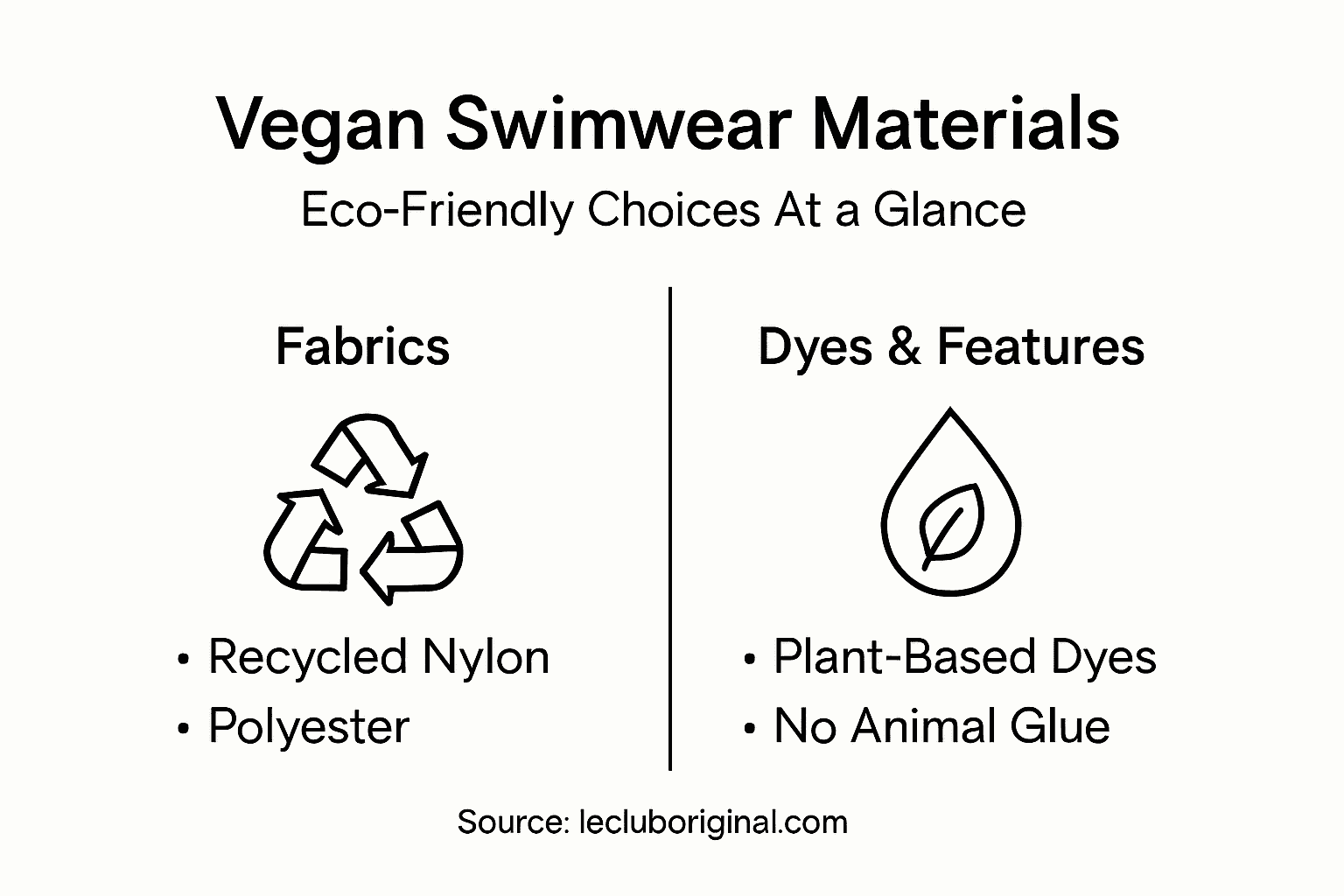
- Recycled Polyester: Derived from plastic bottles, reducing waste
- Econyl: Regenerated nylon made from ocean plastics and discarded fishing nets
- Organic Synthetic Fibers: Produced without harmful chemicals
- Plant-Based Synthetics: Emerging materials from corn, bamboo, and algae
Natural dye technologies are revolutionizing color production in eco-friendly swimwear. These innovative approaches replace traditional synthetic dyes with biodegradable, non-toxic alternatives sourced from renewable plant and microalgae materials.
Modern vegan swimwear manufacturers prioritize materials that offer multiple benefits:
- Environmental sustainability
- Minimal carbon footprint
- Performance equivalent to traditional swimwear
- Reduced marine ecosystem impact
- Cruelty-free production
Synthetic materials have dramatically improved, addressing previous concerns about comfort and durability. Advanced textile engineering now produces swimwear that is stretchy, quick-drying, and resistant to chlorine and saltwater.
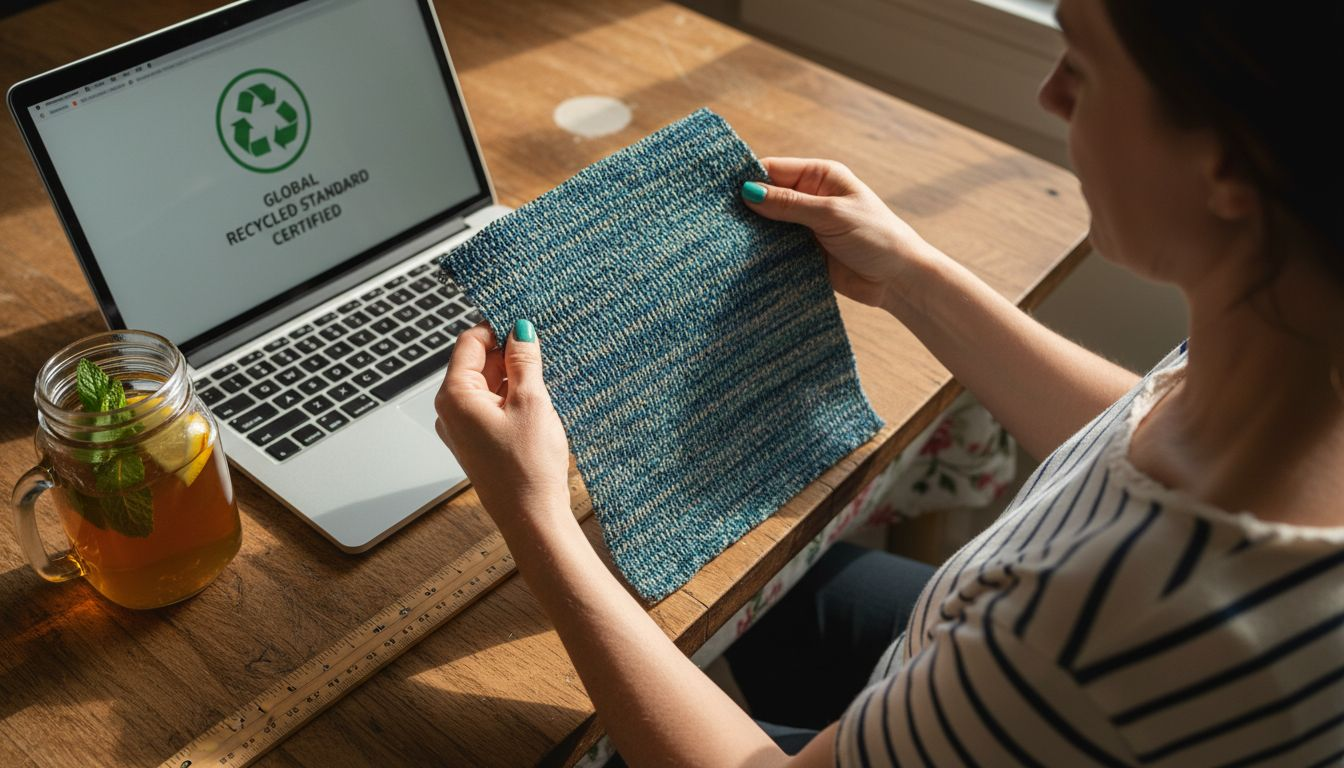
Here’s a comparison of vegan swimwear materials and their environmental impact:
| Material Type | Source | Environmental Benefit |
|---|---|---|
| Recycled Polyester | Plastic bottles | Reduces landfill and ocean waste |
| Econyl | Ocean plastics, fishing nets | Supports marine ecosystem cleanup |
| Plant-Based Synthetics | Corn, bamboo, algae | Minimizes reliance on fossil fuels |
| Organic Synthetic Fiber | Manufactured without toxins | Lowers chemical pollution |
Vegan swimwear represents a perfect intersection of ethical fashion, technological innovation, and environmental responsibility.
Pro tip: When selecting vegan swimwear, look for certifications that verify both material sustainability and animal-free production processes.
Types and Styles for Boys and Men
Vegan swimwear for boys and men has evolved far beyond basic design, offering a diverse range of styles that combine eco-consciousness with contemporary fashion. Sustainable men’s swim options now include multiple versatile choices that cater to different activities and personal preferences.
The primary swimwear styles for eco-conscious males include:
- Board Shorts: Longer cut, ideal for surfing and active water sports
- Swim Trunks: Classic shorter style for swimming and casual beach activities
- Swim Briefs: Streamlined design for competitive swimming
- Hybrid Shorts: Transitional styles suitable for beach-to-street wear
Modern vegan swimwear prioritizes functional design elements such as:
- Quick-drying fabrics
- Stretch waistbands
- Secure zippered pockets
- UV protection
- Chlorine and saltwater resistance
Sizing diversity has become a crucial aspect of sustainable swimwear. Many brands now offer inclusive sizing ranges that accommodate different body types, ensuring that eco-friendly options are accessible to boys and men of all shapes and sizes.
Sustainable swimwear isn’t just about materials - it’s about creating versatile, comfortable styles that align with environmental values.
Pro tip: Choose swim styles that offer multiple functionalities, allowing you to transition seamlessly between water activities and casual settings.
How Vegan Swimwear Supports Ocean Health
Vegan swimwear represents a powerful strategy for protecting marine ecosystems, going far beyond simple fashion choices. Marine wildlife preservation depends on conscious consumer decisions that reduce environmental harm and support sustainable production practices.
Key ways vegan swimwear contributes to ocean health include:
- Removing discarded fishing nets from marine environments
- Preventing microplastic pollution
- Reducing demand for harmful extraction practices
- Minimizing chemical contamination in aquatic ecosystems
- Supporting regenerative manufacturing processes
The environmental impact of choosing vegan swimwear extends across multiple critical dimensions:
- Preventing marine animal entanglement
- Reducing fossil fuel consumption
- Protecting marine biodiversity
- Decreasing chemical runoff into oceans
- Supporting circular economy principles
Recycled materials play a crucial role in this ecosystem protection strategy. By transforming waste like abandoned fishing nets into high-performance swimwear, manufacturers create a direct pathway for ocean cleanup and sustainable fashion innovation.
See how vegan swimwear supports marine conservation compared to traditional options:
| Aspect | Vegan Swimwear | Traditional Swimwear |
|---|---|---|
| Material Source | Recycled or plant-based fibers | Synthetic or animal-based fibers |
| Impact on Oceans | Promotes cleanup, low pollution | Can harm marine life, microplastics |
| Animal Welfare | No animal harm | May use animal-derived materials |
| Production Practices | Focused on sustainability | Often lacks environmental focus |
Vegan swimwear isn’t just clothing - it’s an active form of marine conservation.
Pro tip: Research brands that demonstrate transparent ocean-restoration practices and actively participate in marine conservation efforts.
Risks, Misconceptions, and What to Avoid
Greenwashing in vegan swimwear represents a significant challenge for environmentally conscious consumers seeking authentic sustainable options. Many brands market themselves as eco-friendly while using materials that actually harm marine ecosystems.
Common risks and misconceptions in vegan swimwear include:
- Products marketed as sustainable using virgin synthetic materials
- Hidden microplastic shedding during washing
- Presence of toxic chemicals like PFAS
- Misleading claims about environmental impact
- Compromised durability and performance
Consumers should be wary of potential pitfalls:
- Check for OEKO-TEX® certification
- Verify transparent supply chain information
- Look for recycled fiber content
- Understand material composition
- Research brand environmental commitments
Synthetic fiber usage requires careful consideration. While some synthetic content helps with durability and fit, consumers must distinguish between responsible and harmful material choices.
Not all vegan swimwear is created equal - informed choices matter more than marketing claims.
Pro tip: Always request detailed material information and certifications before purchasing vegan swimwear to ensure genuine sustainability.
Discover Stylish Vegan Swimwear That Protects Our Oceans
Choosing vegan swimwear means committing to cruelty-free materials and supporting ocean health by preventing microplastic pollution and reducing environmental harm. If you care about animal welfare and want swim trunks made from innovative recycled fabrics like Econyl, you deserve options that are both fashionable and environmentally responsible. Explore sustainable designs that offer UV protection, quick-drying comfort, and durability without compromising style.
Find your next favorite swim trunks today at lecluboriginal.com. Shop our carefully curated collection of eco-friendly swim trunks for men and boys that align with your values. Take action to reduce plastic waste and support marine conservation by choosing swimwear designed with transparency and genuine sustainability in mind. Don’t miss out on our latest new arrivals and seasonal sales featuring discounts up to 50% sitewide. Make your beachwear purchase more than a fashion statement—make it a commitment to our planet.
Frequently Asked Questions
What is vegan swimwear?
Vegan swimwear refers to swim attire that is completely free from any animal-derived materials, focusing on synthetic and eco-friendly alternatives that support animal welfare and environmental sustainability.
What materials are commonly used in vegan swimwear?
Common materials include recycled polyester, Econyl (regenerated nylon from ocean plastics), organic synthetic fibers, and plant-based synthetics, which eliminate the use of animal products while promoting sustainability.
Does vegan swimwear compromise on performance and style?
No, modern vegan swimwear uses advanced textile technologies, providing similar, if not superior, comfort, durability, and stylish designs compared to traditional swimwear options.
How does vegan swimwear support ocean health?
Vegan swimwear helps protect marine ecosystems by preventing microplastic pollution, utilizing recycled materials to clean up ocean waste, and reducing harmful chemical contamination that can impact aquatic life.
Recommended
- Vegan Swimwear Trend: Eco Style Revolution – Le Club Original
- Vegan Swimwear Trend: Eco Style Revolution – Le Club Original
- Vegan Swimwear Trend: Eco Style Revolution – Le Club Original
- Eco-Conscious Swimwear: Style with Ocean Impact – Le Club Original
- What Is Sustainable Fashion and Why It Matters – Smoked Times
- The Best Eco-Friendly Gifts for Newborns and Conscious Parents – KariStudio