

Finding swimwear that reflects your values can feel frustrating when so many options use harmful materials and lack transparency. For men who want their beach essentials to support both style and sustainability, vegan swimwear offers a clear solution. With innovative fabrics like ECONYL regenerated nylon crafted from recovered ocean waste, you can enjoy high-performance comfort while making a positive impact. Discover how cruelty-free swimwear alternatives empower your choices for ethical vacations and conscious living.
Table of Contents
- Defining Vegan Swimwear And Its Mission
- Popular Vegan Swimwear Materials And Designs
- Eco-Conscious Manufacturing And Impact
- Comparing Vegan Swimwear To Traditional Options
- Risks, Costs, And Common Missteps
Key Takeaways
| Point | Details |
|---|---|
| Vegan Swimwear Characteristics | Composed entirely of non-animal materials, focusing on sustainability and ethical manufacturing practices. |
| Innovative Materials | Utilizes advanced materials like ECONYL, derived from ocean waste, to create high-performance swimwear with minimal environmental impact. |
| Consumer Considerations | Shoppers should seek transparent supply chain information and certifications to ensure sustainability claims are verified. |
| Economic Factors | Higher costs associated with vegan swimwear reflect ethical labor practices and sustainable materials, necessitating careful budget considerations for consumers. |
Defining Vegan Swimwear and Its Mission
Vegan swimwear represents a powerful intersection of ethical fashion and environmental responsibility. At its core, these innovative garments are characterized by the complete absence of animal-derived materials like silk, wool, and leather, focusing instead on cruelty-free swimwear alternatives.
The mission of vegan swimwear extends far beyond simple clothing production. These sustainable garments aim to minimize environmental harm while providing stylish, functional options for eco-conscious consumers. Brands in this space utilize advanced materials like regenerated nylon - specifically Econyl, which is crafted from recovered ocean waste - to create swimwear that actively contributes to marine ecosystem preservation.
Key characteristics of vegan swimwear include:
- Zero animal product usage
- Environmentally responsible manufacturing
- Carbon-neutral shipping and packaging
- Support for fair labor practices
- Minimal plastic waste generation
Pro tip: When shopping for vegan swimwear, look for transparent supply chain information and certifications that verify the product’s ethical and sustainable manufacturing processes.
Popular Vegan Swimwear Materials and Designs
The world of vegan swimwear is revolutionizing fashion through innovative, sustainable materials that challenge traditional textile production. Sustainable fabric technologies have dramatically transformed swimwear design, with ECONYL regenerated nylon emerging as a game-changing material. This revolutionary fabric is crafted from recovered ocean waste like discarded fishing nets, plastic bottles, and fabric scraps, effectively turning environmental challenges into stylish, high-performance swimwear.
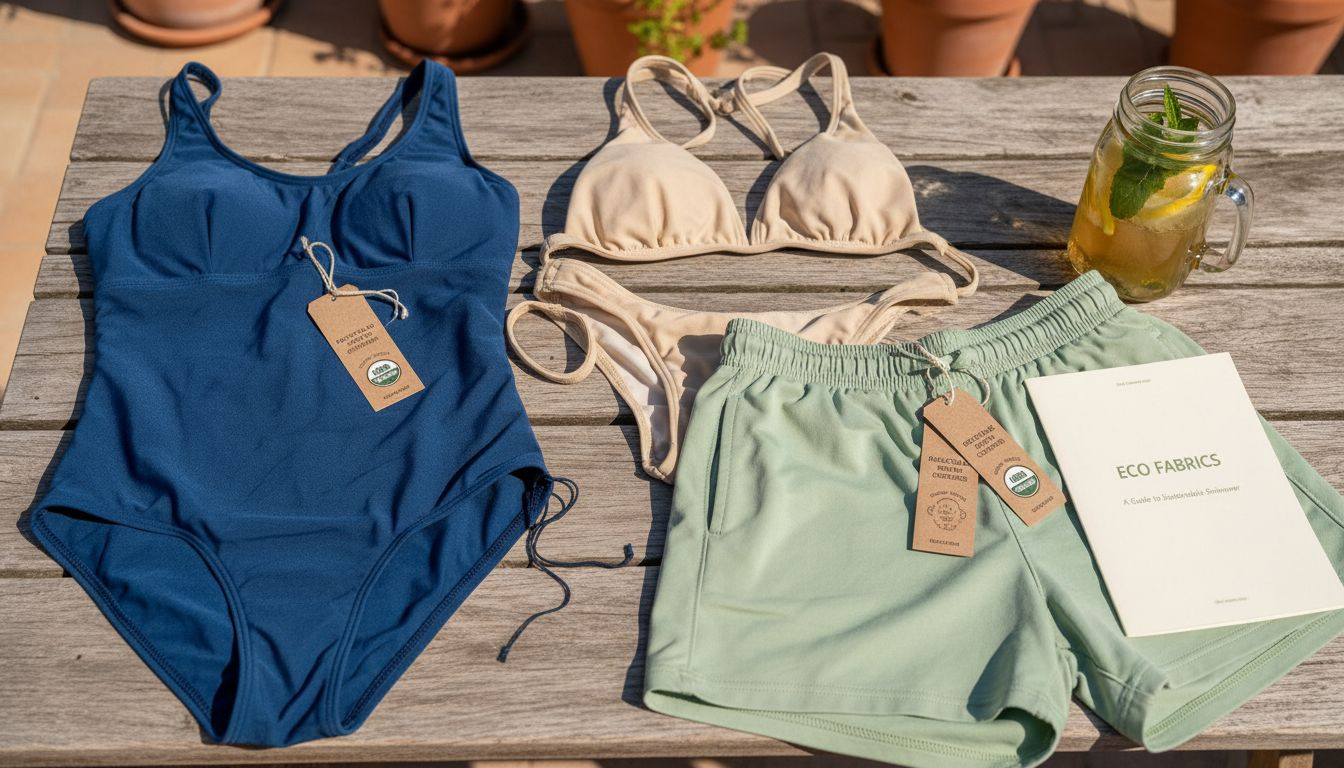
Modern vegan swimwear designs showcase remarkable versatility and creativity. Brands are moving beyond traditional cuts, offering pieces that are not just environmentally responsible but also fashion-forward. Reversible bikinis, functional board shorts, and limited batch production techniques demonstrate a commitment to reducing waste while providing consumers with unique, adaptable swimwear options. The emphasis is on creating garments that are durable, comfortable, and aesthetically pleasing without compromising ethical standards.
Key characteristics of contemporary vegan swimwear include:
- Advanced regenerated materials like ECONYL
- Lightweight and quick-drying fabrics
- Versatile, multi-functional designs
- Minimal environmental footprint
- Inclusive sizing and style options
Pro tip: When selecting vegan swimwear, prioritize brands that provide transparent information about their material sourcing and manufacturing processes to ensure genuine sustainability.
Eco-Conscious Manufacturing and Impact
The swimwear industry is undergoing a profound transformation, driven by an urgent need to address environmental challenges and consumer demand for responsible production. Eco-conscious manufacturing techniques are revolutionizing textile production by replacing traditional petroleum-based fabrics with innovative recycled and organic materials. This shift represents more than a trend - it’s a fundamental reimagining of how clothing can be produced with minimal environmental harm.
Key sustainable manufacturing strategies include advanced water recycling processes, energy-efficient production methods, and innovative material sourcing. Brands are now utilizing breakthrough technologies like ECONYL yarn, which transforms discarded fishing nets and ocean plastics into high-performance swimwear fabrics. These approaches not only reduce waste but also create a circular economy model that actively removes harmful materials from marine ecosystems.
Significant environmental benefits of eco-conscious swimwear manufacturing include:
- Reduction of ocean plastic waste
- Lower carbon emissions in production
- Decreased reliance on virgin petroleum-based materials
- Preservation of marine ecosystems
- Support for sustainable global supply chains
Pro tip: Research brands that provide detailed transparency about their manufacturing processes and environmental impact measurements to make truly informed sustainable fashion choices.
Comparing Vegan Swimwear to Traditional Options
The landscape of swimwear is experiencing a transformative shift, with sustainable alternatives challenging conventional manufacturing methods. Traditional swimwear typically relies on petroleum-based synthetic fibers that contribute significantly to environmental degradation, whereas vegan swimwear represents a conscientious approach to textile production. The fundamental difference lies not just in material composition, but in the entire philosophical approach to clothing manufacturing.
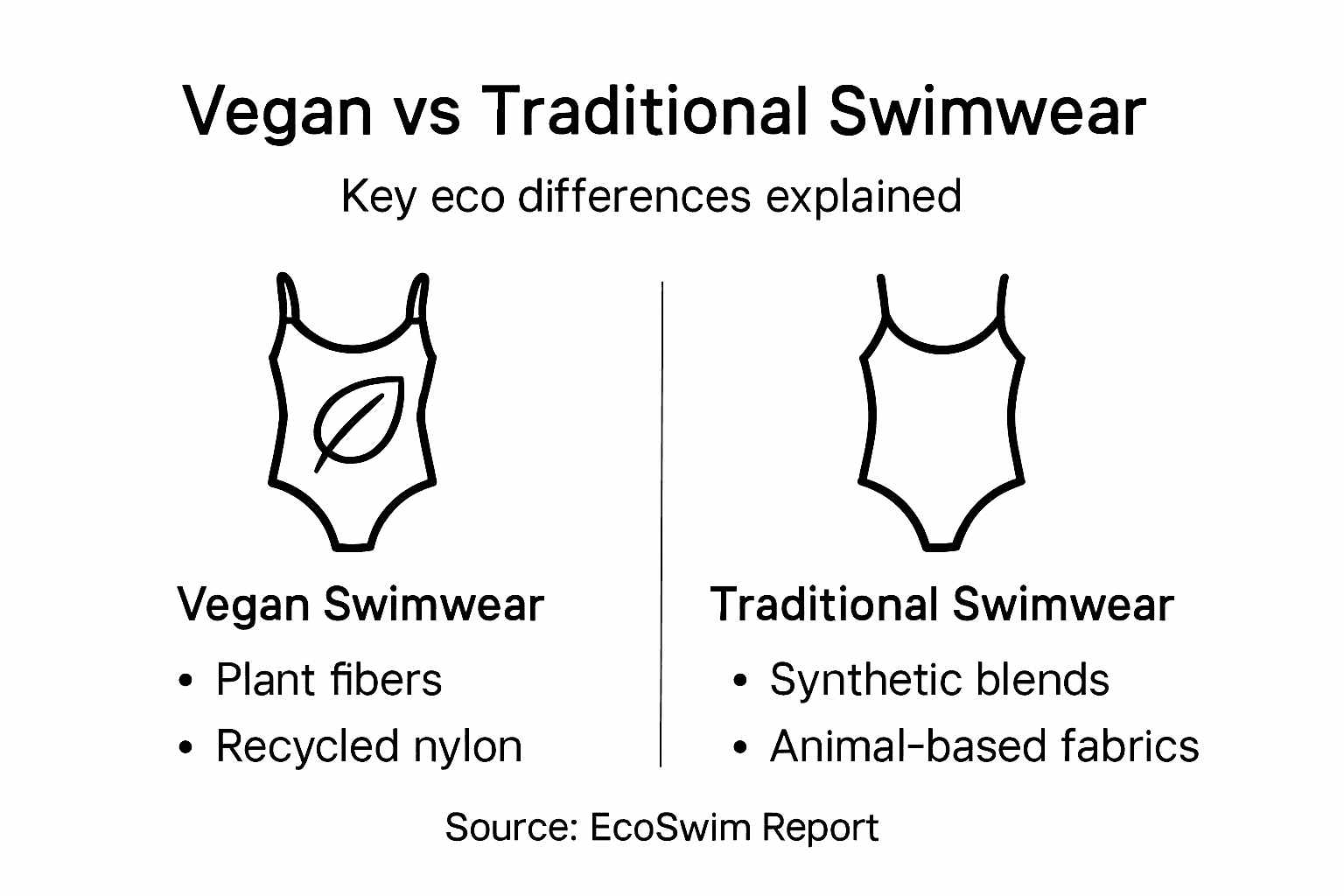
Material selection represents the most critical point of differentiation. Traditional swimwear often uses virgin synthetic fibers derived from petroleum, which have substantial carbon footprints and contribute to microplastic pollution. In contrast, vegan swimwear utilizes innovative materials like recycled nylon, Econyl, and plant-based fabrics that actively reduce waste and minimize environmental impact. These sustainable materials offer comparable performance to traditional synthetics while dramatically reducing ecological harm.
Key comparative aspects between vegan and traditional swimwear include:
Here’s a side-by-side look at key differences between vegan and traditional swimwear:
| Aspect | Vegan Swimwear | Traditional Swimwear | Overall Benefit |
|---|---|---|---|
| Material Innovation | Uses recycled and plant-based | Relies on virgin synthetics | Reduced resource usage |
| Supply Chain Transparency | Often provides detailed sourcing | Rarely discloses full origins | Enables ethical purchasing |
| Waste Management | Supports circular economy | Contributes to landfill waste | Less pollution |
| Consumer Appeal | Targets eco-conscious buyers | Appeals to mass-market tastes | Increases sustainable choices |
- Environmental Impact
- Traditional: High carbon footprint
- Vegan: Minimal environmental damage
- Material Source
- Traditional: Petroleum-based synthetics
- Vegan: Recycled and plant-based materials
- Waste Generation
- Traditional: Contributes to microplastic pollution
- Vegan: Reduces ocean waste
- Ethical Production
- Traditional: Limited labor transparency
- Vegan: Emphasizes fair labor practices
Pro tip: Compare product labels and brand sustainability reports to truly understand the environmental credentials of your swimwear choices.
Risks, Costs, and Common Missteps
Vegan swimwear represents a promising yet complex landscape, with consumers navigating intricate challenges in ethical fashion choices. Ethical manufacturing challenges extend far beyond simple material selection, encompassing complex economic and environmental considerations. The journey toward sustainable swimwear involves understanding potential risks, evaluating true costs, and developing strategies to avoid common purchasing pitfalls.
The economic landscape of vegan swimwear presents significant considerations for consumers. These sustainable garments typically cost more due to certified sustainable materials, fair labor practices, and small-batch production methods. Increased fabric prices, sophisticated sustainable dyeing processes, and higher labor wages contribute to elevated price points. Consumers must balance their ethical values with budgetary constraints, recognizing that higher costs often reflect genuine commitment to environmental and social responsibility.
Key risks and potential missteps in vegan swimwear purchasing include:
The following table summarizes common consumer challenges when purchasing vegan swimwear:
| Challenge | Consumer Impact | Avoidance Strategy |
|---|---|---|
| Unverified sustainability claims | May purchase non-ethical items | Request clear certifications |
| Higher price points | Limits access for some buyers | Seek promotions or sales |
| Supply chain opacity | Hinders informed decisions | Research brand disclosures |
| Greenwashing tactics | Misleads about true impact | Ask brands direct questions |
- Potential greenwashing by brands
- Unverified sustainability claims
- Lack of transparent supply chain information
- Inconsistent certification standards
- Hidden environmental compromise in production
Pro tip: Request detailed documentation about material sourcing and manufacturing processes before purchasing, and don’t hesitate to ask brands direct questions about their sustainability claims.
Embrace the Vegan Swimwear Revolution With Sustainable Style
The challenge you face is clear — finding swimwear that truly aligns with your values without sacrificing style or quality. Vegan swimwear calls for materials like ECONYL and ethical manufacturing practices that reduce ocean plastic waste and promote fair labor. If you want to avoid greenwashing and support brands that act transparently with minimal environmental impact, your next step is choosing a trusted source that shares this vision.
Discover how Le Club Original brings the vegan swimwear mission to life with an exclusive collection of eco-friendly swim trunks and beachwear made from regenerated materials. Our commitment to sustainability, ocean pollution reduction, and carbon-neutral production makes it easy to join this eco-conscious movement.

Experience swimwear that balances fashion with responsibility. Shop now at Le Club Original and enjoy modern designs, inclusive sizing, and a community dedicated to protecting marine ecosystems. Don’t wait to make a positive impact — explore our sustainable beach apparel and embrace the future of swimwear today.
Frequently Asked Questions
What is vegan swimwear made of?
Vegan swimwear is made from materials that do not use any animal-derived products, focusing instead on advanced alternatives like regenerated nylon (Econyl), which is created from recovered ocean waste such as fishing nets and plastic bottles.
How does vegan swimwear benefit the environment?
Vegan swimwear benefits the environment by reducing reliance on virgin petroleum-based materials, minimizing plastic waste, and promoting a circular economy that helps preserve marine ecosystems and lower carbon emissions.
What should I look for when purchasing vegan swimwear?
When purchasing vegan swimwear, look for transparent supply chain information, certifications ensuring ethical and sustainable production, and details about the materials used to confirm that they are truly vegan and eco-friendly.
How does vegan swimwear differ from traditional swimwear?
Vegan swimwear differs from traditional swimwear by using recycled or plant-based materials instead of virgin synthetic fibers. It also emphasizes fair labor practices, reduces waste, and promotes better environmental outcomes.