

Choosing the right swimwear for a father-son beach trip means more than just looking good under the sun. For eco-conscious travelers, the real impact lies in selecting options that support ocean health. Marine-protective swimwear made from recycled materials and designed to reduce microplastic pollution makes each swim an active step toward preserving marine life. Discover how your beachwear choices can blend style with environmental responsibility, benefiting both your adventures and the world’s oceans.
Table of Contents
- Definition And Purpose Of Marine-Protective Swimwear
- Types Of Sustainable Swimwear Materials Used
- How Swimwear Supports Ocean Conservation
- Swimwear Manufacturing And Pollution Reduction
- Risks, Challenges, And Common Misconceptions
Key Takeaways
| Point | Details |
|---|---|
| Marine-Protective Swimwear | These garments combine style and ecological responsibility, helping to preserve ocean ecosystems while providing essential aquatic clothing. |
| Sustainable Materials | Utilizing materials like ECONYL and recycled polyester significantly reduces environmental impact and promotes circular economy principles in swimwear production. |
| Ocean Conservation Efforts | Sustainable swimwear actively contributes to marine conservation through recycling initiatives, funding projects, and raising awareness about ocean pollution. |
| Consumer Responsibility | Educating oneself on garment care and sustainable practices is vital to maximizing the lifespan of swimwear and minimizing environmental impact. |
Definition and Purpose of Marine-Protective Swimwear
Marine-protective swimwear represents an innovative approach to preserving ocean ecosystems while providing functional aquatic clothing. Marine Protected Areas demonstrate the critical importance of conservation strategies, and swimwear is emerging as an unexpected but powerful tool in this environmental mission.
Designed beyond traditional aesthetic purposes, marine-protective swimwear integrates advanced materials and design principles specifically aimed at reducing environmental impact. These specialized garments serve multiple crucial functions:
- Minimize harmful chemical leaching into marine environments
- Reduce microplastic shedding during water activities
- Provide UV protection without damaging coral reef ecosystems
- Support sustainable manufacturing practices
- Create awareness about ocean conservation
Swimwear’s historical evolution reveals a fascinating journey from modest, restrictive garments to today’s technologically sophisticated designs. Modern marine-protective swimwear takes this progression further by embedding ecological responsibility directly into fabric selection, production methods, and end-user experience.
The primary purpose of marine-protective swimwear extends far beyond personal comfort. These garments represent a tangible commitment to ocean preservation, transforming every beach outing into an opportunity for environmental stewardship. By choosing consciously designed swimwear, individuals can directly contribute to reducing marine pollution and supporting global conservation efforts.
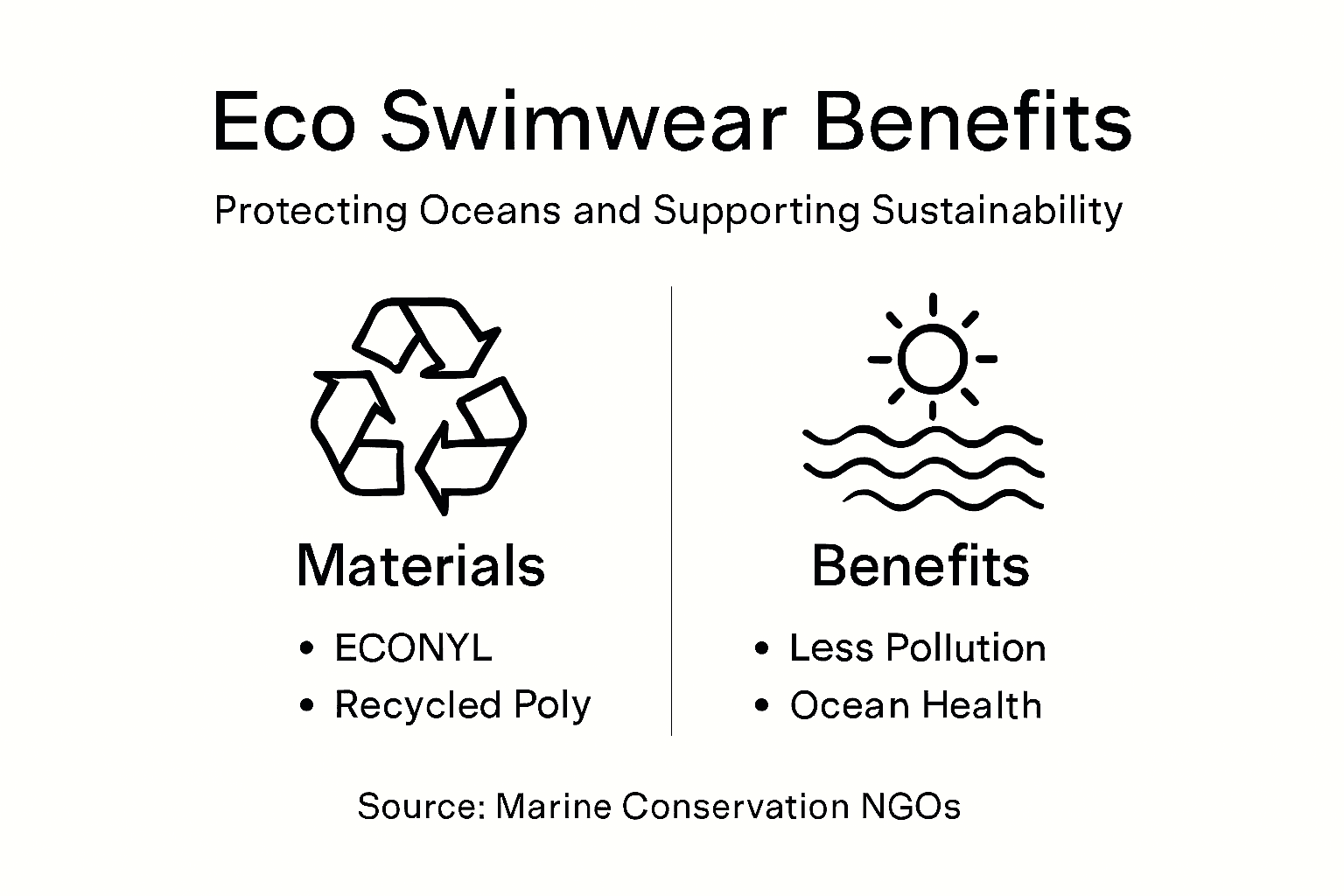
Pro tip: When selecting marine-protective swimwear, prioritize brands that demonstrate transparent sustainability practices and use regenerative or recycled materials.
Types of Sustainable Swimwear Materials Used
Sustainable swimwear materials represent a groundbreaking approach to reducing environmental impact while maintaining high-performance aquatic clothing standards. Recycled material technologies have revolutionized the textile industry, offering innovative solutions that transform waste into functional, stylish garments.
The primary sustainable swimwear materials include:
- ECONYL regenerated nylon from discarded fishing nets
- Recycled polyester fibers like Repreve
- Organic cotton with minimal environmental footprint
- Hemp fabrics with natural durability
- Biodegradable synthetic alternatives
Circular fashion approaches demonstrate how these materials significantly reduce dependency on petroleum-based fabrics. By upcycling waste materials like abandoned fishing nets and plastic bottles, manufacturers create high-performance swimwear that simultaneously addresses environmental challenges and consumer needs.
Each sustainable material offers unique benefits. ECONYL, for instance, can be regenerated multiple times without losing quality, while recycled polyester reduces plastic waste and requires fewer resources to produce compared to virgin polyester. Organic cotton and hemp provide natural alternatives that minimize chemical processing and support more ethical manufacturing practices.
Below is a summary comparing popular sustainable swimwear materials and their core ecological benefits:
| Material Type | Ecological Benefit | Performance Features |
|---|---|---|
| ECONYL Regenerated Nylon | Removes ocean waste, recyclable | Strong, stretches, colorfast |
| Recycled Polyester | Lowers plastic pollution, energy-saving | Durable, quick-drying, lightweight |
| Organic Cotton | Minimizes chemical usage, biodegradable | Soft, breathable, natural feel |
| Hemp Fabric | Requires less water, naturally pest-resistant | Long-lasting, odor-resistant |
| Biodegradable Synthetics | Breaks down in environment, fossil-free | Flexible, comfortable, innovative design |
Pro tip: When purchasing sustainable swimwear, examine the specific material composition and look for transparent information about the fabric’s environmental impact.
How Swimwear Supports Ocean Conservation
Swimwear is transforming from a simple clothing item into a powerful tool for marine environmental protection. Ocean waste reduction strategies demonstrate how conscious fashion choices can directly contribute to marine ecosystem preservation.
Sustainable swimwear supports ocean conservation through multiple innovative approaches:
- Utilizing recycled ocean plastics in fabric production
- Funding marine conservation nonprofits
- Creating awareness about ocean pollution
- Reducing microplastic waste through advanced textile technologies
- Supporting beach and marine habitat clean-up initiatives
- Promoting circular economy principles in fashion
The environmental impact of sustainable swimwear extends beyond material composition. By transforming discarded fishing nets and plastic waste into high-performance garments, manufacturers create a direct link between consumer choices and ocean health. These innovative approaches not only prevent additional waste but actively remove existing pollutants from marine environments.
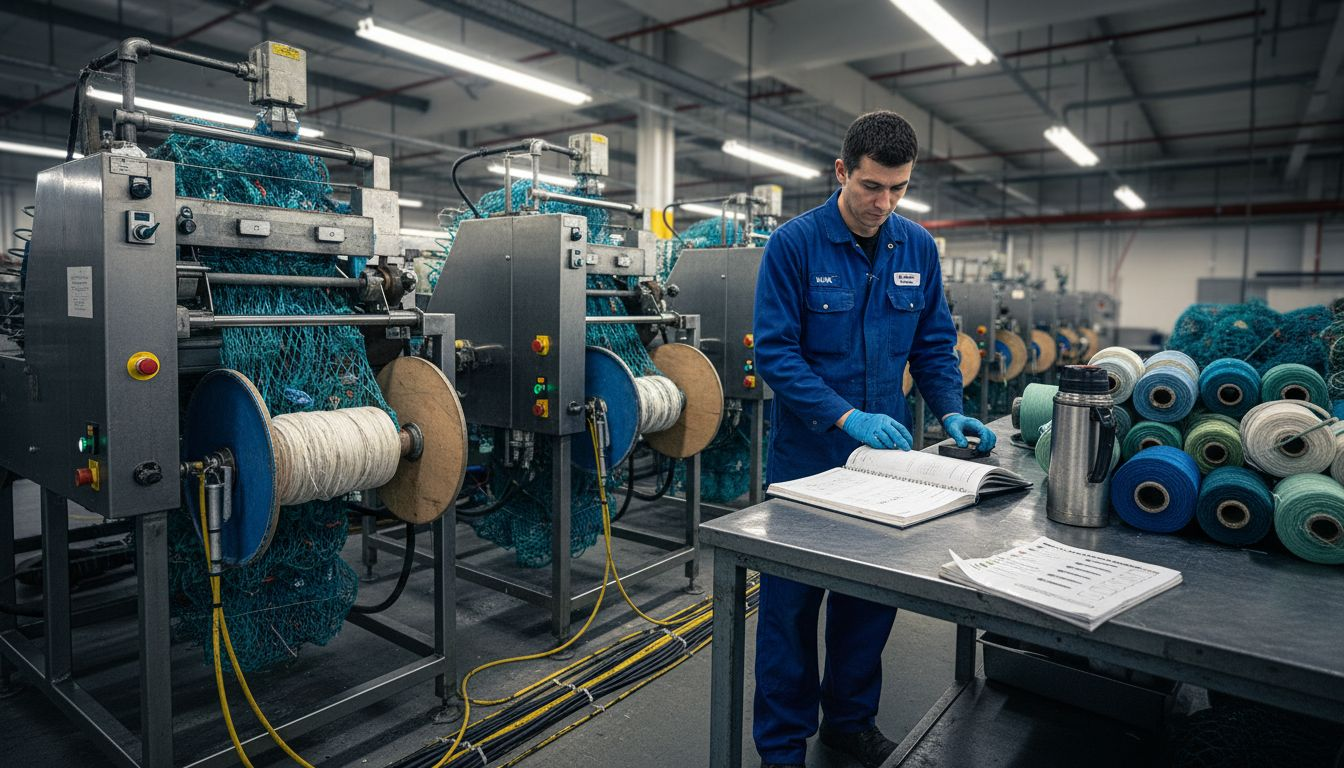
Moreover, many sustainable swimwear brands are developing comprehensive conservation programs. They collaborate with marine research institutions, sponsor ocean cleanup projects, and invest a percentage of their profits into protecting marine biodiversity. This holistic approach transforms swimwear from a passive product into an active agent of environmental change.
Pro tip: Choose swimwear brands that transparently communicate their environmental impact and actively contribute to ocean conservation efforts.
Swimwear Manufacturing and Pollution Reduction
The fashion industry is undergoing a transformative shift in addressing environmental challenges, with swimwear manufacturing emerging as a critical battleground for pollution reduction. Microplastic pollution research reveals the significant environmental impact of traditional swimwear production and highlights the urgent need for sustainable manufacturing practices.
Eco-friendly swimwear manufacturing incorporates several key strategies:
- Utilizing recycled materials like ECONYL and Repreve
- Implementing closed-loop production systems
- Reducing water and chemical waste during manufacturing
- Developing low-shedding fabric technologies
- Obtaining environmental certifications
- Minimizing overall carbon footprint
The technological innovations in sustainable swimwear production go far beyond simple material selection. Manufacturers are now developing advanced textile technologies that dramatically reduce microplastic shedding, creating garments that perform exceptionally while maintaining minimal environmental impact. These approaches transform swimwear from a potential pollution source into a proactive solution for marine conservation.
Comprehensive sustainable manufacturing practices involve more than just material selection. Eco-friendly manufacturing solutions now integrate ethical labor standards, responsible sourcing, and advanced textile engineering to create swimwear that represents a holistic approach to environmental responsibility. By reimagining production processes, manufacturers can significantly mitigate the ecological consequences of clothing manufacturing.
Pro tip: Research swimwear brands that provide transparent information about their manufacturing processes and environmental certifications.
Risks, Challenges, and Common Misconceptions
Sustainable swimwear represents a complex landscape of environmental innovation, fraught with nuanced challenges that extend beyond simple material selection. Sustainable swimwear research reveals critical misconceptions that consumers and manufacturers must navigate to truly advance ecological textile practices.
Key challenges in sustainable swimwear production include:
- Persistent microplastic shedding from synthetic fibers
- Limited consumer understanding of proper garment care
- Higher production costs compared to traditional manufacturing
- Complex recycling processes for mixed-material garments
- Balancing performance with environmental sustainability
- Overcoming consumer skepticism about eco-friendly alternatives
Many consumers harbor fundamental misunderstandings about sustainable swimwear. They often assume that eco-friendly materials inherently compromise performance, comfort, or style. In reality, advanced textile technologies have dramatically improved sustainable fabric capabilities, creating garments that match or exceed traditional swimwear in durability, stretch, and aesthetic appeal.
The most significant obstacle remains consumer education. Many individuals prematurely discard swimwear due to inadequate care information, misunderstanding fabric maintenance, and lacking awareness about the long-term environmental implications of their clothing choices. Bridging this knowledge gap requires transparent communication from manufacturers, comprehensive care instructions, and ongoing consumer engagement about sustainable fashion practices.
The following table outlines major risks and misconceptions about sustainable swimwear, helping consumers make informed decisions:
| Issue | Common Misconception | Practical Reality |
|---|---|---|
| Microplastic Shedding | All sustainable fabrics avoid microplastics | Some eco-fabrics still shed microplastics |
| Garment Care | Eco swimwear needs little care | Specialized care extends garment life |
| Performance vs. Sustainability | Eco-fabrics lack durability | Modern textiles match traditional quality |
| Cost | Sustainability is always expensive | Competition is lowering prices |
| Recycling Complexity | All eco swimwear is easily recycled | Mixed materials complicate recycling |
| Environmental Impact | One purchase solves pollution | Ongoing conscious choices are needed |
Pro tip: Invest time in understanding the specific care instructions for your sustainable swimwear to maximize its lifespan and minimize environmental impact.
Protect Our Oceans With Every Swimwear Choice
The article highlights crucial challenges like microplastic pollution, chemical impacts on marine ecosystems, and the need for sustainable materials like ECONYL regenerated nylon. These are issues that every beach lover and swimmer should care about because your swimwear can either harm or help the oceans. If you want to avoid contributing to ocean waste and support innovative textile technologies that reduce environmental damage, considering eco-friendly swim trunks and bikinis is a powerful first step.
Discover how you can make a positive impact with stylish and sustainable pieces by exploring Le Club Original’s carefully curated selection of eco-conscious swimwear. Their commitment to environmentally responsible manufacturing and ocean pollution reduction aligns perfectly with the article’s call for transparency and sustainability. From recycled materials to ethical production, you can choose beachwear that supports marine conservation without compromising style or comfort.

Ready to transform your summer wardrobe and contribute to healthier oceans? Visit Le Club Original today to shop sustainable swimwear made to protect marine life. Act now and join a community passionate about eco-responsibility and ocean protection while enjoying free shipping on qualifying orders.
Frequently Asked Questions
What is marine-protective swimwear?
Marine-protective swimwear is specialized aquatic clothing designed to minimize environmental impact while providing functionality. It incorporates advanced materials to reduce chemical leaching, microplastic shedding, and offers UV protection, contributing to ocean conservation efforts.
How do sustainable swimwear materials impact the environment?
Sustainable swimwear materials, such as ECONYL and recycled polyester, significantly reduce the dependency on petroleum-based fabrics, limit plastic pollution, and utilize upcycled waste materials. These approaches help mitigate overall environmental harm while maintaining high performance.
What are the key benefits of choosing eco-friendly swimwear?
Choosing eco-friendly swimwear helps in reducing marine pollution, supports sustainable manufacturing practices, and promotes awareness about ocean conservation. Furthermore, it contributes to initiatives focused on protecting marine biodiversity and assists in cleaning up existing ocean waste.
How can I extend the lifespan of my sustainable swimwear?
To extend the lifespan of your sustainable swimwear, follow proper garment care instructions, such as washing in cold water, avoiding fabric softeners, and air-drying. Understanding specific care guidelines will help maintain the garment’s performance and minimize environmental impact.
Recommended
- 7 Advantages of Upcycled Swimwear Every Beachgoer Should Know – Le Club Original
- 7 Advantages of Upcycled Swimwear Every Beachgoer Should Know – Le Club Original
- 7 Advantages of Upcycled Swimwear Every Beachgoer Should Know – Le Club Original
- Eco-Conscious Swimwear: Style with Ocean Impact – Le Club Original