

Finding swimwear that is both stylish and genuinely eco-friendly is no longer out of reach for the modern beachgoer. For those living close to the ocean, the urge to protect marine environments is strong, especially as traditional apparel contributes to microplastic pollution and chemical runoff. This guide uncovers how ocean-friendly apparel merges innovative design with effective environmental action, while clearing up common myths about sustainability in fashion.
Table of Contents
- Defining Ocean-Friendly Apparel And Common Myths
- Materials And Types Of Ocean-Friendly Swimwear
- Eco-Conscious Manufacturing And Certifications
- Impact On Oceans And Real-World Benefits
- Risks, Costs, And Buying Tips For Consumers
Key Takeaways
| Point | Details |
|---|---|
| Ocean-friendly apparel prioritizes sustainability | It utilizes materials like recycled ocean plastics and biodegradable fabrics to minimize environmental impact while ensuring style and performance. |
| Common myths about sustainable swimwear debunked | Eco-friendly swimwear can be stylish, durable, and competitive in price, challenging misconceptions that it is boring or overly expensive. |
| Important certifications ensure credibility | Recognized environmental certifications, such as GOTS and OEKO-TEX, validate a brand’s commitment to sustainability and responsible practices. |
| Consumer responsibility in sustainable fashion | Shoppers should research brands, verify certifications, and calculate the long-term value of sustainable swimwear for informed purchasing decisions. |
Defining Ocean-Friendly Apparel and Common Myths
Ocean-friendly apparel represents a revolutionary approach to sustainable fashion that goes far beyond traditional clothing design. At its core, this concept focuses on creating swimwear and beach attire that minimizes environmental impact while maintaining style and performance. Ocean sustainability challenges have become increasingly critical, pushing designers and manufacturers to rethink their production methods.
The key characteristics of ocean-friendly apparel include:
- Materials sourced from recycled ocean plastics
- Biodegradable fabric technologies
- Production processes that minimize marine ecosystem disruption
- Reduced microplastic shedding during washing
- Ethical manufacturing practices
Contrary to popular misconceptions, sustainable swimwear isn’t about sacrificing style for environmental consciousness. Modern eco-friendly materials now offer incredible performance, durability, and aesthetic appeal. Innovations like recycled polyester, regenerated nylon, and seaweed-based fibers demonstrate that fashion can be both environmentally responsible and visually stunning.
Common Myths About Sustainable Swimwear
- Myth: Eco-friendly clothing looks boring
- Myth: Sustainable materials are less durable
- Myth: Environmentally conscious apparel is significantly more expensive
- Myth: Ocean-friendly production doesn’t make a meaningful difference
Sustainable fashion isn’t a compromise – it’s a commitment to protecting our planet’s most precious ecosystems.
Pro tip: When shopping for ocean-friendly apparel, look for transparent supply chain information and certifications that validate environmental claims.
Materials and Types of Ocean-Friendly Swimwear
The world of ocean-friendly swimwear has transformed dramatically, offering environmentally conscious consumers stylish alternatives that protect marine ecosystems. Ocean-friendly clothing materials now represent a sophisticated approach to sustainable fashion that combines performance, style, and environmental responsibility.
Key sustainable materials used in modern swimwear include:
- Recycled Nylon: Repurposes fishing nets and other ocean plastics
- Organic Cotton: Grown without harmful pesticides
- Hemp Fabric: Requires minimal water and no pesticides
- Regenerated Polyamide: Transforms waste materials into high-performance textiles
- Plant-Based Fibers: Biodegradable alternatives to synthetic materials
These innovative materials offer multiple benefits beyond environmental protection. Performance fabrics now provide excellent durability, UV resistance, and chlorine tolerance, challenging the outdated notion that sustainable swimwear compromises quality. Manufacturers have developed technologies that transform waste materials into sophisticated, high-functioning garments that look and feel premium.
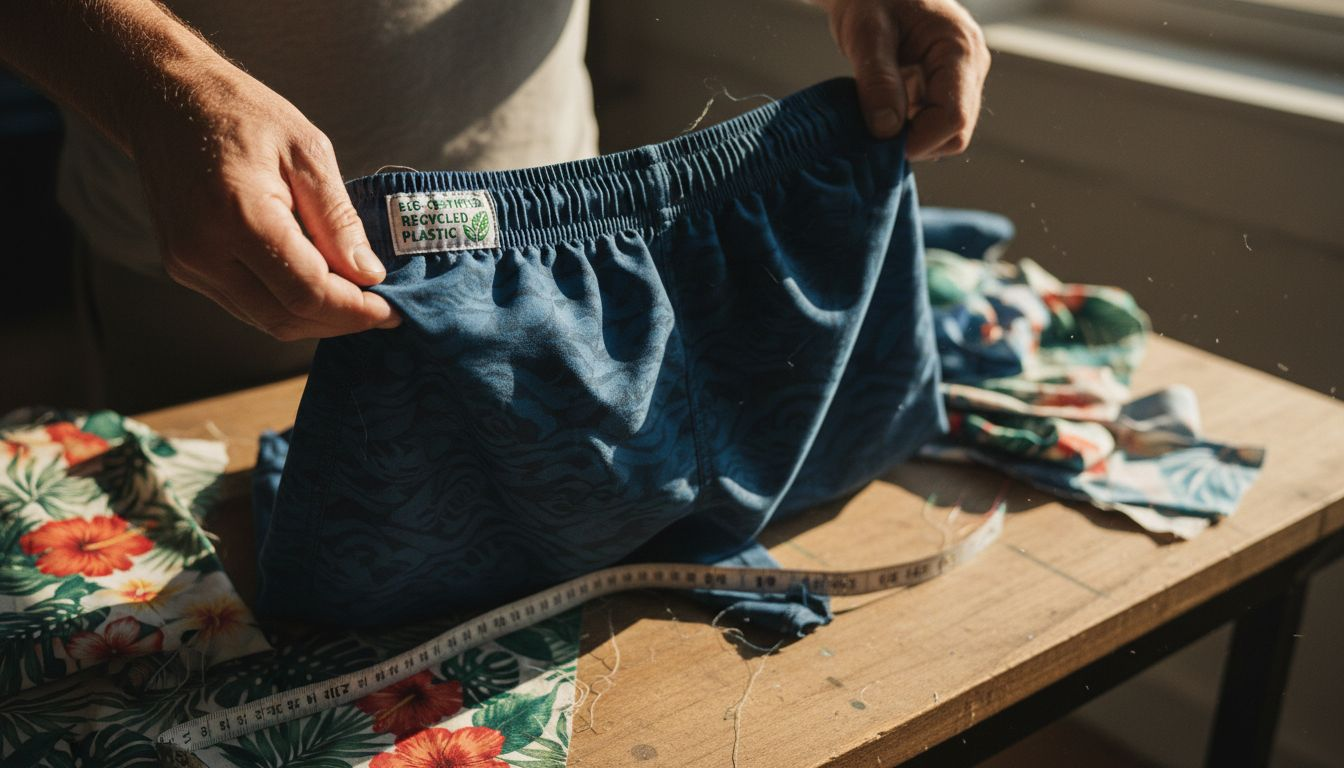
Here’s a quick comparison of sustainable swimwear materials and their environmental advantages:
| Material | Environmental Advantage | Notable Properties |
|---|---|---|
| Recycled Nylon | Reduces ocean plastic waste | Strong, quick-drying |
| Organic Cotton | No harmful pesticides used | Soft, breathable |
| Hemp Fabric | Minimal water, pesticide-free | Durable, naturally antibacterial |
| Regenerated Polyamide | Transforms waste into textiles | Lightweight, flexible |
| Plant-Based Fibers | Biodegradable, renewable resource | Smooth, comfortable |
Types of Ocean-Friendly Swimwear
- Minimalist One-Piece Designs
- Sustainable Board Shorts
- Eco-Friendly Bikinis
- Performance Swim Athletica
- Convertible Beach Wear
Sustainable swimwear isn’t just a trend – it’s a commitment to preserving our planet’s most critical ecosystems.
Pro tip: When selecting ocean-friendly swimwear, examine the fabric composition and look for certifications that validate the manufacturer’s environmental claims.
Eco-Conscious Manufacturing and Certifications
Navigating the complex world of sustainable fashion requires understanding the intricate processes behind eco-conscious manufacturing. Ocean sustainability standards have become increasingly critical in transforming how clothing is produced, particularly in swimwear and beach apparel industries.
Key aspects of eco-conscious manufacturing include:
- Minimizing water pollution during textile production
- Reducing chemical usage in fabric processing
- Limiting microplastic release into marine environments
- Implementing energy-efficient manufacturing techniques
- Supporting fair labor practices
Important environmental certifications play a crucial role in validating a manufacturer’s commitment to sustainability. These third-party endorsements provide consumers with transparent insights into production practices and environmental impact.
Top Environmental Certifications for Swimwear
- Global Organic Textile Standard (GOTS)
- OEKO-TEX Standard 100
- Bluesign Certification
- Cradle to Cradle Certified
- Fair Trade Textile Standard
Certifications are more than just labels – they’re a promise of environmental responsibility.
Pro tip: Always research the specific certification requirements and verify the authenticity of environmental claims before purchasing sustainable swimwear.
Impact on Oceans and Real-World Benefits
The fashion industry’s relationship with marine ecosystems has reached a critical turning point. Ocean-friendly fashion choices represent more than a trend - they are a vital intervention in protecting marine biodiversity and global environmental health.
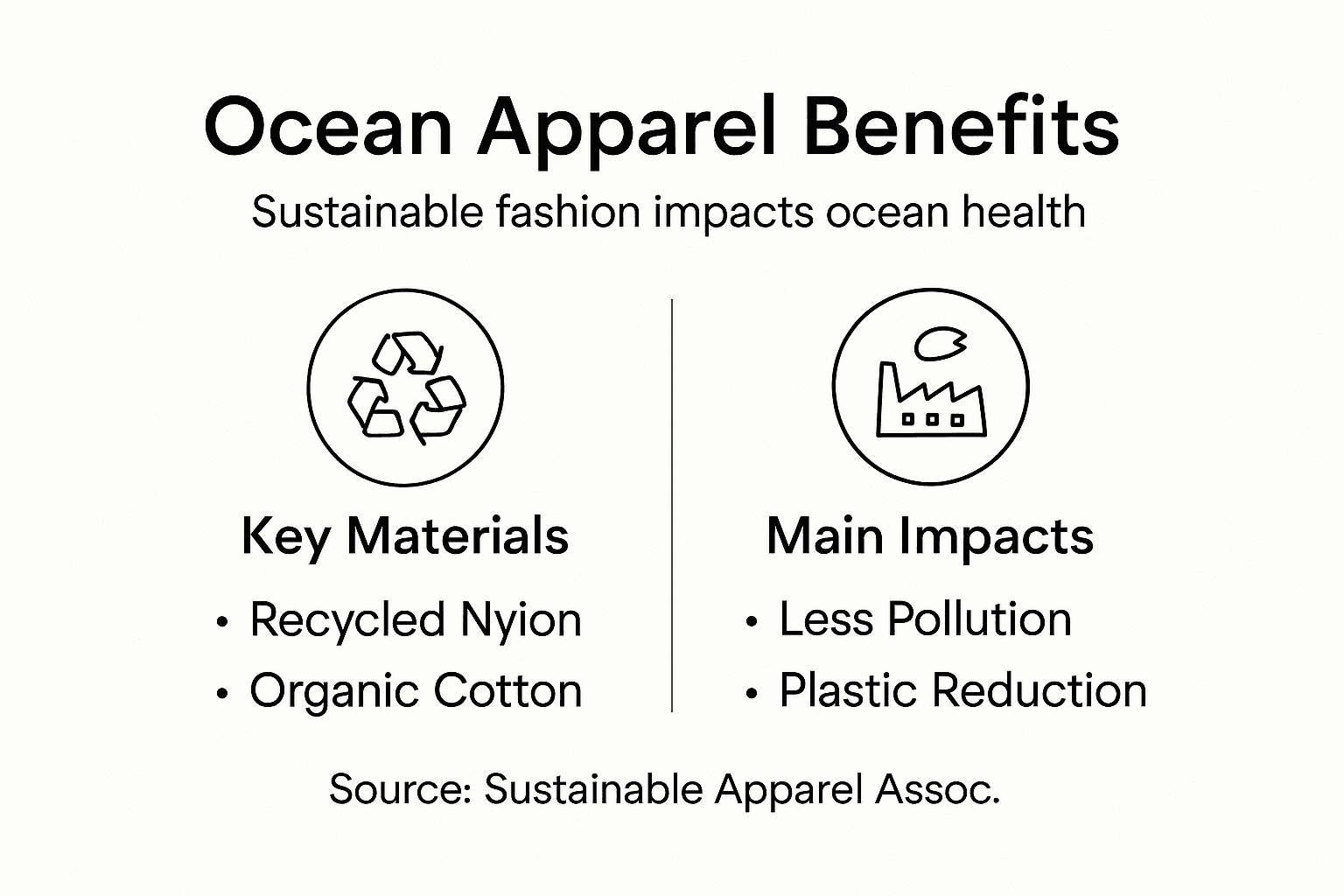
Key environmental impacts of ocean-friendly apparel include:
- Dramatically reducing microplastic pollution
- Minimizing chemical contamination in marine environments
- Supporting sustainable marine ecosystem restoration
- Lowering greenhouse gas emissions
- Protecting marine wildlife from harmful textile waste
The transformative power of sustainable swimwear extends far beyond individual consumer choices. By replacing synthetic materials with recycled and organic alternatives, these innovative clothing solutions directly combat the devastating environmental consequences of traditional textile production.
Direct Benefits to Marine Ecosystems
- Reduced plastic ingestion by marine animals
- Decreased chemical runoff into ocean habitats
- Lower microfiber pollution in water systems
- Preservation of marine biodiversity
- Mitigation of climate change impacts
Every sustainable garment is a small victory for our planet’s most critical ecosystems.
Pro tip: Calculate your personal environmental impact by tracking the number of sustainable clothing items you purchase and research their specific ecological benefits.
Risks, Costs, and Buying Tips for Consumers
The journey toward sustainable swimwear involves navigating complex market dynamics and potential challenges. Ocean-friendly fashion choices require consumers to be strategic and informed about potential risks and investment considerations.
Key financial and ethical risks in sustainable swimwear include:
- Higher upfront purchase costs
- Potential greenwashing by unethical brands
- Variability in material quality
- Limited style and design options
- Complex verification of environmental claims
Understanding the true cost of sustainable fashion means looking beyond the price tag. Consumers must consider long-term environmental impact, durability, and the broader ecological benefits of their purchasing decisions. Sustainable swimwear represents an investment in both personal style and global environmental preservation.
Below is a summary of common risks in sustainable swimwear and how to address them as a consumer:
| Risk Factor | Example Issue | Consumer Action |
|---|---|---|
| Greenwashing | False eco-friendly labels | Check third-party certifications |
| High Upfront Cost | Higher initial purchase price | Calculate lifetime cost-per-wear |
| Variable Material Quality | Inconsistent durability | Research materials and reviews |
| Limited Style Choices | Fewer designs available | Explore multiple eco brands |
Consumer Protection Strategies
- Research brand sustainability credentials
- Verify third-party environmental certifications
- Compare long-term durability and performance
- Understand material composition and origin
- Calculate cost-per-wear for sustainable items
Smart consumers don’t just buy clothing - they invest in environmental solutions.
Pro tip: Request detailed sustainability documentation from brands and cross-reference their environmental claims with independent certification databases.
Discover Stylish Solutions to Ocean-Friendly Apparel Challenges
The article highlights the urgent problem of ocean pollution caused by traditional swimwear materials and manufacturing processes. It addresses common barriers like doubts about sustainable fabric durability, fears of higher costs, and the confusion caused by greenwashing. If you care about reducing microplastic pollution and want swimwear that truly supports ocean health without sacrificing style or performance, your search ends at a trusted source for eco-conscious fashion.
At Le Club Original, we specialize in sustainable swim trunks and beachwear for men and boys that tackle these very challenges. Our collections feature recycled ocean plastics and biodegradable fabrics designed to minimize marine ecosystem disruption. Every piece exemplifies ethical manufacturing, rigorous quality, and a commitment to reducing ocean pollution while allowing you to express your unique style.
Ready to make a powerful difference with what you wear?

Explore the latest sustainable swim trunks and beach apparel that combine cutting-edge performance with ocean-friendly innovation. Join a community that values fashion and environmental stewardship. Shop now to enjoy free shipping on qualifying orders and take your first step toward protecting our oceans in style.
Frequently Asked Questions
What materials are commonly used in ocean-friendly apparel?
Ocean-friendly apparel commonly utilizes materials such as recycled nylon, organic cotton, hemp fabric, regenerated polyamide, and plant-based fibers. These materials are chosen for their reduced environmental impact and sustainable properties.
How does ocean-friendly apparel contribute to reducing pollution?
Ocean-friendly apparel helps reduce pollution by utilizing recycled materials, which decreases ocean plastic waste, and by minimizing harmful chemical runoff and microplastic shedding during washing. This approach protects marine ecosystems and promotes sustainable manufacturing practices.
Are sustainable swimwear options as durable as traditional swimwear?
Yes, many sustainable swimwear options are designed using high-performance fabrics that are as durable as traditional swimwear. Materials like recycled nylon and regenerated polyamide provide excellent durability, UV resistance, and chlorine tolerance.
What should I look for when shopping for ocean-friendly swimwear?
When shopping for ocean-friendly swimwear, look for transparency in the supply chain, third-party environmental certifications, and verify the fabric composition to ensure it meets sustainability criteria.
Recommended
- 7 Best Ocean-Friendly Clothing Materials for Eco Apparel – Le Club Original
- 7 Best Ocean-Friendly Clothing Materials for Eco Apparel – Le Club Original
- 7 Best Ocean-Friendly Clothing Materials for Eco Apparel – Le Club Original
- 7 Advantages of Upcycled Swimwear Every Beachgoer Should Know – Le Club Original