

Finding the right swimwear for adventurous boys who love the water can be a challenge when you want a blend of comfort, style, and environmental responsibility. With growing concerns about plastic pollution in our oceans and landfills, what your child wears to the pool matters more than ever. Discover how recycled swimwear turns waste materials like plastic bottles and fishing nets into high-quality, durable swimsuits that look great and make a real difference for the planet.
Table of Contents
- Recycled Swimwear For Kids Explained
- Types And Materials Of Recycled Swimwear
- Health And Safety Benefits For Children
- Environmental Impact And Ocean Protection
- Comparing Recycled Vs. Conventional Options
- How To Shop Smarter For Eco Swimwear
Key Takeaways
| Point | Details |
|---|---|
| Recycled Swimwear Benefits | Offers comfort and performance while reducing environmental waste and supporting sustainability. |
| Material Innovations | Made from materials like ECONYL® nylon and recycled polyester, ensuring durability and eco-friendliness. |
| Health Advantages | Provides UPF protection and hypoallergenic options, promoting safety for children during water activities. |
| Informed Shopping | Look for certifications like GOTS and OEKO-TEX to ensure genuine sustainable purchases. |
Recycled swimwear for kids explained
Recycled swimwear represents an innovative approach to reducing environmental waste while providing children with comfortable and stylish swimming attire. Eco-friendly materials transform waste products into functional, high-performance swimsuits that kids can enjoy during summer adventures.
The process begins with collecting plastic waste like discarded fishing nets and water bottles, which are then carefully processed and transformed into specialized textile fibers. These recycled materials undergo advanced manufacturing techniques that maintain the same durability, stretch, and comfort parents expect from traditional swimwear. Sustainable fabric technologies enable manufacturers to create swimsuits that are not just environmentally responsible, but also aesthetically appealing and functionally superior.
Key advantages of recycled swimwear for kids include reduced carbon emissions, decreased plastic pollution, and supporting circular economy principles. By choosing these innovative garments, parents can teach children about environmental stewardship while ensuring they have high-quality swimwear that performs exceptionally in water. The materials used are typically UV-resistant, quick-drying, and designed to withstand active play and multiple seasons of use.
Pro tip: When purchasing recycled swimwear, check the specific percentage of recycled content and look for certifications that verify the sustainability claims of the manufacturer.
Types and materials of recycled swimwear
Recycled swimwear has evolved dramatically, offering parents innovative fabric options that blend environmental responsibility with high-performance design. Advanced regenerative textile technologies now transform waste materials into sophisticated swimwear fabrics that meet stringent quality standards for children’s active wear.
The primary materials used in recycled swimwear include ECONYL® regenerated nylon, derived from recovered fishing nets and ocean plastics, and recycled polyester produced from plastic bottles. These materials undergo sophisticated processing to create fabrics with remarkable characteristics. Recycled fiber content maintains comparable durability to traditional swimwear materials, ensuring parents can confidently choose sustainable options without compromising performance.
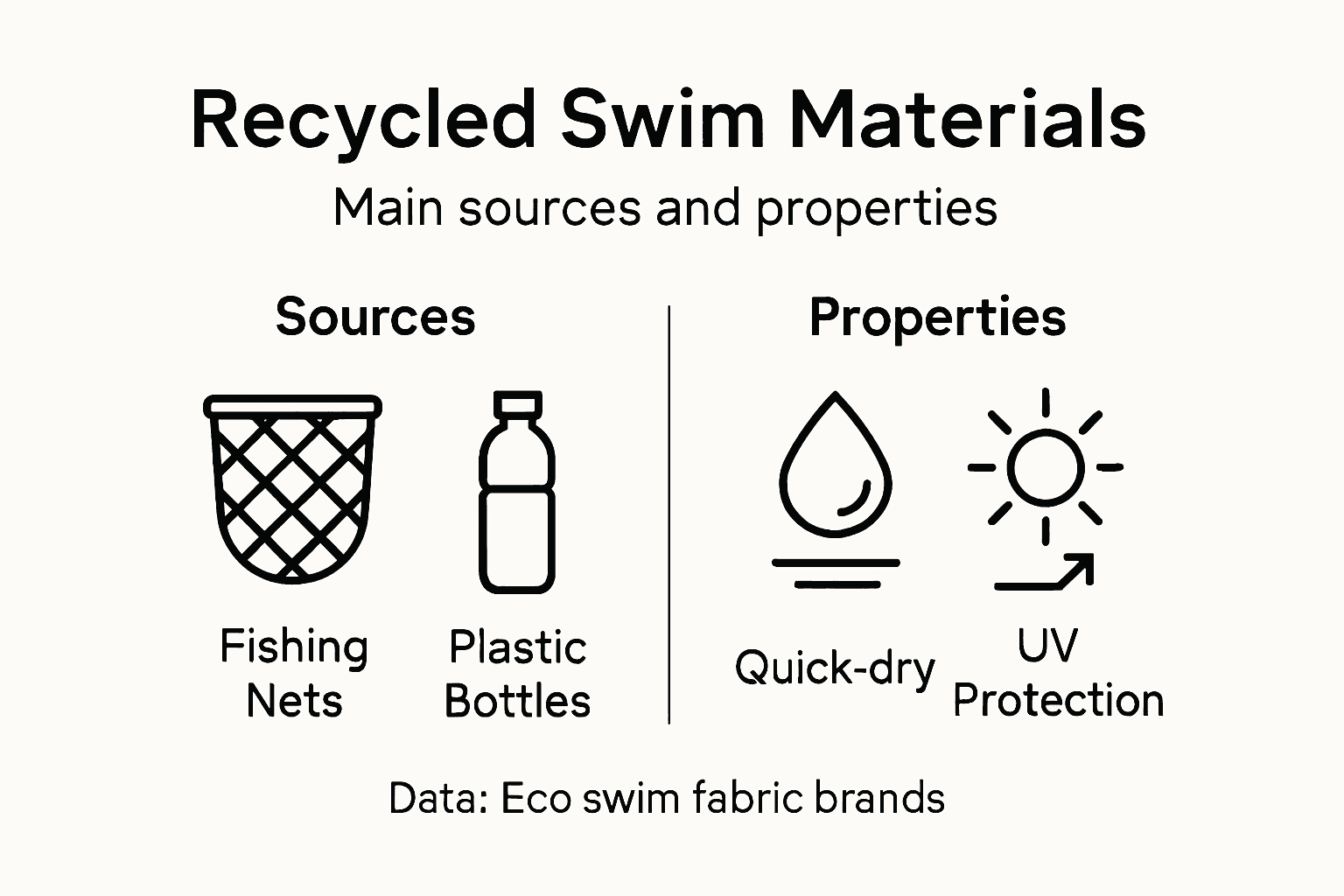
Beyond nylon and polyester, manufacturers are exploring innovative materials like SeaCell™ fabrics, which incorporate natural elements such as wood pulp and seaweed. These cutting-edge textiles offer additional benefits like natural moisture management, UV protection, and enhanced breathability. The diversity of recycled materials means children can enjoy swimwear that is not just environmentally friendly, but also comfortable, stylish, and technically advanced.
Pro tip: When shopping for recycled swimwear, examine the fabric composition label and look for specific percentages of recycled content to ensure you’re making a genuinely sustainable choice.
Here’s how recycled swimwear materials compare:
| Material Type | Source Material | Key Advantages | Notable Properties |
|---|---|---|---|
| ECONYL® Nylon | Fishing nets, plastics | High durability | UPF protection, stretch |
| Recycled Polyester | Plastic bottles | Lower carbon footprint | Quick-drying, resilient |
| SeaCell™ | Seaweed, wood pulp | Moisture management | Breathable, soft feel |
Health and safety benefits for children
Parents increasingly recognize that children’s swimwear is about more than just style and comfort. Non-toxic swimwear solutions offer critical health protections by eliminating harmful chemicals commonly found in conventional swim fabrics, creating a safer experience for young swimmers.
Recycled swimwear materials provide significant health advantages, particularly in terms of skin protection. Many eco-friendly fabrics are engineered with UPF protection, blocking harmful ultraviolet rays that can cause long-term skin damage. These advanced textiles create a protective barrier against sun exposure, reducing the risk of sunburn and potential skin health issues during outdoor activities. The inherent UV-resistant properties mean children can enjoy water play with an additional layer of safety built directly into their swimwear.
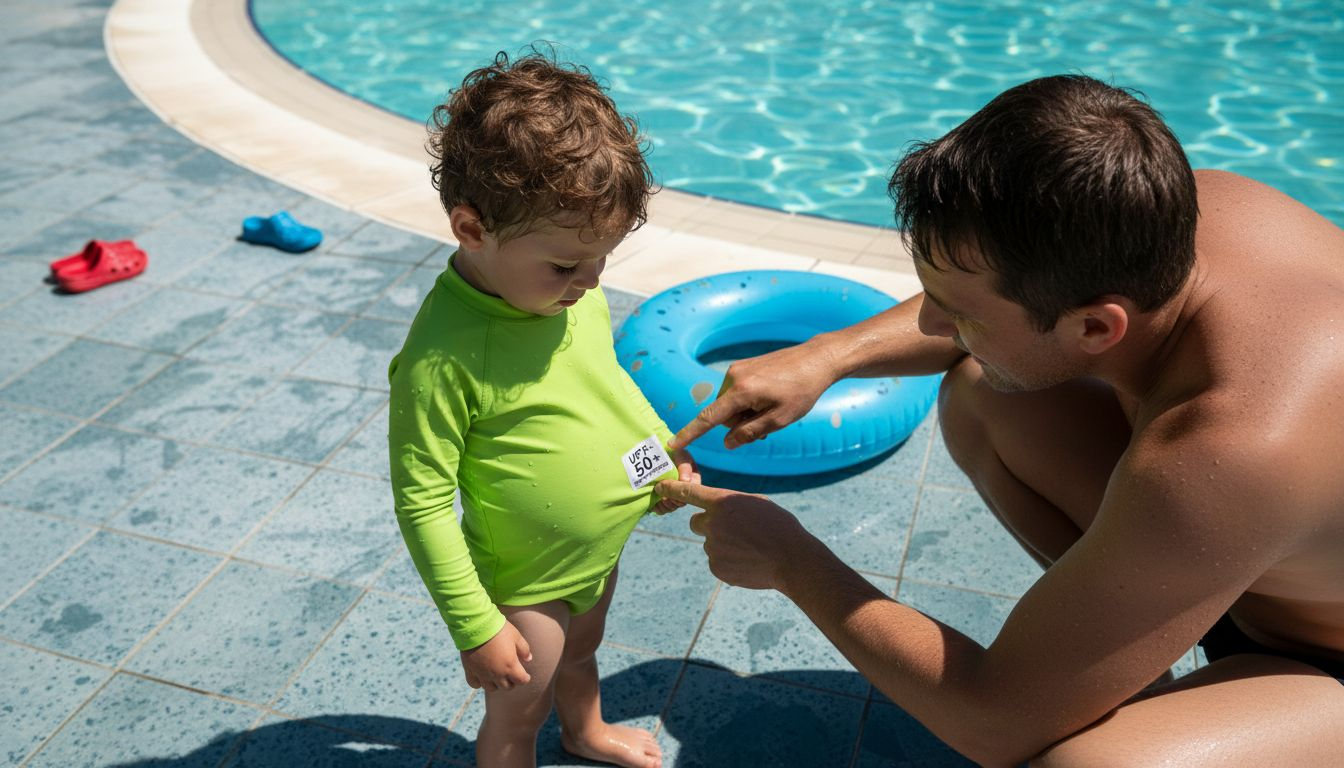
Beyond sun protection, recycled swimwear demonstrates remarkable health-conscious design. Manufacturers prioritize using hypoallergenic materials that minimize skin irritation, making these garments ideal for children with sensitive skin or allergies. The absence of toxic dyes and synthetic chemicals reduces the potential for skin reactions, contact dermatitis, and other health concerns associated with traditional swimwear manufacturing processes. By choosing recycled swimwear, parents invest in their children’s immediate comfort and long-term health.
Pro tip: Always rinse children’s recycled swimwear in cool water after saltwater or chlorine exposure to maintain fabric integrity and prevent potential skin irritation from chemical residues.
Environmental impact and ocean protection
Choosing recycled swimwear represents a powerful strategy for families committed to protecting marine ecosystems and reducing plastic pollution. By transforming discarded fishing nets, plastic bottles, and other ocean waste into high-quality swimwear, manufacturers create a direct pathway to environmental conservation that goes far beyond traditional textile production.
The environmental benefits of recycled swimwear are substantial and multifaceted. Each garment effectively removes potential plastic waste from landfills and oceans, preventing harmful materials from entering marine environments. A single children’s swimsuit can repurpose approximately 10-15 plastic bottles, dramatically reducing the volume of non-biodegradable waste that threatens marine life. This circular approach not only minimizes waste but also dramatically reduces the carbon footprint associated with traditional swimwear manufacturing, consuming significantly less water and energy during production.
Moreover, recycled swimwear supports broader marine conservation efforts by creating economic incentives for waste removal and recycling. Manufacturers who specialize in ocean plastic transformation demonstrate that environmental protection and innovative fashion can coexist harmoniously. By supporting these brands, parents teach children crucial lessons about sustainability, showing that individual consumer choices can have meaningful global impacts. The ripple effect of choosing recycled swimwear extends far beyond a single purchase, contributing to a larger movement of ocean preservation and environmental responsibility.
Pro tip: Encourage your children to learn about ocean conservation by discussing how their recycled swimwear directly helps protect marine ecosystems.
Comparing recycled vs. conventional options
The choice between recycled and conventional swimwear represents more than a simple fashion decision; it’s a critical environmental choice with tangible performance implications. Fabric performance comparisons demonstrate that recycled materials can match traditional swimwear in strength, durability, and overall quality, dispelling myths about sustainability compromising functionality.
Conventional swimwear relies heavily on virgin synthetic plastics, which generate significant environmental consequences. Microplastic pollution from synthetic textiles represents a growing ecological challenge, with each traditional swimsuit potentially shedding hundreds of thousands of microplastic particles during washing and wear. Recycled swimwear offers a compelling alternative by reducing plastic waste, lowering resource extraction, and minimizing the carbon footprint associated with textile production.
A comprehensive comparison reveals multiple advantages of recycled swimwear. While both conventional and recycled options may release microplastics, recycled materials significantly reduce overall environmental impact. The manufacturing process for recycled swimwear consumes less water, generates fewer greenhouse gas emissions, and directly supports circular economy principles. Parents choosing recycled swimwear are not just purchasing a garment, but investing in a more sustainable future for their children, demonstrating that environmental responsibility and high-quality clothing can coexist seamlessly.
See how recycled and conventional swimwear differ across core factors:
| Factor | Recycled Swimwear | Conventional Swimwear |
|---|---|---|
| Environmental Impact | Reduces waste, lower CO2 | High resource use |
| Material | Regenerated plastics | Virgin synthetic fibers |
| Microplastic Risk | Reduced but present | High with washing/wear |
| Durability | Comparable to traditional | Strong but less sustainable |
Pro tip: When comparing swimwear, look beyond initial appearance and check the fabric composition, focusing on recycled content percentage and manufacturing transparency.
How to shop smarter for eco swimwear
Making informed decisions about children’s swimwear requires understanding key sustainability indicators and smart shopping strategies. Parents should prioritize brands that demonstrate transparency in their manufacturing processes, offering clear information about material sourcing, production methods, and environmental commitments.
When evaluating eco-friendly swimwear, look for specific certifications that validate sustainable claims. GOTS (Global Organic Textile Standard) and OEKO-TEX certifications provide reliable indicators of environmentally responsible production. Sustainable material verification becomes crucial, with consumers advised to seek out specific recycled content like ECONYL® regenerated nylon, which transforms waste materials into high-performance textiles. Understanding material composition helps parents avoid greenwashing and make genuinely eco-conscious purchases.
Beyond certifications, smart shoppers should consider the broader impact of their choices. Evaluate brands based on their commitment to circular economy principles, such as offering repair services, recycling programs, or supporting ocean cleanup initiatives. Look for swimwear designed for durability, with reinforced seams and high-quality recycled materials that can withstand multiple seasons of active play. By investing in well-constructed, sustainable swimwear, parents reduce waste and demonstrate a long-term commitment to environmental responsibility.
Pro tip: Create a checklist of sustainability criteria before shopping, including material composition, certifications, brand transparency, and expected durability to make more informed eco-friendly swimwear decisions.
Choose Sustainably Stylish Swimwear for Your Kids Today
The article highlights the real impact of recycled swimwear for kids focusing on environmental protection, health safety, and high-performance materials like ECONYL Nylon and recycled polyester. Many parents want durable, UV-protective swimwear that fosters ocean conservation and reduces plastic waste while keeping their children comfortable and safe. LeClubOriginal.com understands these concerns deeply by offering a curated selection of sustainable swim trunks for boys and men designed with eco-friendly fabrics and a commitment to reducing ocean plastic pollution.
Boldly join the movement that combines fashion with responsibility by exploring our collection of eco-conscious swimwear. Whether you seek stylish new arrivals or outstanding seasonal deals with discounts up to 50%, you can shop with confidence knowing your purchase supports a healthier planet and safer swim experiences. Start your journey toward smarter, greener shopping now by visiting Le Club Original to discover quality products made to last and protect.

Shop sustainable swimwear for kids and men with cutting-edge recycled fabrics and promote environmental stewardship today. Act now to enjoy free shipping on orders over $50 and support a brand that balances style, safety, and sustainability. Visit our store and experience swim trunks that make a positive impact.
Frequently Asked Questions
What are the benefits of recycled swimwear for kids?
Recycled swimwear for kids offers numerous benefits, including reduced carbon emissions, decreased plastic pollution, and enhanced sun protection. These garments are made from eco-friendly materials that provide comfort and durability, making them ideal for active children.
How does recycled swimwear compare to conventional options?
Recycled swimwear is comparable to traditional swimwear in terms of durability and performance. While both may release microplastics, recycled options tend to have a lower overall environmental impact due to their production processes and material sourcing.
What materials are used in recycled swimwear?
Common materials for recycled swimwear include ECONYL® regenerated nylon, derived from ocean plastics and fishing nets, and recycled polyester made from plastic bottles. Some brands also use innovative fabrics like SeaCell™ that incorporate natural elements for added benefits.
How can I ensure I’m buying truly eco-friendly swimwear?
To ensure you’re purchasing eco-friendly swimwear, look for certifications such as GOTS and OEKO-TEX. Check the fabric composition label for specific percentages of recycled content, and be aware of the brand’s transparency regarding their manufacturing processes.