

Finding swimwear that fits your active boy perfectly can feel like solving a puzzle. Too loose and it slips during play; too tight and it restricts movement. Many parents waste money on swimwear that doesn’t fit because they rely on age labels instead of measurements. This guide walks you through precise measuring techniques, fabric considerations, and brand chart navigation to ensure your son’s sustainable swimwear fits comfortably and lasts through every beach adventure.
Table of Contents
- Prerequisites: Tools And Knowledge Needed
- Taking Accurate Body Measurements
- Fabric Considerations For Sizing
- Adjusting Size For Growth And Seasonal Use
- Navigating Size Charts And Brand Variability
- Common Sizing Mistakes To Avoid
- Troubleshooting Fit Issues
- Expected Outcomes And Fit Success Metrics
- Explore Top Sustainable Swimwear For Boys At Le Club Original
- How To Size Swimwear For Boys: Frequently Asked Questions
Key takeaways
| Point | Details |
|---|---|
| Measurement-based sizing | Using body measurements instead of age reduces fit failures by 30% and ensures better comfort. |
| Fabric stretch matters | Sustainable fabrics stretch 10-20%, requiring 1-1.5 inches ease beyond body measurements for optimal fit. |
| Brand-specific charts | Consulting brand size charts cuts fit errors by 35% compared to generic sizing assumptions. |
| Growth adjustments | Boys aged 5-15 can grow 4 inches in 3 months; adding ease accommodates growth spurts. |
| Combined approach | Proper measurement plus fabric consideration yields 90% parent satisfaction with swimwear fit. |
Prerequisites: tools and knowledge needed
Before you start measuring, gather the right tools to ensure accuracy. You’ll need a flexible measuring tape, preferably the soft fabric kind used for sewing. Avoid rigid rulers or metal tapes that won’t conform to body curves. Keep a notepad handy to record measurements immediately.
Understand which measurements matter most. For swim trunks, focus on waist and hip circumference. For one-piece swimsuits or rashguards, add torso length from shoulder through the crotch back to shoulder. Each measurement serves a specific purpose in matching your child to the right size.
Fabric stretch plays a huge role in sizing decisions. Sustainable swimwear made from recycled materials typically stretches 10-20% when wet. This means you can’t simply match measurements exactly to size charts. You’ll need to add ease, usually 1 to 1.5 inches beyond body measurements, to account for stretch and comfort during active play.
Avoid the common trap of sizing by age alone. A 10-year-old can wear anything from size 8 to 12 depending on build and growth patterns. Age labels serve as rough guides, but body measurements paired with brand-specific charts deliver accurate results. Familiarize yourself with how different sustainable swimwear brands structure their size ranges.
Essential tools checklist:
- Flexible fabric measuring tape (60 inches minimum)
- Notepad and pen for recording measurements
- Brand size chart from manufacturer website
- Calculator for unit conversions if needed
Pro Tip: Take measurements in the morning when your child hasn’t eaten a large meal. This gives you the most consistent baseline for waist and hip dimensions.
Taking accurate body measurements
Start with waist measurement at the natural waistline, typically the narrowest point between ribs and hips. Have your child stand relaxed with arms at sides. Wrap the tape snugly but not tight, keeping it parallel to the floor. Record to the nearest half inch or centimeter.
Next, measure hip circumference at the fullest part of the buttocks. This measurement matters especially for loose-fit swim trunks that sit lower on the body. Keep the tape level all the way around and ensure your child stands with feet together for consistency.
For one-piece swimsuits or full-coverage rashguards, you’ll need torso length. Start at the top of one shoulder, run the tape down the front through the crotch, and back up to the starting shoulder point. This prevents suits from being too short and riding up uncomfortably during swimming.
Step-by-step measurement process:
- Have your child wear form-fitting underwear only for accurate readings.
- Take waist measurement at narrowest point, recording in both inches and centimeters.
- Measure hips at fullest point with feet together and weight evenly distributed.
- For torso length, measure from shoulder through crotch to opposite shoulder in one continuous line.
- Double-check each measurement and record immediately to avoid memory errors.
- Cross-reference measurements with step-by-step sizing guide for swim trunks for validation.
Consistency matters more than perfection. Use the same tape measure and measuring technique each time. Keep measurements in a dedicated file or app so you can track growth and reference them when shopping multiple brands. Many parents find it helpful to measure monthly during swim season to catch growth spurts early.
When consulting sizing swim trunks guidance, compare your recorded measurements directly to the chart dimensions rather than converting to age or generic size labels first.
Fabric considerations for sizing
Sustainable swimwear fabrics behave differently than traditional materials. Recycled nylon and polyester fabrics stretch 10-20%, which directly impacts how you should size. When fabric stretches this much, buying exactly to body measurements results in uncomfortably tight swimwear once wet and stretched.
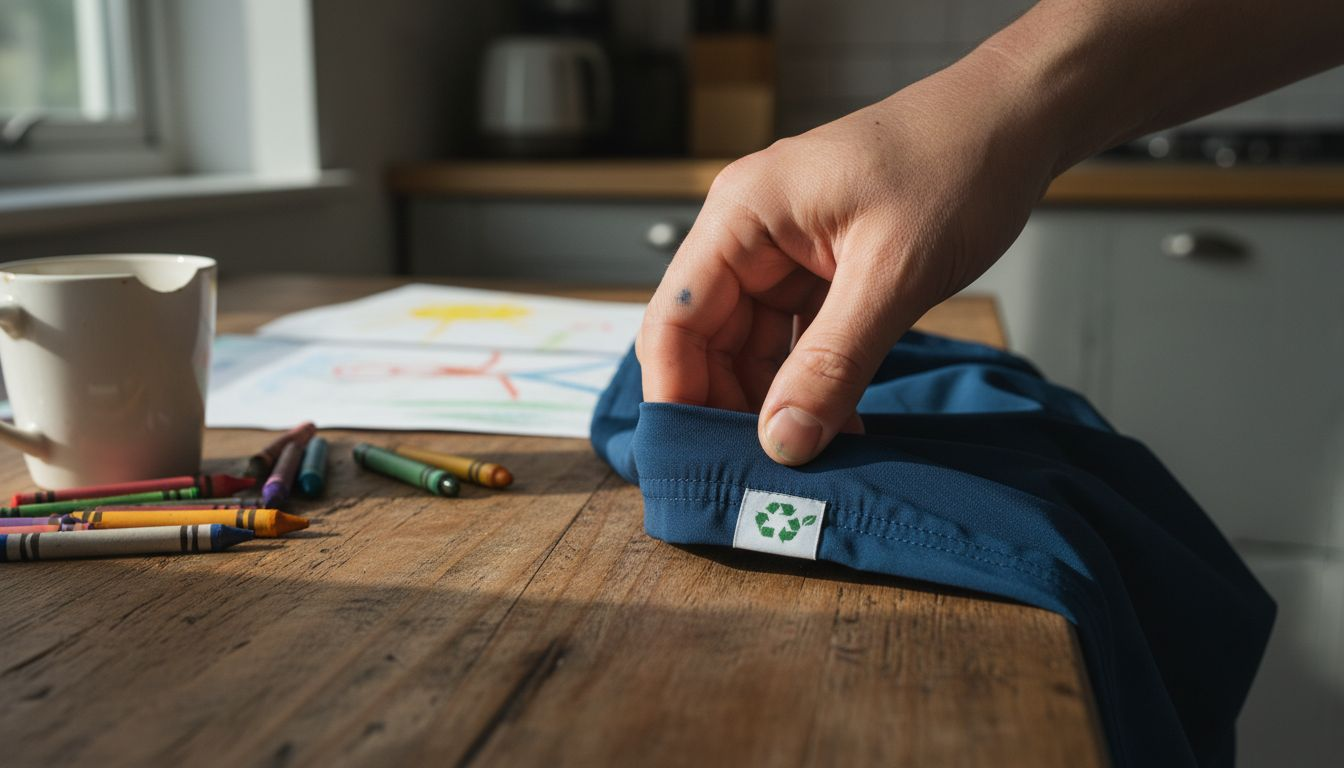
Thicker waistbands common in eco-friendly designs provide better fit retention during diving, jumping, and wave play. These reinforced waistbands resist sagging better than thin elastic, meaning you can size closer to actual measurements without worrying about slippage. However, they may feel snugger initially before breaking in.
Quick-drying properties and chlorine resistance add durability that affects long-term fit. Sustainable fabrics that maintain their shape through repeated pool sessions won’t stretch out prematurely. This means your initial size choice remains accurate longer, justifying the investment in quality sustainable options.
Fabric properties affecting size choice:
- Recycled polyester blends offer 15-20% stretch requiring 1.5 inches ease
- Nylon blends provide 10-15% stretch needing 1 inch ease minimum
- Reinforced waistbands allow closer fit without slippage concerns
- Quick-dry fabrics maintain shape better, reducing size-up needs over season
- UV-protective weaves may feel slightly stiffer, affecting comfort perception
Always add at least 1 inch of ease beyond body measurements when selecting sustainable swimwear. For very active boys who spend hours in the water, consider 1.5 inches to ensure unrestricted movement. This ease allowance accounts for both fabric stretch characteristics and the physical demands of swimming, diving, and beach sports.
Pro Tip: Feel the fabric before buying if possible. Stretch it gently between your fingers to gauge recovery. Fabrics that snap back quickly maintain fit better than those that stay stretched.
Explore various eco swim brands to compare fabric compositions and stretch characteristics before finalizing your size selection.
Adjusting size for growth and seasonal use
Boys experience rapid growth spurts, especially during active summer months. Children can grow up to 4 inches in 3 months during peak growth periods between ages 5 and 15. Planning for this growth prevents having to replace swimwear mid-season.
Add 1 to 1.5 inches of ease to your waist measurement specifically for growth accommodation. This buffer ensures swimwear purchased at the season start still fits comfortably by season end. For boys at the beginning of a growth spurt, lean toward the higher end of this range.
Consider how frequently your family swims and how long your season lasts. Weekly pool visits over a four-month summer require more growth allowance than occasional vacation wear. Adjustable features like drawstring waistbands provide flexibility as measurements change, making them worth seeking out in sustainable options.
Growth and seasonal sizing guidelines:
- For 3-4 month swim seasons, add 1 inch minimum ease for anticipated growth
- During active growth years (ages 8-12), add 1.5 inches for safety margin
- Choose adjustable waistband styles to accommodate 2-3 inch waist changes
- Plan replacement timing based on growth tracking from previous seasons
- Consider buying early-season and late-season sizes for heavy swimmers
Drawstrings and elastic waistbands with multiple adjustment points offer the best flexibility. These features let you fine-tune fit as your child grows without compromising the initial proper fit. Look for reinforced drawstring channels that won’t tear out with repeated adjustments.
Balance current comfort with future fit by selecting a size that fits well now with the ease allowance built in. Swimwear that’s too large creates drag in water and discomfort on land. Finding the sweet spot between current fit and growth room maximizes value and wearability.
Navigating size charts and brand variability
Brand-specific size charts reduce fit errors significantly. Using these charts instead of generic sizing assumptions cuts mistakes by 35%, saving you returns and exchanges. Each sustainable swimwear brand develops sizing based on their target customer and fit philosophy, creating substantial variation between labels.
Compare your child’s measurements directly to the dimensions listed in brand charts rather than converting to age or generic size first. If a chart shows size 10 fits waist 26-27 inches and your child measures 26.5 inches, that’s your starting point regardless of whether your child is 8 or 11 years old.

When size charts seem unclear or measurements fall between sizes, contact customer support before ordering. Most sustainable brands provide personalized sizing advice and have detailed fit knowledge about their specific styles. This five-minute conversation prevents costly mistakes.
Size chart navigation strategies:
- Always use brand charts from official website, not third-party retailers
- Compare measurements to chart dimensions, ignoring age recommendations
- When between sizes, size up for growth and comfort during active play
- Note any fit comments from customer reviews mentioning runs small or large
- Create comparison spreadsheet for families shopping multiple brands
| Brand Approach | Waist Range (Size 10) | Hip Range (Size 10) | Best For |
|---|---|---|---|
| Fitted athletic | 25-26 inches | 27-28 inches | Competitive swimmers |
| Standard fit | 26-27 inches | 28-29 inches | General beach play |
| Relaxed comfort | 27-28 inches | 29-30 inches | Casual swimmers |
Reference sizing swim trunks guide and eco swim brand guides to understand how different sustainable brands approach sizing philosophy and fit.
Common sizing mistakes to avoid
Relying solely on age-based sizing leads to fit failures in 30% of purchases. A size labeled for 10-year-olds might fit children from age 8 to 12 depending on individual growth patterns. This variance makes age an unreliable sizing metric. Always start with body measurements instead.
Buying swimwear too large causes problems in 22% of cases. Parents often size up dramatically for growth, resulting in swimwear that slips, creates drag in water, and looks sloppy. The proper approach adds 1-1.5 inches ease, not multiple sizes up.
Using rigid tape measures or incorrect measuring techniques produces inaccurate data. Flexible fabric tapes conform to body contours while metal or wooden rulers create gaps and errors. Measuring technique matters as much as the tool itself.
Critical mistakes to avoid:
- Never rely on age labels as primary sizing guide; use body measurements first
- Don’t buy multiple sizes larger thinking it saves money; causes discomfort and replacement
- Avoid measuring over bulky clothing that adds inches to actual body dimensions
- Never ignore fabric stretch properties when translating measurements to size selection
- Don’t skip measuring torso length for one-piece suits; prevents riding up or sagging
Neglecting fabric stretch considerations creates fit problems after first wear. Sustainable fabrics that stretch 10-20% need ease allowance built into size selection. Without this, swimwear either feels too tight when wet or becomes saggy after multiple wears as fabric relaxes.
Skipping torso length measurement for one-piece swimsuits or rashguards causes riding up during activity or uncomfortable sagging. This single measurement prevents the most common one-piece fit complaints and takes only seconds to capture.
Troubleshooting fit issues
Adjustable waistbands solve many fit problems without returns. If swimwear feels slightly loose, tighten the internal drawstring for a customized fit. This feature provides several inches of adjustment range, accommodating both current fit needs and future growth.
Allow multiple fitting sessions before finalizing your purchase decision. Have your child wear the swimwear around the house, do jumping jacks, and simulate swimming motions. This reveals fit issues that aren’t apparent during a quick static try-on. Check for riding up, slipping, or restriction during movement.
Understand that fabric recovery affects fit over time. Sustainable materials may feel snug initially but relax slightly after first wear and wash. If swimwear feels barely too tight on first try, it may fit perfectly after one pool session as fabric breaks in.
Quick troubleshooting fixes:
- Tighten adjustable waistbands or drawstrings for loose fits at waist
- Try different leg opening styles if thighs feel restricted or too loose
- Exchange for next size up if fabric feels uncomfortably tight when stretched
- Consider different brands if consistent sizing issues occur across multiple purchases
- Address early discomfort signs immediately rather than hoping fit improves
Pro Tip: Take photos of your child wearing the swimwear from front, back, and side angles. Review these to spot fit issues like sagging, pulling, or bunching that you might miss in person.
Monitor for early warning signs of poor fit during first few wears. Swimwear that leaves red marks, requires constant adjustment, or causes your child to complain needs addressing. Don’t wait for problems to worsen. Many brands offer exchange policies that require prompt notification of fit concerns.
Expected outcomes and fit success metrics
Properly sized swimwear stays in place during active play without slipping down or riding up. Your child should be able to swim, dive, and run on the beach without needing to adjust swimwear constantly. This freedom of movement indicates correct sizing and appropriate ease allowance.
The 1 to 1.5 inch ease allowance ensures comfort without excess fabric. You should be able to slip two fingers comfortably inside the waistband when swimwear is fastened. Any tighter restricts circulation and movement; any looser risks slipping during activity.
Ninety percent of parents report satisfaction when they combine accurate body measurements with fabric stretch considerations in size selection. This high success rate demonstrates the effectiveness of the measurement-based approach over age-based guessing.
| Success Indicator | Target Metric | How to Measure |
|---|---|---|
| Waistband fit | 2-finger clearance | Slip fingers inside waistband when fastened |
| Freedom of movement | No adjustment needed | Child can swim/play 30 minutes without pulling at swimwear |
| Growth accommodation | Fits 3-4 months | Swimwear remains comfortable through full season |
| Parent satisfaction | 90%+ approval | No returns, exchanges, or complaints |
| Reduced waste | Single purchase per season | No replacement needed mid-season |
Reduced returns and exchanges signal sizing success. If your child wears the swimwear all season without needing replacement or expressing discomfort, you’ve achieved optimal fit. This outcome also maximizes the sustainability benefits of choosing eco-friendly swimwear.
Sustainability and proper sizing work together. When swimwear fits correctly and accommodates growth, it gets worn more frequently and lasts longer. This extended use reduces waste and maximizes the environmental benefits of choosing sustainable materials. Learn more about eco swimwear benefits and how proper fit enhances these advantages.
Explore top sustainable swimwear for boys at Le Club Original
Now that you understand precise sizing techniques, put this knowledge into action with Le Club Original’s collection of sustainable swimwear designed specifically for active boys. Our eco-friendly swim trunks combine recycled materials with thoughtful sizing that accommodates growth and movement.

Discover our curated selection of top sustainable swimwear for boys featuring the best options for 2026. Each style includes detailed size charts and fabric specifications to help you apply the measurement techniques from this guide. Our customer support team provides personalized sizing assistance to ensure your first purchase fits perfectly.
Extend the life of your sustainable swimwear investment by following proper care practices. Learn how to wash swimwear sustainably to maintain fabric stretch properties and color vibrancy through multiple seasons. Proper care paired with smart sizing delivers maximum value and environmental benefit.
How to size swimwear for boys: frequently asked questions
What’s the quickest fix if swimwear is slightly too loose?
Tighten the internal drawstring or adjust elastic waistband settings first. Most sustainable swimwear includes adjustment features that provide 2-3 inches of customization range without alterations.
How do I convert measurements between inches and centimeters for international brands?
Multiply inches by 2.54 to get centimeters, or divide centimeters by 2.54 for inches. Most brand size charts display both units, eliminating conversion needs.
Does washing affect swimwear fit and sizing over time?
Proper care maintains fit, but harsh detergents and high heat cause fabric degradation and size changes. Follow care label instructions and air dry to preserve original sizing.
How often should I re-measure during active growth periods?
Measure monthly during swim season for boys aged 8-12 experiencing rapid growth. This catches size changes early and informs replacement timing.
Do adjustable waistbands eliminate the need for precise measuring?
No, precise measurements remain essential for selecting the base size. Adjustable features fine-tune fit but can’t compensate for choosing a size several inches off from body measurements.
How do eco-friendly fabric durability and sizing choices connect?
Durable sustainable fabrics maintain their shape and stretch properties longer, meaning your initial size selection stays accurate through more wears. This durability justifies careful sizing since the swimwear lasts multiple seasons.