

Every time you wash synthetic swimwear, thousands of microplastic fibers escape into waterways and eventually reach the ocean. These tiny particles persist for centuries, harming marine life and entering food chains. Sustainable swimwear offers a powerful solution by using recycled ocean plastics and biodegradable materials that break down significantly faster. This guide shows you how to choose stylish, eco-friendly options that actively support ocean conservation while expressing your personal style.
Table of Contents
- Understanding Ocean Pollution From Fashion
- Innovations In Sustainable Swimwear Materials
- How Brands Support Ocean Conservation
- Common Misconceptions About Fashion’s Role In Ocean Conservation
- Framework For Choosing Sustainable Swimwear
- Making A Positive Impact With Your Fashion Choices
- Explore Stylish Sustainable Swimwear At Le Club Original
Key Takeaways
| Point | Details | |-------|---------|| | Synthetic fibers dominate ocean microplastics | Fashion contributes up to 35% of primary microplastic pollution in marine environments. | | Recycled materials reduce virgin plastic demand | Swimwear from ocean plastics lowers new production by up to 60% per garment. | | Biodegradable textiles degrade faster | These materials break down 70% quicker in marine conditions compared to conventional fabrics. | | Brand donations fund conservation | Leading sustainable brands donate 1-2% of revenue to ocean protection initiatives. | | Proper care extends garment life | Eco-friendly washing and storage practices reduce microfiber shedding by half. |
Understanding Ocean Pollution from Fashion
Most people assume ocean pollution comes from beach litter or industrial dumping. In reality, 80% of marine debris originates on land, and textile fibers play a surprisingly significant role. When you wash conventional swimwear made from polyester or nylon, each cycle releases up to 700,000 microfibers into water systems. These particles are too small for filtration plants to capture, flowing directly into rivers and oceans.
Synthetic materials persist in marine environments for hundreds of years. Fish and seabirds mistake these fibers for food, leading to internal injuries and toxin accumulation that moves up the food chain to humans. Beyond microplastic release, fashion’s water consumption and chemical runoff from textile dyeing further stress ocean ecosystems.
The fashion industry generates approximately 20% of global wastewater, much of which contains harmful dyes and chemicals that eventually reach coastal waters.
Conventional swimwear production relies heavily on virgin petroleum-based plastics. Manufacturing these materials requires massive energy inputs and releases greenhouse gases that accelerate ocean acidification. The environmental impact of swimwear extends far beyond what you see on the surface, creating a cascade of interconnected problems for marine health.
Innovations in Sustainable Swimwear Materials
The sustainable fashion revolution has produced remarkable material innovations that directly combat ocean pollution. Recycled ocean plastics transform waste into functional fabrics, removing existing pollution while reducing demand for virgin materials by up to 60%. These recycled fibers perform identically to conventional polyester but with a fraction of the environmental footprint.
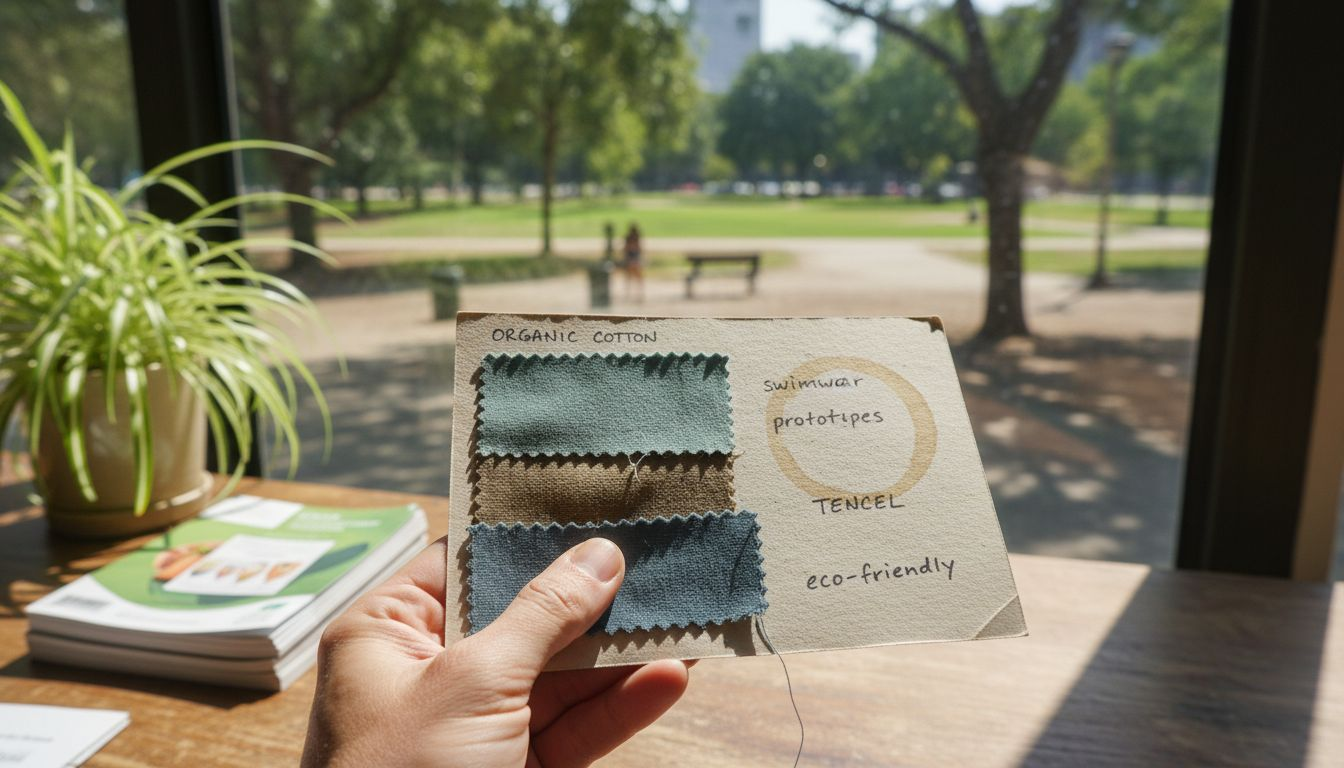
Biodegradable textiles represent another breakthrough. Materials like Tencel, organic cotton blends, and newer plant-based synthetics break down 70% faster in marine environments compared to traditional fabrics. When these garments eventually reach end of life, they decompose into harmless organic compounds rather than persisting as pollution for centuries.
| Material Type | Water Footprint | Microplastic Shedding | Marine Breakdown Time |
|---|---|---|---|
| Conventional Polyester | High (132 gallons/lb) | 700,000 fibers/wash | 200+ years |
| Recycled Ocean Plastic | 90% lower | 400,000 fibers/wash | 200+ years |
| Biodegradable Textiles | 70% lower | Minimal natural fibers | 1-5 years |
Sustainable manufacturing processes further reduce environmental impact. Closed-loop water systems recycle up to 95% of water used in production. Low-impact dyes and chemical-free treatments eliminate toxic runoff that damages coral reefs and marine habitats.
Pro Tip: Always check for third-party certifications like GOTS, OEKO-TEX, or Global Recycled Standard when evaluating biodegradability claims and recycled content percentages.
How Brands Support Ocean Conservation
Your swimwear purchase can directly fund ocean protection initiatives. Leading sustainable brands typically donate 1-2% of revenue to marine conservation organizations, generating millions annually for reef restoration, plastic cleanup, and habitat protection. This financial support creates measurable impact beyond just selling eco-friendly products.
Partnerships between fashion brands and environmental NGOs amplify conservation efforts. Collaborations fund beach cleanups, support marine research, and educate communities about ocean health. When you choose brands committed to ocean conservation, you join a larger movement that combines consumer power with scientific expertise.
The sustainable fashion market now generates over $6 billion annually, with significant portions directed toward environmental causes. This creates a positive feedback loop where consumer demand for eco-friendly options increases brand investment in conservation programs. Higher sales mean more funding for ocean protection, which in turn attracts more environmentally conscious consumers.
Prominent swimwear brands supporting ocean conservation include:
- Companies partnering with Ocean Conservancy for annual cleanup events
- Brands donating proceeds to Coral Reef Alliance for reef restoration
- Labels funding Surfrider Foundation’s water quality testing programs
- Organizations supporting Sea Shepherd’s marine wildlife protection
This ecosystem of support transforms fashion from a pollution contributor into an active conservation partner.
Common Misconceptions About Fashion’s Role in Ocean Conservation
Many consumers believe buying sustainable swimwear alone solves the ocean pollution problem. While material choice matters enormously, the full lifecycle impact depends equally on how you care for and dispose of garments. Washing frequency, water temperature, and eventual recycling determine whether your eco-friendly purchase delivers its promised environmental benefits.
Another widespread myth suggests visible plastic waste causes most ocean microplastic pollution. In reality, washing synthetic textiles generates 35% of primary microplastics in marine environments, far exceeding contributions from bottles and bags. The invisible nature of fiber shedding makes it easy to overlook, yet it represents one of fashion’s most significant environmental impacts.
Not all sustainable fabrics offer equal ocean benefits:
- Bamboo rayon requires harsh chemical processing that can harm aquatic ecosystems despite plant-based origins
- Organic cotton uses less pesticides but still demands substantial water resources
- Hemp and linen biodegrade quickly but lack the stretch needed for functional swimwear
- Recycled polyester reduces virgin plastic use but still sheds microfibers during washing
- Certified biodegradable synthetics balance performance with faster marine breakdown
Understanding these nuances helps you make truly informed decisions rather than falling for greenwashing claims. A holistic view considers raw materials, manufacturing processes, garment longevity, care requirements, and end-of-life options together.
Framework for Choosing Sustainable Swimwear
Evaluating swimwear sustainability requires examining multiple factors beyond surface-level marketing claims. Start by investigating the material composition and verifying recycled content percentages or biodegradability certifications through independent third parties. Genuine sustainable brands provide transparent supply chain information and detailed environmental impact data.
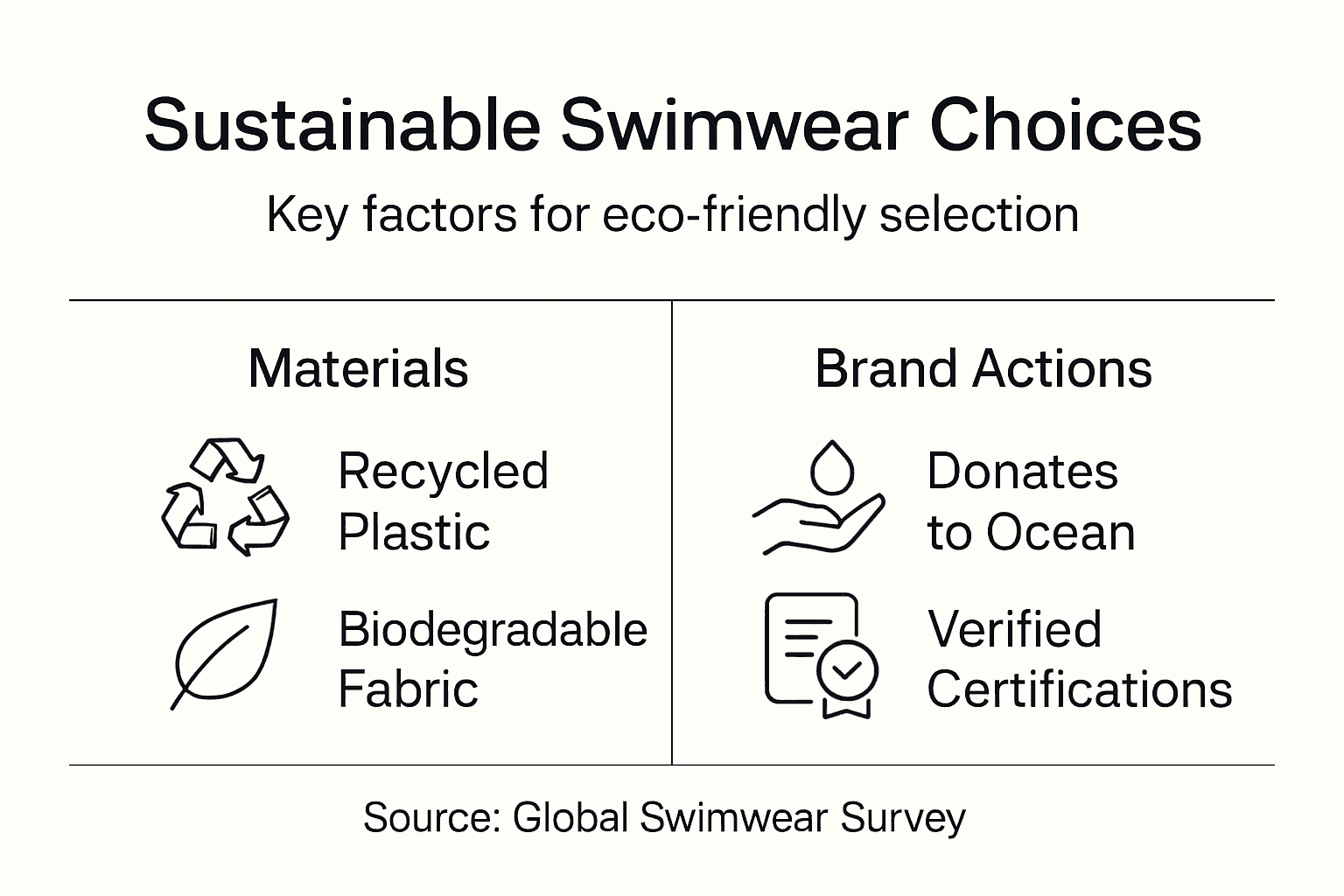
Brand commitment to ocean conservation funding signals authentic values versus performative marketing. Look for specific donation amounts, partner organizations, and measurable outcomes from conservation programs. Companies serious about environmental impact publicly report their contributions and progress toward sustainability goals.
| Criteria | Recycled Ocean Plastic | Biodegradable Textiles | Conventional Swimwear |
|---|---|---|---|
| Reduces virgin plastic demand | Excellent (60% reduction) | Moderate | None |
| Marine breakdown speed | Poor (200+ years) | Excellent (1-5 years) | Poor (200+ years) |
| Durability for active use | Excellent | Good | Excellent |
| Microfiber shedding | Moderate | Low | High |
| Manufacturing water use | Low | Low | High |
| Price point | Mid to high | Mid to high | Low to mid |
Consider your personal use patterns when balancing trade-offs. Frequent swimmers benefit from durable recycled materials that withstand chlorine and saltwater exposure. Occasional beachgoers might prioritize faster-degrading options. Your specific needs and values should guide material selection.
Pro Tip: Durability and biodegradability often work against each other, so choose based on whether you need swimwear lasting many seasons or prefer faster environmental breakdown at end of life.
Making a Positive Impact with Your Fashion Choices
Transforming knowledge into action starts with your next swimwear purchase. Prioritize garments made from recycled ocean plastics or certified biodegradable materials from brands with verified conservation partnerships. This single decision supports multiple positive outcomes simultaneously: reducing virgin plastic production, funding ocean cleanup initiatives, and encouraging industry-wide sustainable practices.
Adopting eco-friendly garment care practices maximizes your swimwear’s environmental benefits. Wash less frequently using cold water and guppyfriend bags that capture microfibers before they reach waterways. Air dry instead of using energy-intensive dryers. These simple habits cut microplastic pollution by half while extending garment lifespan.
Practical steps for ocean-positive fashion choices:
- Select swimwear with Global Recycled Standard or GOTS certification for verified sustainable materials
- Research brand transparency reports and conservation partnership details before purchasing
- Invest in quality pieces that last multiple seasons rather than fast fashion alternatives
- Use microfiber-catching laundry bags and wash in cold water to minimize fiber shedding
- Participate in brand take-back programs that recycle old swimwear into new products
- Share your sustainable fashion journey on social media to inspire others
- Support local beach cleanups and ocean conservation initiatives in your community
Your purchasing power sends market signals that drive industry transformation. When sustainable options consistently outsell conventional alternatives, manufacturers respond by expanding eco-friendly lines and improving environmental practices across their operations.
Pro Tip: Regularly check your favorite sustainable brands for recycling programs and conservation events where you can contribute beyond your initial purchase.
Explore Stylish Sustainable Swimwear at Le Club Original
Ready to make a difference with your next beach outfit? Le Club Original offers men’s and boys’ swimwear crafted from eco-friendly materials that combine style with ocean conservation. Our collections feature recycled fabrics and sustainable production methods that significantly reduce environmental impact without compromising on design or performance.

Discover how easy it is to shop sustainably with our comprehensive green swimwear buying guide that walks you through material selection and brand evaluation. Learn proper maintenance techniques in our swimwear care guide to extend garment life and minimize microplastic release. Explore the full benefits of choosing eco-friendly swimwear for yourself and the planet. Every purchase supports our commitment to protecting the oceans we all love.
FAQ
What fabrics are best for eco-friendly swimwear?
Recycled ocean plastics and certified biodegradable textiles like Tencel represent the most sustainable swimwear options. Recycled materials remove existing pollution while biodegradable fabrics break down 70% faster in marine environments compared to conventional synthetics.
How can I ensure my swimwear supports ocean conservation?
Choose brands with transparent sustainability practices and verified donations to marine conservation organizations. Extend your impact by following eco-friendly care practices like cold water washing and participating in brand recycling programs.
Are biodegradable swimwear fabrics always better for the ocean?
Not necessarily, as biodegradability varies significantly between materials and marine conditions. Always verify third-party certifications confirming breakdown rates. Balance faster degradation with durability needs to avoid premature disposal that wastes resources.
Does washing sustainable swimwear still release microplastics?
Even recycled synthetic swimwear sheds some microfibers during washing, though typically 40% less than conventional fabrics. Use guppyfriend bags and wash less frequently in cold water to capture fibers and minimize release into waterways.
How much difference does one sustainable swimwear purchase make?
A single recycled swimwear item prevents approximately 11 plastic bottles from entering oceans and reduces carbon emissions equivalent to driving 3 miles. Multiplied across millions of consumers, individual choices create massive collective impact on ocean health.