

Finding swimwear that reflects your values can feel tough when you care about style and the planet. With every trip to the beach, eco-conscious men want options that look good and push back against ocean plastic pollution. Minimal environmental impact is what sets real sustainable trunks apart, from using recycled materials to fair labor and durable construction that lasts summer after summer. Get clear on what genuine eco-conscious swimwear means so your next pair does more than just look great.
Table of Contents
- What Eco-Conscious Swimwear Really Means
- Types Of Sustainable Swimwear Materials
- How Eco Swimwear Reduces Ocean Pollution
- Key Features And Benefits For Consumers
- Choosing Authentic Eco-Friendly Swimwear Brands
Key Takeaways
| Point | Details |
|---|---|
| Eco-Conscious Definition | Eco-conscious swimwear utilizes recycled materials and ethical production methods to minimize environmental impact. |
| Materials Matter | Look for sustainable fabrics like recycled nylon, ECONYL, or organic cotton and verify certifications before purchasing. |
| Avoid Greenwashing | Authentic brands provide transparency about their sourcing, manufacturing practices, and certification status; always check for these details. |
| Long-Term Benefits | Investing in durable, high-quality swimwear leads to better performance and savings over time, benefiting both the environment and your wallet. |
What Eco-Conscious Swimwear Really Means
Eco-conscious swimwear isn’t a vague marketing term thrown around by brands trying to sound responsible. It refers to swimsuits designed with minimal environmental impact, using recycled fabrics and ethical production methods instead of virgin petroleum-based fibers. Think of traditional swimwear as the old playbook: extract plastic from oil, manufacture it with energy-intensive processes, ship it across the globe, and watch it end up in landfills or ocean gyres within a few years. Eco-conscious swimwear flips this entire model. The materials come from existing sources like recycled fishing nets, plastic bottles, or regenerated fibers. The production process prioritizes energy efficiency. Fair labor practices protect workers throughout the supply chain. And the garment itself is built to last, meaning you actually wear it long enough to justify its existence.
What separates genuine eco-conscious swimwear from greenwashing comes down to specific characteristics. You’re looking for durable construction that withstands multiple seasons of use, not cheap, thin fabric that tears after a summer or two. The manufacturing process should minimize water waste and chemical pollution. Fair labor practices mean workers earn living wages and work in safe conditions, not sweatshops hidden behind feel-good marketing. Eco-friendly packaging matters too—minimal plastic, recyclable materials, or compostable alternatives. When you examine these elements together, you get a complete picture. It’s not just about what the swimwear is made from, but how it’s made, who makes it, and how long you’ll actually keep it in your rotation. A sustainably produced swimsuit that sits unworn in your drawer is still waste. A well-made piece you reach for summer after summer? That’s genuinely eco-conscious.
For men navigating this space, understanding these foundations helps you make purchases that align with your values without sacrificing style. Whether you’re drawn to eco-consciousness because of ocean plastic pollution, labor ethics, or reducing your personal carbon footprint, knowing what to look for ensures your money supports actual environmental progress. Brands making real commitments to sustainability won’t hide these details. They’ll show you their manufacturing practices, material sourcing, and labor certifications. They know that guys like you care enough to ask the hard questions.
Pro tip: Check product pages for specific material sourcing and manufacturing certifications rather than relying on vague “eco-friendly” labels alone; brands committed to real sustainability provide detailed transparency about where and how their swimwear is made.
Types of Sustainable Swimwear Materials
When you’re shopping for eco-conscious swimwear, you’re really choosing between a handful of materials that actually perform well while reducing environmental damage. The most common option you’ll encounter is recycled nylon, often sourced from discarded fishing nets and industrial plastic waste. This material gets a second life instead of sitting in landfills or choking marine ecosystems. Then there’s ECONYL, a regenerated nylon specifically engineered from ocean waste and textile scraps. Both materials maintain the stretch and durability swimmers need, which means your trunks won’t lose their shape after a few beach days. Another popular choice is recycled polyester, frequently made from plastic bottles through a process that significantly reduces water consumption and energy use compared to virgin polyester production.
Beyond synthetics, you’ve got plant-based options worth considering. Tencel (also called Lyocell) comes from sustainably grown eucalyptus and uses a closed-loop production process that recycles 99% of its solvents, making it far gentler on water systems than conventional fabric manufacturing. Organic cotton eliminates pesticides from the equation and reduces chemical runoff that kills marine life. Hemp is another option gaining traction—it grows without pesticides, requires minimal water, and produces incredibly durable fibers. Recycled polyester fabrics maintain excellent performance characteristics while lowering carbon emissions and preventing microplastic shedding. The choice between synthetic and plant-based really depends on your priorities. Recycled synthetics excel at stretch and durability, while natural fibers offer biodegradability and lower chemical impact during growth.
Here’s what matters most: check for certification labels on product pages before buying. Look for standards like Global Organic Textile Standard (GOTS) for cotton, or third-party certifications that verify material sourcing and manufacturing practices. Brands using quality sustainable materials will display these credentials proudly because they’ve paid for the verification. Don’t get fooled by vague “eco-friendly” claims without backing—real sustainability has paperwork. The best material for your situation balances performance with your values. If durability matters most because you wear your swimwear constantly, recycled nylon and polyester deliver. If you prioritize biodegradability and minimal chemical use, organic cotton or hemp align better with your goals. The material itself tells you something important about the brand’s commitment too.
Pro tip: Compare the certifications and sourcing details across brands rather than choosing based solely on material type, since two pairs using the same fabric can have vastly different environmental impacts depending on manufacturing practices and production location.
Here’s a quick comparison of popular sustainable swimwear materials and their unique strengths:
| Material | Best Performance Attribute | Environmental Advantage | Typical Certification |
|---|---|---|---|
| Recycled Nylon | Excellent stretch, durable fit | Diverts waste from oceans/landfills | GRS, ECONYL® |
| ECONYL | Maintains shape after washes | Made from ocean/industrial waste | ECONYL® Certified |
| Recycled Polyester | Quick-drying, retains color | Lower carbon and water usage | GRS, OEKO-TEX |
| Tencel (Lyocell) | Soft, highly breathable | Closed-loop, low water impact | FSC, OEKO-TEX |
| Organic Cotton | Comfortable, skin-friendly | Pesticide-free cultivation | GOTS, OEKO-TEX |
| Hemp | Very durable, UV resistance | Grows with minimal input | USDA Organic, OEKO-TEX |
How Eco Swimwear Reduces Ocean Pollution
Every time you wash traditional synthetic swimwear, invisible plastic fibers shed into the water system. Research from Arizona State University reveals that swimwear is a surprising but significant source of microplastic pollution in both freshwater and ocean environments. These microfibers pass through water treatment systems designed to catch larger particles and end up in rivers, lakes, and eventually the ocean. Fish and other marine organisms mistake them for food, which damages their digestive systems and enters the food chain. One pair of conventional swim trunks might release thousands of microplastic particles per wash. Over a decade of regular swimming and laundering, that’s millions of particles your casual beach habit contributes to ocean pollution. The scale seems invisible because you’re not seeing it, but the cumulative impact across billions of swimmers worldwide is staggering.
Eco-conscious swimwear tackles this problem at multiple angles. By using recycled and regenerated fabrics instead of virgin synthetic materials, these alternatives reduce the demand for new plastic production. They also significantly lower microplastic shedding during washing compared to traditional polyester and nylon. The fibers are engineered to be more stable and less prone to breaking apart in water. But the pollution reduction goes beyond just the material itself. Brands committed to sustainability also encourage you to adopt better washing practices, like using cold water and air drying rather than machine washing, which reduces fiber release even further. When millions of men make this switch and adopt these habits, the collective impact on ocean health becomes measurable. You’re not just buying different swimwear; you’re breaking a cycle that’s been feeding plastic pollution into marine ecosystems for decades.

The math is straightforward: less virgin plastic extraction means fewer resources wasted and less raw material entering production systems. Fewer microplastics shedding means cleaner water for fish and marine ecosystems. Better manufacturing practices mean reduced chemical runoff during production. This isn’t about one person solving ocean pollution alone. It’s about shifting what “normal” swimming looks like when you have millions of conscious consumers making the same choice. Every pair of eco-conscious swim trunks you wear and wash represents a direct reduction in microplastic pollution. Over time, that compounds into real environmental change. The ocean doesn’t care about perfect individual choices. It cares about volume and trends, and consumer choices drive trends. Your swimwear selection matters more than you’d expect.
Pro tip: Wash your eco-conscious swim trunks in cold water and let them air dry instead of machine drying; this prevents additional fiber shedding and extends the life of the material, multiplying your pollution reduction impact over the garment’s lifespan.
Key Features and Benefits for Consumers
When you invest in eco-conscious swimwear, you’re getting more than just a feel-good purchase. These pieces are built with superior durability that outperforms conventional swim trunks in real-world conditions. High-quality recycled materials like ECONYL and recycled polyester maintain their elasticity and color far longer than virgin synthetics. Your trunks won’t fade to a ghostly pale after one summer of beach trips. They resist chlorine damage, handle saltwater without degrading, and dry quickly so you’re not sitting around wet and uncomfortable after a swim. Sustainable swimwear fabrics offer UV protection built into the material itself, meaning your skin gets better sun defense without relying on additional chemical coatings. The fit stays consistent through repeated wear because the fibers don’t lose their stretch properties like cheaper materials do. This isn’t marketing speak; it’s the practical reality of wearing quality construction versus disposable fashion.
Beyond performance, there’s a genuine health component. Traditional swimwear manufacturing relies on harsh chemicals that can irritate skin, especially if you have sensitivities. Eco-conscious production eliminates many of these problematic substances, meaning less chemical exposure for you. Your skin stays healthier, reactions decrease, and you avoid the itching and discomfort that sometimes comes with conventional swim trunks. The breathable fabrics used in sustainable options also improve comfort during extended wear. You’re not overheating or feeling restricted by thick, non-breathing material. Supporting fair labor practices means you’re also supporting the people who made your swimwear, knowing they earned fair wages and worked in safe conditions rather than in exploitative sweatshops. This aspect might seem disconnected from your personal benefit, but it matters psychologically. Wearing something knowing it was made ethically creates a different relationship with the product than buying something you suspect came from questionable practices.
The broader consumer benefit extends to your wallet over time. Yes, eco-conscious swimwear costs more upfront than disposable fast-fashion alternatives. But durability changes the math dramatically. A high-quality pair lasts multiple years of regular use, while cheaper options might give you one or two seasons before the elastic fails or the color fades beyond recognition. Calculate the cost per wear over three to five years, and sustainable options become the smarter financial choice. You’re also voting with your purchase. Every eco-conscious swimwear sale signals market demand for sustainable production, which pushes the entire industry toward better practices. Your individual choice compounds with millions of others to create real systemic change in how fashion gets made.
Pro tip: Invest in one or two high-quality pieces rather than a closet full of cheap options; this approach saves money long-term while maximizing your positive environmental impact through reduced consumption.
Choosing Authentic Eco-Friendly Swimwear Brands
Not every brand claiming to be eco-friendly actually is. Greenwashing is rampant in swimwear marketing, where companies slap green labels on products with minimal environmental commitment. Authentic eco-friendly brands separate themselves through specific, verifiable actions rather than vague sustainability language. Start by checking for third-party certifications like OEKO-TEX, which verifies that textiles meet strict environmental and health standards. Fair Trade certification confirms workers earned living wages and worked in safe conditions. GRS (Global Recycled Standard) validates that materials are genuinely recycled and tracked through the supply chain. Brands that pursue these certifications have invested real money and effort to prove their claims. They don’t hide this information; they prominently display it because certification is their competitive advantage. If a brand won’t tell you where materials come from or how their products are made, that’s your cue to keep looking.
The next layer of authenticity comes from material choices and transparency. Real eco-conscious brands use ECONYL, hemp, organic cotton, or certified recycled nylon rather than virgin synthetics. They publish detailed information about their supply chain, manufacturing locations, and water usage. Some go further, committing to carbon-neutral production or using renewable energy in their facilities. Ethical manufacturing practices and supply chain transparency separate brands genuinely committed to sustainability from those playing marketing games. When you visit a brand’s website, you should find specific information about where their swimwear is produced, what certifications they hold, and how they’re reducing their environmental footprint. Brands like Vitamin A, SEPTEMBER, and Natasha Tonic have built their reputations on this transparency. They know conscious consumers will verify claims, so they make verification easy rather than hoping you won’t ask tough questions.
Durability itself signals authenticity. Brands betting on genuine sustainability build products to last multiple years because they understand the environmental math. Fast-fashion brands encourage replacement to drive repeat purchases; sustainable brands encourage keeping trunks in your rotation for years. This distinction matters because a poorly made sustainable swimsuit is still wasteful if it falls apart after one season. Check customer reviews for longevity. Do people keep these trunks for three to five years, or are they replacing them annually? Higher upfront cost combined with multi-year lifespan indicates a genuine commitment to reducing consumption. Be skeptical of cheap eco-friendly claims. If the price is too low, corners are being cut somewhere in materials, labor practices, or durability.
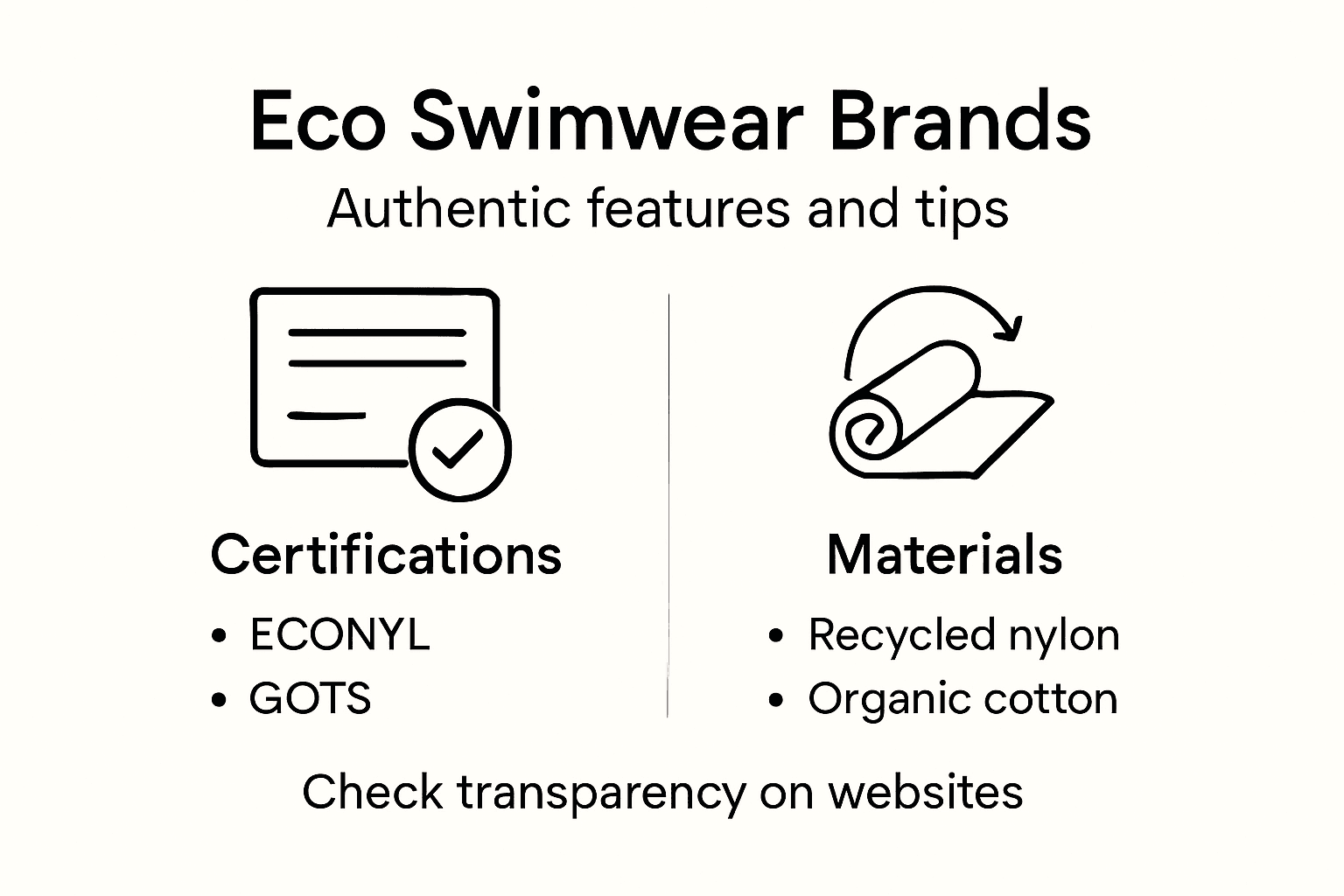
One practical approach: compare what a brand actually does versus what they claim. Do their actions match their messaging? Do they publish environmental impact reports? Can you identify the specific materials in each product? Are workers’ wages and conditions documented? Authentic brands welcome this scrutiny because they have nothing to hide. Those using greenwashing fall apart under inspection because their claims lack substance.
Pro tip: Before purchasing, spend five minutes checking a brand’s website for certification badges, material sourcing details, and manufacturing location; legitimate eco-conscious brands make this information immediately visible, while greenwashing brands bury it or avoid it entirely.
Use this table to help identify authentic eco-friendly swimwear brands:
| Verification Step | What to Look For | Why It Matters |
|---|---|---|
| Certifications Displayed | GOTS, GRS, OEKO-TEX, Fair Trade | Confirms real third-party review |
| Transparent Material Sourcing | Specifics on fibers/origin | Proves sustainable supply chain |
| Manufacturing Location Listed | Factory/country named openly | Indicates ethical production |
| Evidence of Durability | Customer reviews on longevity | Signals true commitment to quality |
Discover Style That Protects Our Oceans Today
The article “Eco-Conscious Swimwear: Style with Ocean Impact” highlights the challenge of microplastic pollution from traditional swimwear and the importance of durable, ethically made fabrics like recycled nylon and ECONYL. If you want swim trunks that not only look great but also reduce ocean pollution and support fair labor practices, you need options that match these high standards. At lecluboriginal.com, we specialize in stylish, eco-friendly swimwear crafted to last multiple seasons while minimizing plastic waste and chemical use.
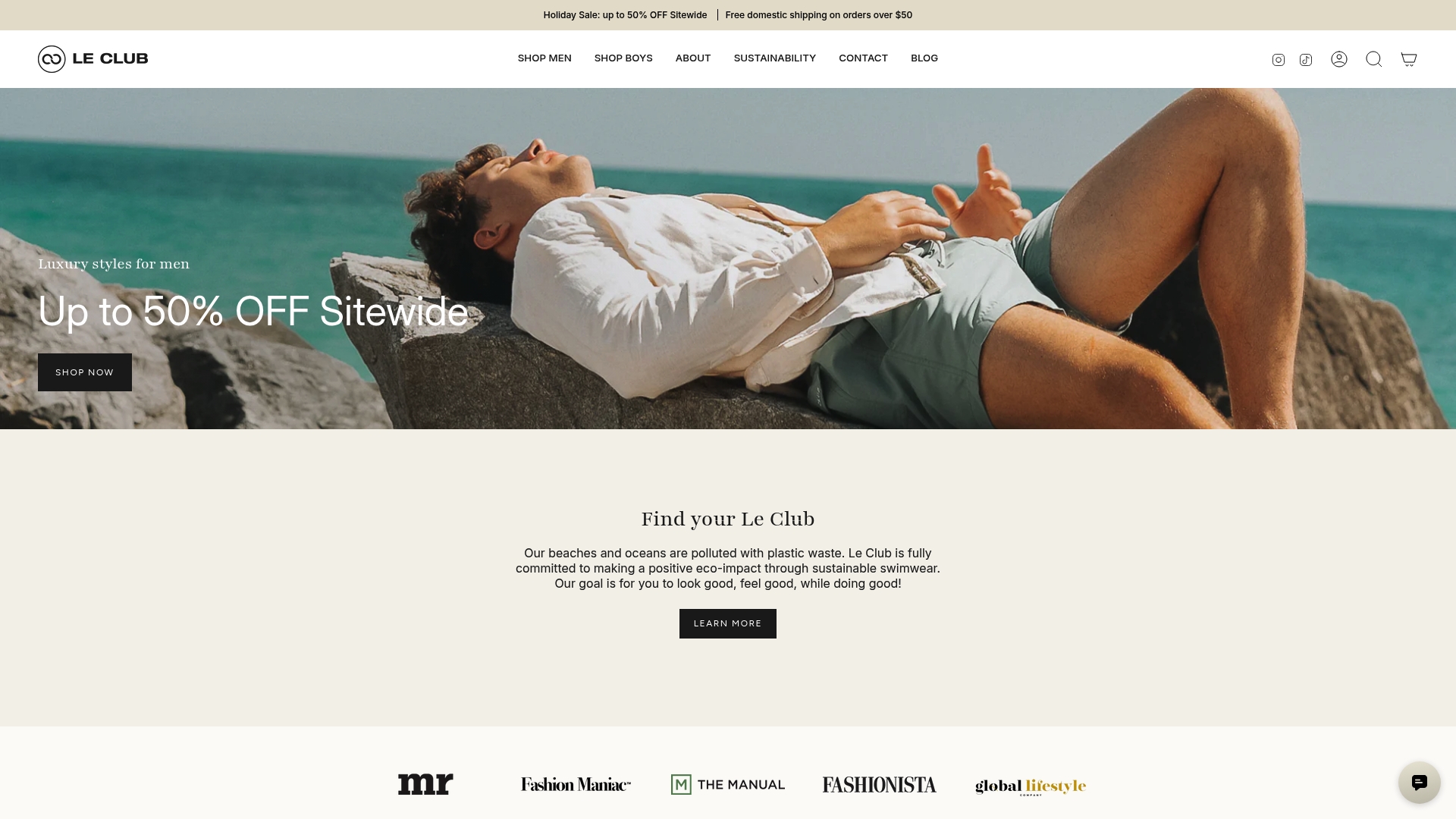
Choose from our carefully curated collection of sustainable swim trunks that prioritize durability, environmental responsibility, and fashion. Take action now and enjoy sitewide discounts up to 50 percent plus free shipping on orders over $50. Visit our main website to explore new arrivals and best sellers. Make your next swimwear purchase count for the planet and for you.
Frequently Asked Questions
What is eco-conscious swimwear?
Eco-conscious swimwear refers to swimsuits designed with minimal environmental impact, using recycled fabrics and ethical production methods rather than virgin materials. This includes materials sourced from recycled fishing nets, plastic bottles, or regenerated fibers, with a focus on durability and sustainability in manufacturing.
How does eco-conscious swimwear help reduce ocean pollution?
Eco-conscious swimwear reduces ocean pollution by using recycled materials, which prevents new plastic from being produced and minimizes microplastic shedding during washing. The materials are engineered to be more stable, reducing the release of harmful fibers that can enter water systems and harm marine life.
What materials are commonly used in sustainable swimwear?
Common materials in sustainable swimwear include recycled nylon, ECONYL, recycled polyester, Tencel (Lyocell), organic cotton, and hemp. Each of these materials has unique advantages, such as durability, biodegradability, and lower environmental impact during production.
What should I look for when choosing authentic eco-friendly swimwear brands?
When choosing authentic eco-friendly swimwear, look for third-party certifications like GOTS, GRS, and OEKO-TEX. Ensure brands are transparent about their material sourcing and manufacturing practices, and check customer reviews for durability to confirm their commitment to sustainability.
Recommended
- Role of Design in Eco Swimwear – Fashion With Impact – Le Club Original
- Role of Design in Eco Swimwear – Fashion With Impact – Le Club Original
- 7 Essential Summer Beachwear Trends 2025 for Eco Style – Le Club Original
- 7 Essential Summer Beachwear Trends 2025 for Eco Style – Le Club Original
- The importance of eco-friendly textile industry | Baggizmo
- Understanding the Role of Sustainable Textiles in Fashion - fabric fabric
- Understanding How to Avoid Fast Fashion for Special Events - DressMeUpNY