

Chasing every new swimwear trend can feel exciting, but each cheaply made suit hides a bigger problem for our oceans. Fast fashion swimwear, built from synthetic fibers like polyester and nylon, sheds microplastic fibers during every wash, polluting waterways and threatening marine life worldwide. For men who value both style and sustainability, understanding these hidden costs empowers better choices and supports brands working to protect Earth’s oceans for future generations.
Table of Contents
- Defining Fast Fashion Swimwear Today
- Material Choices And Pollution Risks
- Labor Ethics And Production Practices
- Waste, Microplastics, And Ocean Impact
- Comparing Sustainable Swimwear Alternatives
Key Takeaways
| Point | Details |
|---|---|
| Fast Fashion Swimwear | This industry prioritizes low-cost, trendy items, leading to high disposability and environmental harm. |
| Material Impact | Synthetic materials like polyester and nylon contribute to microplastic pollution, harming marine ecosystems. |
| Labor Practices | Many fast fashion swimwear brands exploit workers with poor wages and unsafe conditions, primarily in developing countries. |
| Sustainable Alternatives | Sustainable swimwear focuses on eco-friendly materials and ethical manufacturing, promoting longer product lifespans and reduced environmental impact. |
Defining Fast Fashion Swimwear Today
Fast fashion swimwear represents a troubling trend in the global apparel industry, characterized by rapidly produced, trendy, and disposable swimwear items. Characterized by high disposability, these products prioritize short-term fashion trends over sustainability and quality.
The core attributes of fast fashion swimwear include:
- Extremely low production costs
- Ultra-rapid design and manufacturing cycles
- Trendy but low-durability materials
- Prices significantly below traditional swimwear market rates
- Frequent style rotations to encourage continuous purchasing
Unlike traditional swimwear production, fast fashion swimwear operates on a business model that emphasizes volume over quality. Rapid production cycles enable manufacturers to quickly translate runway trends into affordable consumer products, often sacrificing environmental considerations and product longevity.
The environmental consequences of this model are profound. Each fast fashion swimwear piece contributes to massive textile waste, with most garments designed to be replaced within months rather than years. These swimsuits frequently utilize synthetic materials like polyester and nylon, which are derived from petroleum and take hundreds of years to decompose.
Pro tip: When shopping for swimwear, prioritize quality over quantity and seek brands committed to sustainable manufacturing practices.
Material Choices and Pollution Risks
The material composition of fast fashion swimwear represents a critical environmental threat, with synthetic fabrics serving as the primary culprit in marine ecosystem degradation. Microplastic fiber shedding occurs during every wash cycle, releasing microscopic plastic particles into waterways and oceans.
Key synthetic materials commonly used in fast fashion swimwear include:
- Polyester: Petroleum-based, non-biodegradable
- Nylon: Generates significant microplastic pollution
- Acrylic: Extremely slow to decompose
- Spandex: Adds stretch but increases environmental impact
These materials create substantial environmental challenges. Water pollution from chemical processes extends far beyond microplastic generation, involving extensive chemical dye treatments and heavy water consumption that devastate marine ecosystems.
The pollution risks extend beyond immediate environmental damage. Microplastics from synthetic swimwear enter marine food chains, potentially contaminating seafood and causing long-term ecological disruption. A single synthetic swimsuit can release thousands of microplastic particles in just one washing cycle, creating a cumulative effect that threatens marine biodiversity.
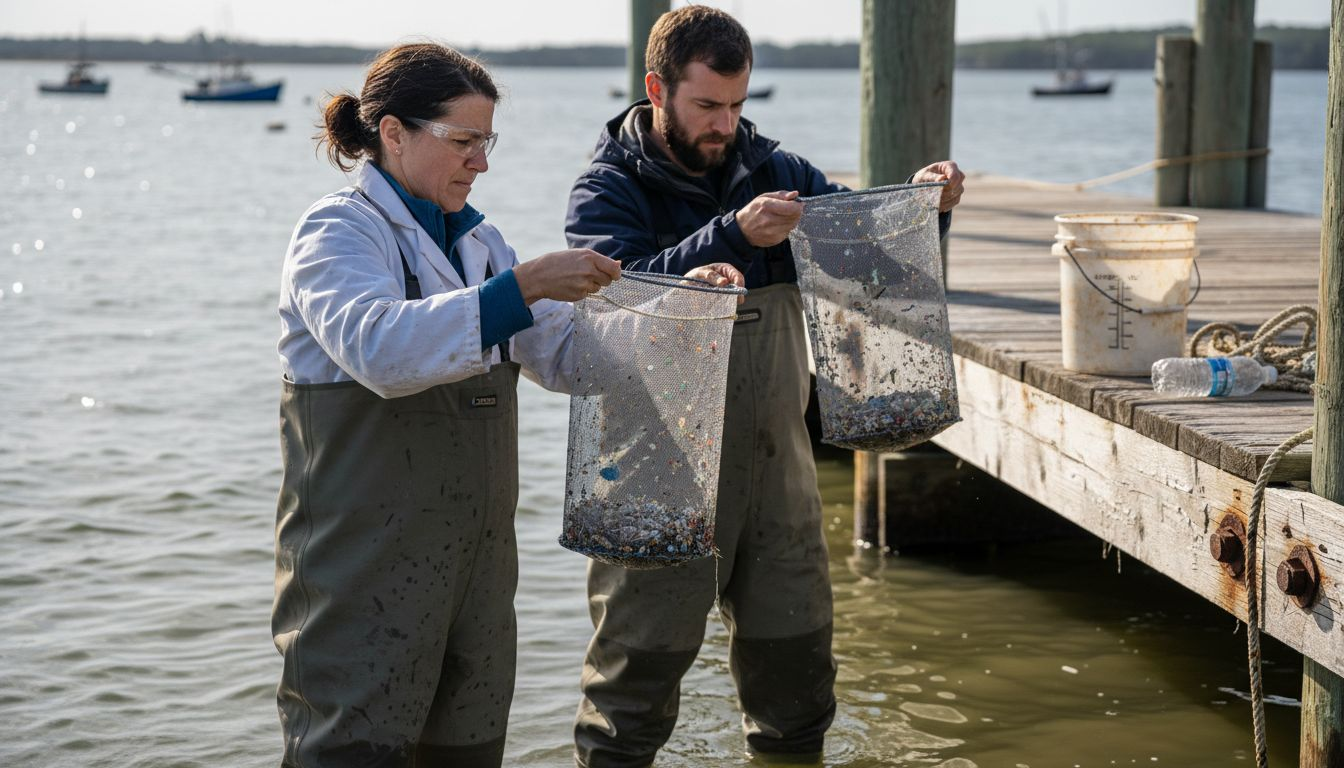
Here is a quick reference of common swimwear materials and their typical environmental effects:
| Material | Source | Pollution Risk |
|---|---|---|
| Polyester | Petroleum-based | Microplastics, slow decay |
| Nylon | Synthetic, petroleum | High microplastic output |
| Spandex | Synthetic, petroleum | Enhances plastic shedding |
| Econyl | Recycled nylon waste | Lower pollution, sustainable |
Pro tip: Choose swimwear made from natural, biodegradable materials like organic cotton or recycled natural fibers to minimize environmental impact.
Labor Ethics and Production Practices
The fast fashion swimwear industry is deeply entrenched in a complex web of unethical labor practices that systematically exploit workers in developing countries. Exploitative labor conditions persist in manufacturing hubs like Bangladesh and Vietnam, where workers endure dangerous working environments to meet global demand for cheap swimwear.
Key characteristics of labor exploitation in fast fashion swimwear production include:
- Poverty-level wages that fail to meet basic living standards
- Unsafe factory working conditions
- Excessive overtime without proper compensation
- Suppression of workers’ unionization rights
- Gender-based workplace discrimination
- Child labor in supply chain networks
Systemic human rights violations extend beyond individual factory conditions, representing a global pattern of economic manipulation. These practices enable multinational corporations to maintain extremely low production costs by leveraging economic vulnerabilities in low-income regions.
The human cost of fast fashion swimwear is profound. Workers, predominantly young women, face not just economic hardship but potential physical dangers from inadequate safety protocols. Chemical exposure, unstable building structures, and psychological stress are routine challenges in these manufacturing environments, all hidden behind the glossy facade of trendy, affordable swimwear.
Pro tip: Research brands’ labor practices and choose swimwear from companies that demonstrate transparent, ethical manufacturing standards.
Waste, Microplastics, and Ocean Impact
The devastating environmental consequences of fast fashion swimwear extend far beyond manufacturing, with massive textile waste accumulation creating a global ecological crisis. Synthetic swimwear materials release thousands of microplastic particles during each washing cycle, directly contaminating marine ecosystems and threatening aquatic life.
Microplastic pollution from fast fashion swimwear manifests through multiple channels:
- Direct fiber shedding during washing
- Chemical leaching from synthetic materials
- Ocean disposal of discarded garments
- Breakdown of synthetic fabric in marine environments
- Accumulation in marine food chains
- Long-term ecosystem contamination
Marine ecosystem disruption represents a critical consequence of these pollution mechanisms. Microplastics enter marine food webs, causing physical and toxicological harm to organisms ranging from microscopic plankton to large marine mammals, creating a cascading environmental impact that threatens global biodiversity.
The scale of ocean contamination is staggering. A single synthetic swimsuit can release hundreds of thousands of microplastic particles in just a few wash cycles, with these tiny plastic fragments persisting in marine environments for hundreds of years. These particles accumulate in sediments, are ingested by marine life, and ultimately enter human food systems through seafood consumption.
Pro tip: Invest in washable microfiber catch bags or filters to reduce microplastic release during garment cleaning.
Comparing Sustainable Swimwear Alternatives
Sustainable swimwear represents a transformative approach to addressing the environmental challenges posed by fast fashion. Innovative fabric choices are revolutionizing the industry by prioritizing both ecological responsibility and consumer experience.
Key characteristics of sustainable swimwear alternatives include:
- Recycled materials: Econyl and regenerated nylon
- Low-impact dye processes
- Durability-focused design
- Transparent supply chains
- Fair labor practices
- Reduced microplastic generation
- Longer product lifecycle
Eco-friendly material innovations are transforming swimwear production, with brands developing sophisticated alternatives that minimize environmental impact. These materials not only reduce waste but also create emotional connections between consumers and their garments, encouraging longer use and more responsible consumption.
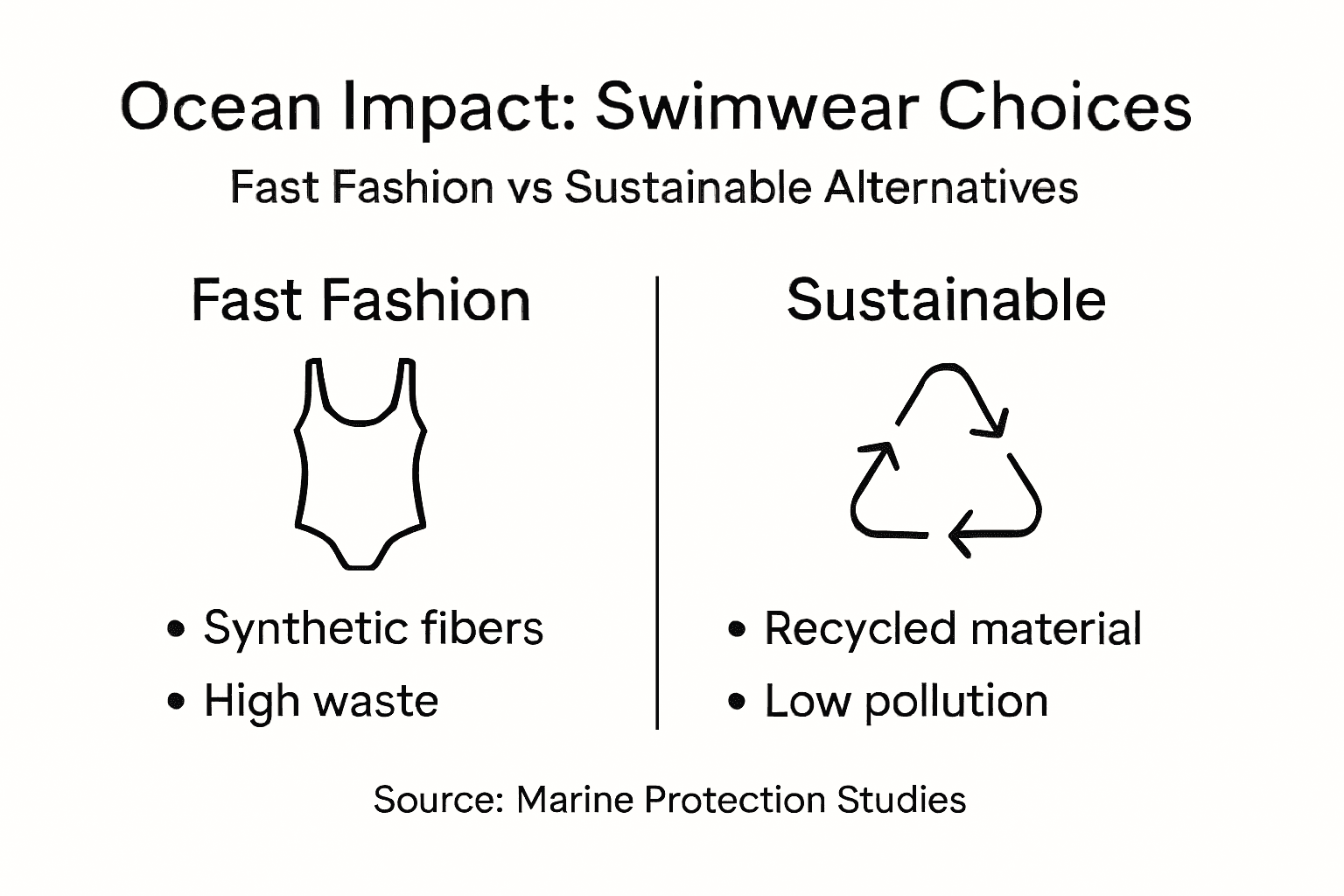
Sustainable swimwear goes beyond material selection, encompassing holistic approaches to manufacturing. Brands are now developing swimwear that balances performance, style, and environmental consciousness, using advanced recycling technologies and circular design principles to create products that respect both human and ecological systems.
The following table compares fast fashion swimwear and sustainable swimwear in terms of environmental, ethical, and product features:
| Aspect | Fast Fashion Swimwear | Sustainable Swimwear |
|---|---|---|
| Environmental Impact | High pollution, textile waste | Reduced waste, eco-friendly dyes |
| Labor Standards | Often exploitative | Emphasizes fair working conditions |
| Product Longevity | Designed for short-term use | Built for durability and long life |
| Material Sources | Petroleum-based synthetics | Recycled or natural materials |
Pro tip: Look for swimwear brands that provide detailed information about their material sourcing and manufacturing processes.
Choose Sustainable Swimwear To Protect Our Oceans
The article highlights urgent problems caused by fast fashion swimwear including microplastic pollution, harmful synthetic materials, and unethical labor practices. If you care about reducing ocean contamination and want swimwear that supports both environmental health and fair labor, switching to sustainable options is crucial. By choosing eco-friendly fabrics and brands that prioritize transparent, ethical manufacturing, you can help break the cycle of waste and exploitation while enjoying durable and stylish pieces.
Explore sustainable swim trunks for men and boys crafted with recycled materials and thoughtful production processes.

Shop at Le Club Original now to make a positive impact. With free shipping on orders over $50 and up to 50% off, there has never been a better time to upgrade your swimwear. Join a community committed to ocean protection, ethical fashion, and long-lasting quality. Don’t let fast fashion swimwear pollute our seas any longer—choose sustainability today.
Frequently Asked Questions
What are the environmental effects of fast fashion swimwear?
Fast fashion swimwear significantly contributes to environmental pollution through high levels of textile waste and microplastic shedding, which contaminates marine ecosystems.
How do synthetic materials in fast fashion swimwear impact ocean health?
Synthetic materials like polyester and nylon release microplastic fibers into waterways during washing, posing risks to marine life and ecosystems by entering the food chain and threatening biodiversity.
What are the labor ethics concerns associated with fast fashion swimwear production?
Fast fashion swimwear production often involves exploitative labor practices, including low wages, unsafe working conditions, and the use of child labor, primarily in developing countries.
How does sustainable swimwear differ from fast fashion swimwear?
Sustainable swimwear prioritizes eco-friendly materials, fair labor practices, and longer product lifecycles, while fast fashion swimwear focuses on rapid trends and disposability, resulting in higher environmental and ethical costs.