

Choosing beach accessories that reflect your commitment to sustainability while maintaining style can feel overwhelming. With countless products claiming eco-friendliness, how do you separate genuine sustainable options from greenwashing? In 2026, informed shoppers prioritize accessories made from recycled materials, produced through ethical practices, and designed for longevity. This guide walks you through essential features to evaluate when selecting reusable beach gear, from understanding material impacts to comparing traditional versus sustainable options. You’ll discover how to make purchases that align with both your environmental values and fashion sense.
Table of Contents
- Criteria For Choosing Reusable And Sustainable Beach Accessories
- Top Materials Used In Reusable Beach Accessories And Their Benefits
- Popular Reusable Beach Accessory Options For Men And Boys
- Comparison Of Reusable Versus Traditional Beach Accessories
- Explore Sustainable Beach Accessories At Le Club Original
- Frequently Asked Questions
Key takeaways
| Point | Details |
|---|---|
| Material selection matters | Recycled polyester, ECONYL® nylon, and organic cotton reduce environmental impact compared to virgin materials. |
| Ethical production is essential | Fair trade certifications and transparent supply chains ensure responsible manufacturing practices. |
| Product lifecycle impacts footprint | Durability, reusability, and end-of-life recyclability determine true sustainability. |
| Style meets sustainability | Modern eco-friendly beach accessories offer designs that match or exceed traditional options. |
| Informed decisions drive change | Understanding sustainability features helps you shop smarter and support responsible brands. |
Criteria for choosing reusable and sustainable beach accessories
Selecting truly sustainable beach accessories requires evaluating multiple factors beyond surface-level marketing claims. Start by examining fair trade certifications that verify ethical production practices. These standards ensure workers receive fair wages and safe conditions throughout the supply chain. Transparency matters because hidden labor exploitation often accompanies products marketed as eco-friendly.
Material composition directly affects environmental impact. Prioritize accessories featuring recycled content, biodegradable fibers, or sustainably harvested materials. Virgin plastics and conventionally grown cotton carry significant carbon footprints through resource extraction and chemical processing. The entire product lifecycle including manufacturing, transportation, use phase, and disposal determines overall sustainability.
Durability extends product life and reduces replacement frequency. Examine construction quality, reinforced stitching, and material resilience to saltwater and sun exposure. Accessories designed for single seasons contradict sustainability principles regardless of material origin. Consider whether products can be repaired, recycled, or composted at end of life.
Brand commitment to environmental responsibility extends beyond individual products. Research company practices regarding waste reduction, renewable energy use, and community investment. Brands publishing detailed sustainability reports demonstrate accountability. Balance your style preferences with ecological impact by selecting accessories that serve multiple purposes and complement various outfits.
Key evaluation factors:
- Third-party certifications verifying ethical and environmental claims
- Material transparency including percentage of recycled or organic content
- Product longevity based on construction quality and warranty offerings
- End-of-life options for recycling or biodegradation
- Brand values demonstrated through concrete sustainability initiatives
Pro Tip: Request detailed material sourcing information from brands before purchasing. Legitimate sustainable companies eagerly share supply chain details, while greenwashing brands provide vague responses.
Explore comprehensive guidance in our beach accessories selection guide for deeper evaluation frameworks.
Top materials used in reusable beach accessories and their benefits
Understanding material properties helps you select accessories that genuinely reduce environmental harm. Recycled polyester transforms post-consumer plastic bottles and textile waste into durable fabric. This process decreases virgin plastic demand by up to 59% and reduces carbon emissions compared to conventional polyester production. The material performs excellently in beach conditions, offering quick-dry properties and colorfastness.
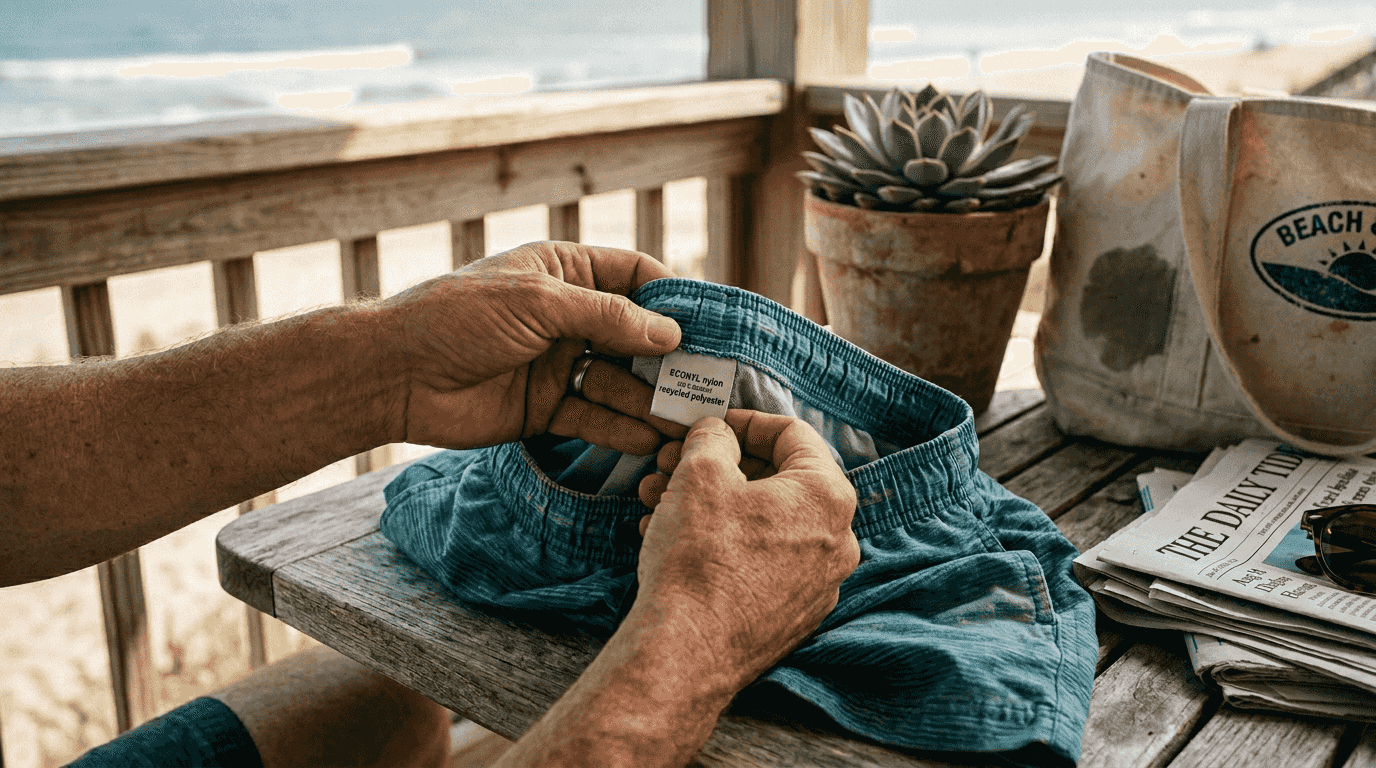
ECONYL® nylon represents innovative circular economy principles by regenerating fishing nets, fabric scraps, and industrial plastic waste into premium yarn. This regenerated nylon diverts waste from oceans and landfills while maintaining identical quality to virgin nylon. Accessories made from ECONYL® demonstrate exceptional strength, elasticity, and resistance to chlorine and saltwater degradation.
Organic cotton eliminates synthetic pesticides and fertilizers from cultivation, protecting soil health and water quality. The fiber biodegrades naturally, avoiding microplastic pollution associated with synthetic materials. While cotton requires more water than synthetic alternatives, organic farming practices improve water retention and reduce overall consumption. Choose organic cotton for towels, bags, and lightweight accessories where natural breathability enhances comfort.
Material comparison:
| Material | Environmental Benefit | Durability Rating | Best Use |
|---|---|---|---|
| Recycled Polyester | Reduces plastic waste by 59% | High | Swim trunks, bags |
| ECONYL® Nylon | Regenerates ocean waste | Very High | Swim trunks, straps |
| Organic Cotton | Eliminates pesticides | Medium | Towels, bags |
| Recycled Rubber | Diverts tires from landfills | High | Sandals, mats |
Material blends often optimize performance and sustainability. Combining recycled polyester with elastane provides stretch and shape retention while maintaining eco-benefits. Evaluate the percentage of sustainable content, as some products contain minimal recycled material alongside virgin synthetics.
Pro Tip: Check care labels for washing instructions that extend material life. Cold water washing and air drying preserve fabric integrity while reducing energy consumption.
Learn more about recycled materials in beachwear to understand manufacturing processes and quality standards.
Popular reusable beach accessory options for men and boys
Reusable swim trunks made from recycled nylon offer the perfect combination of style and sustainability. Modern designs feature bold patterns, classic solids, and contemporary cuts that rival traditional swimwear. Quick-dry technology and four-way stretch ensure comfort during active beach days. Look for trunks with reinforced waistbands and secure pockets that maintain functionality through repeated use.
Eco-friendly beach bags crafted from recycled canvas or woven recycled plastic provide spacious storage without single-use plastic packaging. Durable construction withstands sand, saltwater, and sun exposure season after season. Select bags with multiple compartments for organization and adjustable straps for comfortable carrying. Water-resistant linings protect contents from moisture while maintaining breathability.
Stainless steel water bottles eliminate disposable plastic bottles that contribute to ocean microplastic pollution. Insulated models keep beverages cold for hours in beach heat. Choose bottles with wide mouths for easy cleaning and ice cube insertion. Silicone sleeves prevent denting and provide grip on wet surfaces.
Quick-dry towels made from organic cotton or recycled microfiber absorb moisture efficiently while packing compactly. Unlike conventional towels, these options resist mildew and odor buildup. Lightweight construction makes them ideal for travel and reduces washing frequency. Select towels with reinforced edges that prevent fraying through multiple wash cycles.
Steps to evaluate beach accessories:
- Verify material composition through product labels and brand documentation
- Research brand sustainability commitments and third-party certifications
- Compare durability features like reinforced stitching and quality hardware
- Assess versatility for multiple uses and outfit coordination
- Calculate cost per use based on expected product lifespan
- Check return policies and warranties that demonstrate brand confidence
Discover eco-friendly swimwear options that complement sustainable accessories for complete beach outfits.
Consult our green swimwear shopping guide for additional selection strategies and brand recommendations.
Comparison of reusable versus traditional beach accessories
Reusable accessories dramatically reduce plastic waste accumulation in oceans and landfills. Traditional beach gear often incorporates virgin polyester and nylon derived from petroleum, contributing to fossil fuel dependence. Single-use packaging and planned obsolescence characterize conventional products, creating unnecessary waste streams. Sustainable alternatives prioritize minimal packaging, often using recycled cardboard or compostable materials.
Ethical production practices distinguish reusable accessories from mass-market options. Traditional manufacturing frequently occurs in facilities with inadequate labor protections and environmental controls. Sustainable brands implement transparent supply chains, third-party audits, and fair wage guarantees. This accountability ensures your purchase supports responsible business practices rather than exploitation.
Style diversity has expanded significantly in sustainable beach accessories. Early eco-friendly options offered limited designs and neutral colors. Today’s reusable accessories feature vibrant patterns, innovative cuts, and fashion-forward aesthetics that match or exceed traditional counterparts. Technical performance improvements mean sustainable materials now outperform conventional options in durability and functionality.
Reusable vs. traditional comparison:
| Factor | Reusable Accessories | Traditional Accessories |
|---|---|---|
| Materials | Recycled polyester, ECONYL®, organic cotton | Virgin polyester, conventional nylon |
| Lifecycle Impact | Reduced carbon emissions, circular economy | High emissions, linear waste model |
| Ethical Production | Certified fair trade, transparent supply chains | Often opaque, variable labor standards |
| Style Options | Diverse, fashion-forward designs | Wide variety, trend-driven |
| Durability | Designed for multi-season use | Variable, often single-season |
| Cost | Higher upfront, lower long-term | Lower upfront, frequent replacement |
Initial investment in reusable accessories typically exceeds traditional options by 20 to 40 percent. However, superior durability and timeless designs reduce replacement frequency. Calculate cost per use over three to five years for accurate comparison. Traditional accessories requiring annual replacement ultimately cost more while generating additional waste.
Consider care requirements when comparing options. Sustainable materials often need gentler washing and air drying to maintain integrity. This extra care extends product life and reduces energy consumption. Traditional synthetic materials may withstand harsher treatment but degrade faster under repeated sun and saltwater exposure.
Review eco swimwear style and sustainability for detailed guidance on balancing aesthetics with environmental responsibility.
Explore sustainable beach accessories at Le Club Original
Ready to align your beach style with environmental values? Le Club Original curates a premium collection of sustainable swim trunks and beach accessories specifically designed for eco-conscious men and boys. Every product features recycled materials, ethical production, and timeless designs that transcend seasonal trends.

Our commitment to ocean health drives material selection and manufacturing partnerships. Browse swim trunks crafted from ECONYL® regenerated nylon and recycled polyester that perform beautifully while reducing plastic pollution. Each purchase supports transparent supply chains and fair labor practices. Explore our beach accessories guide for detailed product information and styling tips. Discover eco-friendly swimwear for boys that grows with your family’s sustainability journey.
Frequently asked questions
What defines truly reusable beach accessories?
Reusable beach accessories feature durable construction designed for multiple seasons of use, materials that withstand repeated washing and sun exposure, and timeless styles that remain relevant beyond single-year trends. They prioritize quality over disposability and often include repair or recycling programs.
How do recycled materials compare to virgin materials in quality?
Recycled polyester and ECONYL® nylon match or exceed virgin material performance in strength, elasticity, and colorfastness. Advanced processing technology ensures recycled fibers maintain consistent quality while significantly reducing environmental impact. Many athletes and outdoor enthusiasts prefer recycled materials for superior durability.
Do sustainable beach accessories sacrifice style for environmental benefits?
Modern sustainable accessories offer diverse designs, bold colors, and contemporary cuts that rival traditional options. Brands now prioritize fashion-forward aesthetics alongside eco-credentials. You can express personal style while supporting environmental responsibility without compromise.
How can I verify a brand’s sustainability claims?
Look for third-party certifications like Fair Trade, GOTS, or OEKO-TEX that require independent auditing. Review published sustainability reports detailing material sourcing, manufacturing practices, and environmental impact metrics. Contact brands directly with specific questions about supply chain transparency.
What maintenance extends reusable accessory lifespan?
Wash accessories in cold water with eco-friendly detergent to preserve fabric integrity and reduce energy use. Air dry items away from direct sunlight to prevent color fading and material degradation. Rinse swim trunks immediately after ocean or pool use to remove salt and chlorine. Store accessories in cool, dry locations between uses.