

Packing for your next beach escape often means choosing more than just style—you want swimwear that speaks to your values. As modern fabric innovation transforms swim trunks into environmentally conscious, high-performance gear, the search for the perfect pair gets both exciting and challenging. This guide breaks down how advanced fabric technologies and sustainable design can help you look and feel good while supporting ethical fashion choices, making your next trip better for you and the planet.
Table of Contents
- What Innovation Means in Modern Swimwear
- Sustainable Materials Transforming Swimwear Design
- Emerging Design Trends and Versatility in 2026
- Ethical Manufacturing and Ocean Impact Reduction
- Choosing Eco-Friendly Swimwear: Key Criteria
Key Takeaways
| Point | Details |
|---|---|
| Innovation in Swimwear | Modern swimwear merges performance, technology, and sustainability to enhance athlete capabilities while minimizing environmental impact. |
| Sustainable Materials | Eco-friendly materials like recycled fabrics and bio-based fibers are transforming swimwear design to address environmental challenges. |
| Emerging Trends | The future of swimwear emphasizes versatility, inclusive sizing, and customizable features, appealing to evolving consumer preferences. |
| Ethical Manufacturing | Brands are prioritizing ethical manufacturing practices, including fair labor and transparent supply chains, to reduce their environmental footprint. |
What Innovation Means in Modern Swimwear
Modern swimwear innovation represents a fascinating intersection of performance, technology, and sustainability. At its core, innovation transforms swimwear from basic clothing into intelligent, purpose-driven garments that enhance athletic performance while minimizing environmental impact. Advanced fabric technologies are revolutionizing how we think about swim apparel.
The evolution of swimwear innovation can be traced through multiple technological breakthroughs. Key developments include:
- Hydrodynamic Design: Creating suits that minimize water resistance
- Smart Fabric Integration: Incorporating materials that adapt to body temperature
- Sustainable Manufacturing: Using recycled and eco-friendly textile components
- Performance Optimization: Developing compression zones that improve muscle support
Competitive swimwear has particularly benefited from these technological advancements. Biomechanical research and material science now work together to create garments that reduce drag, improve body positioning, and enhance overall athlete performance. The goal extends beyond mere clothing - these are precision-engineered tools designed to maximize human potential in aquatic environments.
The future of swimwear innovation lies in balancing three critical elements: performance, comfort, and sustainability. Modern designers are not just creating clothing, but developing holistic solutions that respect both athletic ambitions and environmental responsibilities. Materials like hydrophobic coatings, seamless construction techniques, and Lycra blends represent the cutting edge of this transformative approach.
Here’s a comparison of key fabric technologies and their impact on modern swimwear:
| Technology | Main Benefit | Impact on Athletes |
|---|---|---|
| Hydrophobic Coatings | Reduces water absorption | Less drag, faster movement |
| Smart Fabrics | Temperature regulation | Enhanced comfort during use |
| Lycra Blends | Improved flexibility | Greater freedom of movement |
| Seamless Construction | Minimizes chafing | Increased wearability in races |
Pro tip: When shopping for innovative swimwear, look for garments that explicitly discuss their material technology and sustainability credentials.
Sustainable Materials Transforming Swimwear Design
The swimwear industry is experiencing a radical transformation driven by sustainable material innovations that address environmental challenges while maintaining high-performance standards. Fabric technology advances are revolutionizing how designers approach eco-friendly swimwear, creating garments that minimize environmental impact without compromising functionality.
Key sustainable materials driving this transformation include:
- Recycled PET Fabrics: Transforming plastic waste into high-performance swimwear
- Bio-based Nylon: Renewable fibers that reduce petroleum dependency
- Regenerated Polyester: Creating new textiles from existing materials
- Organic Cotton Blends: Introducing natural fibers with reduced chemical processing
Innovative sustainable design strategies now focus on extending product life cycles and reducing overall environmental footprints. Manufacturers are developing materials with enhanced durability, quick-drying properties, and advanced performance characteristics that challenge traditional perceptions of sustainable clothing.
The future of swimwear design lies in a holistic approach that integrates technological innovation with environmental responsibility. Modern sustainable materials offer chlorine resistance, UV protection, and improved elasticity while significantly reducing waste and resource consumption. By leveraging advanced fabric technologies, designers can create swimwear that looks good, performs exceptionally, and supports ecological conservation efforts.
Pro tip: When selecting sustainable swimwear, prioritize brands that transparently discuss their material sourcing and environmental impact metrics.
Emerging Design Trends and Versatility in 2026
The swimwear landscape in 2026 is poised for a transformative shift, blending aesthetic innovation with functional performance. Swimwear trend forecasts reveal a dynamic future where fashion meets functionality, emphasizing versatility and conscious design that reflects evolving consumer preferences.
Key emerging design trends include:
- Athleisure-Inspired Styles: Swimwear that transitions seamlessly between water and workout environments
- Inclusive Sizing: Designs that celebrate diverse body types and representations
- Customizable Fit Technologies: Adjustable features allowing personalized comfort
- Nature-Inspired Color Palettes: Vibrant hues reflecting ocean and environmental themes
Innovative design strategies are reshaping swimwear beyond traditional boundaries. Manufacturers are developing multifunctional garments that offer UV protection, quick-drying capabilities, and adaptable styling options, addressing the dynamic lifestyle needs of modern consumers.
The future of swimwear design transcends mere aesthetic appeal, focusing on creating holistic experiences that align with personal values. By integrating advanced fabric technologies, sustainable manufacturing processes, and inclusive design principles, brands are reimagining swimwear as a versatile, performance-driven expression of individual identity and environmental consciousness.
Pro tip: When selecting versatile swimwear, prioritize pieces that offer multiple styling options and functional performance features.
Ethical Manufacturing and Ocean Impact Reduction
The swimwear industry is undergoing a profound transformation, with ethical manufacturing becoming a critical priority for brands committed to environmental stewardship. Sustainable production strategies are reshaping how swimwear is conceptualized, manufactured, and brought to market, prioritizing both ecological preservation and social responsibility.
Key elements of ethical manufacturing include:
- Recycled Ocean Plastics: Transforming marine waste into high-quality swimwear materials
- Low-Waste Production: Minimizing environmental footprint through efficient manufacturing
- Fair Labor Practices: Ensuring safe working conditions and equitable wages
- Transparent Supply Chains: Providing complete visibility into production processes
Ocean impact reduction initiatives are revolutionizing the industry’s approach to environmental conservation. Manufacturers are developing innovative circular production models that prevent microplastic pollution, reduce water usage, and dramatically lower carbon emissions while maintaining high-quality product standards.
The future of swimwear manufacturing transcends traditional production methods, embracing a holistic approach that balances technological innovation, environmental protection, and social equity. By integrating advanced recycling technologies, eco-friendly dyes, and community-centered manufacturing practices, brands are creating a new paradigm of responsible fashion that actively contributes to marine ecosystem preservation.
Pro tip: Research brands that provide detailed sustainability reports and demonstrate measurable environmental impact reduction in their manufacturing processes.
Choosing Eco-Friendly Swimwear: Key Criteria
Navigating the world of sustainable swimwear requires a nuanced understanding of environmental and performance considerations. Eco-friendly swimwear criteria have evolved beyond simple material selection, encompassing a holistic approach to responsible fashion consumption.
Critical factors to evaluate when selecting eco-friendly swimwear include:
- Fabric Composition: Prioritize recycled, biodegradable, or renewable materials
- Production Transparency: Seek brands with clear environmental manufacturing practices
- Durability: Choose garments designed for extended use and minimal waste
- Certification Standards: Look for verified environmental and social responsibility credentials
- Performance Features: Ensure sustainable materials maintain high-quality performance characteristics
Sustainable production methods have dramatically transformed how consumers can assess the ecological impact of their swimwear choices. Advanced technologies now enable the creation of high-performance swimwear that meets rigorous environmental standards while delivering exceptional comfort and style.
The most responsible swimwear selections balance multiple dimensions: environmental impact, manufacturing ethics, material innovation, and long-term wearability. Consumers can make meaningful choices by understanding the complex ecosystem of sustainable fashion, recognizing that each purchase represents an opportunity to support more responsible production practices.
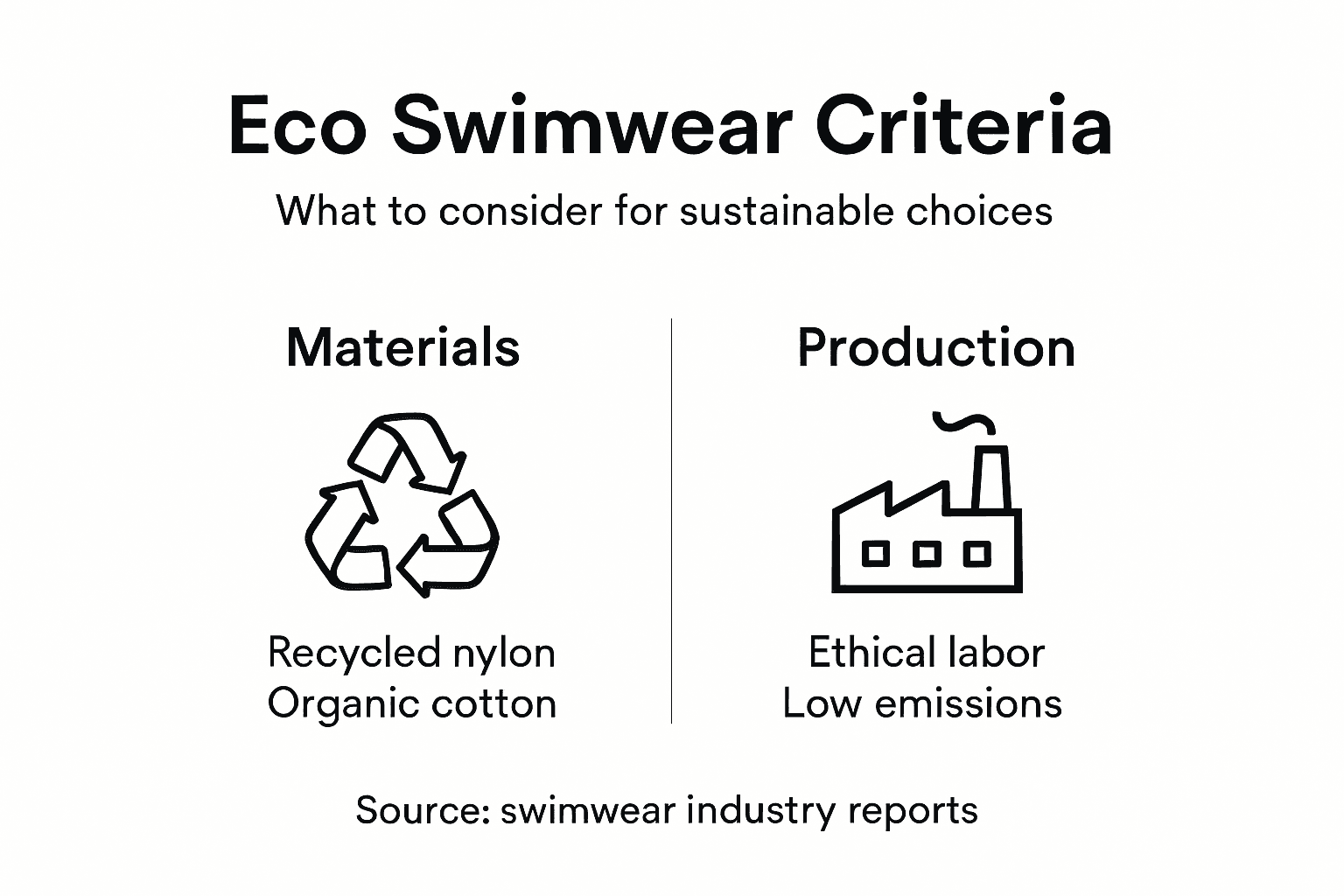
Use this table to quickly assess what to look for in genuinely eco-friendly swimwear:
| Evaluation Criteria | What to Look For | Why It Matters |
|---|---|---|
| Fabric Certifications | Global Recycled Standard | Ensures material sourcing claims |
| Supplier Transparency | Public impact reports | Confirms ethical manufacturing |
| Durability Indicators | High abrasion resistance | Increases garment lifespan |
| Innovation Features | UV protection, quick dry | Maintains performance and comfort |
Pro tip: Always request detailed information about a brand’s sustainability practices and verify their environmental certifications before making a purchase.
Embrace Innovation and Sustainability with Le Club Original
The article highlights how modern swimwear innovation integrates performance, comfort, and environmental responsibility to meet rising consumer expectations. Many consumers struggle to find stylish swimwear that not only enhances their athletic experience through advanced fabrics but also supports sustainable manufacturing and ocean conservation efforts. Terms like “hydrophobic coatings,” “recycled PET fabrics,” and “ethical manufacturing” reveal the growing demand for eco-friendly yet high-performing swimwear solutions.
At Le Club Original, we understand these challenges and bring you a curated collection of eco-conscious swim trunks and beachwear that deliver on style and sustainability. Our commitment extends beyond fashion to champion environmental preservation and social responsibility by using recycled materials and minimizing ocean pollution. Discover swimwear designed to support your active lifestyle, aligned with your values.
Are you ready to experience innovative, sustainable swimwear that truly makes a difference?

Explore our latest eco-friendly collections at Le Club Original and join a community devoted to protecting our oceans while looking and feeling great. Take advantage of our seasonal sales and free shipping offers today and take your eco style impact to the next level.
Frequently Asked Questions
What are the main benefits of modern swimwear innovation?
Modern swimwear innovation enhances athletic performance through advanced fabric technologies that reduce drag, improve body positioning, and provide temperature regulation. Additionally, it emphasizes sustainability by utilizing recycled materials and eco-friendly manufacturing processes.
How do sustainable materials impact swimwear performance?
Sustainable materials like recycled PET fabrics and bio-based nylon not only minimize environmental impact but also offer performance benefits such as UV protection, chlorine resistance, and improved elasticity, ensuring durability and comfort during use.
What design trends are influencing the future of swimwear?
Emerging design trends in swimwear include athleisure-inspired styles, inclusive sizing, customizable fit technologies, and nature-inspired color palettes. These trends reflect consumer preferences for versatility, comfort, and environmental consciousness.
How can I assess whether swimwear is environmentally friendly?
To determine if swimwear is eco-friendly, evaluate its fabric composition, production transparency, durability, certification standards, and performance features. Look for materials that are recycled, biodegradable, or renewable, and check for verified credentials indicating sustainable practices.