

Choosing swimwear for your sons is about much more than finding a cool print or the perfect fit. As an eco-conscious father in North America, the desire to support brands rooted in your own community shapes every purchase. Local swimwear brands bring deep consumer trust and regional commitment to the table, prioritizing responsible production and real environmental impact. This article empowers you to recognize the value of keeping your dollars local and highlights how stylish, sustainable choices promote a healthier planet for the next generation.
Table of Contents
- Defining Local Swimwear Brands And Their Role
- Sustainable Practices In Local Swimwear Production
- Eco-Friendly Materials And Ethical Manufacturing
- Supporting Local Economies And Community Initiatives
- Comparing Local Versus Mass-Market Swimwear
- Avoiding Greenwashing And Making Impactful Purchases
Key Takeaways
| Point | Details |
|---|---|
| Support Local Economies | Purchasing from local swimwear brands stimulates regional economies by creating jobs and supporting local suppliers. |
| Emphasize Sustainability | Local brands prioritize eco-friendly materials and ethical manufacturing, reducing environmental impact compared to mass-market options. |
| Build Consumer Trust | Local swimwear companies foster deeper connections with customers through transparency and accountability in their operations. |
| Long-Term Durability | Investing in quality swimwear from local brands offers better longevity and performance than cheaper mass-produced alternatives. |
Defining Local Swimwear Brands and Their Role
Local swimwear brands occupy a distinct position in the fashion landscape, operating with a fundamentally different philosophy than the multinational corporations dominating retail shelves. A local swimwear brand typically emerges from within your community or region, maintaining headquarters, production facilities, or at minimum significant operational presence in North America. These brands prioritize understanding the specific needs of their customers—the climate where you live, the water conditions your kids encounter, and the values that matter to your family. Unlike global manufacturers that chase quarterly earnings reports, local swimwear creators operate with closer ties to their customer base, allowing them to respond quickly to feedback and innovate based on real community needs.
What sets local brands apart is their deep consumer trust and regional commitment. When you buy from a local swimwear brand, your money cycles through your regional economy instead of being funneled to distant shareholders. These companies tend to source materials locally when possible, partner with nearby manufacturers, and employ people in your backyard. For eco-conscious fathers looking to reduce their environmental footprint, this proximity matters tremendously. Shorter supply chains mean fewer shipping emissions, less packaging waste, and production practices you can actually verify. The perceived localness influences how consumers build relationships with brands, creating authentic connections that extend beyond transactional shopping.
The role of local swimwear brands extends beyond simply offering stylish swim trunks for your sons. These companies serve as innovators in sustainable practices, often pioneering eco-friendly manufacturing methods before they become industry standards. They champion responsible material sourcing, experimenting with recycled ocean plastics, organic cotton, and biodegradable fabrics that align with your environmental values. When you support these brands, you’re voting with your wallet for the kind of fashion industry you want to see—one where quality matters more than quantity, where environmental impact factors into pricing, and where your kid’s swimwear doesn’t contribute to the 92 million tons of textile waste entering landfills annually. Local brands also drive cultural conversations about sustainability, demonstrating that stylish and eco-conscious aren’t mutually exclusive.
Pro tip: When evaluating whether a swimwear brand qualifies as local, research where they actually manufacture their products and maintain their core operations, not just where they were founded, since some brands move production overseas while keeping that “local” story in their marketing.
Sustainable Practices in Local Swimwear Production
Local swimwear brands are rewriting the rulebook on how swim trunks get made, moving away from the resource-intensive processes that dominate global manufacturing. When you buy from a local producer, you’re supporting companies that prioritize sustainable fabric innovation and durability over fast-fashion cycles. These businesses experiment with bio-designed materials, recycled ocean plastics, and organic fibers that wouldn’t get a second look from massive corporations obsessed with cutting costs. Local makers understand that producing quality swim trunks that last five years beats churning out disposable pairs that fall apart after two seasons. This mentality transforms the entire production equation, reducing waste at the source rather than expecting consumers to feel guilty about throwing things away.
The practical mechanics of sustainable local production differ dramatically from offshore manufacturing. Local swimwear producers implement water conservation methods and ethical labor practices that you can actually trace. When production happens nearby, companies reduce transportation emissions by up to 80 percent compared to shipping finished products across oceans. These makers establish transparent supply chains where they know their fabric suppliers, dye facilities, and finishing operations personally. They invest in waste reduction strategies like using leftover fabric scraps for smaller items or repurposing them into new products entirely. The shorter feedback loop between production and consumer means problems get solved faster and smarter. If a particular dye technique causes issues, the manufacturer learns about it immediately and adjusts, rather than discovering problems months later in distant markets.
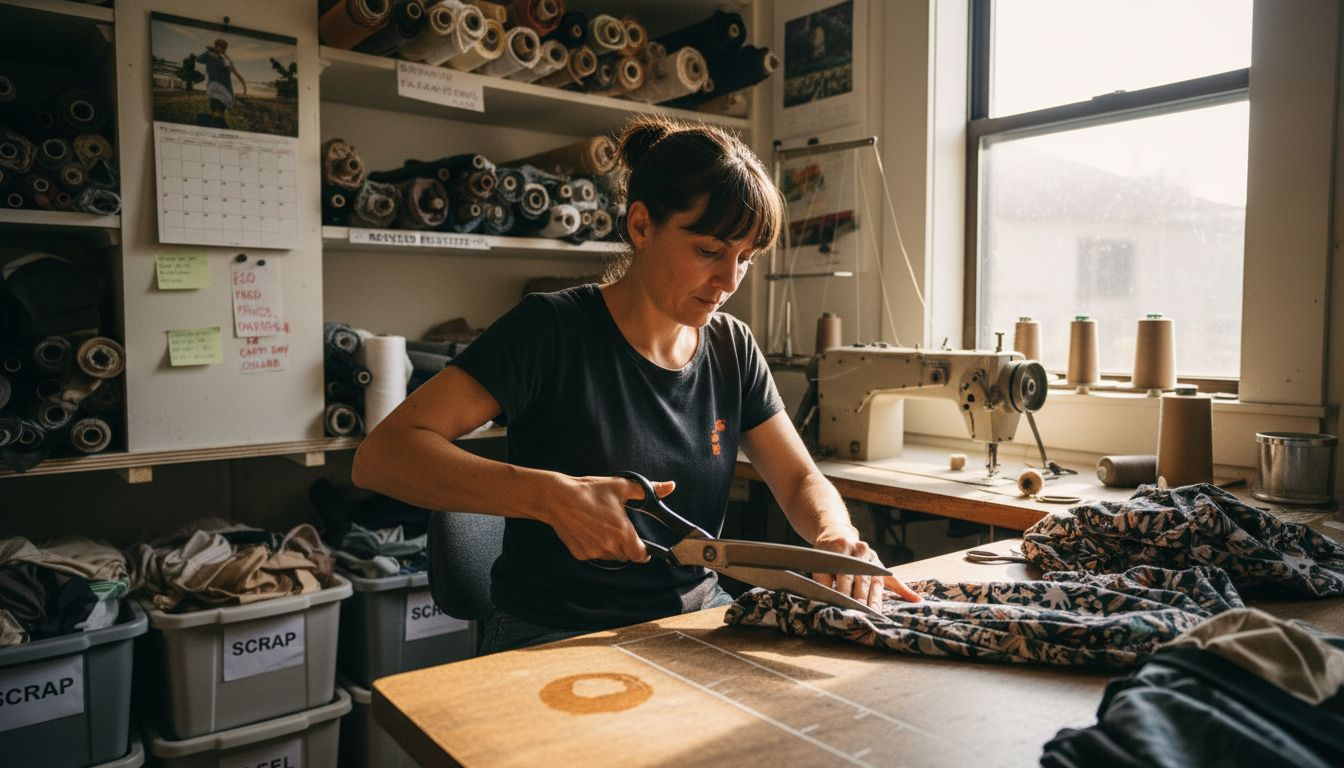
What makes local sustainable practices genuinely different is the cultural commitment beneath the operations. Regional swimwear brands operate under the watchful eye of their communities, creating real accountability. A factory producing swim trunks in your province faces scrutiny from neighbors, local journalists, and environmental groups in ways that offshore facilities never will. This visibility drives genuine innovation. Fathers looking for eco-conscious options for their sons find that local brands often exceed regulatory minimums voluntarily, choosing to eliminate harmful chemicals entirely rather than just meeting legal thresholds. These companies publish detailed environmental impact reports, invite factory tours, and genuinely engage with customer questions about their processes. You can email the owner and actually get a response. This human scale of operation creates a completely different incentive structure, where reputation matters more than margin percentages.
Pro tip: Ask local swimwear brands directly about their specific water usage, fabric sourcing regions, and waste disposal methods—most transparent producers will share detailed answers, and their willingness to provide these details signals genuine commitment to sustainability practices.
Eco-Friendly Materials and Ethical Manufacturing
The materials used in swim trunks matter far more than most fathers realize. Traditional swimwear relies heavily on virgin polyester and nylon derived from petroleum, products that shed microfibers every time your son wears them, contaminating oceans and waterways. Local swimwear brands are shifting toward recycled plastics, organic cotton, and natural rubber that eliminate this pollution at the source. When you purchase swim trunks made from recycled ocean plastic, you’re directly removing waste from marine ecosystems while creating demand for circular manufacturing processes. Brands investing in these materials demonstrate they value long-term environmental health over short-term production costs. The difference shows in durability too—quality eco-friendly fabrics outperform cheap synthetics by years, meaning your son’s swimwear doesn’t become landfill fodder after a few seasons.
Ethical manufacturing goes hand-in-hand with material choices, and this is where local brands excel. Sustainable swimwear companies maintain fair wages, safe work environments, and transparent supply chains that global manufacturers often ignore to maximize profits. When production happens locally, you know the people making your products work under conditions you’d accept for your own family. Look for certifications like OEKO-TEX and Fair Trade credentials, which verify that manufacturers meet rigorous standards for worker safety, chemical usage, and environmental compliance. These aren’t marketing badges—they require independent audits and ongoing accountability. A father buying ethical swimwear for his sons sends a powerful message about what values he respects, teaching kids that fashion choices involve real people and real consequences. Local brands often invite transparency precisely because they have nothing to hide. You can learn where every component comes from, how dyes are applied, and what happens to production waste.
The connection between materials and manufacturing practices creates a complete sustainability story. A swim trunk made from recycled fabric but produced in unsafe conditions fails the ethical test. Conversely, a pair manufactured with perfect labor practices but using virgin polyester still damages oceans. Local swimwear brands understand this intersection and optimize both variables simultaneously. They source recycled ECONYL or Repreve fabrics from certified suppliers while ensuring their manufacturing partners treat workers fairly and minimize chemical pollution. This holistic approach costs more to implement than the corner-cutting methods of mass producers, which is exactly why supporting local brands matters. Your purchase directly funds companies that refuse to compromise on either material quality or human dignity. When you buy locally made, ethically produced swim trunks, you invest in a business model that proves fashion and conscience can coexist.
Pro tip: Before purchasing, email the swimwear brand directly and ask for their material sourcing documents and manufacturing partner certifications—brands genuinely committed to sustainability will respond promptly with detailed information rather than vague marketing language.
Below is a summary of the most popular eco-friendly materials and their unique benefits:
| Material | Environmental Benefit | Swimwear Performance |
|---|---|---|
| Recycled Ocean Plastic | Removes marine waste | Strong, resists fading |
| Organic Cotton | Low pesticide use | Soft and breathable |
| ECONYL Regenerated Nylon | Diverts landfill waste | Durable, flexible fit |
| Natural Rubber | Biodegradable | Good stretch, comfortable |
Supporting Local Economies and Community Initiatives
When you buy swim trunks from a local brand, your money doesn’t disappear into a corporate headquarters thousands of miles away. Instead, it circulates through your regional economy in tangible ways. Local fashion initiatives embed brands within communities, fostering social and economic innovation that transforms entire neighborhoods. A swimwear company operating in your area pays local taxes, hires local employees, and purchases materials from regional suppliers. That single purchase of eco-friendly swim trunks for your son might directly support fabric manufacturers, graphic designers, packaging companies, and distribution networks all within North America. The economic multiplier effect means your dollar gets spent and respent locally, generating far greater community wealth than buying from a distant mega-retailer. Local brands also invest profits back into their communities through sponsorships, charitable donations, and environmental initiatives that directly benefit the neighborhoods they call home.
Beyond economics, local swimwear brands often champion specific community initiatives that matter to eco-conscious families. Sustainable fashion empowers local communities by ensuring fair wages, safe working conditions, and preservation of artisan techniques, creating cultural preservation and gender equality. Many regional brands partner with nonprofit organizations addressing ocean conservation, funding coastal cleanup projects and marine habitat restoration. Others collaborate with youth programs, offering scholarships or internships to young people interested in sustainable design and manufacturing. Some support Indigenous artisans and cultural groups by incorporating traditional patterns or techniques into their collections. These initiatives reflect the founder’s personal values rather than corporate mandates from distant boards. When you support these brands, you’re not just buying quality swimwear—you’re funding specific causes you believe in. This direct connection between your purchase and tangible community benefit creates meaning that mass-market shopping simply cannot replicate.
The transparency that characterizes local brands enables you to see exactly where your money goes. Ask your local swimwear producer about their community partnerships, and you’ll likely get detailed answers about specific projects, donation amounts, and measurable outcomes. Some brands publish annual impact reports showing economic contributions, jobs created, and environmental metrics. This accountability matters profoundly. Your sons witness that shopping involves conscious choices with real consequences. They learn that supporting businesses rooted in their community strengthens neighborhood resilience. They understand that some companies prioritize people and places over pure profit. Building this awareness early creates young adults who shop intentionally throughout their lives. Local economies thrive when residents choose to keep commerce local, and your swimwear decision contributes meaningfully to that health.
Pro tip: Research your local swimwear brand’s specific community initiatives before purchasing, then follow up periodically to see their impact reports and progress updates, showing your sons tangible proof of how their consumer choices create change.
Comparing Local Versus Mass-Market Swimwear
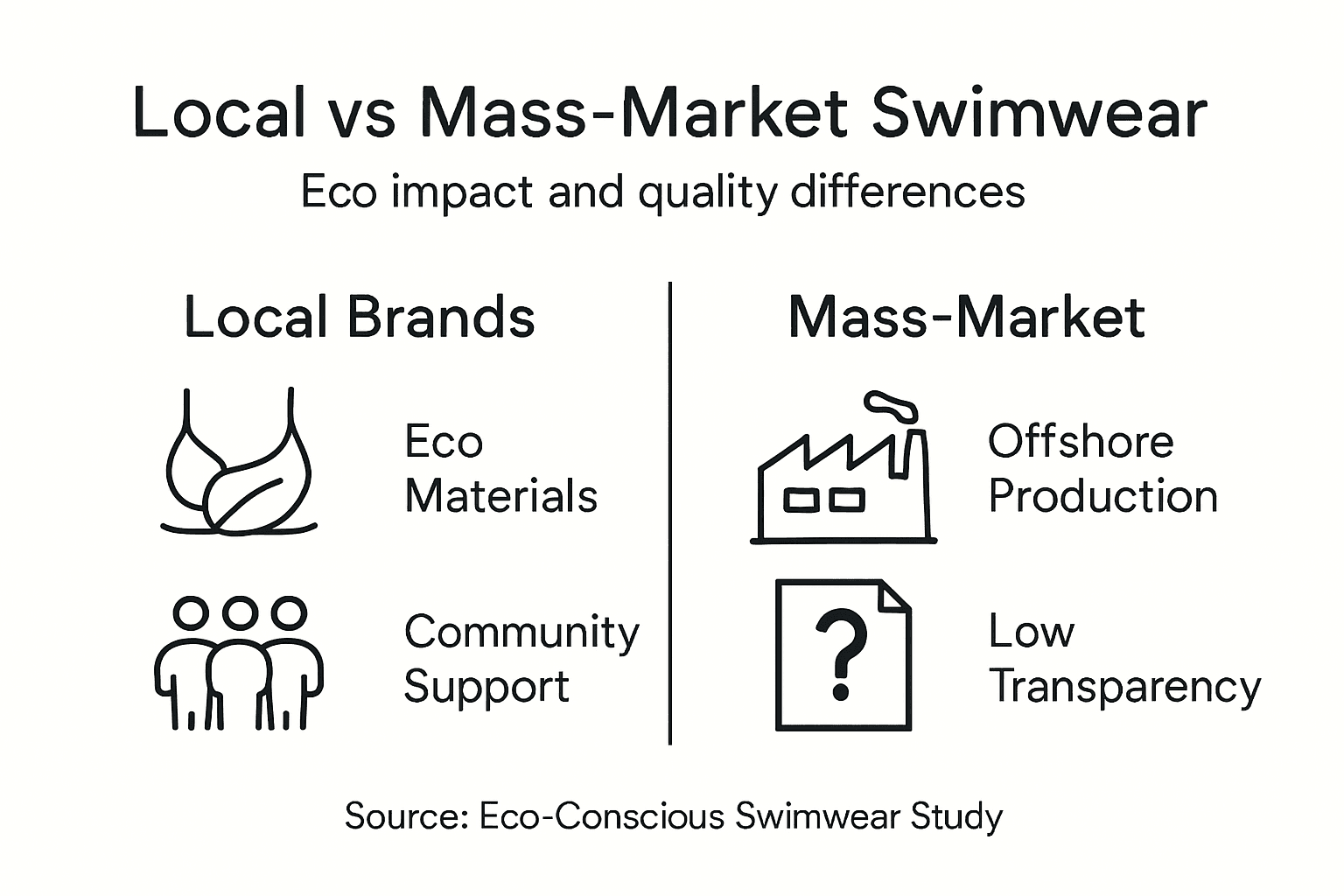
The swimwear aisle at your typical big-box retailer tells a story of convenience without conscience. Mass-market brands compete primarily on price and shelf space, churning out millions of identical swim trunks manufactured in countries with minimal environmental regulations and lax labor standards. These garments appear affordable upfront, but that bargain price conceals genuine costs. Mass-market swimwear dominates in volume while contributing significantly to environmental waste and lacking customization, with manufacturers prioritizing speed over quality. Your son’s swim trunks from a chain store typically last one or two seasons before the elastic fails, colors fade, or seams split. You end up replacing them repeatedly, ultimately spending more money while generating unnecessary landfill waste. Local swimwear brands operate under completely different economics. They prioritize durability, meaning swim trunks purchased this year work perfectly in three years. Better materials cost more initially, but longevity transforms the equation. You buy once and keep it longer. That’s not just financially smarter—it’s environmentally responsible.
The quality difference extends far beyond durability. Local and premium swimwear segments are growing due to consumer interest in sustainability, quality, and ethical sourcing, offering better materials and fair labor practices unavailable in mass-market products. When you examine construction details, local brands invest in reinforced seams, superior fabric treatments, and attention to fit that mass manufacturers skip. Your son notices the difference immediately. Swim trunks feel better against skin, dry faster, and maintain their shape after multiple washes. The colors stay vibrant. The waistband maintains elasticity. These seemingly small details compound over time, creating genuinely superior products. Mass-market manufacturers achieve low prices by cutting corners everywhere simultaneously: cheaper stitching, thinner fabrics, synthetic dyes that bleed into water. Local producers make different choices. They use quality thread, premium durable fabrics, and sustainable dyes. Yes, this costs more per pair. But you’re purchasing something substantially better.
Perhaps most importantly, comparing these options reveals fundamentally different business philosophies. Mass-market companies optimize for quarterly earnings and shareholder returns, treating environmental and labor costs as externalities to minimize. Local swimwear brands optimize for community impact and long-term reputation. When environmental problems emerge, mass manufacturers shift production to new countries and rebrand. Local brands cannot hide—their reputation lives in their community. This accountability drives genuine commitment to sustainable practices. You know exactly where your product comes from, who made it, and what impact your purchase generates. Your sons learn the connection between consumer choices and consequences. They see that quality costs more money but lasts longer. They understand that the cheapest option often creates the most waste. These lessons about conscious consumption carry forward throughout their lives, shaping how they approach purchasing decisions as adults.
Pro tip: Calculate the cost per wear by dividing purchase price by estimated usable seasons; local swimwear typically costs less per wear despite higher upfront prices, while mass-market options become expensive when factoring in frequent replacements.
Here’s a side-by-side look at key differences between local and mass-market swimwear brands:
| Aspect | Local Swimwear Brands | Mass-Market Brands |
|---|---|---|
| Production Location | Primarily North America | Mostly overseas factories |
| Supply Chain Transparency | High; direct customer access | Low; limited disclosure |
| Material Choices | Organic, recycled, biodegradable | Virgin synthetics dominate |
| Durability | Designed to last years | Wears out after few seasons |
| Economic Impact | Supports local jobs and taxes | Profits sent to shareholders |
| Accountability | Faces community scrutiny | Rare direct consumer input |
Avoiding Greenwashing and Making Impactful Purchases
The swimwear industry has perfected the art of looking green without actually being green. Brands plaster their websites with leaf logos, use words like “eco-friendly” and “sustainable” without defining them, and showcase a single recycled plastic initiative while their core operations remain environmentally destructive. This is greenwashing, and it’s rampant. Greenwashing prevalence in fashion involves brands making misleading sustainability claims without substantial environmental or social action. A massive corporation buys a tiny amount of recycled ocean plastic, makes it the centerpiece of their marketing campaign, and suddenly they’re “sustainable.” Meanwhile, 95 percent of their production still relies on virgin materials and exploitative labor. As an eco-conscious father, you need armor against this manipulation. The good news? Real sustainable brands operate differently. They don’t need flashy greenwashing because their actual practices speak louder. Legitimate local swimwear brands publish detailed environmental reports, invite third-party audits, and willingly answer tough questions about their supply chains.
Identifying genuine sustainability requires looking beyond marketing language. Ask specific questions. Don’t accept vague claims like “eco-friendly materials”—demand names. What percentage of the product uses recycled content? Is it ECONYL or generic recycled plastic? How much water does production consume? What certifications does the brand hold, and from which independent organizations? Real companies have answers. Greenwashing companies deflect. Stricter regulations and consumer education enable people to make impactful, trustworthy purchase choices, meaning your informed questions actually matter. When you push back on vague sustainability claims, you’re creating accountability pressure that rewards honesty. Local brands thrive on transparency precisely because they operate within communities where reputation cannot be manufactured. A swimwear producer in your region risks real consequences if environmental or labor claims prove false. They can’t rebrand and disappear like faceless corporations. This accountability transforms how they communicate sustainability. When a local brand claims ethical manufacturing, they mean it because you can verify it. You can visit. You can speak with employees. You can inspect the facilities. This verification possibility makes greenwashing far less profitable for regional producers.
Making impactful purchases requires developing specific evaluation skills. Check if the brand has third-party certifications like Fair Trade, OEKO-TEX, or B Corp status. These involve rigorous independent audits and ongoing monitoring. Research the company’s history. New brands with sudden sustainability pivots warrant skepticism. Established local brands with years of consistent practice suggest genuine commitment. Read customer reviews from people who bought years ago, not just recent ones—long-term customers reveal whether products actually last or fall apart. Ask about the company’s worst environmental impact and how they’re addressing it. Honest brands acknowledge their challenges rather than pretending perfection. Look for ocean-friendly clothing materials with transparent sourcing. Finally, calculate the environmental cost of your purchase. A slightly more expensive pair of swim trunks made from genuinely sustainable materials and produced ethically creates far less lifetime environmental damage than a cheap pair replacing it every season.
Pro tip: Before purchasing, email the brand and ask them to specify their worst environmental impact and concrete steps they’re taking to address it; brands genuinely committed to sustainability will discuss problems honestly rather than avoiding the question.
Choose Local Swimwear That Matches Your Eco-Conscious Values
Supporting local swimwear brands is more than a fashion choice It is a commitment to community, quality, and environmental responsibility This article highlights the challenge of greenwashing and the importance of transparency, sustainability, and ethical manufacturing when selecting swim trunks for your sons At LeClubOriginal, we understand your desire for durable, eco-friendly swimwear made with honest practices that honor both people and planet Our collection reflects these values by offering swim trunks crafted from recycled materials and organic fabrics with transparent supply chains and meaningful local impact
Discover stylish swim trunks that last longer and preserve our oceans while supporting sustainable manufacturing Visit LeClubOriginal today to explore our selection and take advantage of discounts up to 50% sitewide Free shipping on orders over $50 makes choosing greener choices easier now Make the switch to swimwear that truly supports your eco-conscious lifestyle and teaches your sons the power of mindful consumption
Shop sustainable swimwear now at LeClubOriginal
Frequently Asked Questions
What are the benefits of supporting local swimwear brands?
Supporting local swimwear brands helps strengthen the local economy, promotes sustainable manufacturing practices, and fosters community initiatives. When you buy local, your money stays within the community, supporting local jobs and environmental projects.
How do local swimwear brands ensure sustainable practices?
Local swimwear brands prioritize eco-friendly materials, such as recycled plastics and organic fibers, and implement ethical manufacturing practices. Their shorter supply chains also reduce transportation emissions and production waste, allowing for greater transparency and accountability.
What materials are commonly used in eco-friendly swimwear?
Eco-friendly swimwear often utilizes materials like recycled ocean plastics, organic cotton, and biodegradable fabrics. These materials are chosen for their lower environmental impact and durability, allowing swimwear to last longer and reduce landfill waste.
How can I verify if a swimwear brand is genuinely sustainable?
To determine if a brand is genuinely sustainable, look for third-party certifications like OEKO-TEX or Fair Trade, ask specific questions about their material sourcing and manufacturing practices, and check for transparency in their environmental impact reports.
Recommended
- Eco-Conscious Swimwear: Style with Ocean Impact – Le Club Original
- Eco-Conscious Swimwear: Style with Ocean Impact – Le Club Original
- Why Support Ethical Swimwear Brands Today – Le Club Original
- Why Support Ethical Swimwear Brands Today – Le Club Original
- Why Use Eco-Friendly Fabrics in Design Projects - fabric fabric
- The Essential Guide to Sustainability in Fashion