

Choosing swim trunks is now more than a style decision for men who care about the environment. The quest for beachwear that minimizes marine pollution and landfill waste gives upcycled swim trunks an exciting edge. These trunks embody a blend of fashion and function, using repurposed materials like ocean plastics and discarded textiles to offer unique swimwear with a lower environmental footprint. Discover how upcycled options let you make a tangible impact on global sustainability while enjoying every beach adventure.
Table of Contents
- What Are Upcycled Swim Trunks? Core Definition
- Types of Upcycled Swim Trunks and Key Materials
- How Upcycled Swim Trunks Are Made
- Environmental Impact and Sustainability Benefits
- Comparing Upcycled Swim Trunks With Regular Options
- Care, Longevity, and Common Buying Mistakes
Key Takeaways
| Point | Details |
|---|---|
| Sustainable Fashion Innovation | Upcycled swim trunks utilize waste materials to create stylish, functional beachwear, reducing environmental impact compared to traditional swimwear. |
| Material Sources | They are made from various materials such as ocean plastics and industrial textile waste, effectively addressing environmental challenges. |
| Performance Advantages | Upcycled swim trunks offer enhanced durability and moisture management, proving that sustainability can coexist with high performance. |
| Care and Longevity | Proper care is crucial for maintaining the unique properties of upcycled swim trunks, ensuring their longevity and effectiveness in reducing waste. |
What Are Upcycled Swim Trunks? Core Definition
Upcycled swim trunks represent an innovative approach to sustainable fashion that transforms waste materials into stylish, functional beachwear. At its core, this concept involves repurposing unwanted materials into high-performance swim attire that minimizes environmental impact.
The process of creating upcycled swim trunks goes far beyond traditional recycling. While recycling typically breaks down materials into raw components, upcycling preserves and reimagines existing materials in their current form. This approach allows designers to create unique swimwear with significantly reduced waste and environmental footprint.
Key characteristics of upcycled swim trunks include:
- Transformation of discarded fabrics like plastic bottles or fishing nets
- Reduction of waste sent to landfills
- Minimal additional processing compared to traditional manufacturing
- Unique design potential from repurposed materials
- Lower carbon emissions during production
Material Sources for Upcycling Upcycled swim trunks can originate from diverse waste streams, including:
Here’s a concise overview of popular material sources and their environmental contributions:
| Material Source | Environmental Challenge Addressed | Typical Swim Trunk Benefits |
|---|---|---|
| Ocean plastics | Marine pollution | Lightweight, quick-dry fabrics |
| Industrial textile waste | Factory discards | Unique color patterns |
| Abandoned gear | Outdoor equipment waste | Enhanced durability |
| Used clothing | Post-consumer textile waste | Diverse texture and styles |
- Discarded ocean plastics
- Abandoned fishing nets
- Industrial textile waste
- Retired outdoor gear
- Used performance clothing
Upcycling turns potential waste into wearable, functional fashion - transforming environmental challenges into stylish solutions.
Pro tip: When shopping for upcycled swim trunks, look for transparent supply chain information that details the specific materials and transformation process used in creating the garment.
Types of Upcycled Swim Trunks and Key Materials
Upcycled swim trunks represent a revolutionary approach to sustainable swimwear, utilizing diverse materials that would otherwise contribute to environmental waste. By transforming discarded resources into fashionable and functional swim attire, these innovative garments offer eco-conscious style options that appeal to environmentally aware consumers.
The primary material sources for upcycled swim trunks demonstrate remarkable creativity and environmental responsibility. Ocean plastic waste serves as a primary resource, with manufacturers collecting discarded fishing nets, plastic bottles, and other marine debris to create high-performance swimwear that actively contributes to ocean cleanup efforts.
Key Material Categories for Upcycled Swim Trunks Materials used in upcycled swim trunks typically fall into several innovative categories:
- Recycled Ocean Plastics: Transformed from fishing nets and marine waste
- Industrial Textile Remnants: Fabric scraps from manufacturing processes
- Abandoned Performance Gear: Repurposed outdoor and athletic clothing
- Post-Consumer Textiles: Discarded clothing items with remaining functional fabric
Material Transformation Process
- Collection of potential waste materials
- Cleaning and sanitization
- Breaking down materials into usable fibers
- Spinning new textile yarns
- Weaving or knitting specialized swimwear fabrics
Upcycled swim trunks transform environmental challenges into stylish, functional fashion statements that directly support ocean conservation efforts.
Beyond traditional recycling, upcycling allows designers to create unique textures and patterns that tell a story of environmental restoration. Each pair of swim trunks becomes a wearable testament to innovative sustainable design, offering men a way to make a tangible environmental impact through their fashion choices.
Pro tip: When purchasing upcycled swim trunks, examine the product description for specific details about the source materials and transformation process to ensure genuine sustainability.
How Upcycled Swim Trunks Are Made
The manufacturing of upcycled swim trunks represents a sophisticated process that transforms waste materials into high-performance, environmentally responsible swimwear. Innovative recycling techniques have revolutionized the way designers approach sustainable fashion, creating garments that are both stylish and ecologically conscious.
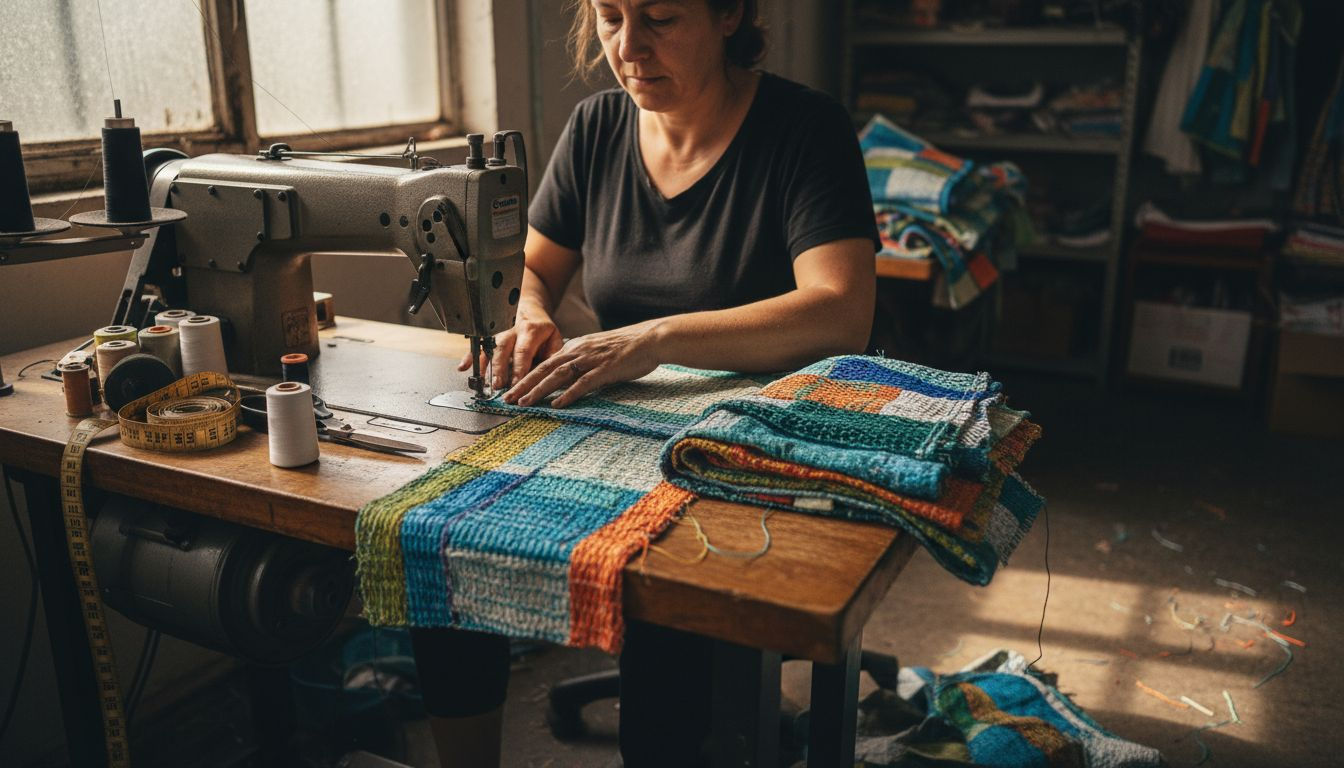
Key Manufacturing Stages involve a complex series of transformative steps that convert waste materials into wearable, functional swim attire. Material preparation begins with careful collection and sorting of potential waste streams, ensuring only high-quality materials meet the stringent standards required for swimwear production.
Detailed Manufacturing Process
- Material Collection
- Gathering ocean plastics
- Collecting industrial textile waste
- Sourcing abandoned performance gear
- Screening post-consumer textiles
- Preprocessing
- Cleaning collected materials
- Removing contaminants
- Sanitizing fabric components
- Separating usable fibers
- Textile Regeneration
- Breaking down materials
- Spinning new sustainable yarns
- Creating specialized fabric blends
- Developing water-resistant treatments
Material Transformation Techniques
- Chemical Recycling: Breaking down polymers to molecular level
- Mechanical Recycling: Shredding and re-spinning existing fibers
- Thermal Processing: Converting plastic waste into textile-grade materials
- Innovative Weaving: Creating unique fabric textures from reclaimed materials
Upcycled swim trunks transform potential waste into high-performance garments, proving that sustainability and style can coexist perfectly.
The final stages involve precision cutting, detailed stitching, and quality control to ensure each pair of swim trunks meets rigorous performance and aesthetic standards. Designers carefully balance technical requirements with creative design, producing garments that tell a story of environmental responsibility.
Pro tip: Inspect the inner tags of upcycled swim trunks to understand the specific materials and transformation process used in their creation.
Environmental Impact and Sustainability Benefits
Upcycled swim trunks represent a powerful solution to environmental challenges, transforming potential waste into functional fashion. Regenerated fabric technologies have revolutionized how we approach sustainability in the clothing industry, offering a tangible way to reduce ocean pollution and minimize environmental footprint.
Environmental Impact Metrics demonstrate the significant positive consequences of choosing upcycled swimwear. By repurposing materials that would otherwise contribute to landfill waste, these swim trunks dramatically reduce carbon emissions, water consumption, and raw material extraction associated with traditional textile manufacturing.
Key Sustainability Benefits
- Reduces ocean plastic pollution
- Minimizes industrial waste generation
- Decreases carbon emissions by up to 80%
- Conserves virgin raw material resources
- Supports circular economy principles
Comparative Environmental Advantages
- Water Usage Reduction
- Traditional swimwear: 2,000-3,000 liters per garment
- Upcycled swimwear: 200-500 liters per garment
- Carbon Emission Comparison
- Virgin polyester production: High greenhouse gas emissions
- Recycled material production: Significantly lower emissions
Each pair of upcycled swim trunks represents a direct intervention in the global waste management crisis, transforming environmental challenges into wearable solutions.
The broader impact extends beyond material conservation. Ethical manufacturing practices associated with upcycled swimwear often include fair labor conditions, transparent supply chains, and commitment to reducing overall environmental degradation.
Pro tip: Research the specific environmental certifications and transparency reports of swimwear brands to understand the true sustainability of their upcycled products.
Comparing Upcycled Swim Trunks with Regular Options
Upcycled swim trunks represent a revolutionary alternative to traditional swimwear, offering superior performance and sustainability that challenges conventional manufacturing practices. These innovative garments demonstrate that environmental responsibility does not require compromising on style, comfort, or functionality.
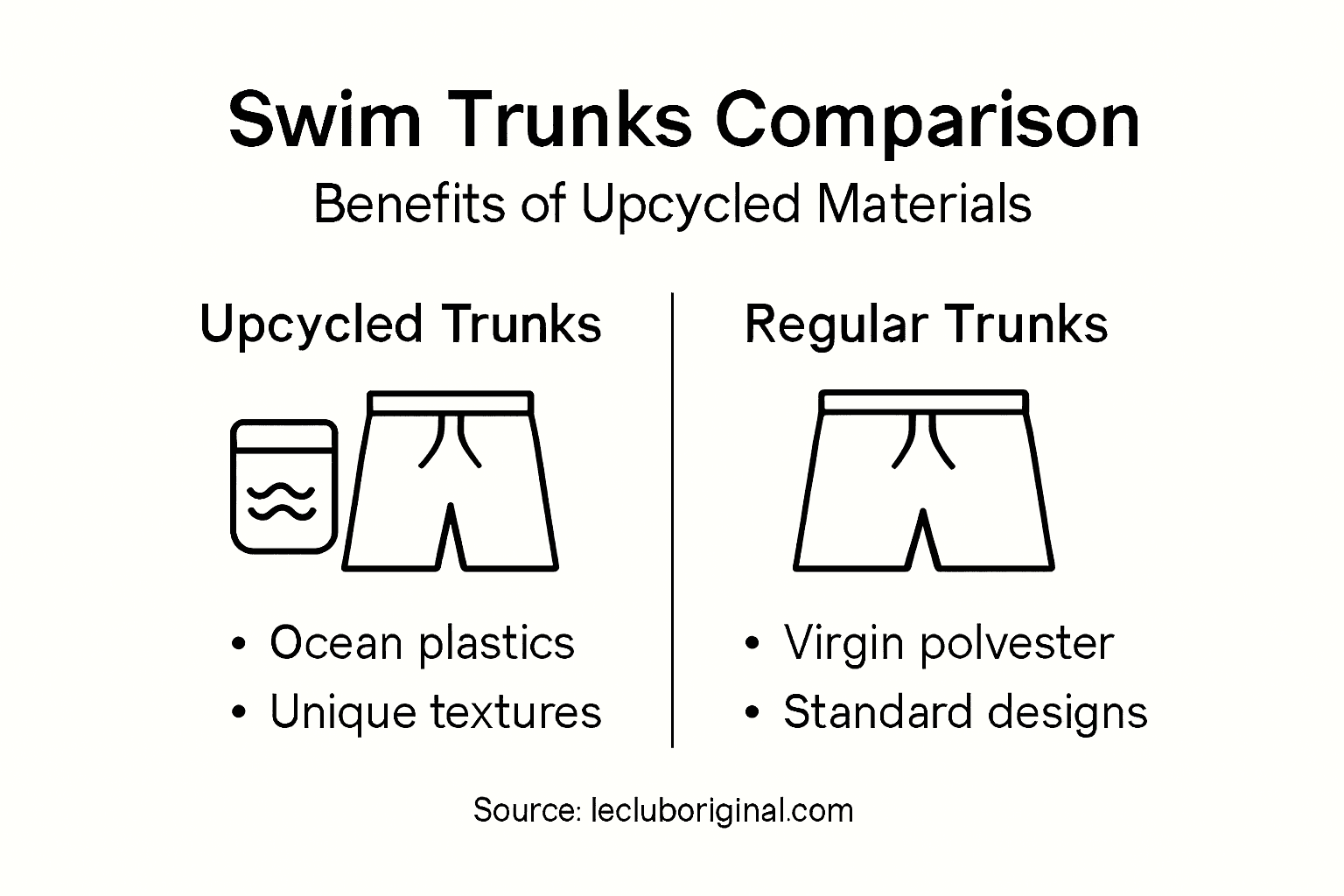
The fundamental differences between upcycled and regular swim trunks extend far beyond material composition. Performance characteristics reveal significant advantages for upcycled options, including enhanced durability, advanced moisture-wicking capabilities, and improved technical properties derived from regenerated materials.
Key Performance Comparisons
-
Regular Swim Trunks:
- Virgin polyester materials
- Higher environmental impact
- Standard production processes
- Limited sustainability features
-
Upcycled Swim Trunks:
- Recycled ocean plastics and textiles
- Reduced carbon footprint
- Innovative manufacturing techniques
- Enhanced environmental credentials
Technical Performance Metrics
Below is a summary comparing manufacturing methods for upcycled vs. traditional swim trunks:
| Method | Upcycled Swim Trunks | Regular Swim Trunks |
|---|---|---|
| Material sourcing | Waste repurposing (plastics/textiles) | Virgin polyester/fabric |
| Carbon emissions | Up to 80% lower | High emissions |
| Design flexibility | Unique, limited-edition styles | Uniform mass production |
| Water usage | 200-500 liters per garment | 2,000-3,000 liters per garment |
- Durability Comparison
- Regular Trunks: Standard wear resistance
- Upcycled Trunks: Enhanced fiber strength
- Moisture Management
- Regular Trunks: Basic absorption
- Upcycled Trunks: Advanced quick-dry technologies
Upcycled swim trunks prove that sustainable fashion can deliver superior performance while actively contributing to environmental conservation.
Beyond technical specifications, upcycled swim trunks represent a profound statement about personal values and environmental commitment. Conscious consumers increasingly recognize that their purchasing decisions can drive meaningful change in industrial manufacturing practices.
Pro tip: Always check the specific material composition and sustainability certifications when comparing upcycled versus traditional swim trunks to make an informed purchasing decision.
Care, Longevity, and Common Buying Mistakes
Maintaining upcycled swim trunks requires a nuanced approach that goes beyond standard clothing care. Consumer attachment and product longevity are directly linked to mindful maintenance practices that preserve both the garment’s performance and environmental integrity.
Care Fundamentals for Upcycled Swim Trunks focus on protecting the regenerated fabric’s unique structural properties. Gentle washing techniques, avoiding harsh chemicals, and understanding the specialized materials are critical to maintaining the trunks’ technical performance and reducing microplastic shedding.
Recommended Care Practices
- Rinse immediately after saltwater or chlorine exposure
- Use cold water for washing
- Avoid fabric softeners
- Air dry away from direct sunlight
- Use mild, eco-friendly detergents
Common Buying and Maintenance Mistakes
- Overlooking sizing details
- Ignoring care instructions
- Purchasing based on trends
- Improper storage
- Using harsh cleaning methods
Proper care transforms upcycled swim trunks from a simple garment into a long-lasting, environmentally responsible fashion statement.
Understanding the unique characteristics of upcycled materials helps consumers make informed decisions that extend garment lifecycle. Mindful purchasing means considering not just immediate aesthetic appeal, but long-term wearability and environmental impact.
Pro tip: Store your upcycled swim trunks flat or hung loosely, and always check specific manufacturer care instructions to maximize their performance and longevity.
Discover Stylish Upcycled Swim Trunks That Protect Our Oceans
The article highlights the urgent need to combat ocean plastic pollution by choosing swimwear made from recycled materials like discarded fishing nets and industrial textile waste. If you want to make a real impact while enjoying high-quality beachwear, embracing upcycled swim trunks is the perfect solution. These trunks combine unique designs, durability, and environmental responsibility, demonstrating that protecting ocean health does not mean sacrificing style or performance.

Explore our exclusive collection at lecluboriginal.com where you will find eco-friendly swim trunks crafted from sustainable materials. Join countless conscious consumers who prioritize reduced carbon emissions, less water waste, and ocean cleanup in their fashion choices. Act now to enjoy up to 50% off during our seasonal sale and take advantage of free shipping on orders over $50. Don’t just wear swim trunks, wear a commitment to ocean health. Start your sustainable swimwear journey today by visiting our website and experience sustainable style firsthand.
Frequently Asked Questions
What are upcycled swim trunks?
Upcycled swim trunks are swimwear made from repurposed materials, such as discarded ocean plastics and industrial textile waste, designed to minimize environmental impact while providing functional beachwear.
How are upcycled swim trunks made?
The manufacturing process of upcycled swim trunks involves collecting waste materials, cleaning and sanitizing them, breaking them down into usable fibers, spinning new textile yarns, and finally weaving or knitting them into swimwear.
What materials are commonly used in upcycled swim trunks?
Common materials for upcycled swim trunks include recycled ocean plastics, industrial textile remnants, abandoned performance gear, and post-consumer textiles, all sourced from waste that would otherwise contribute to pollution.
What are the key benefits of choosing upcycled swim trunks over traditional swimwear?
Upcycled swim trunks typically have a lower environmental impact, including reduced carbon emissions, minimized water usage, and decreased reliance on virgin materials, while also offering unique designs and enhanced durability.
Recommended
- 7 Key Advantages of Recycled Swim Trunks for Eco-Conscious Men – Le Club Original
- 7 Key Advantages of Recycled Swim Trunks for Eco-Conscious Men – Le Club Original
- 7 Key Advantages of Recycled Swim Trunks for Eco-Conscious Men – Le Club Original
- 7 Essential Features of Quality Swim Trunks for Men – Le Club Original