

Searching for swimwear that protects the ocean without sacrificing style or comfort can feel impossible when packing for your next trip to Thailand, Australia, or Italy. The demand for sustainable swimwear is growing as eco-conscious travelers recognize the impact of fast fashion on marine environments. By focusing on closed-loop swimwear systems, you can enjoy premium performance fabrics while directly supporting ocean conservation and responsible manufacturing.
Table of Contents
- Closed-Loop Swimwear: Core Concepts And Myths
- Types And Materials In Closed-Loop Systems
- How Circular Swimwear Dramatically Reduces Waste
- Environmental And Social Benefits For Oceans
- Key Challenges And Consumer Choices Worldwide
Key Takeaways
| Point | Details |
|---|---|
| Sustainability Focus | Closed-loop swimwear prioritizes environmental responsibility through recycling and material recovery. |
| Performance Myths | Modern sustainable materials can match or exceed traditional swimwear quality and durability. |
| Consumer Education | Understanding the benefits of closed-loop systems is crucial for making informed purchases that support sustainability. |
| Transparent Practices | Look for brands that provide clear information about their materials, manufacturing processes, and recycling initiatives. |
Closed-Loop Swimwear: Core Concepts and Myths
Understanding closed-loop swimwear requires looking beyond traditional manufacturing approaches. This innovative concept represents a radical transformation in how beach and swim apparel gets produced, focusing on sustainability and environmental responsibility. Circular design principles challenge conventional linear production models that generate significant waste.
The core principles of closed-loop swimwear revolve around three critical elements:
- Material Recovery: Designing products that can be completely recycled or biodegraded
- Zero Waste Manufacturing: Minimizing environmental impact during production
- Extended Product Lifecycle: Creating swimwear that remains functional and stylish through multiple use cycles
Many misconceptions persist about closed-loop swimwear performance. Traditional assumptions suggest sustainable materials compromise quality, durability, or comfort. However, modern competitive swimwear development demonstrates that circular design can actually enhance product performance while reducing environmental footprint.
The myths surrounding closed-loop swimwear often stem from outdated perceptions about sustainable manufacturing. Consumers frequently believe eco-friendly products are inherently less effective or more expensive. In reality, advanced textile technologies now enable manufacturers to create high-performance swimwear that matches or exceeds traditional product capabilities.
Pro tip: When shopping for closed-loop swimwear, look for transparent manufacturing processes and certifications that demonstrate genuine environmental commitment.
Here’s how closed-loop swimwear compares to the traditional approach:
| Aspect | Closed-Loop Swimwear | Traditional Swimwear |
|---|---|---|
| Waste Generation | Designed for minimal waste | Generates significant waste |
| Material Sourcing | Uses recycled/biobased inputs | Relies on virgin resources |
| Product End-of-Life | Facilitates full recycling | Typically ends in landfill |
| Brand Transparency | Emphasizes open supply chains | Often limited information |
Types and Materials in Closed-Loop Systems
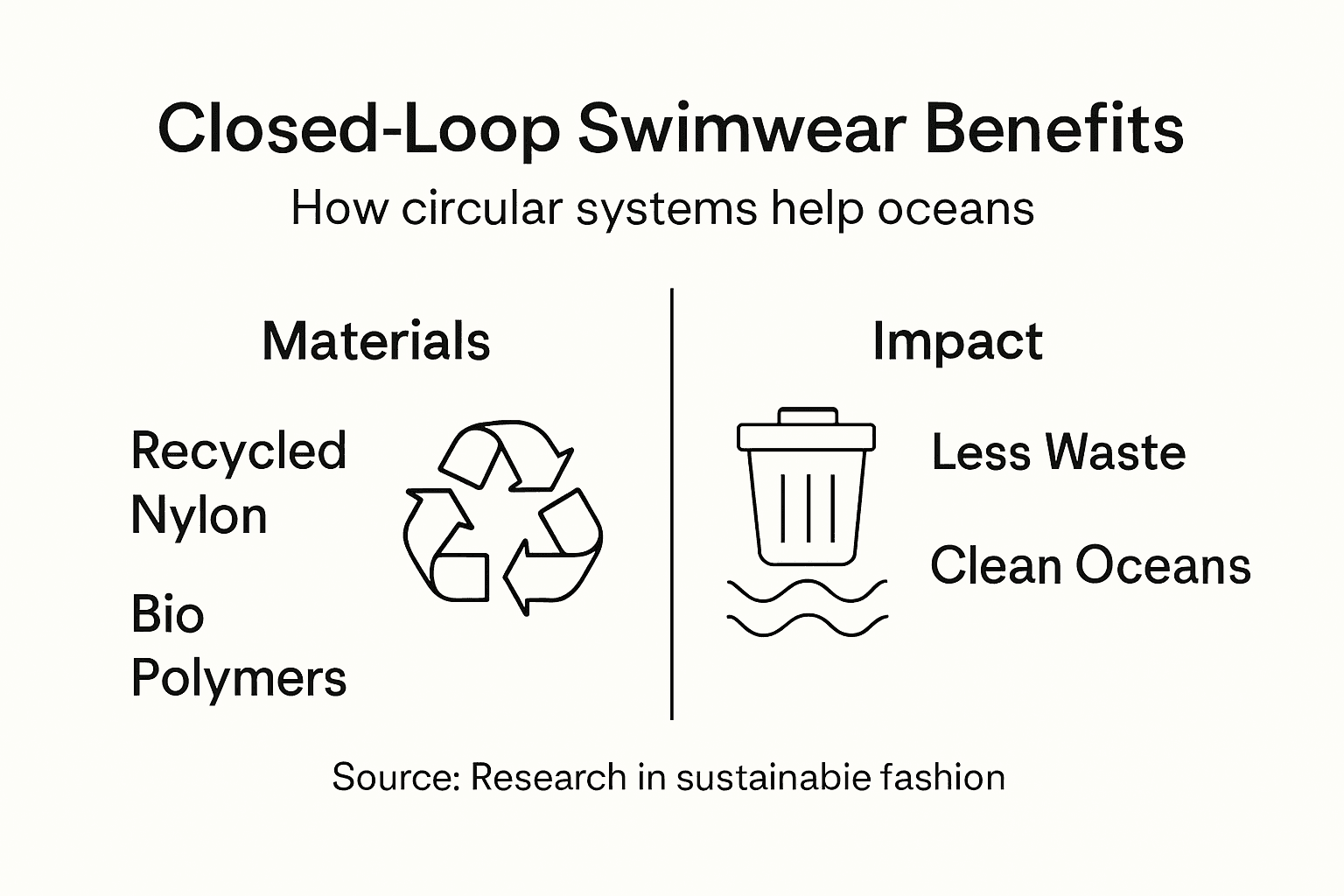
Closed-loop swimwear represents a sophisticated intersection of advanced materials science and environmental sustainability. High-technology swimwear fabrics have evolved dramatically, moving beyond traditional manufacturing approaches to create performance-driven, eco-friendly solutions that minimize environmental impact.
The most innovative materials used in closed-loop swimwear systems include:
- Regenerated Nylon: Econyl and similar recycled nylon materials
- Recycled Polyester: Derived from post-consumer plastic waste
- Bio-Based Polymers: Sustainable alternatives with reduced carbon footprint
- Spandex Composites: Performance fabrics with enhanced recyclability
Advanced Polymer Technologies play a crucial role in developing sustainable recyclable materials that can be continuously reprocessed without significant quality degradation. These innovative materials undergo complex depolymerization and repolymerization processes, ensuring that swimwear can be broken down and recreated multiple times without losing structural integrity.
Regulatory frameworks and performance standards continue to challenge manufacturers to develop materials that balance environmental responsibility with athletic performance. The swimwear industry has responded by creating sophisticated fabric technologies that not only meet strict competitive standards but also contribute to ocean conservation efforts.
Pro tip: Check fabric composition labels to understand the recyclability and environmental impact of your swimwear before purchasing.
Below is a summary of major closed-loop swimwear materials and their advantages:
| Material Type | Environmental Benefit | Performance Feature |
|---|---|---|
| Regenerated Nylon | Reduces ocean plastic | Highly durable fiber |
| Recycled Polyester | Lowers waste and emissions | Quick-drying comfort |
| Bio-Based Polymers | Lower carbon footprint | Renewable sourcing |
| Spandex Composites | Easier recycling | Retains stretch properties |
How Circular Swimwear Dramatically Reduces Waste
Circular swimwear represents a transformative approach to addressing environmental challenges in the fashion industry. Circular economy principles fundamentally reimagine how swimwear products are designed, produced, and ultimately recycled, creating a sustainable alternative to traditional linear manufacturing models that generate significant waste.
The waste reduction strategy for circular swimwear involves several key mechanisms:
- Material Regeneration: Converting discarded swimwear into new fabric
- Extended Product Lifecycle: Designing garments for multiple use cycles
- Minimal Virgin Resource Consumption: Reducing demand for new raw materials
- Waste Stream Interruption: Preventing textile waste from entering landfills
Innovative Recycling Technologies play a crucial role in ending plastic pollution through swimwear production. By implementing advanced depolymerization processes, manufacturers can break down used swimwear into base materials, which can then be reconstructed into new high-performance garments without compromising quality or environmental integrity.
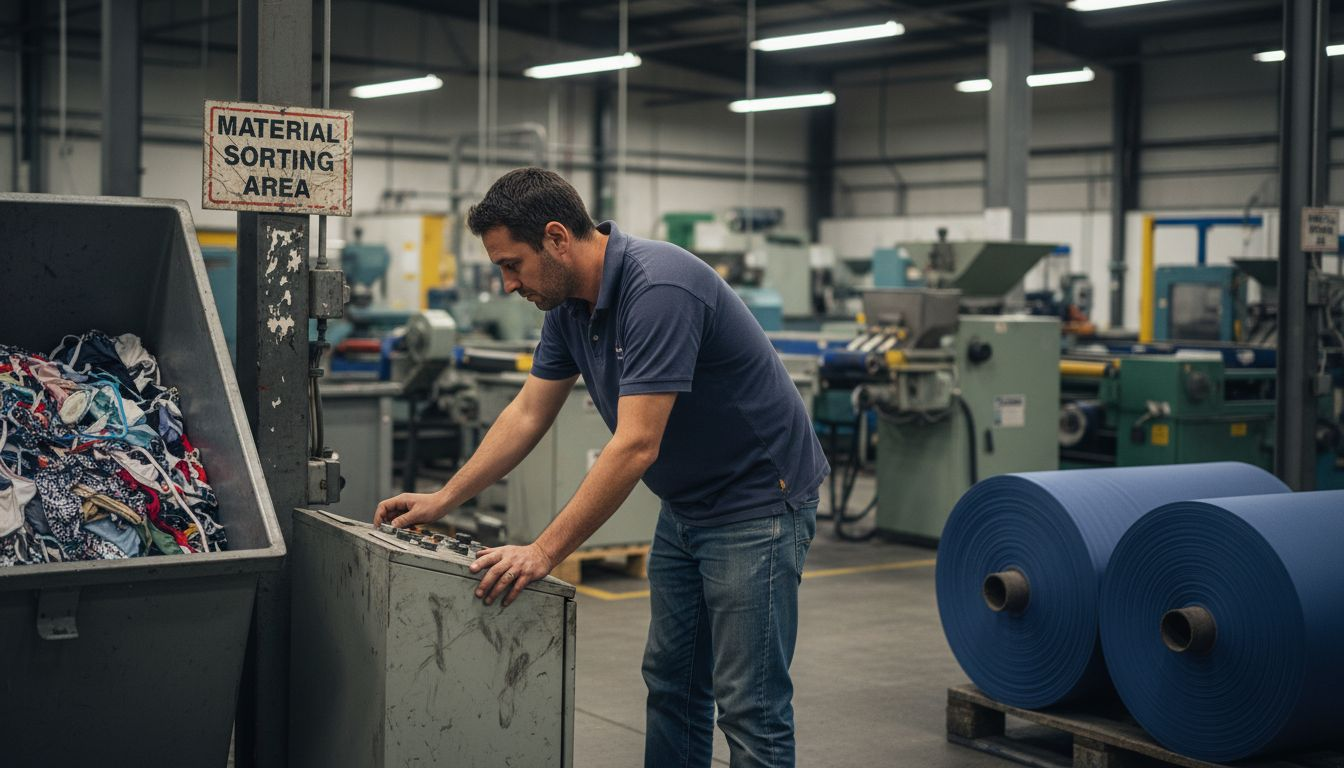
The environmental impact of circular swimwear extends far beyond individual product lifecycles. By shifting from traditional linear production to circular systems, brands can significantly reduce marine debris, minimize carbon emissions, and create a more sustainable approach to textile manufacturing. This systemic change represents a critical strategy for protecting marine ecosystems and reducing the fashion industry’s overall environmental footprint.
Pro tip: Research swimwear brands that provide take-back or recycling programs to maximize your contribution to circular economy efforts.
Environmental and Social Benefits for Oceans
Circular swimwear represents a powerful strategy for protecting marine ecosystems through innovative circular economy approaches. By reimagining textile production, these sustainable practices directly contribute to ocean health, biodiversity preservation, and global environmental protection.
The environmental benefits of circular swimwear include:
- Plastic Pollution Reduction: Preventing marine microplastic contamination
- Resource Conservation: Minimizing virgin material extraction
- Carbon Emission Reduction: Lowering manufacturing-related greenhouse gases
- Marine Ecosystem Protection: Decreasing textile waste in ocean environments
Sustainable Manufacturing plays a critical role in closed-loop recycling processes that support both environmental and social wellness. These approaches create meaningful economic opportunities for textile workers while simultaneously addressing critical environmental challenges, demonstrating how sustainable practices can generate positive global impacts.
Beyond environmental benefits, circular swimwear supports broader social objectives by promoting ethical labor practices, supporting fair wages, and creating transparent supply chains. By prioritizing worker safety, reducing resource extraction, and minimizing industrial waste, these innovative manufacturing models represent a holistic approach to sustainable textile production that extends far beyond traditional environmental conservation efforts.
Pro tip: Research swimwear brands that transparently communicate their social and environmental sustainability practices to make informed purchasing decisions.
Key Challenges and Consumer Choices Worldwide
The global transition to closed-loop swimwear is complex, involving intricate supply chain challenges that require coordinated efforts across manufacturing, consumer education, and environmental sustainability. Understanding these challenges is crucial for making informed purchasing decisions that support ocean conservation and sustainable fashion.
Key challenges facing closed-loop swimwear implementation include:
- Collection Logistics: Developing efficient recycling and return systems
- Cost Accessibility: Balancing sustainable production with affordable pricing
- Performance Standards: Maintaining high-quality fabric performance
- Consumer Education: Increasing awareness about circular fashion practices
Consumer Transparency plays a critical role in driving sustainable fashion choices. As more individuals understand the environmental impact of their clothing, demand increases for swimwear brands that demonstrate genuine commitment to circular economy principles, ethical manufacturing, and transparent supply chains.
Global consumer preferences are rapidly evolving, with increasing numbers of environmentally conscious buyers seeking swimwear that aligns with their values. This shift requires manufacturers to not only improve their production methods but also communicate their sustainability efforts clearly and authentically. By bridging the gap between consumer expectations and industry practices, closed-loop swimwear can become a powerful tool for environmental conservation.
Pro tip: Ask swimwear brands specific questions about their recycling processes, material sourcing, and environmental certifications before making a purchase.
Discover Stylish Closed-Loop Swimwear That Protects Our Oceans
The article highlights the pressing challenge of marine pollution caused by traditional swimwear manufacturing and waste. It emphasizes the need for closed-loop swimwear that uses recycled materials, zero waste processes, and extended product lifecycles to reduce ocean plastic and carbon emissions. If you care about protecting marine ecosystems but do not want to compromise style or performance, this is your moment to make a difference. At Le Club Original, we share your passion for sustainability and offer swim trunks and beach apparel crafted from eco-conscious fabrics designed to minimize waste and promote circular economy principles.

Step into a new era of swimwear with our curated collections that combine fashion with environmental care. Act now by exploring our sustainable options that support ocean conservation and embrace transparent supply chains. Visit Le Club Original to shop stylish and responsible swimwear today and join a community committed to eco-responsibility and mental health awareness. Make every beach day a vote for a cleaner ocean.
Frequently Asked Questions
What is closed-loop swimwear?
Closed-loop swimwear refers to swim apparel produced using sustainable practices where materials are designed for recycling or biodegradation, minimizing waste and environmental impact.
How does closed-loop swimwear help reduce ocean pollution?
Closed-loop swimwear helps reduce ocean pollution by preventing plastic waste from entering marine environments, promoting the recycling of materials, and conserving resources throughout its lifecycle.
What materials are commonly used in closed-loop swimwear?
Common materials in closed-loop swimwear include regenerated nylon, recycled polyester, bio-based polymers, and spandex composites, all of which are designed to be more environmentally friendly.
Are sustainable swimwear materials as effective as traditional materials?
Yes, modern sustainable swimwear materials are engineered to meet or exceed the performance standards of traditional materials, ensuring high quality, durability, and comfort without compromising environmental responsibility.