

Shopping for swimwear often means making tough choices between performance, style, and impact on the planet. For urban men who care about ocean health and sustainable fashion, organic cotton swimwear breaks through old myths and sets a new standard for beachwear. Grown without harmful chemicals and certified for eco-friendly production, this fabric provides superior softness, supports safer working conditions, and helps reduce water pollution worldwide. Discover how organic cotton can bring both style and genuine sustainability to your next beach vacation.
Table of Contents
- Defining Organic Cotton Swimwear And Myths
- How Organic Cotton Swimwear Is Made
- Benefits For Oceans, Beaches, And Skin
- Limitations And Care Considerations
- Comparing Organic Cotton To Other Fabrics
Key Takeaways
| Point | Details |
|---|---|
| Organic Cotton Swimwear Benefits | Provides environmental sustainability by eliminating harmful chemicals, supporting biodiversity, and protecting skin health. |
| Versatility and Aesthetics | Modern organic cotton swimwear offers a wide range of colors and styles without sacrificing environmental integrity. |
| Care Considerations | Proper maintenance, such as rinsing in cold water and air drying, extends the garment’s lifespan and preserves its eco-friendly properties. |
| Comparative Sustainability | Organic cotton stands out for its biodegradability and minimal environmental impact, unlike traditional synthetic fabrics that produce microplastic pollution. |
Defining Organic Cotton Swimwear and Myths
Organic cotton swimwear represents more than just a fashion trend—it’s a sustainable approach to beach and swim apparel that challenges traditional textile production methods. Organic cotton myths have long prevented consumers from understanding its true environmental and social benefits.
At its core, organic cotton swimwear is crafted from cotton grown without synthetic pesticides, chemical fertilizers, or genetically modified seeds. This production method differs dramatically from conventional cotton farming, which relies heavily on harmful agricultural chemicals. The key distinctions include:
- Elimination of toxic pesticides and fertilizers
- Preservation of soil health and biodiversity
- Reduced water consumption during cultivation
- Support for safer working conditions for farmers
- Lower environmental impact compared to traditional cotton production
Contrary to popular misconceptions, organic cotton isn’t just a marketing gimmick. Sustainable fabric production actually creates tangible benefits for both environmental ecosystems and human health. The fabric offers superior softness, durability, and reduces the chemical exposure typically associated with conventional textile manufacturing.
One persistent myth suggests that organic cotton is less versatile or attractive than traditional fabrics. However, modern organic cotton can be produced in various colors, textures, and styles—proving that sustainability doesn’t compromise aesthetic appeal. From vibrant swim trunks to elegant bikinis, organic cotton provides a full range of fashionable options for environmentally conscious consumers.
Pro tip: When shopping for organic cotton swimwear, look for certifications like Global Organic Textile Standard (GOTS) to ensure authentic sustainable production practices.
How Organic Cotton Swimwear Is Made
Creating organic cotton swimwear involves a meticulous process that prioritizes environmental sustainability and ethical manufacturing. Organic cotton fabric production begins with carefully cultivated cotton plants grown in warmer climates without synthetic pesticides or genetic modifications.
The production journey encompasses several critical stages:
- Hand-harvesting cotton to preserve fiber quality
- Spinning raw fibers into specialized yarn
- Weaving or knitting fabric with minimal chemical processing
- Blending organic cotton with small percentages of stretch materials
- Applying ecological certifications like Global Organic Textile Standard (GOTS)
Manufacturers typically combine organic cotton with elastane or nylon to ensure swimwear maintains essential performance characteristics like shape retention and durability. This strategic blending allows the fabric to provide comfort and functionality while maintaining its eco-friendly credentials. The percentage of synthetic materials is carefully controlled, usually ranging between 5-10% to provide necessary stretch without compromising the organic integrity.

Sustainable manufacturing goes beyond material selection. The entire production chain is scrutinized to minimize environmental impact, from water usage during cultivation to the chemicals used in fabric finishing. Brands committed to true sustainability work to reduce carbon footprint, support fair labor practices, and create swimwear that looks good while doing good for the planet.
Pro tip: Always check for third-party certifications like GOTS when purchasing organic cotton swimwear to ensure authentic sustainable production practices.
Benefits for Oceans, Beaches, and Skin
Organic cotton swimwear delivers remarkable advantages that extend far beyond traditional beachwear. Natural fiber swimwear benefits represent a holistic approach to protecting both personal health and marine ecosystems.
For skin health, organic cotton swimwear offers multiple critical advantages:
- Hypoallergenic fabric reducing skin irritation
- Breathable material preventing bacterial buildup
- Moisture-wicking properties for temperature regulation
- Chemical-free fibers ideal for sensitive skin types
- Natural temperature management during beach activities
Environmentally, organic cotton swimwear makes significant contributions to ocean conservation. By eliminating synthetic pesticides and harmful agricultural chemicals, these garments prevent toxic runoff from contaminating marine habitats. The reduction of microplastic shedding—a major concern with traditional synthetic swimwear—means less long-term pollution in coastal ecosystems.
Beyond environmental impact, organic cotton swimwear provides tangible health protections. The natural fibers create a barrier against potential skin infections, allergic reactions, and chemical exposures common with conventionally manufactured swim attire. This makes them an exceptional choice for individuals with sensitive skin or those committed to minimizing their environmental footprint.
Pro tip: Choose swimwear with third-party ecological certifications to ensure maximum skin and environmental protection.
Limitations and Care Considerations
While organic cotton swimwear offers numerous benefits, organic cotton production challenges present important considerations for conscious consumers. Understanding these limitations helps set realistic expectations and optimize garment performance and longevity.
Key limitations of organic cotton swimwear include:
- Lower fabric yield compared to synthetic materials
- Higher production costs
- Increased water absorption
- Longer drying times
- Potential for faster fabric wear in harsh environments
- More complex maintenance requirements
Maintaining organic cotton swimwear requires strategic care to preserve its integrity. The natural fibers demand gentler treatment compared to synthetic alternatives, which means avoiding harsh chemicals, excessive heat, and prolonged direct sunlight. Careful washing, minimal wringing, and air drying in shade can significantly extend the swimwear’s functional lifespan.
The performance trade-offs are typically addressed by manufacturers through innovative design solutions. Blending organic cotton with small percentages of elastic fibers helps mitigate potential shape loss, water absorption, and durability concerns. These strategic fabric combinations ensure that eco-conscious swimmers can enjoy sustainable swimwear without compromising on comfort or aesthetic appeal.
Pro tip: Rinse your organic cotton swimwear in cold water immediately after saltwater or chlorine exposure to prevent fabric degradation.
This table summarizes practical care tips and maintenance results for organic cotton swimwear:
| Care Tip | Benefit | Result |
|---|---|---|
| Cold water rinse after use | Removes salt and chlorine | Preserves softness and strength |
| Air dry in shade | Prevents fiber damage | Extends swimwear lifespan |
| Avoid harsh detergents | Minimizes chemical wear | Maintains skin-friendly properties |
| Store flat, not folded | Reduces fabric stretching | Retains original shape longer |
Comparing Organic Cotton to Other Fabrics
Swimwear fabric selection represents a complex balance between performance, environmental impact, and personal comfort. Sustainable swimwear fabric comparisons reveal nuanced differences between organic cotton and alternative materials.
Key comparative characteristics of swimwear fabrics include:
- Performance metrics
- Environmental sustainability
- Skin sensitivity considerations
- Durability and longevity
- Production ecological footprint
- Manufacturing complexity
Synthetic fabrics like recycled nylon and polyester traditionally dominate swimwear markets due to their superior stretch, quick-drying properties, and durability. These materials excel in athletic performance but carry significant environmental drawbacks, including microplastic pollution and non-biodegradable compositions. Organic cotton, by contrast, offers remarkable breathability, natural softness, and complete biodegradability—making it an exceptional choice for environmentally conscious consumers prioritizing ecological responsibility.
Natural alternatives like hemp complement organic cotton’s sustainability profile, providing additional benefits such as enhanced UV resistance and increased fabric durability. Innovative manufacturers increasingly blend these natural fibers with minimal synthetic elastomers, creating swimwear that balances ecological integrity with functional performance. This approach allows consumers to enjoy swimwear that feels good, performs well, and supports environmental conservation.
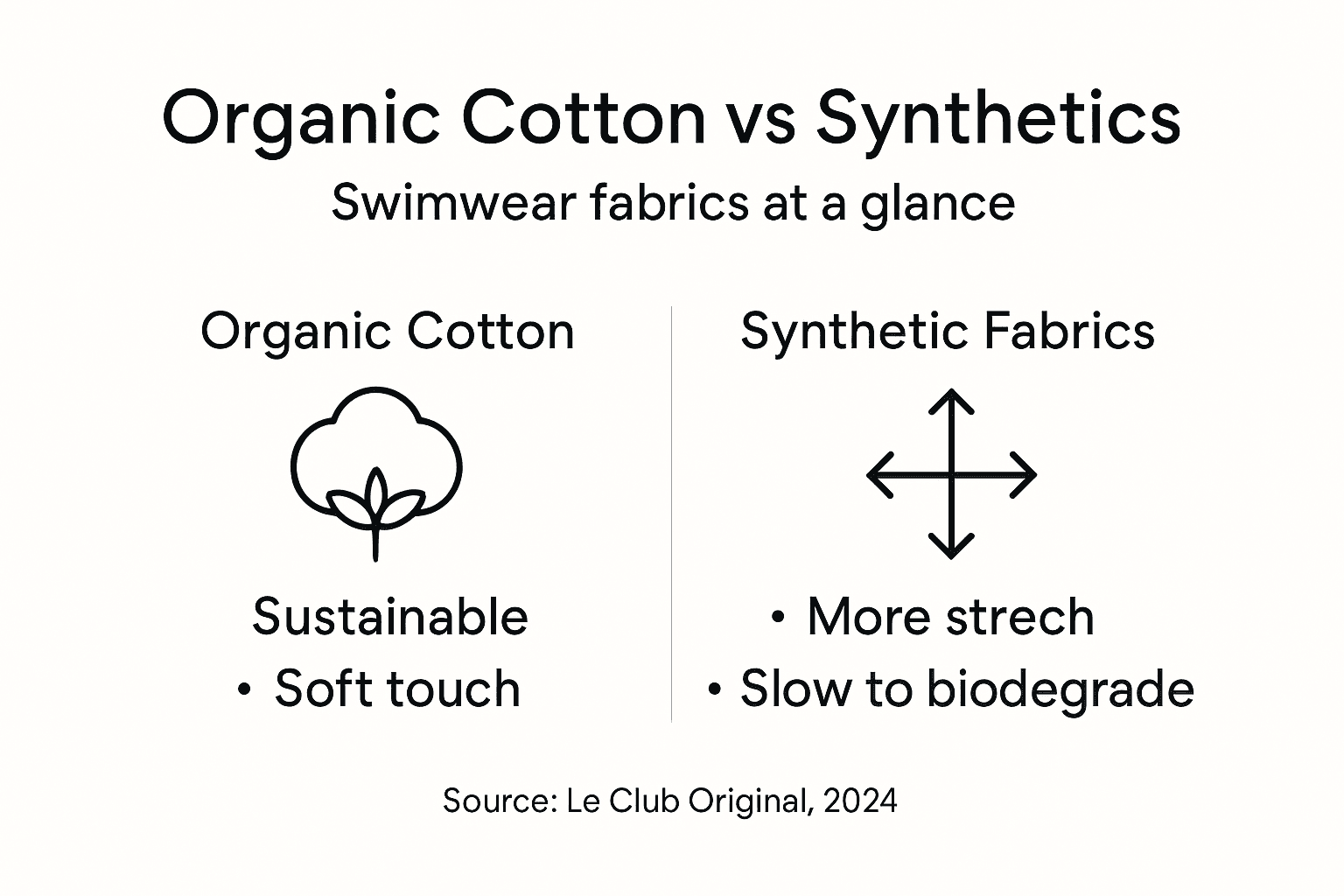
Here’s a quick overview of how key swimwear fabric choices differ for eco-conscious buyers:
| Fabric Type | Sustainability Impact | Skin Sensitivity | Biodegradability |
|---|---|---|---|
| Organic Cotton | High, minimal chemicals used | Excellent for sensitive skin | Fully biodegradable |
| Recycled Nylon | Reduces landfill waste | May cause irritation for some | Not biodegradable |
| Hemp | Very high, low water use | Soft, hypoallergenic | Biodegradable |
| Polyester | High pollution, microplastic shedding | May trap bacteria and sweat | Not biodegradable |
Pro tip: Select swimwear that blends organic cotton with small percentages of recycled elastic fibers for optimal performance and sustainability.
Embrace Sustainable Style with Organic Cotton Swimwear Today
Choosing organic cotton swimwear addresses the challenge of harmful environmental impact and skin irritation caused by conventional fabrics. Many eco-conscious beachgoers struggle to find swimwear that balances comfort, durability, and true sustainability without compromising style. As the article reveals, organic cotton swimwear not only protects delicate skin by being hypoallergenic and chemical-free but also helps reduce ocean pollution by eliminating toxic runoff and microplastic shedding. With these benefits in mind, it is crucial to choose swimwear crafted through responsible manufacturing processes.

Discover the perfect blend of fashion and eco-responsibility at Le Club Original where you can shop from a curated collection of stylish, sustainable swim trunks and beach apparel designed for men and boys. Every piece reflects a commitment to reducing ocean pollution and promoting environmental well-being. Start your eco-friendly summer wardrobe now and enjoy features like promotional discounts, free shipping, and a community dedicated to sustainability. Explore more about the impact of organic cotton and get your ideal swimwear at Le Club Original’s landing page while embracing a healthier planet and skin today.
Frequently Asked Questions
What is organic cotton swimwear?
Organic cotton swimwear is made from cotton grown without the use of synthetic pesticides, chemical fertilizers, or genetically modified seeds, focusing on environmental sustainability and reducing harmful impacts associated with traditional textile production.
What are the benefits of wearing organic cotton swimwear?
Organic cotton swimwear is hypoallergenic, breathable, moisture-wicking, and free from harmful chemicals, making it ideal for sensitive skin. Additionally, it contributes to ocean conservation by reducing toxic runoff and microplastic pollution.
How is organic cotton swimwear made?
Organic cotton swimwear is produced through careful cultivation and manufacturing processes, including hand-harvesting, spinning fibers into yarn, weaving or knitting fabric, and ensuring ecological certifications like Global Organic Textile Standard (GOTS) for authenticity.
How does organic cotton compare to synthetic swimwear fabrics?
Organic cotton offers superior breathability, natural softness, and biodegradability compared to synthetic fabrics, which may provide better stretch and durability but contribute to microplastic pollution. Blending organic cotton with small amounts of elastic fibers can enhance performance while maintaining sustainability.