

Packing for a day at the beach is more than just grabbing your favorite trunks and sunscreen. If you care about the planet, every choice in your bag can help protect wildlife, reduce pollution, and support ethical brands. The challenge? So many beach essentials are made from materials that harm oceans and create unnecessary waste.
You deserve options that deliver both comfort and a clear conscience. This guide shows you how small changes—like picking the right swim trunks, switching up your flip-flops, or rethinking your water bottle—add up to a more sustainable summer. Get ready to discover easy, eco-friendly swaps that will upgrade your beach experience and make a real difference for the environment.
Table of Contents
- Choose Sustainable Swim Trunks With Lasting Quality
- Pack Sun-Protective Shirts Made From Recycled Materials
- Opt For Eco-Friendly Flip-Flops And Footwear
- Include Reusable Water Bottles And Snack Containers
- Bring Lightweight, Organic Beach Cover-Ups
- Select Biodegradable Sunscreen For Ocean Safety
- Use Compact, Recycled-Fabric Beach Bags
Quick Summary
| Key Message | Explanation |
|---|---|
| 1. Choose High-Quality Sustainable Swim Trunks | Invest in durable swim trunks made from recycled nylon or organic cotton blends to reduce waste and enhance eco-friendliness. |
| 2. Pack Recycled Sun-Protective Shirts | Opt for sun shirts made from recycled materials with UPF ratings for skin protection and reduced environmental impact. |
| 3. Select Eco-Friendly Beach Footwear | Use sustainable flip-flops crafted from recycled materials to lessen plastic pollution while enjoying comfort. |
| 4. Use Reusable Containers | Bring reusable water bottles and snack containers to minimize single-use plastic waste and promote sustainability. |
| 5. Choose Biodegradable Sunscreen | Protect your skin with biodegradable sunscreen that avoids harming marine life while effectively blocking UV rays. |
1. Choose Sustainable Swim Trunks with Lasting Quality
Selecting eco-friendly swim trunks is more than a fashion statement - it’s a commitment to environmental responsibility. When planning your beach wardrobe, prioritize sustainable swimwear materials that balance performance and planet protection.
Most high-quality sustainable swim trunks combine innovative materials to deliver both durability and minimal environmental impact. Modern eco-conscious brands now offer swim trunks made from:
- Recycled nylon like ECONYL®, which transforms ocean waste into performance fabric
- Organic cotton blends that reduce chemical processing
- OEKO-TEX® certified synthetics ensuring zero harmful chemical treatments
Sustainable swim trunks aren’t just good for the planet - they’re engineered to outlast traditional swimwear.
When evaluating sustainable swim trunks, look beyond marketing claims. Check for transparent manufacturing processes, certifications, and materials that offer stretch, quick-drying properties, and resistance to chlorine and saltwater. Many high-performance sustainable trunks incorporate a small percentage of synthetic fibers to enhance durability without compromising eco-credentials.
Consider the long-term value. Investing in quality sustainable swim trunks means fewer replacements and reduced waste. One well-made pair can potentially replace multiple cheaper, less durable options.
Pro tip: Rinse your sustainable swim trunks in fresh water after each use to preserve fabric integrity and extend their functional lifespan.
2. Pack Sun-Protective Shirts Made from Recycled Materials
Protecting your skin from harmful UV rays doesn’t mean compromising your environmental values. Modern sun-protective shirts crafted from recycled materials offer a smart solution for eco-conscious beach and pool adventures.
These innovative garments provide multiple benefits beyond traditional swimwear:
- Ultraviolet protection factor (UPF) ratings that block dangerous sun radiation
- Sustainable fabric created from recycled plastic bottles and ocean waste
- Moisture-wicking properties that keep you comfortable in hot environments
- Durability that reduces the need for frequent clothing replacements
Choosing recycled sun-protective shirts transforms waste into wearable performance gear that safeguards both your skin and the planet.
When selecting your sun shirt, look for key indicators of quality and sustainability. Seek out brands that transparently showcase their recycling and manufacturing processes. High-performance recycled shirts often blend materials like regenerated polyester with stretchy synthetic fibers to ensure maximum comfort and protection.
Some advanced recycled sun shirts use specialized fabric technologies that offer:
- Quick-drying capabilities
- Odor resistance
- Enhanced breathability
- Minimal environmental footprint
Pro tip: Choose darker colored recycled sun shirts for maximum UV protection and opt for long-sleeved designs to shield more skin surface area.
3. Opt for Eco-Friendly Flip-Flops and Footwear
Your beach footwear choices can make a significant difference in ocean conservation. Sustainable flip-flops represent a powerful way to reduce environmental impact while enjoying seaside comfort.
Traditional flip-flops contribute substantially to plastic pollution. Eco-friendly alternatives transform this problem into an opportunity for responsible consumption by utilizing innovative materials:
- Recycled rubber tires repurposed into durable sandals
- Natural rubber sourced from sustainable forestry
- Cork and hemp fabrics for lightweight, biodegradable options
- Plant-based plastics that minimize synthetic waste
Choosing eco-friendly footwear means walking lightly on the planet while supporting innovative sustainable manufacturing.
When shopping for beach footwear, prioritize brands that demonstrate transparent environmental commitments. Look for detailed information about material sourcing, manufacturing processes, and end-of-life recycling options. Many sustainable flip-flop manufacturers now offer take-back programs that ensure your worn footwear doesn’t end up in landfills or oceans.
Consider the long-term value of investing in high-quality, environmentally responsible footwear. A single pair of well-crafted eco-friendly flip-flops can replace multiple cheap, disposable alternatives.
Pro tip: Rinse your eco-friendly flip-flops in fresh water after beach use to extend their lifespan and maintain their sustainable performance.
4. Include Reusable Water Bottles and Snack Containers
Reducing single-use plastic waste starts with simple choices you make before leaving home. Reusable containers represent a powerful strategy for environmentally conscious beach travelers.
Traditional disposable packaging creates substantial environmental challenges. Reusable alternatives offer multiple compelling benefits:
- Dramatically reduce plastic waste in marine environments
- Lower carbon emissions from manufacturing
- Conserve natural resources
- Save money through long-term use
- Minimize landfill contributions
Choosing reusable containers transforms your beach day from a potential environmental burden to a sustainable adventure.
When selecting water bottles and snack containers, prioritize durable materials like stainless steel or high-quality, food-grade silicone. Look for designs that are lightweight, leak-proof, and easy to clean. Many modern reusable containers feature innovative designs that keep drinks cold and snacks fresh for hours.
Consider investing in insulated containers that maintain temperature and have versatile applications beyond beach trips. Some advanced designs include compartmentalized sections for organizing different types of snacks and beverages.
Pro tip: Choose containers with wide mouths for easy cleaning and opt for neutral colors that won’t show sand and salt water stains.
5. Bring Lightweight, Organic Beach Cover-Ups
Protecting your skin from intense sunlight doesn’t mean sacrificing style or environmental responsibility. Beach cover-ups with organic fabrics offer a smart solution for eco-conscious travelers.
Modern sustainable beach cover-ups provide multiple benefits beyond basic sun protection:
- UPF-rated fabric blocking harmful ultraviolet radiation
- Quick-drying performance for maximum comfort
- Biodegradable organic cotton materials
- Reduced environmental manufacturing footprint
- Versatile styling for beach to boardwalk transitions
Choosing organic beach cover-ups transforms sun protection into an act of environmental stewardship.
When selecting your cover-up, prioritize natural fiber blends that combine comfort with ecological consciousness. Look for certifications indicating sustainable manufacturing processes and materials that offer breathability and lightweight performance.
Consider multi-functional designs that can transition from beach wear to casual evening attire. Neutral colors and simple silhouettes maximize versatility while minimizing your overall travel wardrobe.
Pro tip: Select lightweight cover-ups with loose weaves that provide air circulation and pack easily into small beach bags.
6. Select Biodegradable Sunscreen for Ocean Safety
Protecting your skin should never come at the expense of marine ecosystems. Biodegradable sunscreen options offer a responsible solution for environmentally conscious beach travelers.
Traditional sunscreens often contain chemicals that devastate marine life. Biodegradable alternatives provide comprehensive protection through safer ingredients:
- Mineral-based UV protection using zinc oxide and titanium dioxide
- Zero harmful chemical filters like oxybenzone
- Naturally breaking down without toxic marine residues
- Effective sun protection without ecological damage
- Reef-safe formulations that support marine biodiversity
Choosing biodegradable sunscreen transforms personal protection into an act of ocean conservation.
When selecting reef-safe sunscreen products, prioritize non-nano mineral formulations. Look for transparent ingredient lists that explicitly state the absence of harmful chemical filters. Avoid spray sunscreens and opt for creams or lotions that allow more precise application and minimize environmental dispersion.
Remember that ocean safety starts with informed choices. Small decisions about personal care products can have significant impacts on marine ecosystems and coral reef health.
Pro tip: Apply biodegradable sunscreen at least 15 minutes before water exposure to ensure proper absorption and minimize direct chemical runoff.
7. Use Compact, Recycled-Fabric Beach Bags
Your beach bag can be a powerful statement of environmental responsibility. Eco-friendly beach bags transform waste into functional, stylish accessories that support ocean conservation.
Sustainable beach bags offer remarkable environmental and practical benefits:
- Recycled polyester made from plastic bottles
- Organic cotton and natural fiber construction
- Durable materials that reduce long-term waste
- Compact designs with smart organizational features
- Ethical manufacturing processes
Choosing a recycled beach bag turns every beach trip into an opportunity for environmental stewardship.
When selecting your sustainable beach bag, look beyond aesthetics. Consider bags with multiple compartments that help you organize beach essentials efficiently. Prioritize brands that provide transparency about their recycling processes and manufacturing conditions.
These bags are not just accessories. They represent a commitment to reducing plastic waste and supporting circular economy principles in fashion and lifestyle choices.
Pro tip: Select beach bags with reinforced handles and water-resistant linings to ensure maximum durability and functionality.
Below is a comprehensive table summarizing the eco-friendly tips, strategies, and options presented in the article about sustainable choices for beach and outdoor activities.
| Category | Description | Materials/Considerations |
|---|---|---|
| Sustainable Swim Trunks | Choose long-lasting, eco-friendly swimwear for reduced environmental impact. | Consider recycled nylon, organic cotton blends, and OEKO-TEX® certified synthetics; ensure stretch, quick-dry properties, and chlorine resistance. |
| Sun-Protective Shirts | Protect skin from UV rays using shirts made from recycled materials. | Seek ultraviolet protection factor (UPF), moisture-wicking, and durable, odor-resistant recycled fabrics like regenerated polyester blends. |
| Eco-Friendly Flip-Flops | Minimize plastic waste with flip-flops crafted from sustainable materials. | Opt for footwear made from recycled rubber tires, natural rubber, cork, and plant-based plastics; review take-back programs for end-of-life disposal. |
| Reusable Water Bottles and Containers | Limit single-use plastics by selecting reusable options for food and beverages. | Prioritize stainless steel or food-grade silicone for durability and insulation; consider easy-to-clean designs with long-term usability. |
| Organic Beach Cover-Ups | Combine style and sun protection with cover-ups made from sustainable fabrics. | Utilize lightweight, breathable, and biodegradable materials like organic cotton, ensuring versatility and a reduced environmental footprint. |
| Biodegradable Sunscreen | Protect skin while safeguarding marine ecosystems with eco-conscious sunscreen products. | Choose formulations with non-nano zinc oxide or titanium dioxide; avoid harmful chemicals like oxybenzone in favor of reef-safe mineral options. |
| Recycled-Fabric Beach Bags | Carry items responsibly with stylish beach bags created from recycled materials. | Look for recycled polyester, organic cotton, and natural fibers; ensure water resistance and functional design features for enhanced practicality. |
This table concisely outlines environmentally sustainable practices for an eco-responsible and enjoyable beach experience.
Elevate Your Eco-Friendly Beachwear with Le Club Original
Packing for an eco-conscious beach day comes with clear challenges: finding sustainable swim trunks that combine style, durability, and environmental responsibility. The article highlights the importance of choosing quality swimwear made from recycled materials that protect both you and the planet. It also stresses the need for thoughtful selections like sun-protective garments and eco-friendly accessories to reduce plastic waste and promote ocean conservation.
At Le Club Original, we understand these priorities deeply. Our collection of men’s and boys’ sustainable swim trunks blends innovative eco-friendly fabrics with fashionable designs crafted to last. Explore our New Arrivals featuring recycled nylon and organic blends that align perfectly with your commitment to sustainability.
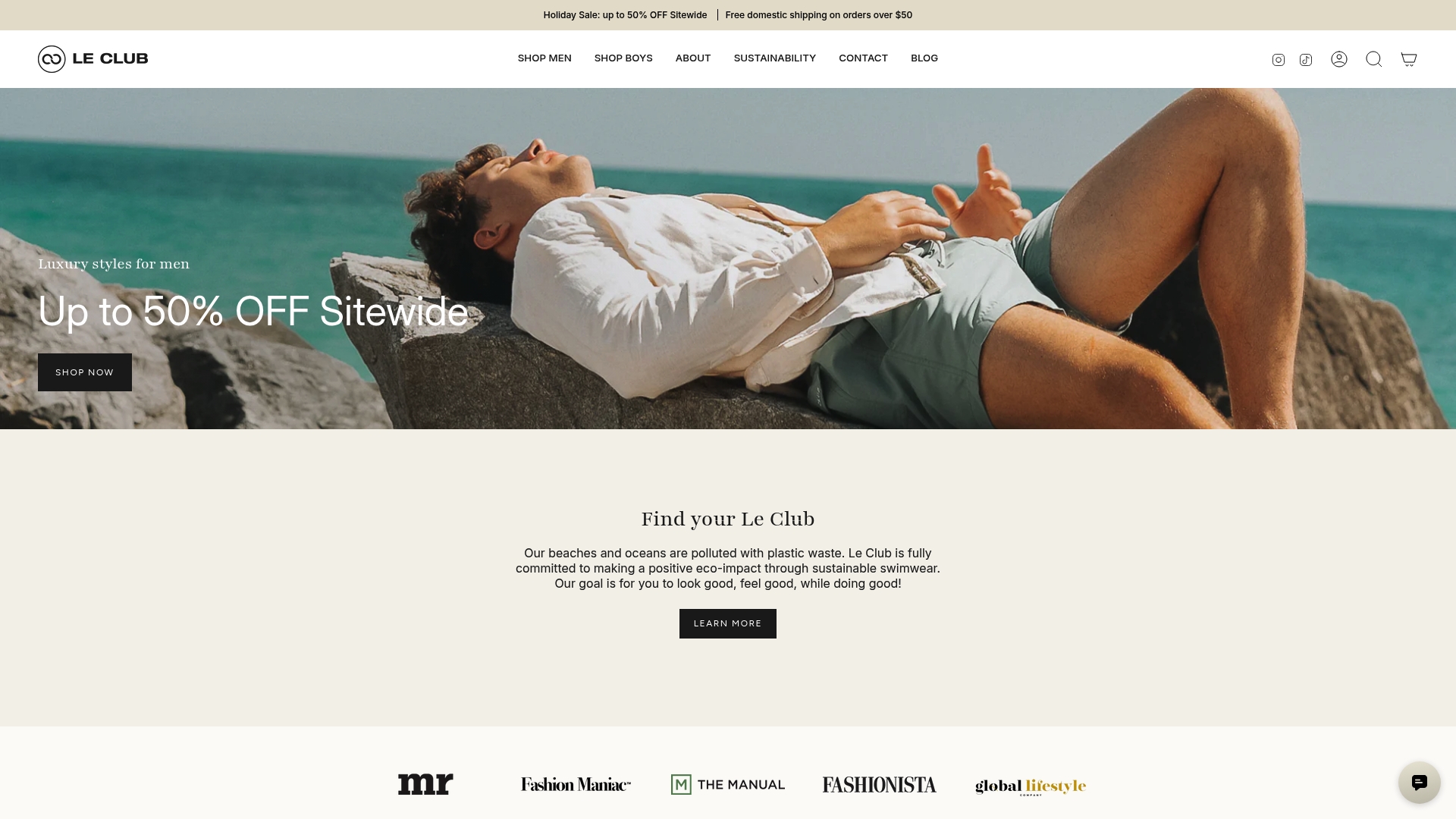
Ready to upgrade your beachwear with products that embody environmental stewardship and high performance? Visit Le Club Original now and take advantage of up to 50 percent off during our seasonal sales. Experience the confidence that comes from wearing swimwear designed to protect the oceans you love. Shop today and start making every beach trip a step toward a cleaner, greener future.
Frequently Asked Questions
What are the key items for an eco-friendly beachwear packing list?
To create an eco-friendly beachwear packing list, focus on sustainable swim trunks, sun-protective shirts made from recycled materials, eco-friendly flip-flops, reusable containers, organic beach cover-ups, biodegradable sunscreen, and compact recycled-fabric beach bags. Start by selecting one item from each category that meets your sustainability criteria.
How can I make sure my swim trunks are truly sustainable?
Verify that your swim trunks are made from eco-friendly materials like recycled nylon or organic cotton. Look for certifications that prove their sustainable practices, such as OEKO-TEX® certification, to ensure you’re making a responsible choice.
What features should I look for in sun-protective shirts?
Choose sun-protective shirts that offer UPF ratings for UV protection, are made from recycled materials, and provide moisture-wicking properties. Ensure they are lightweight and breathable for comfort on hot days at the beach.
Why is biodegradable sunscreen important for ocean safety?
Biodegradable sunscreen is crucial because traditional sunscreens can contain harmful chemicals that damage marine ecosystems. Opt for mineral-based options free from toxic filters to protect your skin while helping preserve ocean life.
How can I extend the lifespan of my sustainable beachwear?
To extend the lifespan of your sustainable beachwear, rinse items with fresh water after each use to remove salt and sand. Also, store them in a cool, dry place and avoid prolonged exposure to direct sunlight when not in use.
What should I consider when selecting a recycled-fabric beach bag?
When choosing a recycled-fabric beach bag, focus on durability, organizational features, and ethical manufacturing practices. Look for bags that are water-resistant and have reinforced handles to enhance their longevity and usability.
Recommended
- 7 Best Ocean-Friendly Clothing Materials for Eco Apparel – Le Club Original
- 7 Best Ocean-Friendly Clothing Materials for Eco Apparel – Le Club Original
- 7 Best Ocean-Friendly Clothing Materials for Eco Apparel – Le Club Original
- Beachwear Minimalism: Style Meets Sustainability – Le Club Original
- What Is a Camp Stool? Complete Outdoor Guide – Sitpack